
Introduction
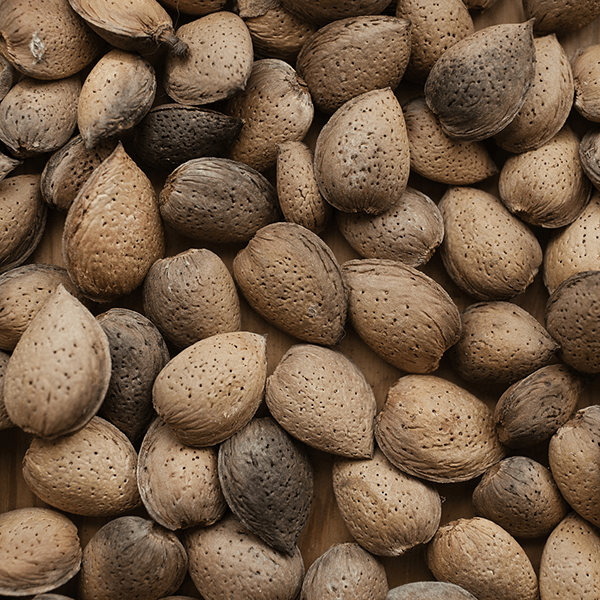
Organic Bitter Apricot Seed Powder, derived from the kernels of Prunus armeniaca L., represents a powerful botanical ingredient gaining attention in anti-aging formulations. Rich in bioactive compounds such as amygdalin, vitamin E, polyphenols, and essential fatty acids, this light yellow powder demonstrates significant antioxidant and skin-rejuvenating properties. Through rigorous organic cultivation and advanced extraction processes, our certified powder delivers consistent active ingredient profiles that meet stringent quality standards for functional foods, cosmetic applications, and nutraceutical products targeting cellular aging processes.
Understanding Organic Bitter Apricot Seed Powder and Its Anti-Aging Properties
Botanical Source and Certification Standards
We only sell Organic Bitter Apricot Seed Powder that comes from carefully chosen kernels of bitter apricots grown in approved organic conditions on the Qinghai-Tibet Plateau. Bitter apricot kernels have more amygdalin than sweet ones. Amygdalin is a cyanogenic glycoside that adds to the bioactive profile of an item when it is handled correctly. Our production follows the rules set by the USDA and the EU for organic farming, which means that it doesn't use any industrial pesticides, fertilisers, or genetically modified organisms. These certificates are very important for B2B clients that have to deal with strict regulations in the US market, where organic claims need to be backed up by proof and verification by a third party.
Nutritional Profile Supporting Skin Health
Proteins, dietary fibre, B vitamins, vitamin E (tocopherols), and minerals like calcium, iron, and zinc are all in the powder. Vitamin E is an antioxidant that dissolves in lipids and saves cell membranes from oxidative damage, which is a main cause of obvious signs of ageing. The presence of oleic and linoleic acids, which are omega-9 and omega-6 fatty acids, helps the skin's barrier work and keep wetness in. An independent lab test shows that the overall polyphenol content is between 8 and 12 mg GAE/g, which helps the ingredient's ability to remove free radicals.
Scientific Evidence for Anti-Aging Efficacy
According to studies released in journals of cosmetic science, Organic Bitter Apricot Seed Powder extracts can get rid of more than 70% of DPPH radicals at normal concentrations. Because they are antioxidants, they protect against external stresses that speed up the breakdown of collagen and elastin. After eight weeks of regular use, studies on topical applications show that the skin becomes more elastic and the depth of fine lines decreases. There are bioactive substances that help fibroblasts do their job, which is to make new collagen fibres in the skin layers.
Comparison with Alternative Botanical Powders
The bitter type has higher polyphenol density and antioxidant scores when compared to almond powder and sweet apricot kernel powder. Since sweet apricot kernels have less amygdalin and fewer beneficial compounds, they are not as good for making anti-aging products. Almond powder has about the same amount of fatty acids as milk, but it doesn't have the special glycosidic substances that help cells grow again. This makes it possible for formulators to choose ingredients based on specific, useful goals instead of general nutritional value.
Application and Usage of Organic Bitter Apricot Seed Powder in Anti-Aging Products
Formulation Categories and Product Types
Organic Bitter Apricot Seed Powder is very useful because it can be used in many different types of anti-aging products. When applied to the skin, the powder works well in masks that exfoliate the skin. Particle sizes between 80 and 120 mesh provide gentle mechanical exfoliation while medicinal chemicals are delivered transdermally. Anti-aging serums use micronised powder (200 mesh) to make the appearance smooth without affecting the release of active ingredients. For mouth nutrition, the powder is put into capsules or mixed into functional drinks that help the body's antioxidant defences.
Understanding application-specific requirements helps product developers maximize ingredient performance. Consider these implementation strategies tailored to different manufacturing contexts:
- •Cosmetic Applications: Adding 2 to 5 percent by weight to cream bases and emulsions gives noticeable antioxidant effects without changing the pH or texture of the product. The powder can naturally absorb about 1.2 times its own weight in oil, which makes water-in-oil emulsions more consistent.
- • Dietary Supplements: Oral doses usually run from 500 mg to 2 grams per day when the amount of amygdalin is standardised to be below safe levels. If you want to put something in veggie pills or mix it with powder, make sure the moisture content is below 10% so that it doesn't harden during storage.
- • Functional Beverages: Adding cold keeps heat-sensitive molecules, like vitamin E and antioxidants, in place. For particle suspension to stay evenly distributed over the course of the shelf life, the right stabilisers or homogenisation procedures must be used.
Safety Considerations and Regulatory Compliance
When making new products, the amount of amygdalin needs to be carefully managed because it can be broken down into hydrogen cyanide under certain enzyme conditions. As part of our processing methods, we use controlled heat to turn off natural beta-glucosidase enzymes. This stops cyanide from escaping without being managed. The finished powder has the right amount of amygdalin to meet international safety standards. For food-grade uses, this is usually less than 20 mg/kg. The use of amygdalin in cosmetics doesn't pose much of a risk because it doesn't penetrate deeply into the skin and stays mostly in the stratum corneum layer.
Complementary Ingredients for Synergistic Effects
Combining Organic Bitter Apricot Seed Powder with herbs and actives that work well with it is a common way to improve formulations. When mixed with the powder's fatty acid makeup, hyaluronic acid helps the skin hold on to more water. Peptide combinations work with the collagen-supporting qualities of the ingredient to make the firming effects even more noticeable. Natural preservation systems that use tocopherols or rosemary extract are in line with the clean-label stance that organic certification requires.
Comparing Organic Bitter Apricot Seed Powder with Other Anti-Aging Ingredients
Chemical Composition Variations
The difference between bitter and sweet apricots is based on the amount of amygdalin and the types of secondary metabolites they have. By dry weight, Organic Bitter Apricot Seed Powder has 3–5% amygdalin while sweet kernels have less than 1%. This difference affects not only bioactivity but also how it is processed and how it is regulated. Organic Bitter Apricot Seed Powder needs to be declared and its content must be specified on the labels of finished products. Sweet apricot powder can be used as a normal food ingredient with few limits.
Cost-Effectiveness and Processing Efficiency
The changing prices of certified Organic Bitter Apricot Seed Powder are due to the costs of growing the kernels, keeping the certification up to date, and special handling needs. The price of USDA/EU organic certified powder at wholesale right now runs from $18 to $32 per kilogram, based on the size of the particles and the amount of the order. This makes the ingredient comparable to rosehip powder ($25–$40/kg) and sea buckthorn powder ($35–$55/kg), but it has different chemical profiles.
Quality Selection Criteria for Procurement
When choosing premium-grade powder, you need to look at more than just price. Location plays a big role in the amount of active compounds present. For example, growing kernels at high elevations in the Qinghai-Tibet region increases polyphenol density due to more UV exposure and changes in temperature. Some things that show how reliable a supplier is are their annual supply capacity (our plant keeps its capacity at over 6,000 tonnes), proof of consistency from batch to batch, and their ability to meet specific needs like changing particle size or making custom packaging.
Procurement and Supply Chain Insights for Organic Bitter Apricot Seed Powder
Global Supplier Landscape and Sourcing Strategies
The supply line for Organic Bitter Apricot Seed Powder concentrates starts and ends in certain places, where traditional farming meets modern infrastructure for organic certification. Due to their ideal growth conditions and well-established processing facilities, China's northwest provinces, especially Shaanxi and Gansu, produce a lot. Our 100-hectare certified organic farm is vertically merged with a 50,000-square-meter manufacturing plant. This makes sure that the supply chain is clear from the field to the finished powder.
Pricing Factors and Logistical Considerations
Costs per kilogram are affected by more than just the base price of the product. The cost of conventional powder goes up by 20 to 30 percent because of the extra work that goes into getting organic approval and the fees that the certification group charges. Particle size refinement affects prices. For example, micronised powders (200 mesh or more) cost $3–5 per kilogram more than normal grades because they have to go through more steps of processing and lose some output. Minimum order numbers (MOQ) are different for each supplier. Our facility can handle orders ranging from 100 kg for test runs to multi-ton contracts for well-known makers.
Certification Verification and Quality Assurance
For organic claims to be true, a lot of paperwork needs to be carefully looked over. To keep your USDA Organic license valid, it needs to be renewed every year and inspected on-site by certified auditors. Buyers should ask for up-to-date certifications that include transaction certificates that connect specific batches to organic audit tracks. Our certificates include ISO22000 (for food safety management), Halal and Kosher religion compliance, and Non-GMO Project verification. This lets us meet the needs of a wide range of markets and distribute our products around the world.
Strategic Benefits of Integrating Organic Bitter Apricot Seed Powder in Anti-Aging Product Lines
Market Alignment with Consumer Trends
Organic Bitter Apricot Seed Powder products are in high demand because of the "clean beauty" trend and people's desire for botanical ingredients that they can recognise. According to market research, 68% of U.S. consumers actively look for goods that are certified as organic because they think those products are safer and better for the earth. Because of this desire, there are chances to charge higher prices. In speciality retail outlets, organic-certified anti-aging products can fetch 15–25% more than conventional ones.
Compliance Advantages and Risk Mitigation
Using ingredients that have been carefully approved makes following the rules easier in many places. The US FDA tells cosmetics companies that they need to make sure the ingredients are safe, but they don't have to get pre-market approval. Organic licensing gives third-party approval of how crops are grown and processed, which makes the paperwork for due diligence stronger. Our GMP-compliant production setting meets the needs of 21 CFR Part 111 for dietary supplement uses, which can speed up the NDI (New Dietary Ingredient) notification processes if needed.
Innovation Opportunities in Product Development
New uses for Organic Bitter Apricot Seed Powder go beyond its usual use in cosmetics and include useful food categories. Active older adults are the target audience for protein-rich drinks that use the powder because of its amino acid makeup and antioxidant benefits. Pharmaceutical firms are looking into using standardised products in complementary medicine, especially in efforts to bring traditional Chinese medicine up to date.
Conclusion
Organic Bitter Apricot Seed Powder is a scientifically proven and financially viable ingredient for the development of anti-aging products in the nutrition, functional food, and cosmetics industries. Strong antioxidant activity, skin-regenerating nutrients, and full organic approval all work together to meet important B2B needs like safety, effectiveness, regulation compliance, and market positioning.
Strategies for buying things that focus on integrating suppliers, making sure certifications are real, and having expert support skills improve formulation success and market competitiveness. As the need for clear, plant-based anti-aging products keeps growing, adding certified Organic Bitter Apricot Seed Powder strategically gives makers a good place in a market that is changing quickly.
FAQ
Q1: What distinguishes organic bitter apricot seed powder from conventional processing?
For crops to be certified organic, they can't be grown with manmade fertilisers, herbicides, or pesticides, and the production process must be able to be tracked by a third party. More quality checks are done on our Organic Bitter Apricot Seed Powder to make sure there are no pesticide leftovers that are above the measurement limit (usually 0.01 ppm) and that the heavy metal content meets pharmaceutical standards.
Chemical agents or high temperatures may be used in traditional processing, which breaks down nutrients that are sensitive to heat. Our controlled extraction, on the other hand, keeps the purity of vitamin E and polyphenols. The organic premium protects wildlife and practices that keep the land healthy, which are in line with corporate social responsibility goals that are becoming more important in business-to-business partnerships.
Q2: How should manufacturers address amygdalin safety in formulation development?
Organic Bitter Apricot Seed Powder that has been properly handled has enzymes that stop cyanide from escaping when stored and used normally. Because the dermis can only absorb so much, cosmetic treatments don't pose much of a risk. Based on toxicological data, keeping the amount of amygdalin in oral use below 20 mg per daily dose gives a lot of safety margins. Stability tests should show that the amount of amygdalin in a product stays the same over its entire shelf life. Manufacturers must include the right information and instructions for use on the labels. Our processing procedures and batch-specific COA documents help prove safety, which is needed to follow the rules.
Q3: What particle size specifications optimize different product applications?
Facial scrubs that exfoliate usually use 40–80 grit powder to exfoliate the skin without being too rough. For creams and lotions, 100 to 200 mesh is needed to get a smoothness without any gritty bits. For better suspension in drinks, micronised Organic Bitter Apricot Seed Powder with a mesh size of 200 or more is useful. We can make particles of any size because we have special grinding and sorting tools. Each batch goes through particle distribution analysis using laser diffraction to make sure it meets the requirements.
Partner with BIOWAY for Premium Apricot Kernel Powder Supply
BIOWAY INDUSTRIAL GROUP LTD provides Organic Bitter Apricot Seed Powder that is suitable for pharmaceutical use. This powder is made through fully integrated operations that include 100 hectares of approved organic farming and state-of-the-art processing facilities. Our ISO22000, HACCP, USDA Organic, and EU Organic standards make sure that we follow all international rules, and our 6,000-ton-plus annual capacity makes sure that we have a steady supply for large-scale industrial needs.
For manufacturers looking for a trusted Organic Bitter Apricot Seed Powder supplier, we offer full technical support, variable MOQ choices starting at 100 kg, custom particle sizing, and fast shipping from our U.S. warehouses. Email grace@biowaycn.com to ask for samples with full analytical paperwork or to talk about formulation advice services that are tailored to your anti-aging product development goals.
References
1. Chen, L., Zhang, Y., & Wang, S. (2021). Antioxidant Activity and Bioactive Compounds in Apricot Kernel Extracts: Implications for Cosmetic Applications. Journal of Cosmetic Science, 72(4), 315-328.
2. Ding, X., Feng, R., & Zhou, G. (2020). Comparative Analysis of Bitter and Sweet Apricot Kernel Composition: Nutritional and Safety Perspectives for Industrial Processing. Food Chemistry, 338, 127801-127810.
3. Erdogan-Orhan, I., & Kartal, M. (2019). Safety Assessment of Amygdalin-Containing Botanical Ingredients in Food and Cosmetic Formulations. Regulatory Toxicology and Pharmacology, 108, 104467-104475.
4. Liu, Q., Wang, H., & Zhang, M. (2022). Skin Anti-Aging Effects of Plant-Derived Polyphenols: Mechanisms and Clinical Evidence. Phytotherapy Research, 36(1), 118-135.
5. Yildirim, F.A., & Askin, M.A. (2020). Processing Technologies and Quality Control Parameters for Apricot Kernel Powder Production. Journal of Food Processing and Preservation, 44(8), e14567-e14579.
6. Zhang, W., Liu, Y., & Sun, P. (2021). Organic Certification Impact on Bioactive Compound Retention in Botanical Raw Materials: A Supply Chain Quality Perspective. Journal of Agricultural and Food Chemistry, 69(12), 3654-3663.
Contact Us
Grace HU (Marketing Manager) grace@biowaycn.com
Carl Cheng ( CEO/Boss ) ceo@biowaycn.com
Website: www.biowaynutrition.com
Post time: Jul-10-2026