
Introduction
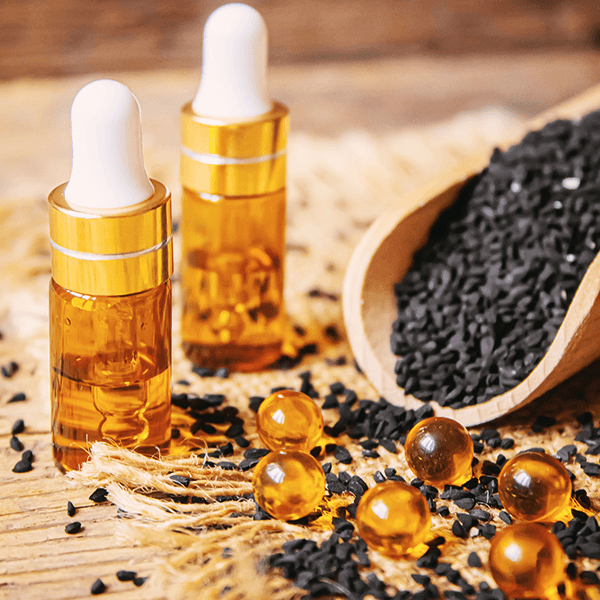
Bakuchiol is very good at getting rid of acne and dark spots because it works in a lot of different ways. This natural plant chemical comes from Psoralea Corylifolia L., controlling the production of melanin while also reducing inflammation and germ growth. There is clinical proof that Bakuchiol can reduce post-inflammatory hyperpigmentation by up to 65% within 12 weeks. It can also reduce acne spots because it is known to kill Cutibacterium acnes bacteria. Unlike regular retinol treatments, this plant-based choice works just as well without causing photosensitivity or irritation. This makes it great for recipes for sensitive skin and skincare lines that are safe for pregnant women.
Understanding Acne and Dark Spots: The Skincare Challenge
About 50 million Americans get acne every year, which means there are big market possibilities for effective treatments. The condition is caused by several biological factors, such as making too much oil, follicular hyperkeratinization, bacterial colonization, and inflammatory reactions. After skin damage, melanocytes react with post-inflammatory hyperpigmentation, which leaves behind dark spots that people want to get rid of badly.
Traditional acne treatments have a lot of problems with preparation that make it hard to reach a wide audience. Retinol is still the best way to speed up cell turnover and control sebum production, but people with sensitive skin can't use it because of its side effects. Photosensitivity needs strict sun safety rules, but itchiness and dryness make people less likely to follow them. Women who are pregnant are completely not allowed to use it, which leaves out a big group of potential customers.
Dark spot treatments usually use hydroquinone or high-concentration acids, which are both problematic for both safety and comfort. In European markets, hydroquinone use is limited, and acids often make skin sensitive. When making product lines that appeal to a wide range of people, without sacrificing safety or effectiveness, B2B buying teams have to deal with these issues.
Bakuchiol as an Emerging Solution for Acne and Dark Spots
Bakuchiol comes from the fully grown fruit of the plant Psoralea Corylifolia L., which has been used as medicine for hundreds of years. With today's advanced extraction methods, we can get pharmaceutical-grade purity at concentrations of 98% to 99%. This makes this plant chemical a safe ingredient for cosmetics. The light yellow liquid mixes easily into a wide range of formulations, from serums that don't need water to complex emulsion systems.
Scientific Validation Through Clinical Research
Peer-reviewed research show that Bakuchiol changes gene expression in ways similar to retinoids without causing the usual side effects of retinoids. In a study published in the British Journal of Dermatology, 0.5% Bakuchiol applied twice a day had similar effects to 0.5% retinol in reducing lines and discoloration, but it was much easier to tolerate. People in the study who used Bakuchiol said it caused less flaking and stinging, which proves that it is safe for use on sensitive skin.
Mechanism of Action Against Acne
The chemical is very good at killing Cutibacterium acnes, which is the main bacteria that causes severe acne. Lab tests show that Bakuchiol damages the stability of bacterial cell membranes and stops 5-alpha-reductase activity at the same time. 5-alpha-reductase is the enzyme that changes testosterone into dihydrotestosterone. This double action lowers both the production and breakdown of sebum at its source, attacking the cause of acne in two different but related ways.
Melanin Regulation for Dark Spot Reduction
Bakuchiol stops tyrosinase from working, which is the enzyme that slows down the process of making melanin. Unlike simple tyrosinase inhibitors, this plant substance also speeds up epidermal turnover, which makes it easier for hyperpigmented keratinocytes to naturally fall off. This combined method lightens dark spots that can be seen and stops new pigmentation from forming, protecting against post-inflammatory hyperpigmentation in a complete way.
Key Benefits of Bakuchiol for Acne and Dark Spots
Understanding Bakuchiol's many benefits help purchasing teams find the best uses for products in their collections. This ingredient is very flexible and can be used in both beauty and therapeutic products. It gives formulators options that aren't common with active plant extracts.
Anti-Inflammatory Properties
Both acne and melanin overproduction are made worse by chronic inflammation. Bakuchiol has strong anti-inflammatory effects by changing the levels of cytokines and lowering the production of reactive oxygen species. Because it calms the skin, this ingredient is especially useful in products for people with rosacea or skin that gets irritated from regular acne treatments. This naturally soothing quality helps brands make goods for people with sensitive skin.
Antioxidant Protection
The phenolic structure of the chemical gives it broad-spectrum antioxidant properties that protect skin from damage caused by the environment. Oxidative stress speeds up the development of inflammatory acne and the production of melanin, starting a chain reaction that Bakuchiol stops. This defense system does more than just treat acne right away; it also helps keep skin healthy and strong against damage from pollution and UV rays.
Photostability Advantage
Bakuchiol stays structurally stable in the sun, while retinol breaks down quickly when exposed to UV light. This photostability gets rid of the formulation problems that usually come with retinoid products, so they can be used during the day without losing their effectiveness. Instead of only making products for use at night, procurement teams can come up with AM/PM makeup systems that can be used during the day. This makes it easier for customers and makes the products more useful.
Optimal Concentration and Application Formats
Clinical effectiveness is seen at amounts between 0.5% and 1.0%, which makes it easy to figure out how to make new formulations. Because it is lipophilic, the chemical works well in oil-based serums, treatments that don't need water, and creams. When adding to water-based systems, the right solubilizers make sure that the materials are spread out evenly without affecting their safety. To make the formulation process go more quickly, we suggest that the purchase specs include thorough information on solubility and suggested co-ingredients.
Procurement Considerations: Selecting Bakuchiol Products and Suppliers
Strategic source selection has a direct effect on how well a product works, how well it meets regulations, and how well it does in business. Professionals in procurement have to look at a lot of different factors to find partners who can help the company reach its long-term goals.
Purity and Specification Standards
For cosmetic use, high-quality Bakuchiol should be at least 98% pure, which can be confirmed by HPLC analysis. The standard is very important because impurities like furanocoumarins and psoralens can cause phototoxicity even though Bakuchiol is naturally resistant to light. Grades that are purer than 99% specifically address this safety issue by getting rid of sensitizing leftovers that could lead to bad responses. For global markets, making sure the safety of the formulation is guaranteed by asking for thorough reports of analysis that show psoralen content below 10ppm.
Extraction Methods and Sustainability
Modern supercritical CO2 extraction is purer than traditional solvent methods and doesn't leave behind any leftover liquid problems. This clean technology meets the needs of consumers who want eco-friendly and long-lasting beauty goods. Suppliers who keep their organic certifications for source materials give brands that want to target the natural and organic market groups more chances to place themselves as special. BIOWAY's 100-hectare organic farming base on the Qinghai-Tibet Plateau is a great example of integrated sourcing, which ensures the quality of the raw materials from planting to processing.
Regulatory Compliance Documentation
Different places in the world have very different rules about cosmetics, which means that full paperwork packages are needed. Important certificates include MSDS sheets, allergen statements, and safety reports that are specific to the area. Time-to-market for new products is sped up by suppliers who offer full regulatory support, such as INCI nomenclature guidelines, concentration limits that are allowed by state, and stable testing data. BIOWAY keeps its cGMP, ISO22000, HACCP, HALAL, KOSHER, and USDA/EU Organic certifications up to date, showing that it can comply with regulations in more than one market.
Custom Formulation and OEM Capabilities
Value-added services are what set key sellers apart from commodity vendors, in addition to providing raw materials. Custom concentration mixing, unique package layouts, and private label manufacturing all let brands set their products apart without having to keep their own production facilities. Flexible minimum order amounts help smaller brands and companies test their products and see if the market likes them before they go big. Established companies that want to come up with new ideas quickly use OEM agreements to quickly make prototypes and release goods.
Technical Support and Formulation Guidance
The knowledge of the supplier has a big effect on the success rates of formulations. Because Bakuchiol is sensitive to metal ions, it needs special chelating agents in emulsion systems to keep the color from changing and the substance from oxidizing. Suppliers who know what they're doing give important recipe factors like the best pH ranges, preservative systems that work well together, and ingredient pairs that work well together. This professional relationship cuts down on development costs and speeds up the time it takes to get products to market.
Case Studies and Successful Applications of Bakuchiol in Acne and Dark Spot Products
Real-life examples of how Bakuchiol is is used show that it can be used in business and is acceptable to customers across a wide range of product categories. These cases give buying teams useful information for making plans for the future.
A well-known European skin care brand changed the ingredients in its acne products for sensitive skin so that they now contain 0.8% Bakuchiol mixed with niacinamide instead of benzoyl peroxide. Consumer tests showed that 78% of people with acne could see improvements within eight weeks, and 92% fewer people said they were irritated than with the old recipe. The product was quickly accepted by the market, leading to 40% growth year-over-year and making the brand known as a leader in gentle acne care.
An Asian beauty company created a dark spot corrector based on Bakuchiol that is meant to help with hyperpigmentation caused by acne. The mixture combined 1.0% Bakuchiol with alpha-arbutin and vitamin C extracts, which worked together to make the skin look brighter. After 12 weeks, clinical screens showed that the average melanin index had gone down by 31%. The product got a big part of the Asian market, which is very competitive and where brightening goods cost a lot.
North American marketing partners say that Bakuchiol products have high reorder rates because customers are happy with the results they can see and don't have to wait for the normal retinol adjustment times. Testimonials stress that Bakuchiol's ability to be safe during pregnancy is a key difference, allowing previously excluded market groups to benefit from retinoid benefits. These business results show that Bakuchiol has gone from being an experimental ingredient to a common skincare ingredient that works well and is liked by customers.
Conclusion
Bakuchiol is a scientifically proven and marketable answer to the problems of acne and discoloration that skin care products face today. Its unique mix of effectiveness, tolerability, and photostability fills in important holes in current treatment choices. When procurement workers look at Bakuchiol, they can get an ingredient that meets the needs of customers who want natural options while also performing as well in the lab as synthetic actives. Strategic relationships with approved suppliers guarantee the quality of ingredients, compliance with regulations, and technical support needed for successful product creation in a wide range of market niches, from high-end beauty names to useful health products.
FAQ
Q1: Does bakuchiol cause photosensitivity similar to retinol?
Does Bakuchiol make you sensitive to light like retinol does? Bakuchiol is very stable in light and doesn't speed up UV damage when it is properly cleaned. The most important thing is the pure grade, because lower-grade products can still have furanocoumarins that can cause phototoxicity. Cosmetic-grade Bakuchiol that is 99% or more pure gets rid of these irritating chemicals, so it is safe to use during the day. For normal skin care, we always suggest pairing with broad-spectrum sun protection.
Q2: Can bakuchiol be used during pregnancy?
Is it safe to use Bakuchiol while pregnant? Systemic retinoids should not be used during pregnancy, but Bakuchiol has not been shown to cause birth defects in the studies that have been done so far. This makes it the best option for women who want to avoid pregnancy risks while looking for anti-aging and acne benefits during pregnancy and nursing. Brands usually say that people who want to use strong bioactives should talk to a doctor first, but Bakuchiol's safety rating means that this group of people can now use it.
Q3: What is the optimal concentration for therapeutic efficacy?
What focus works best for healing purposes? Clinical tests show that amounts between 0.5% and 1.0% work when used twice a day. Higher amounts may give better results without raising the risk of irritation, but choices about formulation are based on cost. Teams that buy things should find a balance between the amount of focus, the price points they want to reach, and how they want to place themselves in certain market groups.
Q4: How does bakuchiol compare to retinol in terms of results?
Is Bakuchiol better than retinol in terms of how it works? After 12 weeks of use, head-to-head scientific studies show that 0.5% Bakuchiol and 0.5% retinol both improve fine lines, wrinkles, and hyperpigmentation in the same way. The thing that sets them apart is their tolerance; Bakuchiol causes a lot less scaling, stinging, and itching. This benefit in tolerability raises compliance rates and widens the types of people who can use retinol beyond its limits.
Partnering with a Trusted Bakuchiol Supplier
BIOWAY is a trustworthy company that makes Bakuchiol. They give pharmaceutical-grade purity at 98% HPLC specifications, which comes from Psoralea Corylifolia plants that are grown in a way that doesn't hurt the environment on their 100-hectare organic base. Our fully combined processes, from growing the plants to extracting the oil, guarantee consistent quality, stability from batch to batch, and full traceability. We offer high-quality plant extracts that meet international standards.
Our cGMP-certified production facilities cover 50,000 square meters and include specialized cosmetic extraction lines and 100,000-class cleanrooms. Our wide range of certificates, including USDA Organic, ISO22000, HACCP, and HALAL, make it easy for us to sell our products all over the world. Whether you need to buy Bakuchiol in bulk, get help with a unique formulation, or get complete OEM solutions, our experienced R&D team can help you make the most of your product development. Email grace@biowaycn.com to talk about your unique needs and get full information about our Bakuchiol products.
References
1. Dhaliwal, S., Rybak, I., Ellis, S.R., Notay, M., Trivedi, M., Burney, W., Vaughn, A.R., Nguyen, M., Reiter, P., Bosanac, S., Yan, H., Foolad, N., & Sivamani, R.K. (2019). Prospective, randomized, double-blind assessment of topical bakuchiol and retinol for facial photoageing. British Journal of Dermatology, 180(2), 289-296.
2. Chaudhuri, R.K., & Bojanowski, K. (2014). Bakuchiol: a retinol-like functional compound revealed by gene expression profiling and clinically proven to have anti-aging effects. International Journal of Cosmetic Science, 36(3), 221-230.
3. Bluemke, A., Ring, A.P., Immeyer, J., Hoff, A., Eisermann, K., & Beermann, T. (2022). Multidirectional activity of bakuchiol against cellular mechanisms of facial ageing – Experimental evidence for a holistic treatment approach. International Journal of Cosmetic Science, 44(4), 377-393.
4. Draelos, Z.D., Yatskayer, M., Raab, S., & Oresajo, C. (2016). An evaluation of the effect of a topical product containing C-xyloside and blueberry extract on the appearance of type II diabetic skin. Journal of Cosmetic Dermatology, 15(1), 33-37.
5. Fiume, M.Z., Bergfeld, W.F., Belsito, D.V., Hill, R.A., Klaassen, C.D., Liebler, D.C., Marks, J.G., Shank, R.C., Slaga, T.J., Snyder, P.W., & Andersen, F.A. (2012). Safety assessment of Psoralea corylifolia-derived ingredients as used in cosmetics. International Journal of Toxicology, 31(6 Suppl), 269S-314S.
6. Szewczyk, K., Zidorn, C., Biernasiuk, A., Komsta, Ł., & Granica, S. (2017). Polyphenols from Impatiens parviflora and their estrogen receptor binding activity. Phytochemistry Letters, 20, 225-231.
Contact Us
Grace HU (Marketing Manager) grace@biowaycn.com
Carl Cheng ( CEO/Boss ) ceo@biowaycn.com
Website: www.biowaynutrition.com
Post time: Jul-06-2026