
Introduction
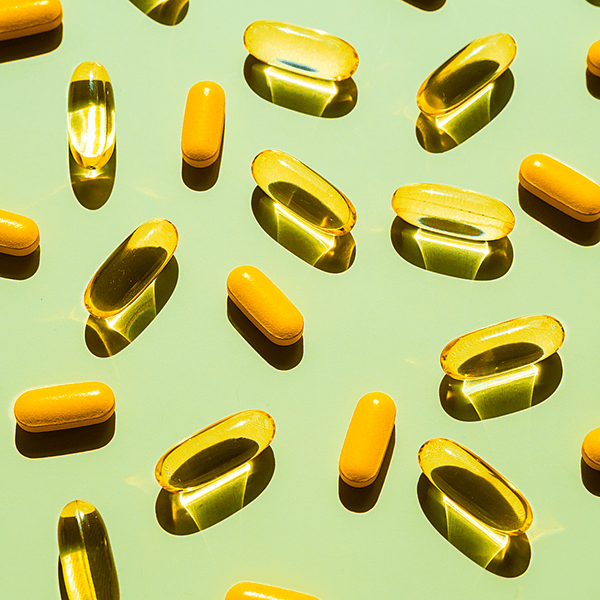
DHA Algal Oil Powder has emerged as a transformative ingredient in the functional food industry, offering a plant-based, highly bioavailable source of omega-3 fatty acids that addresses critical formulation challenges. Derived from sustainably cultivated microalgae through advanced winterization and microencapsulation processes, this ingredient provides superior oxidative stability, neutral sensory characteristics, and exceptional batch consistency.
For food and beverage manufacturers navigating evolving consumer demands for vegan, allergen-free, and clean-label products, algal-derived DHA delivers the technical performance and regulatory compliance necessary for competitive advantage. This comprehensive guide examines the production science, procurement criteria, comparative benefits, and strategic application insights that enable informed sourcing decisions aligned with market trends and quality standards.
Introduction
The move toward sustainable, plant-based nutrition around the world has increased the need for omega-3 ingredients that don't come from marine fish and don't cause allergies or raise ethics issues. DHA Algal Oil Powder is a big step forward in technology because it combines the brain-health benefits of docosahexaenoic acid with the useful benefits of a stable, easy-to-use powder form. Unlike liquid oils that need to be kept cool and are hard to handle, this microencapsulated form mixes easily into dry-blend mixtures, protects against oxidation to extend shelf life, and allows exact dosage control.
When B2B sourcing experts look at omega-3 sources for functional drinks, infant nutrition, dietary supplements, and fortified foods, they need to know about the production methods, quality standards, and supply chain issues. The winterization process gets rid of wax esters that make the product less stable at low temperatures. Advanced spray-drying methods then surround the delicate fatty acids in a protective matrix.
These improvements in manufacturing directly lead to lower production losses, more consistent nutritional profiles, and more positive reactions from customers. In this study, we look at what certifications are needed, how well different products work, and how to use them in ways that help with product development and long-term supply partnerships.
Understanding DHA Algal Oil Powder in Functional Foods
The Science Behind Algae-Based Omega-3 Production
Microalgae, especially Schizochytrium sp., make DHA spontaneously through controlled fermentation processes that make land-based facilities work like oceans. This way of farming keeps water pollution out and lets production cycles happen all year long, regardless of when fishing is allowed. The fermentation process creates a high-concentration oil that usually has more than 40% DHA. This oil is then winterized to get rid of heavy fats and make it more stable in cold weather. Advanced extraction keeps the delicate structure of the omega-3s while reaching purity levels that meet the standards for pharmaceuticals.
Microencapsulation Technology and Powder Transformation
To turn liquid oil into powder, you need to use advanced microencapsulation with food-safe wall materials like protein structures, modified starch, or maltodextrin. The process makes tiny oil drops with a barrier around them that keeps polyunsaturated fatty acids safe from air, light, and heat. As a result, the DHA Algal Oil Powder has neutral taste profiles, can flow freely, and can be mixed with water. These properties solve long-standing formulation problems. This makes it easier for makers to keep track of their inventory, cuts down on shipping costs, and lets them add omega-3s to foods that couldn't have them before, like energy bars, instant drink mixes, and baked goods.
Nutritional Profile and Bioavailability Advantages
When measured by plasma concentration tests, clinical studies show that algal DHA is just as bioavailable as fish oil. With a DHA value of at least 40%, winterized algal oil is very concentrated, so smaller serving amounts are still enough to meet daily requirements. Because many algae oils don't contain eicosapentaenoic acid (EPA), they can be used in a variety of ways to help with brain growth, vision, and cognitive function. Testing factors like total oxidation value ≤25.0 meq/kg and acid value ≤0.8 mg KOH/g ensures that the product's oxidative integrity is maintained throughout its shelf life. This means that the food stays nutritious from the time it is made until it is eaten.
Key Benefits of DHA Algal Oil Powder for Functional Foods
Cognitive Health and Development Support
A lot of research has shown that DHA is an important part of nerve tissue and makes up about 40% of the polyunsaturated fatty acids in the brain. Taking supplements during pregnancy and early childhood is linked to better brain development, eye growth, and nerve function. For companies that make infant formula, adding certified algal DHA meets FDA standards for approval and meets parents' requests for vegetarian food sources. The DHA Algal Oil Powder form lets fortification levels that are exact and in line with global infant nutrition guidelines be used, without adding marine allergens or persistent organic pollutants that have been found in some fish oil sources.
Superior Stability and Sensory Profile
Traditional fish oils have a hard time staying stable because they break down over time and produce bad smells and tastes that make people not want to buy them. Microencapsulated algal powder stays stable for longer on the shelf thanks to protective barrier technology that stops oxygen from interacting with it. Sensory groups consistently rate algal DHA products as having a more neutral taste than fish oil options.
This is especially important for beverage uses and infant formulas. The very low moisture level (≤0.05%) stops microbes from growing and keeps the powder's flowability during automated production processes. These traits lower the number of returns, increase the time between shipments, and improve the image of the brand by ensuring regular quality delivery.
Regulatory Compliance and Clean Label Appeal
Consumer study shows that people are becoming more interested in goods that are certified as vegan, non-GMO, or sustainable. Algal DHA naturally meets the requirements for plant-based labeling claims and helps companies keep their environmental promises by reducing their reliance on ocean resources. Full certification portfolios with ISO22000, USDA Organic, EU Organic, Halal, and Kosher credentials make it easier to get into markets with a wide range of regulations and consumer groups.
Traceability is built into controlled fermentation systems, which makes the whole supply chain clear. This addresses concerns about food safety and speeds up responses to quality questions. These features make it easier for brand managers to find the right balance between nutritional value and marketing positioning in the supplement and functional food categories, which are already very crowded.
Procurement Considerations for Bulk DHA Algal Oil Powder
Essential Certification and Quality Documentation
Setting standards for suppliers to meet starts with checking that they have the right factory certifications for the job. GMP approval makes sure that production meets standards for pharmaceuticals, and HACCP and FSSC 22000 show that food safety management systems are complete. For each production lot, procurement teams should ask for full Certificates of Analysis (COAs) that show DHA content proof, oxidation markers, heavy metal screens, and microbiological testing.
Third-party laboratory approval gives independent quality confirmation beyond what the seller says, which lowers the risk of deviations from the specifications. Organic certifications from both the USDA and the EU make it possible to place yourself in the market in a way that works for both North American and European lines of distribution, where rules are different.
Pricing Structure and Volume Considerations
The price of DHA Algal Oil Powder depends on the cost of raw materials, how well the fermentation capacity is used, and the cost of maintaining certification, which varies from supplier to supplier. Large manufacturers usually offer volume discounts for minimum order quantities (MOQs) between 100 and 500 kilograms. This helps keep production costs low while still giving buyers options.
Processing during the winter adds to the cost, but it improves stability and lowers formulation costs by reducing the need for antioxidants and increasing shelf life. Instead of just focusing on per-kilogram price, procurement talks should look at the total cost of ownership, which includes freight, customs duties, and quality control testing. Setting up framework deals with yearly volume promises is a common way to get better prices and make sure there is a steady supply during times of high demand.
Packaging Customization and Logistics Optimization
Powder format allows for different packaging arrangements that are tailored to production processes and storage needs. Standard options include multi-layer foil bags that flush with nitrogen to stop oxidation, fiber drums for moving large amounts of material, and smaller containers for testing quality and taking samples in the lab.
Transport with climate control keeps the quality of the goods while they are being shipped internationally, and paperwork like MSDS, COA, and phytosanitary certificates make it easier to get through customs. Suppliers with warehouses in target markets, like BIOWAY's 3,000-square-meter warehouse in the US, cut wait times and freight costs by a large amount while protecting inventory against supply outages. When looking at Asian providers that serve North American markets, these transportation issues become even more important.
Comparison and Selection Guide: DHA Algal Oil Powder vs Alternatives
Algal DHA Versus Marine Fish Oil Sources
The main difference between algal oil and fish oil comes down to issues of longevity, pollution risk, and moral concerns. The process of getting fish oil from wild or farmed fish depends on species that are susceptible to overfishing, seasonal availability, and geographic concentration. Marine sources naturally contain mercury, PCBs, and microplastics that need to be cleaned up very thoroughly. Controlled farming of algae gets rid of these factors, ensuring uniform fatty acid profiles and getting rid of contaminants that come from the ocean.
When it comes to managing allergens, fish oil can get contaminated with other products in facilities that make more than one thing. On the other hand, plant-based algal sources can make allergen-free claims. Vegan omega-3 sources are becoming more and more popular in the market, especially among millennials and Gen Z consumers who make buying decisions in stores.
Organic Certification Impact on Sourcing Decisions
Organic DHA Algal Oil Powder costs more because of the extra resources needed to grow it, the strict rules for approval audits, and the limited processing tools that can be used. Conventional algal production lets industrial nutrients and more processing options be used, but the food stays non-GMO and has the same nutritional benefits. Brand positioning determines whether or not a certification is needed.
For example, elite baby nutrition and natural channel goods get a lot of value from being organic, while popular functional foods and sports nutrition may focus on saving money. Certification costs should be weighed against market price increases and how much the target customer is willing to pay in a procurement analysis. As product lines grow, suppliers with two production lines for organic and conventional grades, like BIOWAY's wide range of manufacturing options, give companies more strategic freedom.
Powder Format Advantages Over Liquid Oil Forms
Liquid algae oil is useful for some things, like softgel packaging and emulsion systems, but it's harder to work with than powder. Throughout the supply chain, liquid oils need to be kept in a cool place, pumped with special tools, and closely watched for oxidation. Powder forms can be used with existing dry-blend systems, can be stored at room temperature, and are easier to dose accurately because they flow freely.
Adding manufactured antioxidants to liquid oils is the only way to protect them from oxidation, but the microencapsulation matrix does it naturally. Manufacturers who have more than one production line or want to come up with new bars, powders, and ready-to-mix drinks can save money on capital costs and get new recipes to market faster with powder forms.
Application Insights: Using DHA Algal Oil Powder in Functional Foods
Infant and Maternal Nutrition Formulations
Algal DHA is mostly used in pediatric diets because there is clinical evidence that it helps with brain development and regulatory recognition. Infant formula makers add DHA at amounts between 17 and 34 milligrams per 100 kilocalories, which is in line with what the European Food Safety Authority and the FDA say should be done. The DHA Algal Oil Powder form makes sure that the mixture is evenly spread during mixing, which stops the setting problems that happen when liquid oil is added.
During pregnancy and breastfeeding, supplements for mothers usually give 200 to 300 milligrams of DHA every day, which helps the baby's brain grow and makes breast milk better. Plant-based DHA's "clean label" stance is very appealing to pregnant women who care about their health and are looking for natural prenatal nutrition options.
Sports Nutrition and Cognitive Performance Products
A new study is looking into DHA's role in recovery from exercise, controlling inflammation, and keeping your mind sharp during sports performance. Algal omega-3s are added to protein powders, pre-workout recipes, and recovery drinks by sports nutrition makers to help with both the physical and mental strains of training. The bland taste profile keeps flavors from clashing in chocolate, vanilla, and fruit-flavored foods, where fish oil would make the food less appealing to the senses.
Most formulations give you between 250 and 500 milligrams of DHA per serving, which strikes a good balance between effectiveness and cost. Marketing stories that stress sustainable sources and vegan-friendliness are in line with what athletes believe in and with clean sport programs that are becoming more popular across all competitive sports organizations.
Emerging Pet Nutrition Applications
More and more, pet nutrition is becoming more like human nutrition. High-end pet food makers are adding omega-3s to improve coat health, joint function, and brain support in older pets. Algal DHA meets the growing need among pet owners for sustainable ingredients that don't come from fish while still providing the same nutritional benefits. The powder format works perfectly with dry food and treats because it doesn't add any wetness that would make them less stable on the shelf.
Animals of different sizes and stages of life should get different amounts of supplements. Long-term supplementation is safe, according to research in veterinary nutrition. As trends toward humanization push pet care categories toward higher prices and clearer ingredients, this application area has a lot of room to grow.
Conclusion
To strategically source DHA Algal Oil Powder, you need to look at the technical specs, the supplier's skills, and your goals for placing in the market. The need for stable, flexible ingredients in production and the desire for sustainable, plant-based nutrition in consumers have made algal omega-3 sources essential parts of the growth of functional foods. When buying something, people have to weigh the short-term cost of the item against the long-term supply security, quality stability, and legal compliance across all target markets.
When suppliers show that they can do integrated production, have a wide range of certifications, and offer quick technical support, they offer more value than just transactional pricing. As clean labels and environmental duty become more important in functional foods, algal DHA powder gives formulators the freedom and performance reliability they need to set their brands apart and build trust in them.
FAQ
Q1: What is the recommended daily dosage of DHA in functional foods?
Dosages are suggested based on the health goal and the population being treated. Formulas for babies usually have 17–34 mg per 100 kcal, while food products for adults have 200–500 mg per day. Women who are pregnant are usually told to take 200 to 300 mg of DHA every day. The European Food Safety Authority recommends 250 mg of EPA and DHA together to keep your heart healthy. When setting formulation levels, you should always look at regulatory guidelines that are specific to the target market and the health claims that are meant to be made.
Q2: How do I verify the quality and authenticity of algal DHA powder?
For full COAs that include fatty acid profile analysis using gas chromatography, oxidation markers (peroxide value and anisidine value), heavy metal screening using ICP-MS testing, and microbial analysis, please ask for them. Verification by a third-party agency gives you extra assurance. Check the supplier's qualifications, such as GMP, ISO, and organic credentials. Sample testing by approved labs sets the quality standards that are used for continued batch verification throughout the supply chain.
Q3: Are there side effects associated with algal DHA supplementation?
At the recommended doses, clinical studies show that DHA Algal Oil Powder supplementation is very safe. At higher intake levels, minor stomach pain happens less often. Algal DHA gets rid of worries about fish allergens and ocean pollution that come with marine oils. Because many algae sources don't contain EPA, they don't have the strong blood-thinning effects that can happen with high doses of fish oil. Regulatory bodies around the world agree that algae DHA is healthy for a wide range of people, including babies and pregnant women.
Partner with BIOWAY for Premium DHA Algal Oil Powder Supply
BIOWAY INDUSTRIAL GROUP LTD has a wide range of services for purchasing teams that need an approved, reliable source of winterized DHA Algal Oil Powder. Our fully integrated production methods include cutting-edge fermentation facilities, advanced winterization processing, and microencapsulation technologies that make powders with a DHA content of at least 40%, an oxidation value of less than 25.0 meq/kg, and a moisture level of less than 0.05%. Our 50,000-square-meter factory in Shaanxi Province follows cGMP, ISO22000, HACCP, and FSSC rules and has approvals for being USDA Organic, EU Organic, Halal, and Kosher.
We offer flexible MOQs to meet the needs of both new businesses and large-scale production, and our 15-year-experienced R&D team is here to help with technical formulation. With 3,000 square meters of warehouse space in the US, we can guarantee fast delivery and stable inventory for markets in North America. You can get sample packs, full COAs, and custom quotes from your reliable DHA Algal Oil Powder provider by emailing grace@biowaycn.com. Find out how our dedication to quality, sustainability, and relationship excellence can help you compete in the functional foods market.
References
1. Swanson, D., Block, R., and Mousa, S. A. (2012). Omega-3 Fatty Acids EPA and DHA: Health Benefits Throughout Life. Advances in Nutrition, 3(1), 1-7.
2. Ryan, A. S., Astwood, J. D., Gautier, S., Kuratko, C. N., Nelson, E. B., and Salem, N. (2010). Effects of Long-Chain Polyunsaturated Fatty Acid Supplementation on Neurodevelopment in Childhood: A Review of Human Studies. Prostaglandins, Leukotrienes and Essential Fatty Acids, 82(4-6), 305-314.
3. Arterburn, L. M., Oken, H. A., Bailey Hall, E., Hamersley, J., Kuratko, C. N., and Hoffman, J. P. (2008). Algal-Oil Capsules and Cooked Salmon: Nutritionally Equivalent Sources of Docosahexaenoic Acid. Journal of the American Dietetic Association, 108(7), 1204-1209.
4. Carlson, S. E., and Colombo, J. (2016). Docosahexaenoic Acid and Arachidonic Acid Nutrition in Early Development. Advances in Pediatrics, 63(1), 453-471.
5. Rubio-Rodriguez, N., Beltrán, S., Jaime, I., de Diego, S. M., Sanz, M. T., and Carballido, J. R. (2010). Production of Omega-3 Polyunsaturated Fatty Acid Concentrates: A Review. Innovative Food Science and Emerging Technologies, 11(1), 1-12.
6. Kuratko, C. N., Barrett, E. C., Nelson, E. B., and Salem, N. (2013). The Relationship of Docosahexaenoic Acid (DHA) with Learning and Behavior in Healthy Children: A Review. Nutrients, 5(7), 2777-2810.
Contact Us
Grace HU (Marketing Manager) grace@biowaycn.com
Carl Cheng ( CEO/Boss ) ceo@biowaycn.com
Website: www.biowaynutrition.com
Post time: Sep-01-2026


