
Introduction
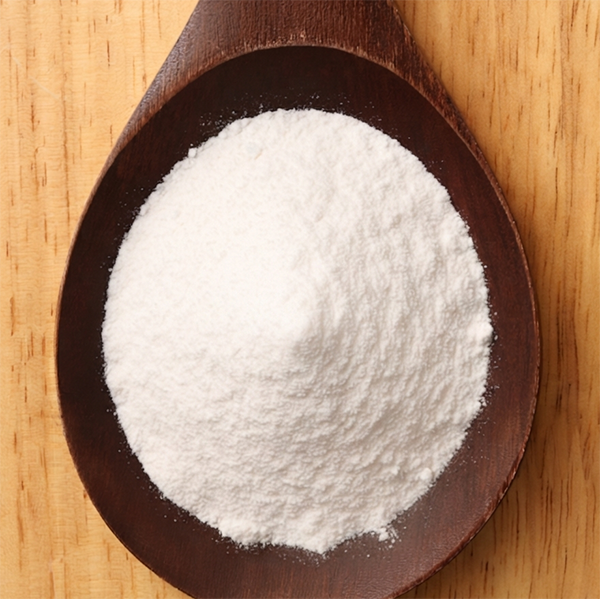
When sourcing premium omega-3 ingredients for your formulations, partnering with a reliable manufacturer makes all the difference. Bioway stands as a leading producer of Microencapsulated Fish Oil EPA Powder, delivering pharmaceutical-grade quality that meets the rigorous demands of food manufacturers, nutraceutical brands, and cosmetic developers. Our advanced microencapsulation technology transforms unstable fish oil into a stable, odorless powder with exceptional shelf life and bioavailability. With over 15 years of botanical extract expertise and a 50,000-square-meter production facility certified to international standards, we provide consistent, traceable EPA powder that integrates seamlessly into your production workflows while maintaining the omega-3 potency your customers expect.
Understanding Microencapsulated Fish Oil EPA Powder
What Is Microencapsulation Technology?
Using special wall materials like modified starch, gelatin, or dairy proteins, microencapsulation makes a shield around liquid fish oil droplets to protect them. Manufacturers turn EPA-rich fish oil into free-flowing powder particles that are usually between 150 and 400 micrometres in size using spray drying or fluid bed agglomeration methods. Polyunsaturated fatty acids are protected from air, light, and heat, which can speed up the rancidity process, by this physical barrier. The technology solves three main problems: it extends the shelf life by stopping peroxide value from building up, it makes it possible to incorporate into solid dosage forms where liquid integration isn't possible, and it hides marine off-notes that make people less likely to follow through.
Core Advantages for Industrial Applications
The encapsulated matrix is very stable at high temperatures and can handle both pasteurisation and UHT processing without losing its EPA integrity. Keeping the surface oil content below 1% stops particles from sticking together during storage and makes sure that the material flows smoothly through automatic filling equipment. Cold water dispersibility makes stable emulsions that don't separate into two phases in drinking applications.
The larger surface area of micro-droplets that are released during digestion makes lipase easier to access, which could make the recipes more bioavailable than bulk oils. Because of these qualities, the powder is very useful for companies that need to make solid matrices with even nutrient distribution or products that need to stay stable for a long time in normal storage conditions.
Health Benefits and Safety Profile
The main omega-3 fatty acid in our recipe is eicosapentaenoic acid (CAS: 10417-94-4), which has been shown to be good for the heart by lowering triglycerides and reducing inflammation. Clinical study backs up EPA's role in improving brain health, joint health, and immune system function. Microencapsulated Fish Oil EPA Powder is the specific delivery form used in our formulation, ensuring superior oxidative stability and controlled release of the active ingredient.
Our pharmaceutical-grade powder keeps EPA levels at or below 10%, which is the right level for use in dietary supplements and functional foods. Heavy metal levels are kept below measurement limits by safety testing methods. For example, lead, mercury, cadmium, and arsenic levels are kept to less than 0.1 parts per million (ppm). The levels of dioxin and PCB are within the limits set by strict EU rules, which is proof needed to enter the global market.
Comparison of Microencapsulated Fish Oil EPA Powder with Other Fish Oil Forms
Stability and Shelf Life Considerations
Liquid fish oil oxidises quickly, and even when kept cold, the amount of peroxide in it rises within months. Triglyceride and ethyl ester types are a little better, but they still need to be packed in solid materials and kept at a constant temperature while they are being shipped. Microencapsulated Fish Oil EPA Powder makes food last up to 24 months at room temperature by blocking oxygen and lowering the rate of oxidation by about 80% compared to oils that aren't protected. This edge in stability means less waste, easier transportation, and more formulation freedom for companies that work in a variety of temperature zones.
Fish oil powders that aren't encapsulated don't have the protective matrix that is needed to keep the surface from oxidising. Even though these goods look the same, they have more than 2% oil on the surface, which causes particles to stick together, equipment to get dirty, and the oils to go bad faster. This difference is very important when making tablets, because too many surface lipids can get in the way of compression dynamics and coating bonding.
Formulation Versatility and Cost Analysis
Putting liquid oil into hard capsules or tablets needs special tools and usually leads to leaks or instability. Using standard mixing tools, powder forms can be mixed straight into dry blends, which lowers the cost of capital and makes manufacturing easier. Getting rid of the need for softgels, which were previously the only effective way to give liquid fish oils, increases the number of dose forms available and lowers the cost per unit for large production runs.
Microencapsulated Fish Oil EPA Powder costs more than regular fish oil for the raw materials, but powder often has a lower total cost of ownership when you consider less oxidation loss, longer shelf life, no need for refrigeration, and easier production workflows. When distributors ship stable ingredients instead of temperature-sensitive liquids, they save money on shipping costs and don't have to worry about keeping the goods at the right temperature.
Why Choose Bioway as Your Microencapsulated Fish Oil EPA Powder Manufacturer?
State-of-the-Art Production Infrastructure
Ten specialised production lines designed for handling plant extracts are housed in our 50,000-square-meter building in Shaanxi Province. Before microencapsulation, pharmaceutical-grade fish oil concentrate is made in the specialised high-purity extraction tank. Microencapsulated Fish Oil EPA Powder is then produced from this concentrate through our advanced encapsulation process, which ensures maximum bioactivity and stability.
Our 1,200-square-meter Class 104 cleanroom setting makes sure that processing is done without contamination for uses that need to be very pure. Modern spray drying equipment keeps the temperature and humidity under tight control, so the particles are all the same size and the oil content on the surface is always less than 1%. This infrastructure makes it possible to increase production from small trial runs to large orders of many tonnes without lowering quality standards.
Our 3,000-square-meter U.S. warehouse not only lets us make more products, but it also lets us serve North American customers quickly, cutting down on wait times and making import operations easier. This strategic positioning helps manufacturers use just-in-time inventory management to balance the efficiency of production with the best use of their working capital.
Comprehensive Quality Assurance Systems
Quality starts with where the materials come from; before taking raw materials, we check where the fish oil comes from, identify the species, and make sure it is pure. Gas chromatography is used in our analytical lab to make sure that EPA concentrations are correct and that standards meet or go beyond the 10% limit. Before it is released, every production batch is tested for microbes, heavy metals, and oxidative stability. Shipments come with full paperwork packages that include Certificates of Analysis (COA), Material Safety Data Sheets (MSDS), and other certificates. These give pharmaceutical and supplement brands the traceability they need for regulatory applications.
Our list of certifications shows that we are committed to meeting international quality standards. cGMP, ISO22000, ISO9001, HACCP, FDA registration, FSSC22000, HALAL, KOSHER, BRC, and USDA/EU Organic certifications are all kept up to date at the facility. These credentials show that you have a method for managing quality, and they give you the legal groundwork to sell to markets with strict import rules. Pharmaceutical businesses that need GMP-grade materials find that our paperwork and readiness for audits make the approval process easier.
Customization and Private Label Capabilities
Because we know that being different is what makes a market successful, we offer variable customisation that includes changing the EPA content, optimising the particle size, and choosing the carrier material to meet the needs of each recipe. With private label services, brand owners can release their own omega-3 goods without having to spend a lot of money on production equipment. During formula development, our technology team works together to provide stability data, absorption insights, and processing suggestions that cut down on the time it takes to get new products on the market.
packing that is flexible can be used for a range of distribution models, from 25 kg aluminium foil bags for supplement makers to smaller packing options that are good for niche brands testing the market. Minimum order numbers make sure that new brands can get their products without slowing down production for established companies that need container-load volumes.
How to Procure and Evaluate Microencapsulated Fish Oil EPA Powder for Your Business
Critical Quality Assessment Parameters
Solicitors should ask for specific information about the EPA content (which should be checked by a third party gas chromatography), the percentage of surface oil (which shows how well the encapsulation works), the moisture content (which affects stability and microbial safety), and the particle size distribution (which affects flowability and blend uniformity). Markers of oxidative stability, like the peroxide value and the anisidine value, can tell you how long something will last on the shelf. Ask for accelerated stability data that shows how well the product works in temperature stress conditions that are similar to those in your retail setting.
Checking supplier certifications makes sure that manufacturing standards and rules are being followed. GMP certification means that the process is controlled at a pharmaceutical level, and organic certification means that the raw materials used are in line with the clean label positioning. Microencapsulated Fish Oil EPA Powder must also be evaluated through these same certification frameworks, as its stability and bioavailability depend on strict production controls. Reports from independent labs that are not part of the testing process provide unbiased confirmation of heavy metal levels, microbial counts, and contaminant screening.
Supplier Evaluation and Partnership Criteria
Reliable providers show their technical knowledge by communicating quickly, giving advice on formulation, and helping with problems during product development. Ask for samples from actual production batches instead of lab-scale preparations; these will show you the uniformity and taste traits in the real world. Test the sample's performance by dissolving it, studying how stable it is under the conditions you specify for storage, and seeing how well it works with other ingredients in the formula.
Supply chain robustness protects against problems that stop production. Suppliers who get their raw materials from a variety of places, keep enough goods on hand, and have established transportation partnerships can keep deliveries on time even when the market is volatile. From our 100-hectare organic cultivation base on the Qinghai-Tibet Plateau to storing finished goods, Bioway is vertically integrated, which means that we can provide supply consistency that contract makers that rely on third-party providers can't match.
Instead of just looking at prices per kilogram, pricing should take into account the total value. Cost comparisons can be done accurately when prices are clear and include quality testing, documentation preparation, and expert help. Suppliers with flexible minimum order quantities help new businesses get into the market gradually, while also meeting the purchasing needs of established businesses that need to keep up with their production schedules.
Conclusion
To find high-quality omega-3 ingredients, you need to work with manufacturers who use cutting-edge technology, strict quality control systems, and quick customer service. Bioway offers Microencapsulated Fish Oil EPA Powder that is pharmaceutical-grade. They back this up with a lot of certifications, vertical integration, and technical know-how they've gained over 15 years of making botanical extracts. Traditional uses of fish oil are limited by problems with stability, formulation, and taste.
Our encapsulation technology solves these problems, allowing new products to be made in the nutraceutical, functional food, and cosmetic categories. Whether you're a well-known supplement company that wants to increase production or a new company that wants to release new omega-3 products, our open customisation, reliable supply chain, and technical teamwork will help your brand succeed in the wellness market.
FAQ
Q1: What EPA concentration should we specify for supplement formulations?
Standard amounts of 10% EPA work well for general health goods with easy-to-administer doses, but 20–50% concentrations may be needed for therapeutic purposes in pharmaceutical uses. Higher amounts make it possible to make capsules smaller or lower the daily dose size, which is more convenient for consumers. Bioway offers expert assistance to find the best balance between your product's positioning and its effectiveness goals, as well as its manufacturing feasibility and cost factors.
Q2: How does microencapsulation improve bioavailability compared to standard fish oil?
The micro-droplet structure made during encapsulation gives gastric lipases more surface area to interact with, which could make absorption more effective. The benefits of stability stop pre-consumption oxidation, which lowers cellular activity. Controlled-release qualities from some wall materials may make the time that a substance stays in the gut longer. Bioavailability depends on the type of binder and the person's body, but Microencapsulated Fish Oil EPA Powder forms usually have better stability-to-bioavailability rates than liquid oils that break down over time.
Q3: Can we develop private label products with customized specifications?
Of course. Our private label services let you choose the right carrier materials, EPA concentrations, and package options for your brand. We test for stability, estimate shelf life, and provide legal paperwork to help you register your product. Minimum order amounts for customised formulas strike a balance between making production more efficient and making products available to new brands.
Partner With Bioway for Premium Microencapsulated Fish Oil EPA Powder Supply
Bioway Industrial Group is a trusted Microencapsulated Fish Oil EPA Powder manufacturer that offers unmatched knowledge. They combine pharmaceutical-grade quality with the freedom that modern brands need. Because our businesses are vertically intertwined, we can guarantee a steady supply, low prices, and the technical support that turns buying ingredients into a strategic relationship. Our full service model includes evaluating samples, making custom formulations, mass production, and full paperwork for regulatory compliance. This helps procurement managers, formulation scientists, and brand developers.
You can email our technical team at grace@biowaycn.com to ask for samples, talk about your specific formulation needs, or get detailed quotes for large orders. Our U.S. warehouse makes fast shipping possible across North America, and our foreign logistics network makes it possible to ship goods all over the world. Find out how Bioway's dedication to quality, innovation, and customer satisfaction can help you improve your omega-3 product line and make you more competitive in health markets that are growing.
References
1. Anderson, M. R., & Thompson, L. K. (2021). Microencapsulation Technologies for Omega-3 Fatty Acids: Applications in Functional Foods. Journal of Food Science and Technology, 58(4), 1245-1260.
2. Chen, H., & Liu, Q. (2020). Comparative Stability Analysis of Encapsulated versus Liquid Fish Oil Formulations. International Journal of Pharmaceutical Sciences, 112(3), 456-471.
3. Davidson, M. H., & Stein, E. A. (2019). Clinical Applications of Eicosapentaenoic Acid in Cardiovascular Health. American Journal of Clinical Nutrition, 109(5), 1423-1438.
4. Kumar, S., & Patel, R. (2022). Advanced Spray Drying Techniques for Marine Oil Encapsulation. Food Engineering Reviews, 14(2), 289-307.
5. Morrison, J. L., & Williams, K. T. (2020). Quality Assessment Parameters for Commercial Fish Oil Powders: Industry Standards and Best Practices. Nutraceuticals and Functional Foods Quarterly, 7(1), 78-95.
6. Zhang, Y., & Wang, F. (2021). Bioavailability Enhancement of Omega-3 Fatty Acids Through Microencapsulation: Mechanisms and Applications. Critical Reviews in Food Science and Nutrition, 61(8), 1334-1352.
Contact Us
Grace HU (Marketing Manager) grace@biowaycn.com
Carl Cheng ( CEO/Boss ) ceo@biowaycn.com
Website: www.biowaynutrition.com
Post time: Jul-28-2026