
Introduction
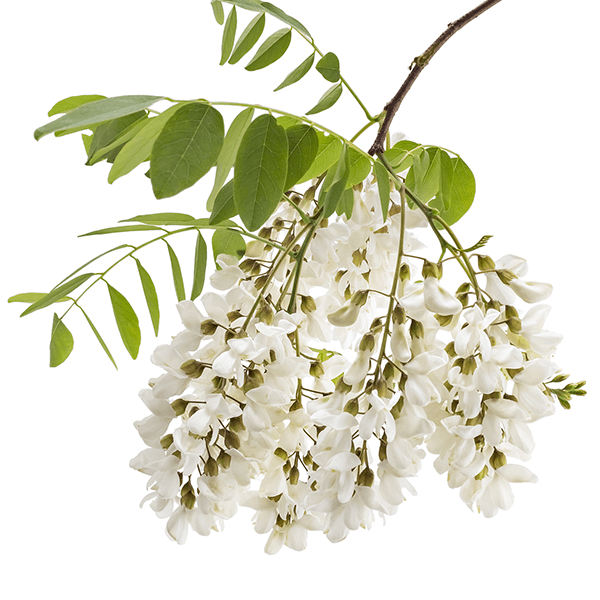
Health workers know that these strong chemicals are the body's main defense against oxidative stress and cellular damage when they look for the best natural antioxidants for cellular health. Along with vitamin C, resveratrol, and other polyphenolic substances, Quercetin is one of the most powerful natural antioxidants available. It is a flavonoid with unique bioactive qualities. The chemicals in this group work together to fight free radicals, help the defense system do its job, and keep cells in good shape in many body systems.
Comprehending Antioxidants and Their Role in Cellular Health
A lot of different chemicals make up antioxidants. They protect cell structures from oxidative harm caused by free radicals and reactive oxygen species. These safe chemicals give electrons to unstable molecules, which cancel out their damaging effects before they can hurt DNA, proteins, or cell membranes.
The Science Behind Oxidative Stress
Oxidative stress happens when the body makes more free radicals than it can naturally protect itself from. This imbalance makes cells not work properly, speeds up aging, and makes people more likely to get chronic illnesses. Long-term reactive stress is linked to heart disease, brain diseases, and immune system problems, according to research.
Major Natural Antioxidants and Their Mechanisms
The most effective natural antioxidants include flavonoids like quercetin, ascorbic acid (vitamin C), resveratrol, curcumin, and bromelain. Each chemical works differently and affects different cells in different ways. Vitamin C works best in water, while antioxidants that dissolve in fat, such as vitamin E, protect fatty membranes. Flavonoids can dissolve in both water and fat, which makes them useful as cell defenders.
Clinical Evidence for Antioxidant Efficacy
There are many clinical studies that show that natural antioxidants are good for cell health. In a study published in the Journal of Nutritional Biochemistry, taking flavonoid supplements for 12 weeks greatly lowered signs of oxidative stress in healthy people. These results show that natural antioxidants can be used in health goods and useful foods.
Quercetin: A Powerful Natural Antioxidant for Immune Support and Inflammation
With the chemical name 3,3',4',5,7-pentahydroxyflavone and the molecular formula C15H10O7, Quercetin is one of nature's most useful and powerful flavonoid molecules. This chemical comes from plants and has amazing antioxidant, anti-inflammatory, and immunomodulatory qualities that make it useful for many health purposes.
Cellular Mechanisms of Quercetin Action
To protect cells from oxidant damage, this flavonoid works in a number of different ways. It gets rid of free radicals directly and also boosts antioxidant enzymes found in the body, such as superoxide dismutase and catalase. It also changes inflammatory pathways by stopping nuclear factor-kappa B from activating and lowering the production of pro-inflammatory cytokines.
Clinical Applications and Research Findings
A new study has shown that the substance may be able to help the immune system and respiratory health. A study in the International Journal of Molecular Sciences showed that giving people with seasonal allergies flavonoids increased the activity of immune cells and decreased inflammation markers. Through its anti-inflammatory benefits, the compound also shows promise in helping people do better in sports and heal faster.
Safety Profile and Dosage Considerations
The results of clinical studies show that this flavonoid is very safe at different dose levels. For immune support, the usual daily dose is between 250 mg and 500 mg. Higher doses may be used for therapeutic purposes under the direction of a medical professional. The substance is well-tolerated, and clinical tests have shown that it has few side effects.
Choosing the Right Quercetin Supplement for Your Business Needs
To choose the best flavonoid vitamins for business-to-business use, it is essential to carefully evaluate raw material sources, extraction processes, and product specifications. Quercetin, derived from high-quality botanical sources such as Sophora japonica L. flower buds, offers a reliable and effective solution. With a purity level of up to 95% verified by HPLC testing, it ensures consistent quality and performance, making it suitable for demanding applications in nutraceuticals, pharmaceuticals, and functional food formulations.
Natural vs. Synthetic Sources Comparison
When it comes to bioactivity profiles, natural extraction from plant sources is better than synthetic options. The process of extracting Sophora japonica keeps helpful chemicals that make the medicine more bioavailable and effective. This light yellow crystal powder keeps the purity of its molecules and consistently delivers high potency for commercial uses.
Product Specifications and Quality Standards
High-quality products must meet strict standards for cleanliness and be checked analytically. The dry powder that BIOWAY sells has a CAS number of 117-39-5, a molecular mass of 302.24 g/mol, and strict testing procedures. These standards make sure that the performance is the same for all formulations used for different purposes and legal needs.
Synergistic Combinations and Enhanced Bioavailability
Adding vitamin C, bromelain, or phospholipids to this flavonoid makes it much easier for the body to absorb and use. These combination formulations get around the compound's naturally low water solubility while also making it more effective as a medicine. Professional formulators can use these mixtures to make health goods that work better.
Procurement Guide: How to Buy Quality Quercetin Products in Bulk?
For big purchases of high-quality flavonoid ingredients to go smoothly, business-to-business buyers need thorough evaluation systems. Credentials of the seller, production skills, compliance with regulations, and long-term supply reliability are all important factors in the evaluation process.
Supplier Evaluation Criteria
Procurement experts should look at manufacturing licenses, quality control systems, and analytical testing skills of possible providers. BIOWAY has many certificates, such as those for cGMP, ISO22000, HACCP, FDA, FSSC, HALAL, KOSHER, BRC, and USDA/EU Organic standards. These show that they are committed to meeting world quality standards.
Manufacturing Capabilities and Scale
Reliable suppliers must show that they have the right amount of production ability and technology know-how. BIOWAY has a modern building that is more than 50,000 square meters and has ten specialized production lines. The facility has a 1200 square meter Class 10⁊ lab and high-purity extraction tanks. This infrastructure allows for steady large-scale output while keeping quality standards high enough for medicinal use.
Regulatory Compliance and Documentation
For international trade, you need a lot of paperwork, like Material Safety Data Sheets (MSDS), Certificates of Analysis (COA), and records of how the goods were made. To make foreign business easier and make sure they follow the rules in each market, suppliers should give full customs clearance paperwork and keep their ISO certifications up to date.
Integrating Quercetin into Your Product Line: Applications and Benefits
Understanding target markets, formulation factors, and customer tastes is necessary for strategic Quercetin integration into health goods. This flavonoid can be used in a wide range of products, including health supplements, useful foods, cosmetics, and medicines.
Target Market Segments and Applications
Flavonoids need to be added in different ways for different types of markets. Pharmaceutical companies focus on purity and following the rules, while functional beverage companies focus on steadiness and a bland taste. When used in cosmetics, antioxidants and skin health benefits are emphasized, which calls for specific manufacturing methods.
Formulation Strategies for Maximum Efficacy
Bioavailability problems can be solved with advanced delivery methods in successful product creation. Nano-encapsulation, liposomal delivery, and phytosome formulations all make it much easier for drugs to be absorbed and work as medicine. Combining these technologies lets formulators make better goods while keeping costs low.
Market Trends and Innovation Opportunities
More people are looking for ingredients that are backed by science because they are becoming more aware of natural health options. Cognitive health, sports nutrition, and immune support uses are some new areas of study. Companies that put money into new formulas and scientific testing will be able to lead the market in this growing area.
Conclusion
Natural antioxidants, especially Quercetin, are important ingredients for businesses that are making health products that protect cells and improve general health. As more scientific proof comes in to back the effectiveness of these compounds, and as more people look for natural solutions, it opens up huge possibilities for businesses in many fields. BIOWAY's high-purity Sophorae Japonica Extract Quercetin Anhydrous Powder gives makers a trustworthy, scientifically-proven ingredient that meets high-quality standards and can be used in a wide range of formulations. To be successful in this market, you need to work with sellers who have a lot of knowledge and know both the technical needs and the rules and regulations.
FAQ
Q1: What makes quercetin particularly effective for cellular health?
This flavonoid has special ways of protecting cells by directly getting rid of free radicals and turning on the body's own antioxidant systems. Its chemical structure protects both water and fatty phases, which makes it useful for protecting cells in a wide range of tissues.
Q2: How does bioavailability affect quercetin product selection?
Standard solutions have low oral bioavailability (about 2%), so it's important to use improved manufacturing methods. Adding vitamin C, bromelain, or using special delivery methods like liposomes makes absorption and medicinal effectiveness much better for people who use them.
Q3: What purity levels should B2B buyers expect for pharmaceutical applications?
Pharmaceutical-grade uses need at least 95% purity, which can be checked by HPLC analysis and includes full impurity tracking and microbiological tests. These strict standards can be met by BIOWAY's anhydrous powder, which also has uniform quality from batch to batch for large-scale production.
Q4: How do regulatory requirements vary across different markets?
Flavonoid ingredients are regulated in different ways in different international markets. Regulations from the US Food and Drug Administration (FDA), the European Union (EU), and other regions require a lot of paperwork and approval. Suppliers should back up global market access with full government backing.
Partner with BIOWAY for Premium Quercetin Manufacturing Solutions
The BIOWAY Industrial Group is ready to help you get Quercetin in bulk because we can produce it all in-house and have strict quality control systems in place. Our 100-hectare organic farming base on the Qinghai-Tibet Plateau guarantees a steady supply of raw materials, and our advanced 50,000+ square meter production center ensures purity and consistency that meet pharmaceutical standards. We invite purchasing managers and product creators to look at our high-quality Sophorae Japonica Extract Quercetin Anhydrous Powder specs and learn how our knowledge can help make your products better. Email grace@biowaycn.com to ask for samples, technical information, and personalized advice services that meet the needs of your particular application.
References
1. Patel, R.V., Mistry, B.M., Shinde, S.K., Syed, R., Singh, V., and Shin, H.S. (2018). Therapeutic potential of quercetin as a cardiovascular agent. European Journal of Medicinal Chemistry, 155, 889-904.
2. Li, Y., Yao, J., Han, C., Yang, J., Chaudhry, M.T., Wang, S., Liu, H., Yin, Y. (2016). Quercetin, inflammation and immunity. Nutrients, 8(3), 167.
3. Derosa, G., Maffioli, P., D'Angelo, A., Di Pierro, F. (2016). A role for quercetin in coronavirus disease 2019 (COVID-19). Phytotherapy Research, 35(2), 1230-1236.
4. Mlcek, J., Jurikova, T., Skrovankova, S., Sochor, J. (2016). Quercetin and its anti-allergic immune response. Molecules, 21(5), 623.
5. Xu, D., Hu, M.J., Wang, Y.Q., Cui, Y.L. (2019). Antioxidant activities of quercetin and its complexes for medicinal application. Molecules, 24(6), 1123.
6. Boots, A.W., Haenen, G.R., Bast, A. (2008). Health effects of quercetin: from antioxidant to nutraceutical. European Journal of Pharmacology, 585(2-3), 325-337.
Contact Us
Grace HU (Marketing Manager) grace@biowaycn.com
Carl Cheng ( CEO/Boss ) ceo@biowaycn.com
Website: www.biowaynutrition.com
Post time: Apr-10-2026