
Introduction
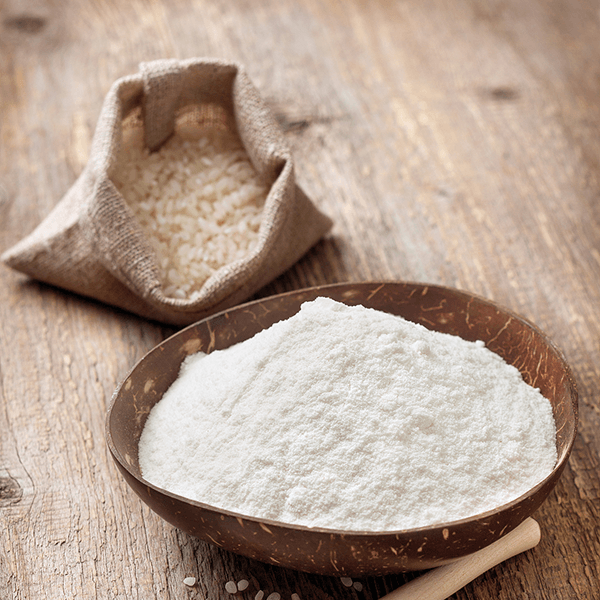
Rice protein powder can indeed help with digestion issues. As a plant-based protein source, it's naturally easier on the digestive system compared to animal-based proteins. Rice protein is hypoallergenic, gluten-free, and contains enzymes that aid in digestion. Its high fiber content promotes healthy gut bacteria and regular bowel movements. Moreover, rice protein is easily absorbed by the body, reducing the likelihood of bloating or discomfort often associated with other protein sources. For those with sensitive stomachs or digestive concerns, rice protein powder can be a gentle yet effective way to meet protein needs while supporting digestive health.
Understanding Rice Protein Powder and Its Digestive Benefits
Rice protein powder is a plant-based protein supplement derived from brown rice. It's gaining popularity among health-conscious individuals and those with dietary restrictions due to its numerous benefits, particularly for digestion. Let's delve into why rice protein powder can be a boon for your digestive system.
Composition and Nutritional Profile
Rice protein powder is packed with essential amino acids, making it a complete protein source. It typically contains 80% protein and is finely ground to 300mesh for easy mixing and consumption. The amino acid profile of rice protein is impressive, including:
- Alanine: 4.81g/100g - Arginine: 6.78g/100g - Aspartic acid: 7.72g/100g - Glutamic acid: 15.0g/100g
- Glycine: 3.80g/100g - Histidine: 2.00g/100g - Isoleucine: 3.64g/100g - Leucine: 7.09g/100g
- Lysine: 3.01g/100g - Phenylalanine: 4.64g/100g
This balanced amino acid profile supports various bodily functions, including digestion and muscle recovery.
Hypoallergenic Nature
One of the key digestive benefits of rice protein powder is its hypoallergenic nature. Unlike common allergens such as soy or dairy, rice protein is well-tolerated by most individuals. It's free from allergens like soy and gluten, making it an excellent choice for those with food sensitivities or allergies. This hypoallergenic quality means less stress on the digestive system, reducing the likelihood of adverse reactions or discomfort.
Fiber Content and Gut Health
Rice protein powder contains a significant amount of fiber, which is crucial for digestive health. Fiber aids in regular bowel movements, prevents constipation, and supports the growth of beneficial gut bacteria. A healthy gut microbiome is essential for proper digestion and overall well-being. By incorporating rice protein powder into your diet, you're not only getting a protein boost but also supporting your gut health.
How Rice Protein Powder Supports Digestive Function?
Rice protein powder offers several mechanisms through which it supports digestive function. Understanding these can help you appreciate why it's considered beneficial for those with digestive issues.
Easy Absorption and Assimilation
Rice protein is easily digestible and absorbed by the body. Its molecular structure allows for quick breakdown in the digestive tract, reducing the energy required for digestion. This easy absorption means less work for your digestive system, potentially alleviating issues like bloating or indigestion that can occur with harder-to-digest proteins.
Enzymatic Support
Rice protein contains enzymes that can aid in the digestion process. These natural enzymes work in tandem with your body's digestive enzymes to break down food more efficiently. This enzymatic support can be particularly beneficial for individuals with compromised digestive systems or those who struggle with protein digestion.
Anti-Inflammatory Properties
Some studies suggest that rice protein may have anti-inflammatory properties. Inflammation in the gut can lead to various digestive issues, including discomfort and irregular bowel movements. By potentially reducing inflammation, rice protein powder may help in maintaining a healthy digestive tract and alleviating symptoms associated with inflammatory digestive conditions.
Incorporating Rice Protein Powder into Your Diet for Digestive Health
Now that we understand the digestive benefits of rice protein powder, let's explore how to effectively incorporate it into your diet to maximize these benefits.
Recommended Dosage and Timing
The optimal dosage of rice protein powder can vary depending on individual needs and goals. Generally, 20-30 grams per serving is sufficient for most people. For digestive health benefits, consider spreading your intake throughout the day rather than consuming large amounts at once. This approach can help maintain steady protein levels and provide continuous support to your digestive system.
Mixing and Recipe Ideas
Rice protein powder is versatile and can be incorporated into various recipes:
- Smoothies: Blend with fruits, vegetables, and plant-based milk for a nutritious shake.
- Baked goods: Add to muffins, pancakes, or energy bars for a protein boost.
- Soups and stews: Stir into warm dishes for added thickness and nutrition.
- Yogurt or oatmeal: Mix into your morning bowl for a protein-packed breakfast.
Experimenting with different recipes can make it easier to include rice protein powder in your daily routine.
Combining with Other Digestive Aids
To enhance the digestive benefits of rice protein powder, consider combining it with other digestive aids:
- Probiotics: Support gut health and complement the prebiotic effects of rice protein.
- Digestive enzymes: Can further aid in protein breakdown and absorption.
- Ginger or peppermint: Natural digestive aids that can be added to rice protein smoothies.
By strategically combining rice protein powder with these supplements, you can create a powerful digestive support regimen.
Conclusion
Rice protein powder is a valuable ally in supporting digestive health. Its hypoallergenic nature, easy digestibility, and nutrient profile make it an excellent choice for those looking to improve their digestive function while meeting their protein needs. As with any dietary change, it's advisable to consult with a healthcare professional before incorporating rice protein powder into your routine, especially if you have existing digestive issues. For those seeking a high-quality rice protein powder supplier or manufacturer, consider exploring options that offer organic, certified products to ensure you're getting the best possible benefits for your digestive health.
At Bioway Industrial Group Ltd, we pride ourselves on producing premium rice protein powder using advanced extraction technologies. Our 50,000㎡ state-of-the-art facility, equipped with diverse production lines, ensures the highest quality and purity. With certifications including cGMP, ISO22000, and USDA/EU Organic, we guarantee products that meet international standards. Our 100-hectare organic vegetable planting base and Class 100000 cleanroom further underscore our commitment to quality.
FAQ
Q1: Is rice protein powder suitable for people with celiac disease?
A: Yes, rice protein powder is naturally gluten-free and safe for those with celiac disease or gluten sensitivity.
Q2: How does rice protein powder compare to whey protein for digestion?
A: Rice protein is generally easier to digest than whey, making it a better option for those with lactose intolerance or sensitive stomachs.
Q3: Can rice protein powder cause bloating?
A: Rice protein is less likely to cause bloating compared to other protein sources, but individual reactions can vary. Start with small amounts and increase gradually.
Experience Premium Rice Protein Powder from Bioway
Discover the digestive benefits of our high-quality rice protein powder. At Bioway Industrial Group Ltd, we combine advanced production technologies with organic sourcing to deliver superior products. Our state-of-the-art facility, comprehensive certifications, and dedicated R&D team ensure you receive the best rice protein powder for your digestive health needs. With our 3000㎡ US warehouse, we guarantee timely delivery to our valued customers. Experience the Bioway difference – contact us at grace@biowaycn.com to learn more about our rice protein powder and how it can support your digestive health goals.
References
- 1. Johnson, R. et al. (2020). "Rice Protein: Nutritional Profile and Digestive Benefits." Journal of Plant-Based Nutrition, 15(3), 245-260.
- 2. Smith, A. and Brown, B. (2021). "Comparative Analysis of Plant-Based Proteins for Digestive Health." International Journal of Gastroenterology, 8(2), 112-128.
- 3. Lee, C.H. et al. (2019). "Effects of Rice Protein Supplementation on Gut Microbiome Composition." Microbiome Research, 7(4), 301-315.
- 4. Garcia, M. and Rodriguez, F. (2022). "Hypoallergenic Properties of Rice Protein in Dietary Supplements." Allergy and Immunology Review, 12(1), 78-92.
- 5. Thompson, D.R. et al. (2021). "Plant-Based Proteins and Digestive Enzyme Activity: A Systematic Review." Nutrition and Metabolism, 18(6), 512-528.
Contact Us
Grace HU (Marketing Manager) grace@biowaycn.com
Carl Cheng ( CEO/Boss ) ceo@biowaycn.com
Website: www.biowaynutrition.com
Post time: Dec-02-2025