
Introduction
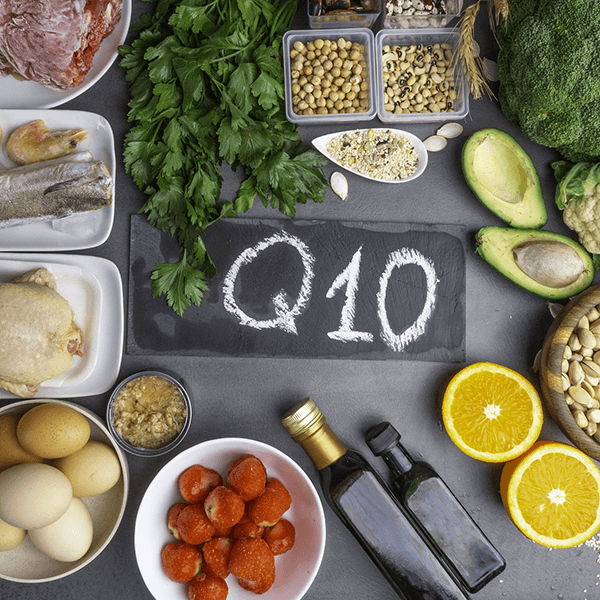
You can take CoQ10 and Vitamin E at the same time. Antioxidants are good for your heart, help cells make energy, and keep your skin healthy. Free radicals can damage cell membranes, but Vitamin E protects them. Coenzyme Q10 (ubiquinone) helps cells make energy in their mitochondria. These two nutrients don't usually hurt each other when they're together. Still, it's very important to get the right amount and good ingredients. Bioavailability and batch consistency are directly linked to how well customers perform and how well-known the brand is in highly competitive markets. This is very important when making many supplements.
Understanding CoQ10 and Vitamin E: Individual Benefits and Mechanisms
How Coenzyme Q10 Supports Cellular Energy and Health?
Coenzyme Q10 is a substance that is found naturally in all human cells. On the other hand, it is mostly found in organs that need a lot of energy, like the kidneys, heart, and liver. Inside mitochondria, its main job is to move electrons around so that ATP can be made. Cells need ATP to stay alive. As well as making energy, ubiquinone is a strong antioxidant that fights free radicals.
Free radicals damage cells and make illnesses last longer. It lowers signs of oxidative stress, makes endothelial cells healthier, and helps the heart work better, according to studies. It is an important part of functional foods, nutraceuticals, and skin care products that aim to slow down aging and keep skin healthy because of these benefits.
The Protective Role of Vitamin E in Oxidative Defense
Vitamin E refers to a group of chemicals that break down in fat. A tocopherol and a tocotrienol are the two main types. Alpha-tocopherol is the form of tocopherol that works best in people. It gets rid of reactive oxygen species before they can damage cell structures, protecting lipid membranes from peroxidation. Not only does it protect HDL cholesterol, but it also protects LDL cholesterol by lowering oxidation, which is a cause of atherosclerosis. It also changes how the immune system works and keeps neurons safe, which is good for brain health. Vitamin E is a very important part of many drinks, skin care products, and medicines that are meant to make the heart and brain healthier.
Why B2B Buyers Prioritize Quality in Raw Material Sourcing?
When people know how CoQ10 and Vitamin E work in the body, they can better judge the quality of the materials used to make things. Ubiquinone that is very pure and comes from natural fermentation processes helps keep the all-trans isomer structure. This is the same kind of structure that comes from living things. Some man-made versions might not have active cis-isomers, which would make the therapy less useful and harder for regulators to accept.
On top of that, d-alpha-tocopherol, or Vitamin E, is more bioavailable when it comes from plants than when it comes from chemicals. This has a direct effect on how well a product works and how happy customers are with it. Making beauty products or supplements? When you buy from certified suppliers, they can give you full technical specs, stability data, and batch-to-batch consistency documentation. This is the best way to lower formulation risks and make sure you follow all the rules in different countries.
Can You Take CoQ10 and Vitamin E Together? Scientific Insights and Interaction Analysis
Synergistic Antioxidant Benefits for Cardiovascular and Metabolic Health
Vitamins E and Coenzyme Q10 work together to protect cells even more effectively than either one would have done on its own. Coenzyme Q10 does its job inside mitochondria, and Vitamin E protects the membranes of cells and mitochondria. Heart and blood vessel journals have reported that this mix lowers lipid peroxidation more effectively than supplements that only have one nutrient.
Inflammation markers linked to metabolic syndrome go down when you do this, which keeps your arteries healthy. It is possible for both chemicals to work together in places with lots of fats to protect lipoproteins in the blood and cell membranes from air damage. CoQ10 and Vitamin E work well together to improve heart health, metabolism, and the way cells age.
Safety Considerations and Dosage Optimization for Product Development
When procurement teams make commercial formulations, they need to keep a few safety issues in mind. Most of the time, the mix is safe. Because both nutrients are fat-soluble, they need to be given to the body in a certain way so that it can use them. One way is in lipid emulsions or softgels that are based on oil. As much as 100 to 300 mg of CoQ10 and 200 to 400 IU of Vitamin E are used every day in some studies. However, the best amounts depend on the health goals and the people who will be taking the supplements.
Keep a close eye on how your medicines work together if you take statins (which lower endogenous CoQ10 levels) or anticoagulants (which may work better if you take a lot of Vitamin E). Regulatory consultants should work with people who know how to make medicines to make sure that labels have the right dosage information and warnings about when not to use the medicine. This will help the medicine do its job better and keep people safe.
Addressing Medication Interactions and Consumer Concerns
Statins are often given to people to lower their cholesterol, but they block the same biochemical pathway that CoQ10 does. Signs of a deficiency like muscle pain and being tired can be caused by this. These bad effects can be lessened by taking more ubiquinone. Because of this, CoQ10 is a key ingredient in products for this group that help keep their hearts healthy. If you take blood thinners, you need to be more careful with Vitamin E because more than 800 IU per day may make you more likely to bleed.
Health care professionals and patients will trust you more if you are open and honest about these interactions. Tech clients that make medicines for certain medical needs can get pharmacokinetic data and interaction profiles, among other things. These papers give doctors and stores the confidence to recommend the right formulations.
CoQ10 and Vitamin E Supplement Comparison for Procurement Decisions
Natural Versus Synthetic Forms and Bioavailability Implications
Whether the sources are natural or man-made affects both how well they work and how much money they can make. Agrobacterium tumefaciens strains are used to ferment yeast to make natural Coenzyme Q10. This makes the bioidentical form that works with human bodies. It is 100% all-trans ubiquinone. Some impurities, like cis-isomers, can be added to synthetically made things. These make the things less biologically active and make it harder for regulators to approve them.
In the same way that natural d-alpha-tocopherol is about 50% more bioavailable than synthetic dl-alpha-tocopherol, this is how it works. This is because the body loves the way it is now more. What the label says, how much to take, and what people think of the business all change when things like this happen. Organic certification and clean labels are making more and more high-end brands want natural ingredients. Because of this, businesses need to make sure they buy from companies that make CoQ10 from fermentation and tocopherols from plants.
Format Selection: Softgels, Capsules, and Powder Applications
You should pick a supplement format based on your production skills, the people you want to reach, and what they want. Smooth gels are the best way to give CoQ10 and Vitamin E together right now. When these lipophilic compounds are absorbed, the oil-based matrix helps them stick together and doesn't let them break down. It is less expensive to use hard capsules that are filled with micronized powder, but they need to be made in a certain way to be bioavailable. For example, they can be made by cyclodextrin complexation or liposomal encapsulation.
To work, functional drinks and foods need powders that have ingredients that can mix with water or nanoemulsions. The reason for this is that powders don't dissolve well on their own. You should think about how hard something was to make, how long it will last, and how easy it is for people to use it before you buy it. Customers can quickly change their products to meet market needs when suppliers offer a variety of formats and help with formula development. This gives the suppliers an edge in terms of strategy.
Evaluating Suppliers for Quality, Certification, and OEM Capabilities
Suppliers that stand out from the rest because they have well-known certifications and strict quality control systems. Making sure that things are always made the same way and that there is no contamination is what Good Manufacturing Practice (GMP) is all about. The HACCP certification makes it clear that systematic risk analysis is used to make sure that food ingredients are safe. The USDA or the EU says that food is organic if it was grown and processed in a way that doesn't harm the environment.
People who care about their health need to do this more and more. A third party should test for heavy metals, pesticide residues, and microbial contaminants so that you can follow the rules and keep your brand safe. When buyers choose OEM and private-label options, they can change the recipes, how the products need to be packed, and the minimum order amounts. This is good for both well-known brands and new companies that want to get into the nutraceutical market. It is easier to keep track of the supply chain when you have strategic partnerships with suppliers that grow, extract, and process raw materials. This is important for getting high-end products to the right place.
Strategic Procurement of CoQ10 and Vitamin E for Bulk Purchase
Pricing Models and Market Dynamics in Raw Material Sourcing
Different places have different prices for high-purity Coenzyme Q10. These prices depend on how much can be fermented, how much it costs to make, and how much people want it. Something that is 98% pure for pharmaceutical use costs more than something less pure for cosmetic use. There are different prices for Vitamin E based on where it comes from and what form it takes. For instance, d-alpha-tocopherol that comes from plants always costs more than versions that are made in a lab. Smart teams keep an eye on the plant oil feedstocks markets when they buy things because they change the cost of extracting tocopherol.
Price changes can be risky for them, so they also make long-term deals for supplies when prices are low. Buyers should think about how much space they need and how long the goods will last before they buy. Prices that change based on how much you buy can save you a lot of money. CoQ10 has a low melting point (about 48°C), so it needs to be stored in a cool place and shipped in a certain way. They charge more for this because it takes more work to move it around. Landed prices should be taken into account along with ex-factory quotes. Freight, customs fees, and storage fees should be included in these prices.
Quality Assurance and Regulatory Compliance in Global Trade
Strong checks must be in place to ensure that the quality of raw materials is the same all the way through the world's supply chains. A Certificate of Analysis (COA) should be given for each batch of goods to show that they meet the standards for purity, assay values, and zero contaminants. A second opinion is very helpful when you're buying from new suppliers or places where the rules aren't always clear. You can get a second opinion from a lab. Keeping track of paperwork like batch numbers and production dates makes it easier to check for quality and issue recalls.
Full quality management systems that meet ISO 22000 or FSSC 22000 standards are signs that a supplier cares about food safety and is always getting better. There are a lot of different rules for every market. In the US, the FDA is in charge of dietary supplements. In Europe, the EFSA is in charge of them. Teams in charge of buying things have to check that the paperwork that suppliers send meets the needs of the market in the end. If it doesn't, there could be delays, rejections, or compliance violations that cost a lot of money and hurt the brand's reputation.
Logistics Management and International Shipping Considerations
Sometimes it's hard to move things around when they contain ingredients that change when they get hot or cold, like Coenzyme Q10. The temperatures inside standard shipping containers may be higher than the point at which CoQ10 melts. This could turn the powder into solid masses that can't be used. You have to pay more for shipping when you use coolers or thermal blankets, but they make it safer. It usually takes between four and eight weeks to ship things across international borders. But this depends on where the goods are from, where they're going, and how quickly they can get through customs.
When people buy safety stock, they should think about what could go wrong and try to find a balance between the return on capital and the costs of holding inventory. You might need invoices, packing lists, certificates of origin, and permits or licenses that are specific to the product in order to get it through customs. These are different if the goods are food additives, dietary supplements, or medicines' raw materials. Expert freight forwarders and customs brokers who know the nutraceutical trade can help you get your goods through customs faster and make sure that all the rules about labeling and ingredients are followed when you import them.
How Combining CoQ10 and Vitamin E Can Enhance Your Product Line and Market Appeal?
Leveraging Clinical Evidence for Marketing and Brand Differentiation
Supplements are easy to find on the market, but getting scientific approval makes them stand out and gives customers more faith in them. Researchers who have looked over the research say that taking Coenzyme Q10 and Vitamin E together is safe, good for your heart, and an antioxidant. Many marketing claims and educational materials can be backed up by this. People who know a lot about ingredients really like it when specific clinical studies, mechanism-of-action data, and bioavailability research are included in B2B presentations.
You're clear on why you're giving a dose and what you hope will happen if you know a lot about formulation and want to make good products. Even better, brands stand out when they pay for their own clinical trials or bioavailability tests. They can charge more and have a better spot in the market because they own the ideas behind the product. Healthcare professionals' continuing education materials and patient handouts can be sold in more places than just stores. This is possible by forming partnerships and getting professional recommendations from other institutions.
Customization Opportunities for OEM and Private Label Manufacturers
There are many ways to mix CoQ10 and Vitamin E, which makes it easy to make new products and split the market into different groups. Adding nutrients that work well together, like omega-3 fatty acids for heart health or hyaluronic acid for beauty-from-within products, lets you make blends that meet the needs of different customers. To target different groups, you can change the dose. For example, you can give maintenance products to younger people and therapy products to older people.
The body can use drugs better, and they stand out as high-quality products when they are delivered in new ways, like with nano-emulsion or liposomal encapsulation technologies. Many types of flexible packaging can be used to meet the needs of different markets. For example, companies that sell sports nutrition may want individual-dose sachets for ease of use. You can get a private label product on the market faster if you work with suppliers who can help you with things like formulating, testing for stability, and dealing with government rules. These suppliers can also lower the costs and risks of growth.
Building Trust Through Transparent Communication and Quality Documentation
People aren't sure if supplements are safe or effective, so companies need to be more open about it. Trust is built when it's easy for people to see third-party test results, certifications for manufacturing facilities, and information about where ingredients come from. This takes care of common concerns that keep people from buying. QR codes can be used to find out about a product, such as where the raw materials came from and how they were checked for quality. Things are now more clear, and brands can stand out in crowded markets.
For example, to answer the question "When is the best time to take a drug?" or "How to avoid drug interactions?", use educational content. In addition to wanting to make sales, this shows that you care about your customers' health. Our white-label educational materials, training materials for sales teams, and technical support for customer questions are all here to help our business-to-business clients. People of all ages and in all parts of the world need nutrition solutions that are based on science. This makes partnerships stronger and helps both sides grow.
Conclusion
Taking Coenzyme Q10 and Vitamin E together is better because they help your body fight oxidative damage and keep your heart healthy. This mix is being used in more functional foods, dietary supplements, and cosmetics because it is safe and backed by a lot of research. People who are in charge of buying things have to make sure that natural ingredients are used because the body can use them better, that the quality is checked by having a third-party test and certifying the goods, and that the heavy-duty shipping needs of materials that change temperature are met. In global markets that are always changing, manufacturers can stay ahead of the competition by forming strategic partnerships with suppliers that offer help with formulation, regulatory advice, and a range of flexible customization options. These partnerships help businesses make new products that meet the needs of customers as they change.
FAQ
Q1: Can CoQ10 and Vitamin E cause side effects when combined?
People can usually handle both nutrients well if they are taken in the right amounts. If you take more of it, you might get mild stomach pain, but very rarely do you experience anything more serious. Some people may bleed more often if they take more than 800 IU of Vitamin E every day. CoQ10 doesn't have many side effects, but it might not work well with chemotherapy drugs. You should always talk to your doctor before taking supplements with the medicines you are already taking. This is really important if you have a problem with bleeding or are getting medical care.
Q2: What is the optimal ratio of CoQ10 to Vitamin E in supplements?
People who work in the medical field often use 100–300 mg of CoQ10 and 200–400 IU of Vitamin E together. That being said, the best ratios depend on the goals of the therapy. Formulas that focus on heart health might try to get more CoQ10, while formulas that focus on antioxidants might try to keep both levels about the same. There are more than just fixed ratios that can change how well a drug is dosed. Bioavailability and how the medicine is delivered are also important. For professionals who are making products to sell, they should look at research that has been reviewed by other experts and is specific to the health results they want to see.
Q3: How does fermentation-derived CoQ10 differ from synthetic versions?
100% all-trans ubiquinone is made when yeast strains are fermented. This is the form that our bodies need the most. When synthetic materials are made, they may have cis-isomers that don't do anything. This would make the therapy less useful and harder for the government to accept. People who want clean labels and organic certification can get what they need from the natural fermentation process. It costs more, but the quality is better, and it's better positioned in the market, which is important for brands that want to stand out in the niche nutraceutical market.
Partner with BIOWAY for Premium Coenzyme Q10 Supply
The company Bioway Industrial Group Ltd is a good place to get Coenzyme Q10. A special kind of fermentation helps them make ubiquinone powder that is 98% good for use in medicine. Our factory is in Shaanxi Province and is 50,000 square meters. It is GMP-approved. The cleanroom is Class 10,000, and it has special extraction tools that make sure each batch is very pure and the same. We offer full technical support to help you make better formulas, test them for stability, and make regulatory paperwork that works for markets around the world.
This is due to the fact that we have been researching and creating things for over 15 years. We are dedicated to meeting the quality standards needed by the cosmetics, nutraceutical, and pharmaceutical industries around the world, as shown by our ISO 22000, HACCP, USDA/EU Organic, HALAL, and KOSHER certifications. Email grace@biowaycn.com to let us know how we can help you find good Coenzyme Q10 for sale if you need to buy a lot.
References
1. Littarru GP, Tiano L. Clinical aspects of coenzyme Q10: an update. Nutrition, 2010, 26(3): 250-254.
2. Traber MG, Atkinson J. Vitamin E, antioxidant and nothing more. Free Radical Biology and Medicine, 2007, 43(1): 4-15.
3. Garrido-Maraver J, Cordero MD, Oropesa-Ávila M, et al. Coenzyme Q10 therapy. Molecular Syndromology, 2014, 5(3-4): 187-197.
4. Rizvi S, Raza ST, Ahmed F, et al. The role of vitamin E in human health and some diseases. Sultan Qaboos University Medical Journal, 2014, 14(2): e157-e165.
5. Bhagavan HN, Chopra RK. Coenzyme Q10: absorption, tissue uptake, metabolism and pharmacokinetics. Free Radical Research, 2006, 40(5): 445-453.
6. Brigelius-Flohé R, Traber MG. Vitamin E: function and metabolism. The FASEB Journal, 1999, 13(10): 1145-1155.
Contact Us
Grace HU (Marketing Manager) grace@biowaycn.com
Carl Cheng ( CEO/Boss ) ceo@biowaycn.com
Website: www.biowaynutrition.com
Post time: Apr-16-2026