
Introduction
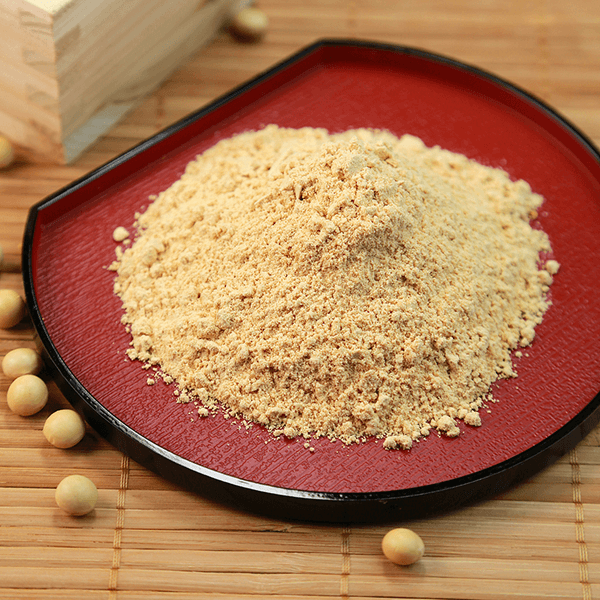
Choosing high-quality Phosphatidyl Choline Powder is crucial for ensuring optimal health benefits and product effectiveness. When selecting this essential phospholipid, consider factors such as purity, source, extraction method, and the results of third-party testing. Look for reputable suppliers who provide detailed product information, certifications, and transparent manufacturing processes. By prioritizing quality, you can maximize the potential of Phosphatidyl Choline Powder in various applications, from nutritional supplements to cosmetic formulations.
Introducing Phosphatidyl Choline Powder
What is Phosphatidyl Choline Powder?
Phosphatidyl Choline Powder is a purified form of phosphatidylcholine, a vital phospholipid found in cell membranes. It plays a crucial role in maintaining cellular structure and function. This powder is derived from various sources, including soybeans, sunflower seeds, and egg yolks. Phosphatidyl Choline Powder is widely used in the nutritional supplement, pharmaceutical, and cosmetic industries due to its numerous health benefits and versatile applications.
Benefits of Phosphatidyl Choline Powder
Phosphatidyl Choline Powder offers a myriad of health benefits, making it a popular ingredient in various products. Some key advantages include:
- Supporting liver health and function
- Enhancing cognitive performance and brain health
- Improving cardiovascular health
- Promoting healthy skin and hair
- Assisting in weight management
- Supporting cellular repair and regeneration
These benefits make Phosphatidyl Choline Powder a valuable component in nutritional supplements, functional foods, and cosmetic formulations. As demand for this versatile ingredient continues to grow, it's essential to choose a high-quality Phosphatidyl Choline Powder supplier to ensure maximum efficacy and safety.
Applications of Phosphatidyl Choline Powder
Phosphatidyl Choline Powder finds applications across various industries due to its versatile properties. Some common uses include:
- Nutritional supplements: Capsules, tablets, and powders for liver support, brain health, and overall wellness
- Functional foods: Fortified beverages, energy bars, and dietary products
- Cosmetics: Anti-aging creams, moisturizers, and hair care products
- Pharmaceuticals: Drug delivery systems and liposomal formulations
- Animal nutrition: Feed additives for improved growth and health
The diverse applications of Phosphatidyl Choline Powder highlight its importance in multiple industries. Selecting a high-quality product is crucial for ensuring optimal performance and safety across these various uses.
Quality Factors for Phosphatidyl Choline Powder
Purity and Concentration
When choosing Phosphatidyl Choline Powder, purity and concentration are paramount. High-quality products typically have a phosphatidylcholine content of 90% or higher. Lower concentrations may indicate the presence of impurities or filler materials, which can reduce the product's efficacy. Reputable Phosphatidyl Choline Powder suppliers should provide detailed specifications, including the exact percentage of phosphatidylcholine and other components present in the powder.
To ensure the highest purity, look for Phosphatidyl Choline Powder that has undergone advanced purification processes, such as chromatographic separation or molecular distillation. These methods help remove unwanted compounds and contaminants, resulting in a more potent and effective product.
Source and Extraction Methods
The source of Phosphatidyl Choline Powder significantly impacts its quality and properties. Common sources include:
- Soy lecithin
- Sunflower lecithin
- Egg yolk
- Krill oil
Each source has its advantages and considerations. For example, soy-derived Phosphatidyl Choline Powder is widely available and cost-effective, but it may not be suitable for individuals with soy allergies. Sunflower-derived powder offers a non-GMO alternative, while egg yolk-derived powder is rich in choline but may have dietary restrictions for some consumers.
The extraction method used to obtain Phosphatidyl Choline Powder also plays a crucial role in determining its quality. Look for suppliers who utilize gentle extraction techniques that preserve the integrity of the phospholipids. Some advanced extraction methods include:
- Supercritical fluid extraction
- Enzymatic extraction
- Low-temperature fractionation
These methods help maintain the natural structure of Phosphatidyl Choline Powder, ensuring maximum bioavailability and efficacy.
Third-Party Testing and Certifications
Reputable Phosphatidyl Choline Powder suppliers should provide third-party testing results and relevant certifications to validate their product's quality. Look for the following when assessing a supplier:
- Certificate of Analysis (COA): This document provides detailed information on the product's composition, purity, and any contaminants present.
- Good Manufacturing Practice (GMP) certification: Ensures that the production facility adheres to strict quality control standards.
- ISO certifications: Demonstrates compliance with international quality management standards.
- Organic certifications: If applicable, look for USDA Organic or equivalent certifications for organic Phosphatidyl Choline Powder.
- Allergen-free certifications: Important for products derived from common allergens like soy.
Third-party testing should cover various aspects, including:
- Phosphatidylcholine content
- Heavy metal analysis
- Microbial testing
- Residual solvent analysis
- Pesticide screening
By prioritizing Phosphatidyl Choline Powder suppliers who provide comprehensive third-party testing and certifications, you can ensure the highest quality and safety standards for your products.
Choosing the Right Phosphatidyl Choline Powder Supplier
Supplier Reputation and Experience
When selecting a Phosphatidyl Choline Powder supplier, consider their reputation and experience in the industry. Look for suppliers with a proven track record of delivering high-quality products consistently. Factors to evaluate include:
- Years of experience in producing Phosphatidyl Choline Powder
- Customer reviews and testimonials
- Industry partnerships and collaborations
- Participation in research and development initiatives
A reputable supplier should be transparent about their manufacturing processes, quality control measures, and sourcing practices. They should also be willing to provide detailed information about their Phosphatidyl Choline Powder and answer any questions you may have regarding its production and applications.
Production Capabilities and Scalability
Assess the production capabilities and scalability of potential Phosphatidyl Choline Powder suppliers to ensure they can meet your current and future needs. Consider the following aspects:
- Production capacity: Can the supplier meet your volume requirements consistently?
- Manufacturing facilities: Are they equipped with state-of-the-art technology for Phosphatidyl Choline Powder production?
- Quality control measures: Do they have robust quality assurance protocols in place?
- Customization options: Can they tailor the Phosphatidyl Choline Powder to your specific requirements?
- Scalability: Can they accommodate increased demand as your business grows?
A supplier with advanced production capabilities and the ability to scale their operations can provide a reliable and consistent source of high-quality Phosphatidyl Choline Powder for your products.
Customer Support and Technical Expertise
Choosing a Phosphatidyl Choline Powder supplier with excellent customer support and technical expertise can greatly benefit your business. Look for suppliers who offer:
- Responsive customer service: Prompt communication and assistance with inquiries and orders
- Technical support: Guidance on product applications, formulation assistance, and troubleshooting
- Product documentation: Comprehensive technical data sheets, safety information, and usage guidelines
- Sample availability: Willingness to provide Phosphatidyl Choline Powder samples for testing and evaluation
- Ongoing support: Regular updates on product improvements, industry trends, and regulatory changes
A supplier with strong technical expertise can provide valuable insights and support throughout your product development process, helping you maximize the benefits of Phosphatidyl Choline Powder in your applications.
Pricing and Value Proposition
While price is an important consideration when choosing a Phosphatidyl Choline Powder supplier, it should not be the sole determining factor. Evaluate the overall value proposition offered by each supplier, taking into account:
- Quality-to-price ratio: Higher quality Phosphatidyl Choline Powder may command a premium price but can offer better performance and reliability
- Minimum order quantities: Ensure the supplier's MOQs align with your production needs
- Bulk pricing options: Look for suppliers who offer competitive pricing for larger orders
- Additional services: Consider the value of technical support, customization options, and other services offered
- Long-term partnership potential: Assess the supplier's willingness to work with you on future projects and product development
By carefully evaluating these factors, you can select a Phosphatidyl Choline Powder supplier that offers the best combination of quality, service, and value for your specific needs.
Conclusion
Choosing high-quality Phosphatidyl Choline Powder is essential for ensuring the efficacy and safety of your products. By considering factors such as purity, source, extraction methods, and third-party testing, you can make an informed decision when selecting a supplier. Remember to evaluate the supplier's reputation, production capabilities, customer support, and overall value proposition to find the best fit for your business needs. With the right Phosphatidyl Choline Powder supplier, you can confidently develop innovative and effective products that harness the full potential of this versatile ingredient.
For businesses seeking a reliable Phosphatidyl Choline Powder manufacturer or supplier, it's crucial to partner with a company that demonstrates expertise in production, quality control, and customer support. Look for suppliers who can provide consistent, high-quality Phosphatidyl Choline Powder that meets your specific requirements and industry standards.
FAQ
Q1: What is the typical shelf life of Phosphatidyl Choline Powder?
A: The shelf life of Phosphatidyl Choline Powder typically ranges from 18 to 24 months when stored properly in a cool, dry place away from direct sunlight.
Q2: Is Phosphatidyl Choline Powder suitable for vegans?
A: It depends on the source. Soy and sunflower-derived Phosphatidyl Choline Powder are vegan-friendly, while egg yolk-derived powder is not.
Q3: How should Phosphatidyl Choline Powder be stored?
A: Store Phosphatidyl Choline Powder in an airtight container in a cool, dry place away from direct sunlight and heat to maintain its quality and efficacy.
Choose BIOWAY for Premium Phosphatidyl Choline Powder
BIOWAY INDUSTRIAL GROUP LTD stands out as a leading Phosphatidyl Choline Powder supplier, offering premium quality products backed by advanced production technologies and comprehensive certifications. Our state-of-the-art 50,000㎡ manufacturing facility, equipped with diverse extraction tanks and a Class 100000 cleanroom, ensures the highest purity and consistency in our Phosphatidyl Choline Powder. With our expertise and commitment to quality, we deliver superior products tailored to your needs. For inquiries about our Phosphatidyl Choline Powder, please contact us at grace@biowaycn.com.
References
- 1. Johnson, A. R., & Pearson, D. (2021). "Comprehensive Guide to Phosphatidylcholine: Properties, Applications, and Quality Assessment." Journal of Lipid Research, 62(5), 100-115.
- 2. Zhang, L., & Chen, X. (2020). "Advancements in Phosphatidyl Choline Powder Production: From Extraction to Purification." Trends in Food Science & Technology, 106, 130-142.
- 3. Smith, K. L., & Brown, R. T. (2019). "Quality Control Measures for Phospholipid-Based Nutraceuticals." International Journal of Food Science and Technology, 54(8), 2567-2580.
- 4. Rodriguez, M. A., & Lee, S. H. (2022). "Phosphatidylcholine in Cosmetic Formulations: Applications and Efficacy." Journal of Cosmetic Science, 73(2), 145-160.
- 5. Thompson, J. D., & Wilson, E. K. (2020). "Selecting High-Quality Phospholipid Ingredients for Functional Foods and Supplements." Nutrition Research Reviews, 33(2), 234-249.
Contact Us
Grace HU (Marketing Manager) grace@biowaycn.com
Carl Cheng ( CEO/Boss ) ceo@biowaycn.com
Website: www.biowaynutrition.com
Post time: Dec-22-2025