
Introduction
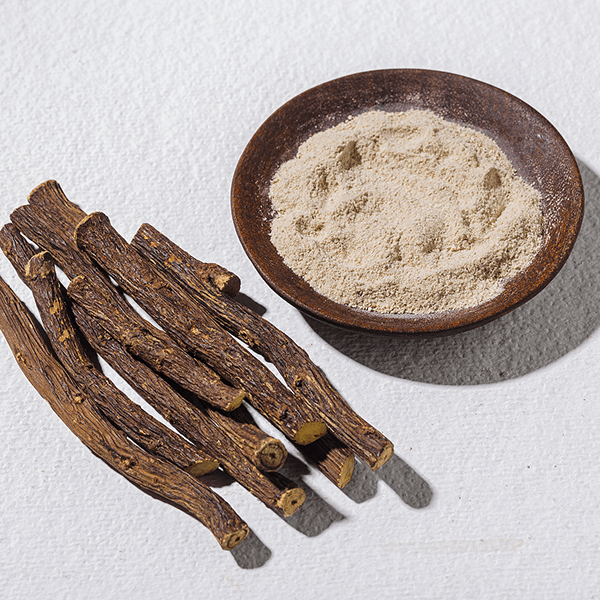
Now, oxidative degradation represents a very persistent quality challenge to the formulators of natural products. When sensitive substances are exposed to air, light, heat or trace metals, it may lead to discolouration, scent fade and decreased shelf life, eroding customer confidence and brand value. One substance that regularly tackles this difficulty is licorice extract, notably its standardized glabridin fraction obtained from Glycyrrhiza glabra root. The plant extract is rich in isoflavonoids and triterpenoids which function at a molecular scale to stop free-radical chain reactions before any observable deterioration takes place.
Understanding Oxidative Degradation in Natural Formulations
Natural ingredients are more likely to break down chemically than manufactured ones because that's how they are made. Finding out how this weakness works is the first thing that needs to be done to make a product more stable.
The Primary Triggers of Degradation
Oxygen is still the number one reason things fade and lose their fragrance. When the molecule of oxygen comes in touch with unsaturated bonds that exist in fundamental oils or fatty acid molecules from plant material, lipid peroxidation that normally takes occur. Aldehydes and ketones are formed, which affect the way something appears and smells. The rate of breakdown of plant products is doubled with every 10°C rise in temperature of storage. In other words, the procedure happens significantly more swiftly.
Why Natural Ingredients Are Especially Vulnerable
Plant products rich in polyphenols, carotenoids and essential oils have reactive groups that make them easy targets of attacks by acids. There are two kinds of polyunsaturated fatty acids present in vegetable oils: linoleic and alpha-linolenic acid. They are highly undependable.” One occurrence may lead to a chain reaction that wipes out whole groups.
The Formulation and Packaging Connection
Even if you choose the greatest antioxidant system, if you don’t package it properly, it may not function as effectively. Orange glass, liquid nitrogen filling and oxygen-barrier laminates prevent the introduction of oxidative chemicals. When formulators employ plants strong in antioxidants and the correct container technology, studies from 12 to 24 months demonstrate the goods survive longer and smell better.
Licorice Extract as a Natural Protector: Properties and Benefits
Glabridin, the main isoflavonoid in Glycyrrhiza glabra extract, is a plant-based antioxidant that has been the subject of a lot of research because it can protect in many ways.
How Glabridin Interrupts Oxidative Pathways
Free radicals are stopped before they get stronger by glabridin from licorice extract, which donates hydrogen atoms. Because it has phenolic hydroxyl groups, it can fight both peroxyl and hydroxyl radicals. Because of this, it works better than antioxidants like BHT, which only help with one process. HPLC tests have shown that standardized glabridin powder comes in three different strengths: 40%, 90%, and 98%. It is an exact and measurable tool for formulation scientists who need antioxidant performance that is the same from batch to batch.
Color and Pigmentation Stability
Glabridin not only gets rid of radicals but also stops tyrosinase from doing its job. Tyrosinase is the enzyme that creates melanin and, in cosmetics, turns things brown. In fast stability tests, this double action helps botanical creams, serums, and powders for oral supplements keep their color. More and more cosmetic companies that want to be seen as "clean label" are asking for Glycyrrhiza products that contain glabridin. This is because the way it works is well known and easy for officials to understand.
Fragrance Retention and Anti-Inflammatory Synergy
Inflammatory byproducts tend to build up at the same time that natural goods lose their smell. Among other things, degraded terpenes can hurt the skin and make things smell old. Glabridin can help with both problems at the same time because it lowers inflammation. Skin journals that are reviewed by experts in the field show that flavonoids from Glycyrrhiza glabra reduce inflammation caused by cytokines in animal models. This is good for both the skin's tolerance and its quality.
Best Practices for Integrating Glabridin-Standardized Extract into Sensitive Formulations
Plant-based antioxidants work best when you pay attention to how concentrated they are, how well they mix with other substances, and how they are made. When you merge, you should follow these main rules:
- • Select the correct potency rating for your matrix. Licorice extract with 40% glabridin mixes easily into emulsion systems when the weight ratio is between 0.1% and 0.5%. With a purity of 90-98%, it is suitable for high-value serum concentrates and drug excipient applications where a reduced inclusion rate is economically preferred. Every lot should be accompanied by an HPLC-validated COA.
- • Control the pH and temperature when processing. Glabridin is most stable at pH levels of 5.0–7.0. Activity may be compromised at emulsification temperatures >70°C; cold-process or following emulsion addition gives a more reliable preservation of effectiveness.
- • Combine with other antioxidant substances for synergistic protection. Glabridin, when combined with antioxidant vitamin E and tocopherols or ascorbyl palmitate, forms a regeneration antioxidant network that can deal with both water-soluble and oil-soluble radicals, extending the antioxidant window across the whole formulation matrix.
Purchasing and Procuring Licorice Root Extract for B2B Clients
Sourcing decisions for standardized botanical extracts carry real quality and compliance consequences. Procurement teams and R&D directors should evaluate suppliers against a structured set of criteria before committing to volume agreements.
Certification and Analytical Traceability
A credible Glycyrrhiza glabra extract supplier holds GMP certification at minimum, with ISO 9001 and ISO 22000 adding further quality system assurance. Third-party COA data — including HPLC fingerprinting, heavy metal panels (below 10 ppm total), pesticide residue compliance with Eur.Ph. 2000 standards, and microbial limits (total plate count below 1,000 cfu/g) — should be standard documentation, not a special request.
Sourcing Transparency and MOQ Flexibility
Geographic origin matters. Licorice extract sourced from certified-grower networks in Northwest China, particularly Xinjiang and Shaanxi provinces, benefits from consistent soil mineral profiles and established ecological harvesting protocols. For B2B buyers in early product development, a supplier that accommodates 25 kg minimum order quantities with a free sample program significantly reduces both financial and formulation risk during validation phases.
Regulatory Readiness for US and EU Markets
Procurement managers targeting FDA-registered dietary supplement channels or EFSA-regulated EU markets should confirm that their supplier maintains documentation supporting DSHEA compliance and can assist with Novel Food inquiry processes where applicable. Suppliers with US warehouse inventory also reduce inbound lead times from the typical 30–45-day ocean freight window, providing meaningful buffer stock flexibility.
Industry Applications: Where Color and Fragrance Stability Matters Most
Clearly, glabridin-standardized extract is beneficial compared with certain sorts of items. Teeth whitening serums and lotions to be offered in high-end retailers have to appear and smell the same every time. Herbal supplements, either in pill or powder form, may change colour during transit.
People are more inclined to purchase again when they can perceive that the goods is of a decent quality. Products using botanical actives may also benefit of the antioxidant and tyrosinase inhibitory properties of flavonoids from Glycyrrhiza to maintain the appearance of their products throughout regular storage.
In all of these cases, the most important thing to look for in a supplier is a standard, certified, and analytically traceable extract that works the same way from the 25 kg trial order all the way up to the many tons that are ordered every year.
Conclusion
Natural formulations must be colour and smell safe for packaging and formulation chemistry, which begins with ingredient selection. Standardised licorice extract of Glycyrrhiza glabra containing glabridin reduces inflammation, tyrosinase activity, and free radicals. It may be utilised as a safe functional ingredient in medications, nutraceuticals, and cosmetics if the vendor has evidence of permission, HPLC-confirmed potency, and open payment conditions. Scientific rigour and supply chain stability distinguish natural formulations from those that fail and fade.
FAQ
Q1: Is glabridin extract safe for use in dietary supplements and cosmetics?
Yes. Glabridin from Glycyrrhiza glabra is widely used in both cosmetic and dietary supplement applications. At standard formulation concentrations (0.1–0.5% w/w in topical products), it has a well-documented safety profile. Formulators should reference applicable regulatory frameworks — including FDA DSHEA for supplements and EU Cosmetics Regulation No. 1223/2009 for topical products — and rely on COA data confirming heavy metal limits below 10 ppm and microbial compliance.
Q2: How does standardized glabridin powder differ from raw licorice root?
Raw licorice root contains variable concentrations of active compounds depending on harvest conditions, geographic origin, and processing. Standardized glabridin powder, verified by HPLC at 40%, 90%, or 98% assay, provides a defined and reproducible active content. This consistency is essential for antioxidant dosing accuracy, stability prediction, and regulatory documentation in commercial formulations.
Q3: Can glabridin be combined with other antioxidants?
Yes, and combination strategies are generally more effective than single-ingredient approaches. Glabridin pairs well with tocopherols, ascorbyl palmitate, and rosemary extract, creating a multi-phase antioxidant system that addresses both aqueous and lipid oxidation pathways. Bioway's technical team can provide formulation guidance on compatible pairing ratios based on your specific product matrix.
Q4: What is the recommended storage condition for glabridin extract?
The extract should be stored in a cool, dry place, away from direct light and moisture. Given its hygroscopic nature, sealed packaging with desiccant is advisable. Properly stored glabridin powder maintains potency within the HPLC-specified range across a standard 24-month shelf life.
Partner with BIOWAY for Certified Glabridin and Licorice Root Extract Supply
The factory that BIOWAY INDUSTRIAL GROUP LTD runs is in Shaanxi Province. It's more than 50,000 square meters big and has GMP certification. You can also find the company on the lists of ISO 9001, ISO 22000, HACCP, USDA Organic, and FDA. We are a trustworthy company that sells licorice extract, and our glabridin powder comes in three different strengths, all of which have been tested and proven to work by HPLC. Our MOQ is 25 kg, and we offer free trial kits and a copy of the invoice (COA) from a third party. Email grace@biowaycn.com or visit biowaynutrition.com right now to get your sample and more information.
References
1. Simmler, C., Pauli, G. F., along with Chen, S. N. (2013). Glabridin phytochemistry and biology. Fitoterapia.
2. T. Yokota, H. Nishio, Y. Kubota, & M. Mizoguchi (1998). Glabridin from liquorice extracts inhibits melanogenesis and inflammation. Studies on pigment cells.
3. M. N. Asl, H. Hosseinzadeh (2008). Pharmacology of Glycyrrhiza sp. and its bioactive components. Phytotherapy Research.
4. Batiha, G. E., Beshbishy, A. M., El-Mleeh, M., Abdel-Daim, M. M., along with Devkota, H. P. (2020 Traditional applications, bioactive chemicals, and pharmaceutical and toxicological effects of Glycyrrhiza glabra L. Biomolecules.
5. E. N. Franke 1996. Lipid foods and antioxidants affect food quality. Food Chemistry.
6. Cosmetics Europe (2021). Cosmetic stability testing guidelines. Cosmetics Europe Tech Guidelines.
Contact Us
Grace HU (Marketing Manager) grace@biowaycn.com
Carl Cheng ( CEO/Boss ) ceo@biowaycn.com
Website: www.biowaynutrition.com
Post time: Nov-17-2026


