
Introduction
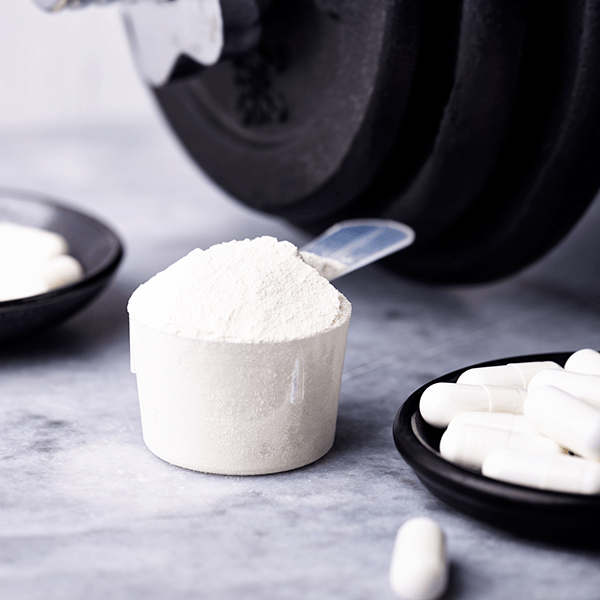
BCAAs (leucine, isoleucine, and valine) serve as the basis for muscle protein synthesis and energy metabolism. The nutrients in problem cannot be produced by the organism, and thus supplementation is required for peak athletic performance, muscle repair, and recovery. Understanding supplementary BCAA science enables procurement professionals and manufacturers to choose high-quality nutritional sources for sustainable meals, sports food, and medical supplements.
Understanding BCAAs: Fundamentals and Benefits
The Chemical Structure and Physiological Roles of Essential Amino Acids
The term "branched-chain amino acids" comes from their branched carbon chains. Leucine (46-54%), leucine (22-27%), including valine (22-27%), work together to improve muscle protein synthesis, energy production, and metabolic regulation. Unlike additional amino acids, BCAAs are absorbed directly in muscle tissue, fuelling working muscles during exercise and energy needs.
The physiological value of these protein residues extends beyond muscle development. The strong pharmacological signal leucine stimulates the mTOR pathway, which initiates muscle protein synthesis. Isoleucine assists muscle cells in absorbing and using glucose, whilst valine generates energy and regulates nitrogen. Because of this complementary relationship, BCAA supplements often include more leucine than isoleucine or valine.
Muscle Growth and Performance Enhancement Benefits
According to the research, BCAA supplementation promotes muscle development, training performance, and recovery. Resistance training and continual exercise produce tiny muscle damage, which promotes protein synthesis. Leucine supplementation stimulates the production of protein enzymes in muscles, which promotes endogenous repair and improves muscular development and strength.
Multiple mechanisms improve workout performance. BCAAs offer an alternative fuel source for muscle glycogen stores during prolonged activity, therefore delaying fatigue and sustaining intensity. BCAA supplement users report reduced perceived effort during exercise and higher endurance compared to placebo users. Fitness enthusiasts, competitors, and those with physically demanding jobs all benefit from these performance advantages.
Addressing Safety Concerns and Common Misconceptions
Misinformation about BCAA supplements is a common source of concern for potential customers and procurement professionals. When taken in appropriate dosages, research has consistently refuted claims that BCAA consumption causes hair loss, kidney impairment, or other health problems. Hundreds of studies have shown that branch-chain protein supplements are safe for the elderly, athletes, and others with specific health issues.
Reputable firms' quality assurance techniques improve safety. Heavy metals, chemicals, and microbiological contaminants are all thoroughly examined in ISO 22000, HACCP, and cGMP goods. B2B buyers may be certain that the BCAA ingredients meet food and supplemental safety regulations with these certifications.
How to Effectively Use BCAAs for Optimal Results?
Evidence-Based Dosage and Timing Protocols
Understanding the appropriate dose and ingestion time related to exercise and nutrition is key to BCAA supplement performance. Researchers recommend 10-15 grams of BCAA per meal, with leucine making up the majority since it stimulates muscle protein synthesis. This yields 5-7 carbs of leucine, along with 2.5-3.5 grams of isoleucine plus 2.5-3.5 milligrams of leucine per serving.
The efficacy of supplements is determined by their timing. Pre-workout nutrition, often consumed 15-30 minutes before exercise, boosts blood levels of proteins during protein from muscles breakdown. Intra-workout supplementation guarantees amino acid availability throughout extended exercises, whilst post-workout supplements aid in muscle repair and recuperation. Some athletes use amino acids while fasting to preserve muscle mass or metabolic flexibility.
Product Forms and Consumption Methods
BCAA supplements are available in a variety of forms, each with unique advantages for particular applications and tastes. Because of their dose and mixing flexibility, manufacturers may customize powder mixes with minerals and vitamins, and natural flavorings. Across drinking applications, the bulk density that ranges from 0.20 to 0.60 g/ml ensures easy dissolution and consistent mixing.
Though easy and precise, capsules may need more to achieve acceptable serving sizes due to space limits. Liquid concentrates have high absorption and efficiency but low stability or shelf life. B2B procurement teams must examine these factors when selecting forms for the intended markets and manufacturing capabilities.
Synergistic Combinations with Other Nutritional Supplements
Strategically mixing BCAAs with complementary drugs may increase effectiveness and market appeal. Whey protein and BCAA combinations offer complete amino acid profiles with rapid absorption. BCAA and creatine improve energy while also increasing muscle protein synthesis.
Electrolyte enhancement is another effective combination strategy for sports nutrition. BCAA formulations with salt, sodium, and magnesium improve hydration and muscle performance during extended exercises. These combinations appeal to fitness fans and summertime trainers who are in need of electrolyte refreshment to perform.
Procurement Insights: Choosing and Buying BCAA Supplements for B2B Needs
Evaluating Supplier Quality and Manufacturing Standards
To be successful in B2B procurement, suppliers must be evaluated based on output, quality, and regulatory compliance. ISO22000, HACCP, FDA licensing, and USDA or EU organic certifications demonstrate top BCAA manufacturers' commitment to quality. These qualifications demonstrate strong quality management and compliance with international food safety requirements.
The production capacity is another significant consideration. For large-volume purchases, providers with an annual production capacity of 10,000 tons are scalable and dependable. Solvent extraction, enzymatic hydrolysis, and nano-encapsulation enable companies to develop specialized BCAA formulations for food, dietary supplements, and cosmetic uses.
Strategic Bulk Purchasing and Cost Management
Effective cost management allows B2B buyers to optimize procurement expenditure while maintaining quality. Established brands with well-known demand patterns prefer lengthy supply contracts because volume-based pricing strategies provide significant savings for larger order quantities. Organizations may receive cheaper pricing and continue to have access to BCAA by predicting seasonal demand fluctuations and arranging procurement strategies.
Beyond unit price, supply chain efficiency includes transportation, inventory management, while employed capital optimization. Suppliers with variable MOQs benefit smaller businesses and innovative product development. Warehouses, especially dedicated storage in important markets, cut transport expenses and delivery times and improve supply chain dependability.
Value-Added Services and Customization Capabilities
Modern BCAA vendors provide more than simply ingredients. B2B customers may manufacture successful products more quickly by receiving formulation guidance, stability testing, and regulatory support. These services aid startups and companies that are entering new industries.
Brands may differentiate themselves in competitive markets by modifying product qualities. Manufacturers may personalize items to specific uses and client preferences by applying bespoke ratio formulations, particle size modifications, and coating technologies. Flexible packaging, including box sizes and labeling, enables a variety of distribution & market positioning strategies.
Understanding BCAA Variants and Market Differentiators
Natural Versus Synthetic Sourcing Methods
BCAA ingredient source and manufacturing affect product positioning, customer perception, and market acceptability. Traditional synthetic manufacture uses chemical synthesis procedures for consistent quality and low prices; natural ingredient buyers may not like it. BCAAs produced by fermentation using non-GMO microorganisms are high-purity and natural products labeled.
Plant-based BCAA production is on the rise as customers want vegan and environmentally friendly goods. Plant-based protein hydrolysis or fermentation produces vegetarian and vegan protein profiles in these commodities. Organic certification compels suppliers to adhere to organic production norms across their supply networks, which adds another layer of differentiation.
Specialized Formulations and Innovation Trends
Market differentiation is achieved via the deployment of innovative formulation processes that fulfill consumer and application needs. Male and female athletes have varying amino acid intake and recovery rates; thus, gender-specific formulations are employed. These products usually include calcium, iron, and or vitamin blends to address population nutritional deficiencies.
Enhanced bioavailability is another innovation target. Manufacturers use liposome encapsulation, nano-particle technology, and absorption enhancers to boost amino acid intake and usage. These technologies are expensive but provide performance benefits for dedicated athletes and health-conscious customers willing to spend more.
Sustainability and Environmental Considerations
As organizations meet customer expectations & corporate responsibility objectives, environmental sustainability drives B2B buying choices. BCAA suppliers that use renewable energy, sustainable production, and waste minimization provide environmentally conscientious firms an edge. Local sourcing and effective shipping reduce carbon footprint and logistical expenses.
Packaging sustainability concerns include recyclable containers, lower materials for packaging, and biodegradable solutions that are environmentally friendly. Some companies provide bulk packaging options that decrease waste creation and per-unit packaging costs in high-volume applications.
Ensuring Quality and Making Informed Decisions in BCAA Procurement
Essential Quality Metrics and Testing Requirements
BCAA buying techniques are based on stringent quality assurance systems. Recognized analytical methodologies are used to verify the product's amino acid and ratio claims. Before a product is sold, independent external laboratory testing certifies its quality and detects contamination issues.
Microbiological testing must address pathogen contamination or shelf-life stability under different storage circumstances. Heavy metal analysis is crucial for daily-use components because regulatory agencies in target countries set restrictions. Organic certification and food safety are ensured by pesticide residue testing.
Long-Term Supplier Relationship Management
Strategic collaborations with reputable BCAA suppliers improve supply security, pricing, and technical support, providing businesses with an advantage. Clear communication, regular performance evaluations, and working together to solve problems are all necessary for relationship management. Joint creation of goods may result in unique formulae that distinguish organizations in competitive markets.
Risk management should handle supply interruptions, quality difficulties, and regulatory changes that might affect product availability or compliance. Dual sourcing keeps primary suppliers competitive while providing backup supply choices. Supplier audits ensure quality compliance and suggest areas for improvement.
Conclusion
BCAA supplementation offers B2B buyers a tremendous opportunity to create effective sports wellness and nutrition solutions. Understanding the underlying research, acceptable usage practices, and quality enables informed purchasing decisions that balance effectiveness, safety, and cost. High-quality BCAA components are beneficial in contemporary supplement formulations because of their known benefits, multiple application alternatives, and growing market demand. Successful procurement strategies emphasize supplier connections, quality assurance, and novel formulations to obtain a competitive edge in shifting markets.
FAQ
Q1: What is the optimal BCAA ratio for muscle-building applications?
Research indicates that leucine-dominant ratios, including 2:1:1 or 4:1:1 (which is to say, leucine: isoleucine), enhance muscle protein synthesis. For comprehensive muscle backing, 46-54% leucine offers adequate anabolic signaling while balancing amino acid profiles.
Q2: How do BCAA supplements differ from complete protein sources?
BCAAs offer specific amino acids without requiring extra calories than other protein components. This concentrated strategy provides benefits for those who want to manage their calorie intake while still preserving muscle mass during weight reduction or fasting periods.
Q3: What certifications should B2B buyers prioritize when selecting BCAA suppliers?
ISO22000, the HACCP food safety system, the cGMP, and USDA/EU organic registration are required. Non-GMO, Halal, and Kosher certifications improve market access and consumer acceptance across all demographics.
Q4: Are there safety concerns associated with long-term BCAA supplementation?
Extensive studies have shown favorable safety features for BCAA ingestion within acceptable dose limits. No reliable scientific data support assertions that appropriate BCAA supplementation causes negative health consequences in healthy people.
Partner with BIOWAY for Premium BCAA Supply Solutions
BIOWAY Industrial, the company, your BCAA supplier, provides innovative manufacturing and superior quality. Our 50,000+ square feet factory produces premium branching-chain amino acid extracts to the highest standards in the sector, as certified by ISO22000, FSA Organic, and cGMP. We provide scalable solutions for businesses of all sizes, with over 10,000 tons of annual production capacity and customisable MOQ options. With over fifteen years of industry expertise, our R&D team provides quality and distinctive formulation assistance. Email grace@biowaycn.com to discover how our high-quality BCAA components may help boost your goods and market position.
References
1. Shimomura, Y., et al. "Exercise promotes BCAA catabolism: effects of BCAA supplementation on skeletal muscle during exercise." Journal of Nutrition Science, vol. 134, 2004, pp. 1583S-1587S.
2. Negro, M. et al. "Branched-chain amino acid supplementation does not enhance athletic performance but affects muscle recovery and the immune system." Sports Medicine, vol. 38, 2008, pp. 365-377.
3. Matsumoto, K. "Branched-chain amino acids and muscle protein synthesis in humans: myth or reality?" Journal of the International Society of Sports Nutrition, vol. 14, 2017, pp. 1-8.
4. Fouillet, H., et al. "Peripheral and splanchnic metabolism of amino acids in human beings." Current Opinion in Clinical Nutrition and Metabolic Care, vol. 5, 2002, pp. 49-57.
5. Layman, D.K. "The role of leucine in weight loss diets and glucose homeostasis." Journal of Nutrition, vol. 133, 2003, pp. 261S-267S.
6. Jackman, S.R. et al. "Branched-chain amino acid ingestion stimulates muscle myofibrillar protein synthesis following resistance exercise in humans." Frontiers in Physiology, vol. 8, 2017, pp. 390-402.
Contact Us
Grace HU (Marketing Manager) grace@biowaycn.com
Carl Cheng ( CEO/Boss ) ceo@biowaycn.com
Website: www.biowaynutrition.com
Post time: Mar-11-2026