
Introduction
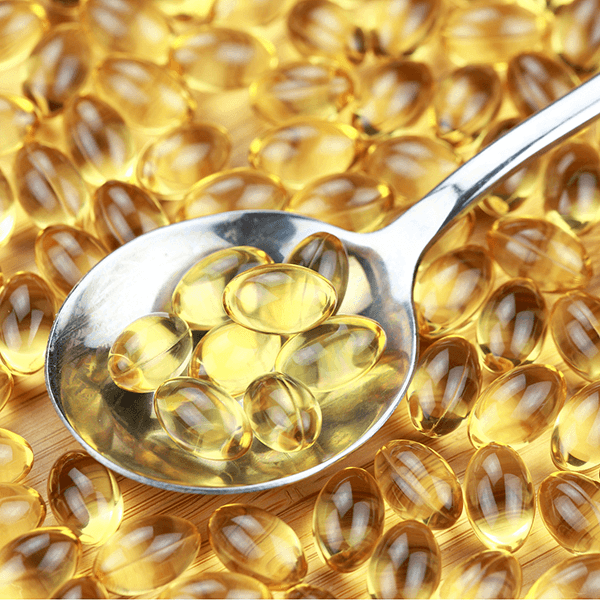
When sourcing omega-3 ingredients for functional foods, nutraceuticals, or cosmetic formulations, the choice between algal-derived and marine-derived DHA impacts not just product positioning but also supply chain sustainability, regulatory compliance, and consumer acceptance. DHA Algal Oil Powder, extracted from microalgae through controlled fermentation and advanced microencapsulation, offers a plant-based, oxidatively stable alternative to traditional fish oil DHA.
While both deliver essential docosahexaenoic acid, their sourcing, purity profiles, and formulation compatibility differ substantially, making this comparison critical for procurement managers evaluating long-term ingredient strategies. The global shift toward clean-label, allergen-free, and environmentally responsible ingredients has accelerated interest in algal DHA. At the same time, fish oil remains a cost-competitive, established option with decades of clinical validation. Understanding these differences allows B2B buyers to align ingredient selection with brand values, regulatory requirements, and target consumer demographics.
Understanding DHA Algal Oil Powder and Fish Oil DHA
What Is DHA Algal Oil Powder?
DHA Algal Oil Powder is derived from heterotrophic microalgae, mostly Schizochytrium species, that are grown in controlled fermentation systems. The oil is taken out, winterized to get rid of waxes that make it less stable, and then spray-dried to make tiny capsules out of it. This method embeds very small oil droplets in a protein or carbohydrate framework, like modified starch or sodium caseinate. This makes a powder that is free to flow and dissolves in water.
Winterization makes it easier to store and handle because it keeps the oil from solidifying at lower temperatures, which can happen with raw algal oil. BIOWAY's Winterized DHA Algal Oil is one example of a product that has at least 40% DHA content, 0.05% moisture, 25.0 meq/kg total oxidation, and 0.8 mg KOH/g acid. The microencapsulation protects the omega-3 fatty acids from air, light, and heat. This keeps the food fresh longer and hides bad smells, making it perfect for dry-blended baby food, protein bars, and drink powders.
What Is Fish Oil DHA?
Fish oil DHA comes from oily fish in the ocean, like mackerel, anchovies, and sardines. To get more DHA out of the crude oil, it is refined, molecularly distilled, and sometimes re-esterified into triglyceride (rTG) or ethyl ester (EE) forms. Like algal oil, fish oil comes in the form of a liquid that is enclosed in softgels or as a powder that is made by spray-drying.
Fish oil has been the main source of omega-3s for decades, and a lot of clinical study has shown that it is good for your heart, brain, and inflammation. However, the fact that it comes from the sea means that the levels of contaminants can vary, it smells fishy, and some people may be allergic to it.
Nutritional Profile and Bioavailability
DHA is a long-chain polyunsaturated fatty acid that is found in both sources. It is important for brain growth, eye health, and controlling inflammation. Studies show that high-quality algal DHA and fish oil DHA are both bioavailable, especially when they are made in triglyceride form. It is found naturally in algae as triglycerides, which some research suggests may be easier for the body to absorb than ethyl ester fish oil. In practical formulations, these differences still don't have much of an effect on clinical outcomes.
B2B Applications Across Industries
Nutraceutical softgels, infant formula, maternal health supplements, and functional foods are all made with these two ingredients. Algal DHA powder works great in vegan-approved products, allergen-free recipes, and uses that need to mix with water, like ready-to-mix drinks or baked goods. On the other hand, fish oil is still very popular in standard supplement markets that focus on low prices and well-known brands. More and more cosmetics use algal DHA because it doesn't have a strong smell and doesn't go bad easily, which helps anti-aging and skin barrier formulations.
Core Differences Between DHA Algal Oil Powder and Fish Oil DHA
Sustainability and Environmental Impact
DHA Algal Oil Powder production doesn't rely on marine environments, so there are no worries about overfishing, bycatch, or habitat loss. Growing microalgae in bioreactors uses little space and freshwater and can use waste CO2, which is in line with the ideas of the circular economy. Brands that want to get B Corp certification, make carbon-neutral promises, or source in a way that is good for the environment and society will really like this traceability and renewable production.
To get fish oil, on the other hand, you need fish stocks that were caught in the wild or raised in farms. Even though fisheries management and certifications like the Marine Stewardship Council (MSC) have gotten better, supply chain transparency is still not always the same. Microplastics, heavy metal bioaccumulation, and habitat loss are still issues that make it hard to believe that omega-3s from the ocean are sustainable.
Purity and Safety Profiles
It is natural for algae to have DHA, which helps them avoid contaminants. Microalgae that are grown in controlled environments are not exposed to mercury, PCBs, dioxins, or persistent organic pollutants that are found in the ocean. ICP-MS tests for heavy metals and microbial testing always show lower risk levels. This is especially important for strictly regulated goods like baby formula and nutrition for mothers.
To meet safety standards, fish oil needs to be cleaned up a lot. Molecular distillation gets rid of contaminants well, but because batches vary, they need to be tested thoroughly by a third party. Suppliers you can trust will always provide Certificates of Analysis (COA), MSDS, and follow all FDA, EFSA, and Pharmacopoeia rules. Even though high-quality fish oil can be just as pure, the risk and difficulty of processing make algal sources more appealing.
Allergenicity and Dietary Compatibility
Algal DHA doesn't contain any allergens and isn't made from genetically modified organisms. It can be used in vegan, vegetarian, kosher, and halal goods. This flexibility lets brands reach both niche and mainstream markets at the same time, making SKUs easier to manage for brands with a wide range of customers. BIOWAY's Winterized DHA Algal Oil has organic licenses from the USDA and the EU, as well as Halal and Non-GMO certification. This makes it easier for regulators in North America, Europe, and the Asia-Pacific region to approve it.
People who are allergic to seafood should be careful around fish oil, but a true fish oil allergy is very rare. Most of the time, people who can't eat certain foods because of their religion, ethics, or lifestyle choices can't eat foods that come from fish. This limits their market reach.
Stability and Shelf Life Considerations
Powder forms of both DHA sources are more stable than liquid forms, so they are less likely to oxidize while being stored or shipped. The protective layer of microencapsulation helps algae-derived DHA powder keep its oxidation values below 25.0 meq/kg even when the temperature and humidity change slightly. This is very important for keeping the quality of dry mixes with multiple ingredients and cutting down on waste from rejections due to rancidity.
Fish oil powder is processed the same way, but it often has faster oxidation kinetics because it contains EPA and other polyunsaturated fatty acids that make it more likely for lipid peroxidation to happen. Mixes of antioxidants like mixed tocopherols, rosemary extract, and ascorbyl palmitate are often added, but they make the formula more complicated and cost more.
Comparative Nutritional and Health Benefits
DHA Concentration and Absorption Efficiency
High-concentration formulations, like BIOWAY's ≥40% DHA Algal Oil Powder, offer strong doses in smaller serving sizes. This makes it easier for people to take their pills and increases consistency. Studies on absorption show that triglyceride-form DHA, whether from algae or the ocean, is easily absorbed and added to plasma phospholipids and erythrocyte membranes, which are the biomarkers most closely linked to health outcomes.
Even though ethyl ester fish oil is easier to produce and less expensive, it is not as bioavailable unless consumed with high-fat foods. Manufacturers can fix this by changing the formulation, but it makes it harder for B2B buyers to build ready-to-eat goods.
Clinical Evidence on Cognitive and Eye Development
Brain and retinal function are supported by both types of DHA. Benefits have been shown in prenatal development, infant cognition, and age-related cognitive decline. In randomized controlled trials with pregnant women and babies, algae DHA has been shown to be as effective as fish oil. This supports its use in formula supplementation and maternal supplements.
New study shows that algal DHA may have special benefits because it doesn't contain EPA. This means that it can be used to supplement DHA without having the anti-inflammatory effects of EPA, which can be bad in some clinical situations. Pharmaceutical companies that are making single-nutrient fixes like this precision.
Safety and Dosage Recommendations
Both sources are generally thought to be safe (GRAS) by regulatory bodies like the FDA and EFSA as long as they are consumed within the recommended limits, which for adults are usually 200 to 1000 mg DHA per day. Minimum DHA amounts are required in infant formula, and algae sources are becoming more popular because they don't contain any contaminants. For GMP-grade providers that want to sell to the pharmaceutical and over-the-counter (OTC) markets, precise dosage and stability across batches are very important.
Procurement Considerations for B2B Buyers
Quality Benchmarks and Certifications
Teams in charge of buying things should ask for a lot of paperwork, like ISO22000, ISO9001, HACCP, GMP (cGMP for medicines), and organic licenses (USDA, EU). Getting Halal and Kosher certifications opens up more markets. Fatty acid profiles must be checked by a third-party lab using gas chromatography, heavy metal screening, microbial analysis, and oxidation stability testing.
BIOWAY's 100-hectare organic farm on the Qinghai-Tibet Plateau and 50,000+ square meter production facilities with a 1,200 square meter Class 10,000 cleanroom are all vertically integrated to make sure that products can be tracked and are always the same. This infrastructure enables the sale of pharmaceutical-grade materials and cosmetic raw materials, which is very important for brands that have strict quality control rules.
Supplier Evaluation and Brand Overview
DSM, Roquette, and new Asian companies with organic certifications are some of the biggest producers of DHA Algal Oil Powder. Epax, BASF, and Croda are some of the biggest names in marine omega-3 markets. When judging providers, look at their ability to produce, help with research and development, knowledge of regulations, and ability to handle operations. Beyond just giving low prices, suppliers who offer blending services, custom DHA: EPA ratios, and formulas made for specific uses are strategically valuable.
BIOWAY has been extracting botanicals for more than 15 years and has a variety of production lines, such as high-purity and cosmetic-grade extraction tanks, which allow them to make custom solutions for useful foods, dietary supplements, and beauty products. This adaptability works well for OEMs, private-label brands, and distributors who have a wide range of clients.
Pricing, MOQ, and Logistics
Due to the costs of fermentation and microencapsulation, algae-based DHA usually costs 15–30% more than fish oil. However, the total cost of ownership should take into account risk-adjusted factors such as how easy it is to follow regulations, how well customers accept the product, how many times it needs to be returned because it went bad, and how well the brand fits in with sustainability trends. The price of bulk goods goes down as more of them are bought. Minimum order quantities (MOQs) range from 50 kg for specialized uses to multi-ton contracts for formula manufacturers.
For transportation to work well, shipping must be controlled by temperature, packing must be nitrogen-flushed, and storage must include humidity management. BIOWAY's 3,000-square-meter warehouse in the US lets North American buyers get their orders faster and with shorter lead times. This keeps the supply chain from getting messed up, which can happen with trans-Pacific logistics.
International Regulatory Compliance
Different rules apply to dietary supplements in the EU (Novel Food Approvals) and China (GB Standards). These rules are set by the FDA's DSHEA framework. The GRAS status and organic approvals of algal DHA make it easier to get into the market. Documentation about marine sources, claims about sustainability, and allergy labels on fish oil are all getting more attention. Time-to-market is sped up, and compliance risk is lower when suppliers provide all necessary customs clearance paperwork, such as COA, MSDS, phytosanitary certificates, and Non-GMO affidavits.
Making the Right Choice: DHA Algal Oil Powder or Fish Oil DHA?
Aligning Product Attributes with Market Needs
DHA Algal Oil Powder positioning helps brands that want to reach vegan, allergy-sensitive, or environmentally aware customers. Products aimed at high-end fitness, maternal health, and children's health explain their higher prices with licenses and clean labels. Fish oil is still a good option for places where marine products are generally valued, where cost is an issue, or where traditional supplement channels are used.
Addressing Allergen Concerns and Dietary Preferences
Consumer polls show that there is a growing need for omega-3s that come from plants, especially among millennials and Gen Zers who care about the environment. More and more stores, like Whole Foods and Sprouts, sell vegan DHA, which helps brands stand out. On the other hand, well-known supplement brands with loyal customers may value fish oil's clinical history and low cost.
Long-Term Supply Chain Stability
Diversifying omega-3 sources lowers the risk of changes in fisheries, the effects of climate change on marine stocks, and political problems that affect the import and sale of goods. Controlled production of algal DHA ensures a steady supply, which is important for big producers that need consistency from batch to batch. Setting up strategies for both algal and marine sources balances cost, risk, and formulation flexibility.
Practical Recommendations for Procurement Teams
Ask for samples to be tested for taste, stability, and compatibility in final recipes under the conditions that will be used for keeping. Get the R&D teams of your suppliers to help you figure out the best doses, mask tastes better, and make sure you're following all the rules. Check how financially stable the provider is, how much they can produce, and how quickly they respond to technical questions. Before signing long-term contracts, try out small amounts and have claims checked by an independent lab.
Conclusion
When deciding between DHA Algal Oil Powder and fish oil DHA, you need to think about how to balance things like cost, market positioning, sustainability, and purity. Algal sources work great in uses that are allergen-free, vegan-certified, and low in contaminants, which fits with clean-label trends and ESG goals. Fish oil is cheaper than other supplements and has been clinically proven to work, so it can still be sold in traditional supplement markets.
For procurement to go well, suppliers must be carefully screened, their credentials checked, and their ideals must match those of the brand. B2B buyers can get reliable, high-quality DHA ingredients that meet legal standards and customer expectations in global markets that are always changing if they understand these core differences.
FAQ
Q1: Is DHA Algal Oil Powder safe for pregnant women and infants?
Yes, most people agree that DHA Algal Oil Powder is safe for mothers and babies to eat. Because it doesn't contain any contaminants, it's great for sensitive populations. Several regulatory bodies, such as the FDA and EFSA, support its use in infant formula, but there are specific DHA content requirements. Brands should make sure that suppliers give them a certificate of analysis (COA) that proves heavy metal, microbe, and pesticide testing meets strict safety standards for these groups.
Q2: How does the cost of algal DHA compare to fish oil in bulk orders?
Because of the prices of fermentation and microencapsulation, algal DHA usually costs 15 to 30 percent more. However, governmental ease, lower contamination risk, and customer choice prices should all be taken into account when figuring out the total cost. Price differences can be closed with volume savings and long-term contracts, especially as production scales and fermentation efficiency rise around the world.
Q3: What certifications should B2B buyers prioritize when sourcing DHA ingredients?
ISO22000, GMP, HACCP, and organic marks (USDA, EU) are all important certificates. Halal and Kosher certifications reach more people. Third-party purity testing, Non-GMO certification, and sustainability certifications like GRAS or MSC (for fish oil) make sure that rules are followed and brands are aligned. Supply chain risk can be reduced by asking for batch-specific COAs, MSDS, and tracking documents.
Partner with BIOWAY: Your Trusted DHA Algal Oil Powder Manufacturer
BIOWAY INDUSTRIAL GROUP LTD makes pharmaceutical-grade DHA Algal Oil Powder by integrating vertical integration, growing organically on 100 hectares of land in the Qinghai-Tibet Plateau, and using advanced manufacturing on 50,000 square meters or more. Our winterized DHA algal oil (≥40% DHA) is Non-GMO, meets ISO22000, Halal, and USDA/EU organic standards, and has been tested for oxidation stability (≤25.0 meq/kg) and purity.
We make it easier for food makers, supplement brands, and cosmetic companies to buy things by having flexible MOQs, technical formulation support, and a 3,000-square-meter warehouse in the U.S. Email our team at grace@biowaycn.com to get samples, talk about unique requirements, and look into low prices that fit your supply chain needs.
References
1. Arterburn, L.M., Hall, E.B., & Oken, H. (2006). "Distribution, interconversion, and dose response of n-3 fatty acids in humans." American Journal of Clinical Nutrition, 83(6), 1467S-1476S.
2. Ryckebosch, E., Muylaert, K., & Foubert, I. (2012). "Optimization of an analytical procedure for extraction of lipids from microalgae." Journal of the American Oil Chemists' Society, 89(2), 189-198.
3. Delaney, B., Carlson, S.E., & Zheng, T. (2017). "Evaluation of the dietary exposure and safety of algal oil from Schizochytrium sp." Food and Chemical Toxicology, 109(Part 1), 162-171.
4. Swanson, D., Block, R., & Mousa, S.A. (2012). "Omega-3 fatty acids EPA and DHA: health benefits throughout life." Advances in Nutrition, 3(1), 1-7.
5. European Food Safety Authority. (2010). "Scientific Opinion on Dietary Reference Values for fats, including saturated fatty acids, polyunsaturated fatty acids, monounsaturated fatty acids, trans fatty acids, and cholesterol." EFSA Journal, 8(3), 1461.
6. Whelan, J., & Rust, C. (2006). "Innovative dietary sources of n-3 fatty acids." Annual Review of Nutrition, 26, 75-103.
Contact Us
Grace HU (Marketing Manager) grace@biowaycn.com
Carl Cheng ( CEO/Boss ) ceo@biowaycn.com
Website: www.biowaynutrition.com
Post time: Sep-03-2026


