
Introduction
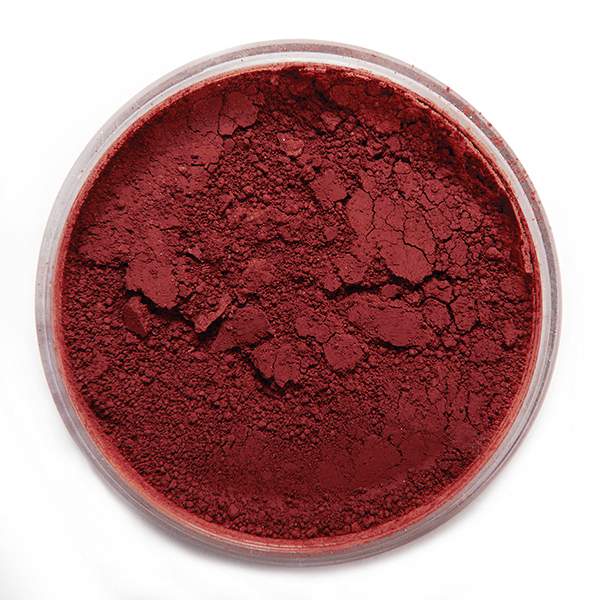
Pyrroloquinoline quinone (PQQ) is a powerful antioxidant and redox cofactor that has gained significant attention in the health and wellness community. This naturally occurring compound plays a crucial role in cellular energy production and offers numerous potential health benefits. From supporting cognitive function to promoting cardiovascular health, PQQ has emerged as a promising supplement for those seeking to optimize their overall well-being. In this comprehensive guide, we'll explore the science behind PQQ, its potential applications, and why it's becoming an increasingly popular choice among health-conscious individuals.
Understanding PQQ: Structure, Properties, and Natural Sources
Chemical Structure and Properties of PQQ
Pyrroloquinoline quinone, also known as PQQ, is a unique molecular compound with the chemical formula C14H6N2O8. This red or reddish-brown powder has a molecular weight of 330.206 and is characterized by its high chromatographic purity of ≥99.0% when analyzed using High-Performance Liquid Chromatography (HPLC). The structure of PQQ consists of a quinone ring fused with a pyrrole ring, which contributes to its powerful antioxidant properties.
Natural Occurrence and Dietary Sources
While the human body doesn't produce Pyrroloquinoline quinone naturally, it can be found in various food sources. Some of the richest dietary sources of PQQ include:
- • Fermented soybeans (natto)
- • Green tea
- • Spinach
- • Kiwi fruit
- • Parsley
- • Green peppers
- • Papaya
Although these foods contain PQQ, the concentrations are relatively low, which is why many individuals opt for PQQ supplements to ensure they're getting an adequate amount of this beneficial compound.
Discovery and Historical Background
Pyrroloquinoline quinone was first discovered in 1964 by J.G. Hauge as a cofactor in certain bacterial dehydrogenases. However, it wasn't until the late 1970s that its potential importance in human health began to emerge. Since then, numerous studies have been conducted to explore the various biological functions and potential health benefits of PQQ, leading to its growing popularity as a dietary supplement.
The Health Benefits and Applications of PQQ
Cognitive Function and Neuroprotection
One of the most promising areas of research regarding Pyrroloquinoline quinone is its potential impact on cognitive function and neuroprotection. Studies have shown that PQQ may help:
- • Enhance memory and learning abilities
- • Protect against neurodegenerative diseases such as Alzheimer's and Parkinson's
- • Promote the growth of new brain cells (neurogenesis)
- • Improve overall brain health and function
These cognitive benefits are attributed to PQQ's ability to support mitochondrial function and reduce oxidative stress in the brain.
Cardiovascular Health
Pyrroloquinoline quinone has demonstrated potential in supporting cardiovascular health through various mechanisms:
- • Reducing inflammation and oxidative stress in blood vessels
- • Improving lipid profiles by lowering LDL cholesterol and triglycerides
- • Enhancing the function of the endothelium, the inner lining of blood vessels
- • Supporting healthy blood pressure levels
These cardiovascular benefits make PQQ an attractive option for those looking to maintain heart health and reduce the risk of cardiovascular diseases.
Mitochondrial Function and Energy Production
Pyrroloquinoline quinone plays a crucial role in supporting mitochondrial function, which is essential for cellular energy production. By enhancing mitochondrial efficiency, PQQ may help:
- • Increase overall energy levels and reduce fatigue
- • Improve exercise performance and recovery
- • Support healthy aging by maintaining cellular energy production
- • Enhance metabolic function and efficiency
This makes PQQ particularly interesting for athletes, fitness enthusiasts, and individuals looking to combat age-related decline in energy levels.
Antioxidant and Anti-inflammatory Properties
As a potent antioxidant, Pyrroloquinoline quinone offers significant protection against oxidative stress and inflammation throughout the body. These properties contribute to:
- • Reduced cellular damage from free radicals
- • Support for the immune system
- • Potential anti-aging effects on skin and other tissues
- • Protection against various chronic diseases associated with inflammation
The antioxidant capacity of PQQ is particularly noteworthy, as it is more effective than other well-known antioxidants like vitamin C in certain contexts.
PQQ Supplementation: Dosage, Safety, and Considerations
Recommended Dosage and Administration
When considering Pyrroloquinoline quinone supplementation, it's important to understand the appropriate dosage and administration methods. While there is no officially established recommended daily allowance (RDA) for PQQ, most studies have used doses ranging from 10 to 20 mg per day. Some key points to consider include:
- • Starting with a lower dose (e.g., 5-10 mg) and gradually increasing if needed
- • Taking PQQ with food to enhance absorption
- • Consulting with a healthcare professional before starting any new supplement regimen
- • Considering the form of PQQ (powder, capsules, or liquid) based on personal preference and convenience
It's worth noting that Pyrroloquinoline quinone is often combined with other supplements, such as CoQ10, for potential synergistic effects.
Safety Profile and Potential Side Effects
Pyrroloquinoline quinone has demonstrated a good safety profile in human studies, with few reported side effects. However, as with any supplement, it's essential to be aware of potential risks:
- • Mild gastrointestinal discomfort in some individuals
- • Possible interactions with certain medications (always consult with a healthcare provider)
- • Limited long-term safety data, as most studies have been relatively short-term
- • Potential for allergic reactions in sensitive individuals
While PQQ is generally well-tolerated, it's crucial to follow recommended dosages and discontinue use if any adverse reactions occur.
Quality Considerations and Choosing a PQQ Supplement
When selecting a Pyrroloquinoline quinone supplement, several factors should be considered to ensure you're getting a high-quality product:
- • Purity: Look for products with a high chromatographic purity (≥99.0% HPLC)
- • Third-party testing: Choose supplements that have been independently tested for quality and purity
- • Form: Consider whether you prefer powder, capsules, or liquid forms of PQQ
- • Additional ingredients: Some products may combine PQQ with other beneficial compounds like CoQ10
- • Brand reputation: Research the manufacturer's reputation and customer reviews
- • Certifications: Look for products that have relevant certifications (e.g., GMP, ISO)
By carefully considering these factors, you can ensure that you're choosing a high-quality Pyrroloquinoline quinone supplement that meets your specific needs and preferences.
Conclusion
Pyrroloquinoline quinone (PQQ) has emerged as a promising compound with potential benefits for cognitive function, cardiovascular health, energy production, and overall well-being. Its unique properties as an antioxidant and redox cofactor make it an intriguing option for those looking to optimize their health and vitality. As research continues to uncover the full potential of PQQ, we'll likely see even more applications and benefits in the future. For those considering PQQ supplementation, it's crucial to choose a high-quality product from a reputable supplier or manufacturer. By doing so, you can harness the potential benefits of this remarkable compound and support your overall health and wellness goals.
FAQ
Q1: Is PQQ safe for long-term use?
A: While short-term studies have shown PQQ to be generally safe, long-term safety data is limited. It's advisable to consult with a healthcare professional before starting long-term supplementation.
Q2: Can PQQ replace other antioxidant supplements?
A: PQQ is a potent antioxidant, but it's not meant to replace other antioxidants. It's best used as part of a comprehensive approach to nutrition and supplementation.
Q3: How quickly can I expect to see results from PQQ supplementation?
A: The timeframe for experiencing benefits can vary among individuals. Some may notice improvements in energy levels within a few weeks, while cognitive benefits may take longer to manifest.
Experience the Power of PQQ with Bioway Industrial Group
At Bioway Industrial Group, we pride ourselves on delivering high-quality Pyrroloquinoline quinone products to meet your health and wellness needs. Our state-of-the-art manufacturing facilities, spanning 50,000 square meters, feature 10 diverse production lines equipped with advanced extraction technologies. We hold numerous certifications, including cGMP, ISO22000, and USDA/EU Organic, ensuring our products meet the highest international standards. With our 100-hectare organic vegetable planting base and cutting-edge cleanroom facilities, we guarantee the purity and potency of our PQQ supplements. Experience the Bioway difference today - contact us at grace@biowaycn.com to learn more about our premium PQQ products and how we can support your wellness journey.
References
- 1. Harris, C. B., et al. (2013). Dietary pyrroloquinoline quinone (PQQ) alters indicators of inflammation and mitochondrial-related metabolism in human subjects. Journal of Nutritional Biochemistry, 24(12), 2076-2084.
- 2. Nakano, M., et al. (2009). Effect of pyrroloquinoline quinone (PQQ) on the mental status of middle-aged and elderly persons. Food Style, 21, 50-53.
- 3. Rucker, R., et al. (2009). Potential physiological importance of pyrroloquinoline quinone. Alternative Medicine Review, 14(3), 268-277.
- 4. Stites, T., et al. (2006). Pyrroloquinoline quinone modulates mitochondrial quantity and function in mice. Journal of Nutrition, 136(2), 390-396.
- 5. Zhang, Y., et al. (2016). Effect of pyrroloquinoline quinone disodium on learning and memory ability in mice. Nutrition Research, 36(9), 893-899.
Contact Us
Grace HU (Marketing Manager) grace@biowaycn.com
Carl Cheng ( CEO/Boss ) ceo@biowaycn.com
Website: www.biowaynutrition.com
Post time: Jan-23-2026