
Introduction
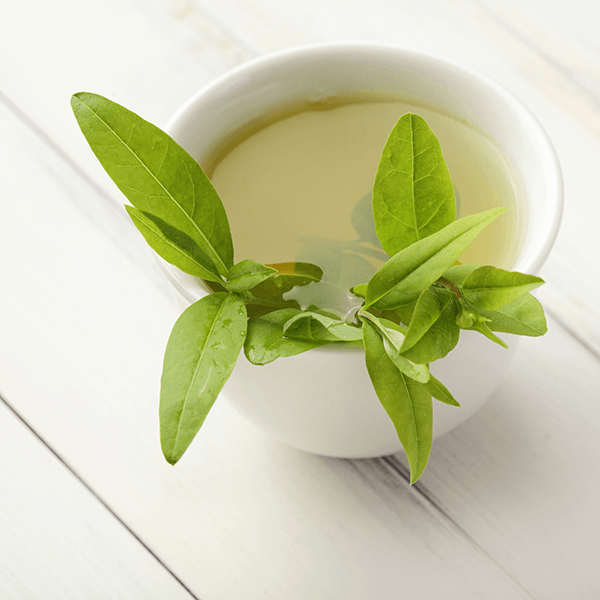
If you’re selecting ingredients for a functional food, supplement, or personal care product, you’ve certainly pondered GABA vs. L-Theanine. Both are good for relaxation and stress alleviation, although they act differently and are good for various product types. GABA (gamma-aminobutyric acid) is the brain’s major inhibitory neurotransmitter, is naturally present in fermented foods, and is often used in formulations for sleep, mood, and anxiety. L-Theanine is an amino acid found in green tea that keeps you calm and focused, but not sleepy. The choice between them depends on your goal, benefit, distribution format, and regulatory market. This tutorial explains it well.
Understanding GABA and L-Theanine: What They Actually Do?
You should know how things work chemically before you look at prices or sellers. Once you understand that, you'll know right away which one to use in your code.
How Does GABA Work in the Body?
GABA attaches to GABA-A and GABA-B receptors in the brain and spinal cord. This has a slowing effect on the firing of nerve cells. This strategy may assist you feel less anxious, fall asleep, and relax. According to research published in Frontiers in Neurology, the gut is connected to the brain, and fermented GABA taken orally may help you sleep better. BIOWAY’s fermented gamma-aminobutyric acid is organically formulated with lactobacillus. There are no fillers or medications added; therefore, it is at least 99% active ingredient.
How Does L-Theanine Work in the Body?
It helps you feel relaxed yet alert, since it affects how your brain uses alpha waves. It is not associated with GABA receptors like GABA is. Cortisol levels go up, but it is really dopamine and serotonin levels that go up. In a 2019 study in the journal Nutrients, researchers discovered that administering the supplement to persons under a lot of stress helped them relax and think more clearly.
Comparing Their Neural Mechanisms
And to complete its work, GABA alters neurotransmitters and initiates alpha waves. L-Theanine, in contrast, blocks communication directly. These neural pathways do not exist in real life. L-Theanine works better with several items that help you remain awake and attentive throughout the day. GABA is helpful for better sleep. Some recipes employ both at the same time to make you experience diverse emotions, from peaceful to alert.
Comparing Performance and Safety for Product Formulation
You need to know more than just what works. People who make products need to know if something is safe, what doses work, and how well it works with other items before they buy a lot of it.
Efficacy Across Key Applications
- • Sleep support: GABA is the stronger candidate. A clinical trial on GABA and Sleep showed GABA shortens sleep latency and increases non-REM sleep duration. When paired with melatonin, the combination outperformed either ingredient alone.
- • Anxiety and stress relief: Both ingredients are effective, but they address different anxiety profiles. GABA calms acute physiological stress responses, while L-Theanine better handles cognitive anxiety and mental tension in daytime settings.
- • Cognitive focus: L-Theanine holds the clear advantage here, particularly when combined with caffeine. GABA does not produce alertness; its inhibitory nature makes it unsuitable for focus-oriented nootropic products.
Safety Profiles and Dosage Guidelines
People used to think that these two things were safe. In the United States, the Food and Drug Administration (FDA) says it is okay to put GABA in food and drinks. This fermented GABA powder from BIOWAY has been approved as organic by the NOP and the EU. It is also Kosher, Halal, HACCP, BRC, and ISO22000. It follows all the strict safety rules in the world. You can also eat it, and 100 to 400 mg per serving is usually enough to make it work. Most healthy foods have between 50 mg and 300 mg of GABA. The right amounts of each don't cause any big problems when taken as vitamins.
Formulation Compatibility and Delivery Formats
When you mix cold water with BIOWAY's fermented GABA powder, you get a clear, white liquid that doesn't settle. This is important to do when making healthy drinks and better, clearer water. Even at 200°C, it doesn't change, so you can use it to bake useful foods and make sure dairy products are safe to eat. L-Theanine also breaks down when it comes in contact with water. But it stays the same in acidic drinks and foods like tea and citrus fruits. You can get them in the form of tablets, pills, and powder sticks that work. GABA helps people sleep even more when it is mixed with magnesium or valerian root extract.
Market Comparison and Procurement Insights
With a clear sense of each ingredient's function and safety profile, the next logical step is evaluating suppliers and procurement economics.
Pricing and Supply Dynamics
Fermented GABA at ≥99% purity commands a premium over synthetic GABA, but it qualifies for "natural," "clean-label," and "organic" positioning—attributes that consistently command higher retail margins in the U.S. functional supplement market. L-Theanine derived from green tea extraction tends to be slightly higher in cost than synthetic GABA, but supports strong brand storytelling around botanical sourcing. For bulk procurement, BIOWAY maintains an annual supply capacity exceeding 1,000 tons, which supports stable long-term sourcing contracts without supply disruption risk.
Supplier Verification and Quality Assurance
Counterfeit and adulterated ingredients remain a real risk in bulk amino acid procurement. When qualifying suppliers, request Carbon-14 (C14) radiocarbon analysis to confirm fermentation-derived GABA versus petroleum-synthesized product. For L-Theanine, verify HPLC purity data and botanical origin documentation. BIOWAY provides full COA, MSDS, and traceable raw material documentation, meeting U.S. FDA, EU Novel Food, and international customs clearance requirements for cross-border buyers.
Logistics and International Compliance
BIOWAY operates a 3,000 m² U.S.-based warehouse, enabling faster domestic delivery and reduced import lead times for American buyers. For international importers, complete customs clearance documentation, ISO22000 certification, and organic certifications (USDA NOP and EU Organic) ensure smooth market entry across North America and Europe.
How to Decide: Matching the Right Ingredient to Your Product?
The most important things about your item are what it does and who it's made for.
By Product Goal
If you want to sleep better, heal faster at night, feel less stressed, or keep your mood calm, fermented GABA is the best choice. If you want your product to help people relax, focus, or think more clearly during the day, this is the best ingredient to use. If you mix it with coffee, this is really true. Mix them in the right amounts to get a full range of relaxation. Several helpful nutrients have done this well.
By Product Format and Consumer Profile
GABA can be found in sweets, protein mixes for the evening, useful drinks, milk products, and beauty products that help you sleep. L-Theanine works well with energy drinks with a "calm energy" setting, RTD teas in a can, nootropic pills for the day, and treats that help with stress. People over 35 who want to sleep better and feel less stressed are more likely to buy GABA products. L-Theanine products are more likely to be bought by teens and young adults who want to get more done.
By Regulatory Market
The Food and Drug Administration (FDA) has given the go-ahead for both to be used in foods and medicine in the United States. In the EU, GABA might need to be approved as a Novel Food before it can be used. L-Theanine from tea, on the other hand, is more likely to be okay. Always check to see if your formula is legal in the market you want to reach after you've made it.
Future Trends in Stress and Sleep Ingredient Sourcing
More and more, people want plant-based foods that are good for them and help them calm down. In 2023, the market for sleep aids in the U.S. grew by more than 18%. Fermented GABA with a clear label and L-Theanine from natural sources are likely to do well in this market. The groups in Europe that make the rules are making it easier to say no to Novel Foods. It's more important than ever to be able to fully approve and keep track of your supply lines. Rules for following them will get stricter over time, which will be good for buyers who work with certified makers now.
Conclusion
Combining L-GABA with L-Theanine often yields better results than using either one alone. GABA can help you sleep better, heal faster at night, and feel less worried. When you need to be calm and focused, L-Theanine works best in the afternoon. Make sure the products you buy are right for your clinical goal, transport method, customer group, and regulatory market before you buy them. People like each item more and more because it is safe and can be used in many ways. Either one can be the start of a successful line of goods as long as it comes from the right place and meets people's needs.
FAQ
Q1: Can GABA and L-Theanine be used in the same formula?
Yes. A lot of good pill brands mix them in a 2:1 or 1:1 ratio to help the mind and body deal with stress. There are no bad things we know of that could happen if you mix them.
Q2: How long does it take to feel the effects?
Most people who take GABA will notice a difference in how long it takes them to fall asleep in 30 to 60 minutes. Two hours after taking 50–200 mg of L-Theanine, EEG tests showed that the brain had alpha waves.
Q3: What is the difference between fermented and synthetic GABA?
Fermented GABA is made naturally with Lactobacillus, and C14 tests showed that it is made up of 100% bio-based carbon. Chemical GABA doesn't have any bio-based carbon in it, and it can't back up claims that it is organic or has a clean label. Oil is used to make it.
Q4: Is GABA stable in acidic beverage formulations?
Yes, that's right. The GABA powder will still work after being mixed with drinks with a pH level of 3.0 to 4.5 for 12 to 24 months.
Q5: What certifications should I require from my supplier?
There are several papers you need to sell your goods in the US and EU. These include a COA with an HPLC test, an MSDS, and papers for NOP/EU Organic, BRC, ISO22000, Halal, Kosher, and HACCP.
Source Your GABA Supply Directly from BIOWAY
BIOWAY is a trusted fermented GABA manufacturer with over 15 years of botanical extract experience, annual output exceeding 1,000 tons, and certifications covering NOP & EU Organic, BRC, ISO22000, Kosher, Halal, and HACCP. Our fermented gamma-aminobutyric acid delivers ≥99% active ingredient content with full traceability, no additives, and proven compatibility across food, beverage, supplement, and cosmetic applications. Whether you need sample support for a trial run or a long-term bulk supply contract, our team is ready to assist. Contact us at grace@biowaycn.com.
References
1. Abdou, A.M., et al. "Relaxation and immunity enhancement effects of gamma-aminobutyric acid (GABA) administration in humans." BioFactors, 2006.
2. Hidese, S., et al. "Effects of L-theanine administration on stress-related symptoms and cognitive functions in healthy adults." Nutrients, 2019.
3. Yamatsu, A., et al. "Effect of oral gamma-aminobutyric acid (GABA) administration on sleep and its absorption in humans." Food Science and Biotechnology, 2016.
4. Nobre, A.C., Rao, A., & Owen, G.N. "L-theanine, a natural constituent in tea, and its effect on mental state." Asia Pacific Journal of Clinical Nutrition, 2008.
5. Bannai, M., & Kawai, N. "New therapeutic strategy for amino acid medicine: glycine improves the quality of sleep." Journal of Pharmacological Sciences, 2012.
6. Kimura, K. et al. "L-Theanine reduces psychological and physiological stress responses." Biological Psychology, 2007.
Contact Us
Grace HU (Marketing Manager) grace@biowaycn.com
Carl Cheng ( CEO/Boss ) ceo@biowaycn.com
Website: www.biowaynutrition.com
Post time: Nov-24-2026


