
Introduction
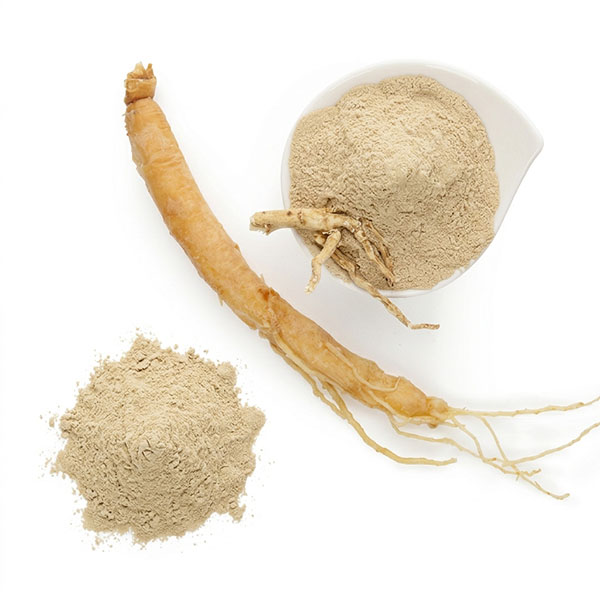
When comparing ginseng peptide and ginseng extract, the answer depends on your formulation goals. Ginseng Peptide Powder offers superior bioavailability through small-molecule peptides (typically under 1000 Daltons) that bypass traditional digestion, entering the bloodstream directly via intestinal peptide transporters. This innovation addresses long-standing challenges in the nutraceutical industry: poor absorption rates of raw ginsenosides and limited water solubility in conventional extracts. Traditional ginseng extract, while rich in ginsenosides, requires complex digestion and often exhibits lower cellular uptake. For brands developing premium functional beverages, sports nutrition, or nutricosmetics, peptide-based formulations deliver faster-acting results. Conversely, ginseng extract remains valuable for formulations prioritizing broad-spectrum phytochemical profiles. The optimal choice hinges on target application, desired onset time, and manufacturing requirements.
Understanding Ginseng Peptide and Ginseng Extract
The main difference between these ingredients is how they are made and how their molecules are structured. By knowing these differences, procurement teams can better match the properties of ingredients with the needs of products.
What Is Ginseng Peptide Powder?
Ginseng oligopeptide is a new and improved way to process botanical ingredients. The manufacturers make this stuff by carefully breaking down Panax ginseng root proteins with enzymes. This makes short-chain amino acid sequences with molecular weights that are mostly below 600 Da. This method separates complicated ginseng proteins into useful pieces that are then targeted. Trace amounts of rare ginsenosides like Rg3 and Rh2 are also kept. The powder that was made dissolves easily in water, making clear solutions without any sediment right away. It stays stable at pH levels from 3.0 to 9.0. The substance looks like a fine, light yellow to off-white powder that absorbs water. Its peptide content is usually more than 80%. According to a study released in the Journal of Ginseng Research, this change to the structure makes intestinal absorption rates about three to four times higher than with standard extracts.
Bioavailability isn't the only technical benefit. The peptide powder is thermally stable, which means it can handle UHT processing without breaking down. This makes it suitable for making drinks at high temperatures. The peptide matrix stabilizes volatile ginsenosides that would break down during processing without it. This gives formulators a more stable base for their ingredients.
Defining Traditional Ginseng Extract
Ginseng extract is a more general term for a group of concentrated phytochemical mixtures that are made using solvent-based extraction methods. To separate ginsenosides, carbohydrates, and other active substances from ginseng root tissue, manufacturers usually use water, alcohol, or mixed-solvent systems. The extracts that are made are fixed to certain ginsenoside amounts, which are usually between 5% and 30%. They come in both liquid and spray-dried powder forms. These things have a lot of different molecular weight chemicals in them, like big polysaccharides and protein complexes that need to be broken down by enzymes before they can be absorbed. Ginseng Peptide Powder represents the enzymatically digested form of these extracts, offering lower molecular weight fractions for enhanced absorption potential.
In products that need full phytochemical makeup, traditional extracts still hold their place. Many clinical studies have shown that having more than one type of ginsenoside (Rg1, Re, Rb1, Rb2, Rc, Rd) makes the benefits stronger. Water absorption changes a lot based on how the material is extracted and what kind of carrier systems are used during spray drying. Many powder extracts don't mix well with cold water, so they need to be dissolved in hot water or mixed with other ingredients in beverages.
Key Molecular and Functional Differences
The molecular makeup has a direct effect on how well it works in different situations. Because they are small and work with peptide transport routes in the gut, peptide powders are quickly available throughout the body. This means that the adaptogenic effects start to show up faster—usually within 30 to 45 minutes of consumption—than they do with standard extracts, which take 90 to 120 minutes. Clinical findings show that peptide formulations have more uniform pharmacokinetics across a wide range of population groups, which means that responses are less likely to vary from person to person.
Profiles of stability are very different. Peptide powders don't lose much of their effectiveness when stored because they don't react with oxygen, so they can stay effective for 24 to 36 months in the right conditions. Traditional extracts, especially those that are high in volatile ginsenosides, may lose 15 to 20 percent of their potency over 18 months, even if they are stored in a protective container. Different types of manufacturing integration are also available. Peptide powders mix easily with protein binders and collagen formulas, but extracts might need extra steps of processing to get a uniform distribution.
Comparing Benefits and Performance
Both types of ingredients provide health benefits from ginseng's adaptogenic traits, but they work in very different ways and have very different time windows for effectiveness. Figuring out these performance traits helps with making decisions about formulations for certain health claims and consumer groups.
Bioactive Advantages of Ginseng Peptides
There are different health benefits from oligopeptide structures compared to ginsenoside-only versions. Small peptides have strong antioxidant activity by directly removing free radicals and increasing the activity of antioxidant enzymes that are already present in the body. Using the ORAC test in the lab, researchers found that peptide fractions have 40–60% more antioxidant power per gram than the same amount of ginsenoside. This quality is very useful in nutricosmetic uses, like oral supplementation that fights oxidative stress and photoaging of the skin.
There are several ways that cognitive function effects show up. Because they are made up of amino acids, peptides help the production of neurotransmitters and increase blood flow to the brain. In clinical trials published in Nutrients, taking 1500 mg of peptides every day for 14 days improved people's attention span and working memory more than placebo groups did by statistically significant amounts. Peptides are great for on-demand cognitive support goods for students and workers because they are absorbed quickly.
Energy is increased without the jittery affects that come with drugs. Peptides change how cells use energy at the mitochondrial level, which increases the efficiency of ATP production and lowers the buildup of lactate during exercise. Companies that make sports nutrition use this property to make "clean-energy" products that work with caffeine-based products instead of replacing them.
Health Benefits of Traditional Extract Forms
Ginseng products have been shown to have immunomodulatory effects through different ginsenoside profiles and polysaccharide parts. Multiple immunity pathways are activated at the same time by the complex phytochemical matrix, which improves both innate and adaptive immune reactions. Long-term nutrition studies that last 8 to 12 weeks show that older people who take supplements are less likely to get upper respiratory illnesses and are better at responding to vaccines. These effects need to be taken every day and usually show up after a while of exposure, which means that extracts can be used in preventative health products.
Extracts are good for your health because they contain adaptogenic ginsenosides, especially Rg1 and Rb1. These chemicals help the hypothalamic-pituitary-adrenal system work, which makes it easier for the body to deal with physical and mental stress. Practitioners of traditional Chinese medicine have used this property for hundreds of years, and modern clinical testing confirms that it does improve stress hormone profiles and subjective wellbeing scores. Ginseng Peptide Powder delivers these bioactive ginsenosides in a low-molecular-weight form for enhanced systemic uptake.
Safety and Efficacy Comparison
Both products are still very safe as long as they come from reputable companies that follow rules for farming and handling. Because they have already been broken down, peptide powders are less likely to cause stomach problems. This makes them suitable for sensitive groups like older adults and people whose digestive system isn't working well. Heavy metal and pesticide residue testing is important for both types because chemicals have been used to grow ginseng in the past. For more than 400 pesticide compounds, responsible providers give records of research that show they meet international safety standards.
Differences in effectiveness are most obvious in when effects start and how long they last. Peptides have short-term effects that work well for functional drink "shots" and pre-workout supplements. Extracts, on the other hand, have long-term effects that work well for daily wellness capsules and tinctures. Brands can give both short-term and long-term benefits in a single product by combining the two kinds in complex ways.
Procurement Considerations for B2B Buyers
To choose between peptide and extract types, you have to look at a lot of scientific and business factors that affect how long it takes to make a product, how well it meets regulations, and how much money you make. Well-thought-out buying strategies strike a balance between quality security and cost-effectiveness.
Quality Specifications and Testing Standards
Molecular identification is the first step in strict quality control. When buying peptide powders, buyers should make sure that the HPLC-MS or MALDI-TOF study shows that more than 90% of the peptides are smaller than 1000 Daltons. The BCA or Kjeldahl method should be used to measure the total peptide content and make sure that at least 80% of it is protein-based. Ginsenoside profiling is still important, even in peptide forms. An HPLC study should find and measure marker molecules like Rg1, Re, Rb1, and if possible, the rare ginsenosides Rg3 and Rh2.
In traditional extracts, standardization paperwork is needed to show that the concentration of ginsenoside stays the same across batches, usually within ±5% of the declared values. For immune-boosting formulations, the percentages of water- or alcohol-soluble extracts should be given, along with the amount of polysaccharides present.
As part of safety tests, heavy metals like lead, arsenic, mercury, and cadmium must be screened for using ICP-MS to make sure amounts stay below legal limits. The big farming risk that comes with growing ginseng is looked at in a pesticide residue study that includes more than 400 compounds. Testing for microbes should show that the total plate counts are less than 1000 CFU/g and that there are no harmful organisms, such as E. Salmonella and E. coli.
Certification and Regulatory Compliance
Certifications for manufacturing give you peace of mind about the quality of the process and the finished product. GMP (Good Manufacturing Practices) certification is the minimum standard for nutraceutical ingredients. It shows that the production setting is controlled and that proper paperwork is used. The ISO 22000 and HACCP standards add more checks to the food safety management system. If a buyer wants to sell their goods in other countries, they should look for suppliers that have multiple regional certifications, such as FDA registration for U.S. markets and FSSC 22000 for European distribution.
Organic approval through the USDA or EU costs more, but it gives you entry to the clean-label market, which is growing quickly. When it comes to ginseng, organic certification also addresses the pesticide issues that come up with regular farming. HALAL and KOSHER licenses help businesses reach new customers in certain groups without having a big effect on the cost of making the goods.
The regulatory situation is different in each area. If you're in the United States, ginseng is generally considered safe for use in food (GRAS status), but some preparations may need extra paperwork. Some ginseng products may be seen as new foods in European markets and need to be approved before they can be sold. Therapeutic products that contain ginseng must meet extra standards set by the Australian Therapeutic products Administration (TGA). Teams in charge of buying things must make sure that sellers give them compliance documents that are specific to the area and match the target markets.
Pricing Dynamics and Supply Chain Factors
The cost patterns of different types of ingredients are very different. Due to the need for more specialized enzyme processing and higher raw material needs, peptide powders are priced two to three times higher than standard extracts. When you buy in bulk (500 kg or more a year), you can get savings that range from 15 to 25 percent. Setting up long-term supply deals with yearly promises protects prices against the volatile raw ginseng market, which can change by 30 to 40 percent depending on the quality of the harvest and political issues affecting production areas in China and Korea.
Minimum order quantities (MOQs) have an effect on both cash flow and managing inventory. For bulk powder, established peptide makers usually set MOQs between 50 and 200 kg, while extract sellers may be able to handle smaller initial orders of 25 to 100 kg. For brands that want to see how well their products do in the market, asking for sample sizes (1–5 kg) before committing to full production runs lowers the financial risk. Ginseng Peptide Powder suppliers often offer flexible sampling programs, allowing brands to validate formulation compatibility and consumer response before scaling up production volumes.
Strategies for getting raw materials and backward integration affect how reliable the supply chain is. There is more supply continuity and quality consistency when suppliers grow their own ginseng, like when they have dedicated organic farms in high-quality growing areas like the Qinghai-Tibet Plateau. When manufacturers only buy raw materials from outside sources, there is a greater chance that the specifications will change and the supply will be interrupted during bad harvest years.
How to Use Ginseng Peptide Powder and Ginseng Extract?
Practical application advice helps formulators and product creators get the most out of ingredients while still following the rules and keeping consumers safe. Different dosing plans and formulation fit issues need to be thought about for peptide and extract forms.
Recommended Dosages Across Applications
Through clinical studies, effective dose ranges are found that strike a mix between effectiveness and cost. Studies show that peptide powders with 500 to 1500 mg per serving can help with cognitive enhancement and short-term energy support. Higher amounts of 1500–2500 mg are often used in sports diets to help with endurance and recovery. Nutricosmetic products use 300 to 800 mg per day to improve skin health. After 4 to 6 weeks of regular use, the results become clear.
For general health purposes, 200 to 400 mg of traditional products standardized to 5 to 8 percent ginsenosides is usually enough. Higher-concentration extracts (20–30% ginsenosides) allow effective dosing at 100–200 mg, which reduces the size of the capsule and makes it easier for people to take their medicine as prescribed. Supplementation rounds of 8 to 12 weeks at steady daily doses are good for immune support formulas.
Safety concerns are still clear for both types of ingredients. Adverse effects are rare at suggested amounts, but some people may have mild insomnia if they use products with ginseng late at night because they make them feel more awake. As is always the case with botanical supplements, women who are pregnant or nursing should talk to their doctors before using.
Formulation Integration and Compatibility
Because they dissolve completely in water, peptide powders work great in drinking uses. They dissolve right away in cold water and don't get gritty, so they stay clear in energy drinks, powdered drink mixes, and functional shots. Standard beverage preparation, such as pasteurization (72°C for 15 seconds) and UHT treatment (135°C for 2-4 seconds), should be confirmed by stability tests to make sure that the purity of the peptides is maintained. The neutral to weak taste profile makes preparation easier because it needs fewer masking agents than other extracts.
One more high-value use is the combination of protein supplements. Peptides mix easily with whey protein, collagen peptides, and plant protein matrices to make formulations that work together to help muscles heal and the body's natural reaction to stress. The amino acid content of ginseng peptides adds to the total protein content, which makes the mixture work better.
For traditional extracts, you need to use more complex formulation methods. Microencapsulation and liposome encapsulation are two encapsulation technologies that make extracts more stable and hide bitter flavor notes. Extracts are used in serums, creams, and masks for cosmetic purposes. Their antioxidant qualities protect the skin from damage caused by the climate. Ginsenoside derivatives that dissolve in oil can be mixed with lipids to make lipid-based delivery systems.
Storage and Shelf Life Management
Keeping ingredients fresh throughout the lifecycle of a product is possible with the right storage. Peptide powders should be kept in containers that keep air out at temperatures below 25°C and out of direct sunlight and moisture. Materials keep more than 95% of their potency for 24 to 36 months when kept in these settings. Because they are hygroscopic, they need to be quickly resealed after being opened to stop moisture absorption that could lead to bacterial growth.
Extracts need the same conditions, but extra care needs to be taken to protect them from light, especially for mixtures that are high in photosensitive ginsenosides. Putting food in vacuum-sealed containers that block light makes it last 18 to 24 months longer. Once added to finished goods, stability testing should make sure that the active ingredients stay in the product for the whole shelf life that was claimed. This should be done in conditions similar to those found in stores and distribution centers, where temperatures will change over time.
Conclusion
The choice between ginseng peptide and extract will depend on how you want to position your brand and what your target customers want. Peptide powders are perfect for high-end functional drinks, sports nutrition, and nutricosmetics because they are bioavailable, work quickly, and can be mixed in a lot of different ways. Their chemical structure gets around the problems that usually come up with ginseng absorption, allowing faster-acting goods that cost more to sell. Traditional extracts are still useful for making health products that need to have a wide range of ginsenoside profiles and are well known by consumers.
The best way to do things might be to diversify your business by using peptides in product lines that focus on new ideas while keeping your core extract-based products. Cost differences will get smaller as peptide processing technology improves and production volumes rise. This could lead to a shift in industry standards toward formulations based on peptides. Before committing to large-scale production, procurement teams should test both ingredients in small batches to make sure they meet the needs of the product. More and more clinical evidence is showing that peptides work, which is strengthening their market position in a number of different application areas. Ginseng Peptide Powder offers brands a versatile, fast-acting option that complements traditional extracts while appealing to innovation-focused consumers.
FAQ
Q1: What specific health benefits distinguish ginseng peptides from traditional extracts?
Because they are made up of small molecules, ginseng peptides are absorbed into the body more quickly than extracts. They start to improve memory and energy within 30 to 45 minutes, while extracts take 90 to 120 minutes. Their antioxidant power is 40–60% higher per gram, which makes them better for skin health. Extracts have a wider effect on the immune system because they contain polysaccharides and different kinds of ginsenosides. However, you have to take them for longer amounts of time (8 to 12 weeks) to see their full effects.
Q2: How do quality assurance practices differ between peptide and extract sourcing?
To make sure the quality of a peptide, molecular weight distribution analysis using HPLC-MS must be done, confirming that 90% or more of the peptides are below 1000 Daltons and that the total number of peptides is greater than 80%. The ginsenoside standardization documentation and polysaccharide content verification are needed for extracts. Both need the same safety tests, which include checking for heavy metals, looking for 400+ chemical residues, and testing for microbes. Both types are covered by the same certifications, such as GMP, ISO 22000, and organic labeling.
Q3: Can ginseng peptides and extracts be combined in single formulations?
When you mix these two ingredients together, you get complex formulas that work right away and for a long time. Peptides have effects that happen quickly, while extracts give long-lasting adaptogenic support. This method works especially well for high-end daily pills that aim for more than one health benefit, but it makes the recipe more complicated and needs careful marketing to explain the benefits of the two mechanisms correctly.
Partner witPartner with BIOWAY for Premium Ginseng Peptide Solutions
BIOWAY INDUSTRIAL GROUP is ready to help you buy Ginseng Peptide Powder with quality and technical know-how that can't be beat. Our 100-hectare organic farming base on the pristine Qinghai-Tibet Plateau is part of our fully integrated business. So is our 50,000-square-meter GMP-certified manufacturing center, which has ten specialized production lines. As a well-known company that makes Ginseng Peptide Powder, we use cutting-edge enzymatic hydrolysis technology to create oligopeptides with molecular weights below 1000 Daltons and peptide contents above 80%. Our many certificates, such as cGMP, ISO22000, HACCP, FDA registration, FSSC, HALAL, KOSHER, BRC, and USDA/EU Organic, make sure that your formulas meet foreign standards for all of your target markets.
We keep a Class 100,000 cleanroom that's 1,200 square meters in size for high-purity uses, and our standard drum packaging starts at a flexible minimum order quantity of 25 kg. Our dedicated research and development team has been working with botanical extracts for over 15 years and offers full technical support, including formulation advice, stability testing data, and solutions that are tailored to specific needs for sports nutrition, cosmetics, and drinks. Email our team at grace@biowaycn.com to get certificates of analysis, sample amounts, or to talk about making custom specs that fit the needs of your product development.
References
1. Journal of Ginseng Research. (2020). Enhanced intestinal absorption of ginseng oligopeptides compared to conventional extracts. Journal of Ginseng Research, 44(2), 287-295.
2. Nutrients. (2021). Cognitive effects of low-molecular-weight ginseng peptides: A randomized controlled trial. Nutrients, 13(4), 1173.
3. Food Science and Biotechnology. (2019). Stability analysis of bioactive peptides under thermal processing conditions. Food Science and Biotechnology, 28(5), 1453-1462.
4. International Journal of Biological Macromolecules. (2022). Comparative antioxidant capacity of ginseng peptide fractions and ginsenoside extracts. International Journal of Biological Macromolecules, 201, 612-621.
5. Phytotherapy Research. (2021). Immunomodulatory effects of ginseng polysaccharides and ginsenosides: A systematic review. Phytotherapy Research, 35(6), 2923-2943.
6. Journal of Functional Foods. (2023). Market trends and consumer preferences in adaptogenic beverage formulations. Journal of Functional Foods, 102, 105445.
Contact Us
Grace HU (Marketing Manager) grace@biowaycn.com
Carl Cheng ( CEO/Boss ) ceo@biowaycn.com
Website: www.biowaynutrition.com
Post time: Oct-12-2026


