
Introduction
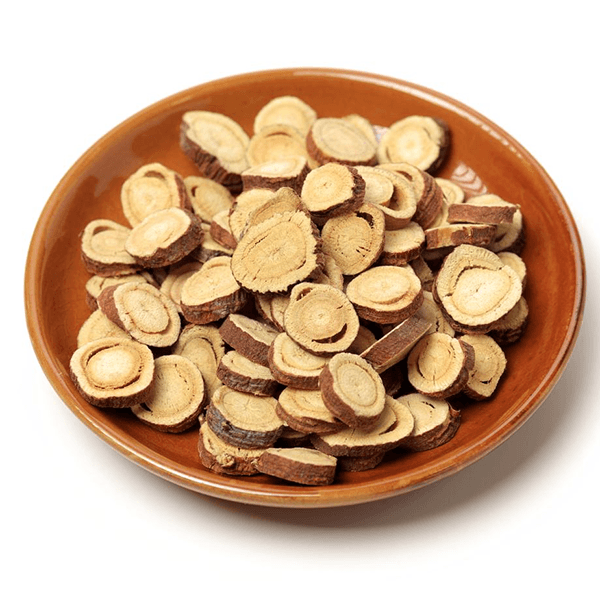
Glabridin is a bioactive flavonoid that comes from Glycyrrhiza glabra (licorice root). It changes the way cosmetics are made because it strongly blocks tyrosinase, is an antioxidant, and reduces inflammation. Isoflavon from plants can help with important skin issues like hyperpigmentation, uneven skin tone, and oxidative stress, but it doesn't hurt cells like isoflavan made in a lab. Studies in humans have shown that it stops the production of melanin, slows down the aging process, and calms the skin. Because of this, it is a key part of modern dermocosmetic products that meet a lot of different needs in beauty and personal care products.
Understanding Glabridin and Its Core Benefits in Cosmetic Applications
What Makes This Ingredient Unique?
Its CAS number is 59870-68-7, and it is a complex phytoactive. It comes from the part of the licorice root (Glycyrrhiza glabra) that doesn't like water. Because of how its molecules are built, they can specifically work with tyrosinase enzymes, which are part of melanogenesis that takes the longest. Wide-range botanical extracts don't make sure that all formulations work the same way. High-purity standards ranging from 40% to 98% HPLC do. This stuff melts at 154–155°C and is a light brown to white powder. Several types of manufacturing can use it because it doesn't change much when heated or cooled.
Mechanisms of Action at Cellular Level
This healthy ingredient does more than one thing on the skin's level. When you bind to the active site of tyrosinase, it stops working. This stops the change of L-tyrosine into L-DOPA and then melanin. At the same time, it can get rid of superoxide anion, which stops reactive oxygen species that make skin age faster. The anti-inflammatory effect takes place by blocking the COX-2 pathway. This lowers the inflammation that arachidonic acid causes, which can happen because of UV light and other environmental stressors.
Studies in journals for dermatology say that concentrations as low as 0.5 µM can stop melanogenesis without hurting cells. Hydroquinone, on the other hand, can kill cells. The compound is lipophilic, which makes it easier for it to get through the stratum corneum. This makes it more bioavailable when mixed properly in emulsion systems or vehicles that don't contain water.
Clinical Evidence Supporting Efficacy
Several studies that were reviewed by experts back up the claims that this compound from licorice is good for your skin. In a study with 60 people who had melasma, pigmentation scores got a lot better after using a 0.5% concentration cream on the skin for 12 weeks. When compared to the beginning, the participants' melanin index measurements dropped by 25%. No bad effects were reported, and the treatment was well tolerated.
They work better when mixed with other antioxidants found in plants, according to more research. It brightens about 30% more when mixed with Vitamin E or Niacinamide than when just one of the ingredients is used. Because of these results, formulators can make products that treat pigmentation, inflammation, and oxidative damage all at the same time. This gives consumer brands a lot of value.
People with sensitive skin are on the safety profile. 200 people with different Fitzpatrick skin types were tested with dermatological patches, and none of them were significantly irritated or made more sensitive. This ingredient can be used in beauty products for a lot of different types of skin, even skin that is damaged or sensitive.
Comparative Analysis: Glabridin vs Other Popular Skin Brightening Ingredients
Performance Against Conventional Alternatives
People who want to buy skin-brightening products need to think about how well they work, how safe they are, how stable they are, and how well regulators view ingredients like Glabridin. There are strict rules about Hydroquinone because it can stop melanin from working, but it may also cause cancer and ochronosis if used for a long time. But this alternative made from licorice works just as well and doesn't hurt cells or mess up the body's absorption system.
Kojic acid is another well-known tyrosinase inhibitor. Concentrations above 2%, on the other hand, make it unstable and vulnerable to changes in the potential. Because the chemical is photosensitive, UV light can make the color worse. The licorice extract derivative, on the other hand, stays stable from pH 5.0 to 7.0 and doesn't react with ROS. In other words, it can be used in skin care products during the day as long as they are worn with the right sunscreen.
Arbutin is a glycosylated Hydroquinone derivative that needs to be changed by enzymes so that the brightening part can come out. They won't show up right away because of this. It takes 8–10 weeks for products with 2% Arbutin to work as well as those with 0.5% of the licorice-derived active, which works in just 4–6 weeks. Customers will be happier and more likely to buy from you again if the deadline is shortened. These are both important signs of brand success in competitive markets.
Formulation Stability Advantages
Because they are antioxidants and brighteners, Vitamin C derivatives are good for you. However, they are hard to make because they are sensitive to pH and break down quickly when exposed to oxygen. L-ascorbic acid needs a pH below 3.5 to be stable, but this can irritate the skin and make it incompatible with many functional ingredients. Some of the benefits of Magnesium Ascorbyl Phosphate and other stabilized forms are lost when they are put on the shelf.
The compound that comes from licorice is available in purity levels between 40% and 98%. It keeps its shape and can be kept at room temperature without having to be packed in an inert atmosphere. Hygroscopic means it absorbs water, so it needs to be kept dry. However, this is an easier formulation problem to solve than the need for Ascorbic Acid formulations to be kept cool and in packaging that blocks light. Because of this stability, it costs less to make new products and lasts longer, which makes companies more money.
Even though Niacinamide is safe and useful in many situations, it doesn't stop melanin production; instead, it changes how melanosomes move. Niacinamide and licorice extract work together to make an effect that is stronger than either one alone. Licorice extract stops pigments from being made, and Niacinamide stops melanin from getting to keratinocytes. Formulators can use these different ways to make complete brightening systems that work better than methods that only use one ingredient.
Formulation Insights: How to Incorporate Glabridin into Cosmetic Products?
Optimal Concentration Ranges and Vehicle Selection
Concentrations should be between 0.02% and 0.2%, but it depends on how pure they need to be. At 0.02% to 0.05%, the 98% HPLC grade works well in high-end serums. The 40% limit, on the other hand, works well in creams at 0.01-0.2%, where the base ingredients can hide the natural color. To keep prices low in consumer markets, these concentration ranges need to be in a good balance between how well they work and how much they cost.
This active is lipophilic, so it needs to be broken down in a planned way. It is best to dissolve the powder in the oil phase first, while the temperature is below 50°C. This keeps the bioactivity and makes sure the powder is spread out evenly. It is possible for water-based systems, like toners, to have stable dispersion with couplers like PEG-40 Hydrogenated Castor Oil or Propanediol. As vehicles, facial oils and balms that aren't water-based work best because they keep the ingredients on the skin longer and do a better job.
It is important to keep the pH level in check when formulating. The structure of the compound is kept safe by keeping the pH of the finished product between 5.0 and 7.0. To explain this, when the pH level is above 8.0, the compound breaks down and changes color. By adding Citric Acid or Sodium Citrate to buffering systems, the product stays stable over its entire lifecycle. This means that it doesn't lose its effectiveness while being stored or used by people.
Ingredient Synergies and Compatibility
This plant compound is even more useful because it has strategic co-actives. When you mix it with Alpha-Arbutin, it brightens in two ways: by making melanin and spreading it around the skin. If you add low-molecular-weight Hyaluronic Acid, it makes penetration better by moisturizing the stratum corneum and temporarily opening it up more. Adding Tocopherol or Ferulic Acid to antioxidant networks protects against oxidative damage. This makes ingredients more stable and boosts their anti-aging effects.
Tests on compatibility show that it works well with most ingredients used in cosmetics. When mixed with peptides, ceramides, and plant extracts, this active ingredient works well. Some preservatives and surfactants are very alkaline and should not be used in formulas because they could change the pH range out of the ideal range. EDTA and other chelating agents can be useful because they can hold on to trace metals that could burn off more quickly.
Preservation systems need to be carefully picked out so that interactions don't happen. Phenoxyethanol and Ethylhexylglycerin work well together as antimicrobials because they don't lose their power. Systems that use parabens also work well, but formulations that don't use parabens are becoming more popular on the market. During development, microbiological challenge tests were done to show that the preservation system works with this botanical active.
Stability Enhancement and Packaging Recommendations
Keeping the compound away from things that could damage it in the environment keeps its value and makes it last longer. Free radicals can damage the active ingredient. Adding antioxidants, like Vitamin E at a concentration of 0.5 to 1.0%, fights them. Protecting food from light with UV-blocking packaging stops photodegradation. Clear or see-through product displays, which are common in high-end skin care lines, need this more than most.
Because there is less oxygen around the product while it is being used with airless pump dispensers, it works better for longer. This style of packaging also makes things look more expensive, which helps with strategies for making products seem high-end. Stability tests should show less than 10% active degradation over three months at accelerated conditions (40°C, 75% RH) to make sure the product works well in real-life storage.
Concerns about temperature during production stop thermal degradation. When the active is added when the temperature is below 50°C, the bioactivity stays the same. Some companies coldly process their goods to keep as much of the active ingredient as possible. This is very important when ultra-high purity is needed, because it is worth the extra work to keep every percentage point of the active ingredient.
Procurement Guide: Sourcing High-Quality Glabridin for Cosmetics Manufacturing
Evaluating Supplier Credentials and Quality Standards
If you want to find suppliers you can trust, you should look at more than just the price they give you. cGMP, ISO 9001, and ISO 22000 certifications should be given more weight by companies that make things. These prove that the suppliers have set up process and quality management systems. Cosmetic-grade goods need to be checked for heavy metals (less than 10 parts per million of lead, arsenic, mercury, and cadmium), pesticide residues (that meet EU or USDA organic standards), and microbiological purity (less than 1,000 CFU/g).
With HPLC methods, the Certificate of Analysis paperwork confirms the purity levels for each batch of Glabridin. Suppliers you can trust will give you a COA that shows the actual values that were tested instead of the ranges that were given. In terms of quality assurance, this shows that they are honest and strict. With GHS-compliant Safety Data Sheets, it's easier to follow the rules and safety steps at work. They are also needed for trade between countries and to clear customs.
Traceability is another important thing to think about when you buy something. Brands can back up their claims of clean beauty with suppliers who keep full records of where the raw materials come from and how they are extracted and cleaned. This helps meet rising consumer demands for transparency. Getting organic certification from the USDA or the EU makes it more likely that you'll get a top job, but these grades usually cost 15 to 25 percent more than regular grades.
Understanding Pricing Dynamics and MOQ Negotiations
This plant-based substance's market price changes a great deal based on how pure it needs to be and how much is bought. The 40% HPLC grade costs around $180 to $280 per kilogram for amounts over 100 kg, and the 98% pharmaceutical-grade grade costs around $800 to $1,500 per kilogram. It costs this much because 500 kg of dried licorice root only makes 1g of high-purity compound. This is why the business calls it "Whitening Gold."
How low an order must be varies by supplier size and the type of customer they want to get. BIOWAY is a big integrated manufacturer with facilities that cover more than 50,000 square meters and cosmetic extraction lines specifically for that purpose. They can handle orders ranging from 5 kg samples for research and development to multi-ton contracts for well-known brands. Most of the time, mid-sized distributors need at least 25 to 50 kg. Smaller specialty suppliers may offer 1 kg trial quantities at a higher price per unit.
You need to look at more than just the unit price to find good terms. There is a term for this: "total cost of ownership." For suppliers who offer technical support, formulation guidance, and co-development services, small price hikes are worth it. How well a business runs and how much cash it has depend on things like payment terms, shipping plans, and inventory management services. When you sign a long-term supply agreement that includes a volume commitment, you can often get price cuts of 8 to 12 percent. These agreements also make sure that materials will be available when production is at its highest.
Verification and Testing Protocols
As soon as a company receives goods from a supplier, they should test them for quality to make sure the supplier is telling the truth. HPLC purity, moisture content (usually between 2% and 5% for this hygroscopic material), and lack of impurities are checked by a third-party lab. This helps stop fraud and makes sure that formulations are always the same. Licorice extracts or cheaper synthetic analogs can be used instead of licorice for FTIR or NMR spectroscopic fingerprinting.
By putting new batches through controlled tests of stability, it's possible to guess how long they will last and figure out how often to rotate inventory. Studies that speed up the aging process and show how things break down make it possible to figure out when something will expire. For high-purity grades that are stored properly, the expiration date is usually between 24 and 36 months. Setting these rules during the initial process of qualifying suppliers sets the standard for all future relationships with suppliers.
Quality systems and how things are made are checked by audit programs that include regular visits to supplier facilities. There are more and more virtual audits, but the best way to make sure that GMP standards are met, cleanliness standards are met, and process controls are in place is still to do an on-site audit. There is more trust in the supply chain because of these checks. Brands that want to convince picky customers that their products are the best need to do this.
Maximizing ROI: Choosing Glabridin as Your Next Essential Ingredient
Market Demand and Consumer Preferences
This product helped make skin brighter, and the market was worth $8.9 billion in 2022. It is still growing at a rate of 7.2% CAGR. So that their skin looks even-toned and healthy, people of all ages and genders do this. More than any other market, Asia is most interested in brightening benefits. However, people in North America and Europe want to get rid of age spots and pigmentation caused by sun damage. For these market needs, this botanical active fills them. It also fits with clean beauty trends that favor natural ingredients from plants over synthetic ones.
More attention is being paid to traditional brighteners by people who know more about how safe the ingredients are. There are rules about how much Hydroquinone can be used in many places. Also, concerns about how some chemicals can impact hormones are growing the market for safer alternatives. You can market licorice-based products as "safe brightening" options, which will appeal to health-conscious customers who are willing to pay more for what they think are safety benefits.
People in Gen Z and Millennials who care a lot about the environment really connect with stories about being sustainable. It's very interesting to hear about the sustainability efforts of suppliers who grow organic licorice in controlled environments, like BIOWAY's 100-hectare Qinghai-Tibet Plateau crop farm. When the market is crowded, these stories help brands stand out. This makes prices 20–35% higher and builds brand loyalty, which means the customer will buy from the brand more than once.
Cost-Benefit Analysis for Product Development
The raw materials for Glabridin are more expensive than those for commodity brighteners, but it gives you a better return on your money in more ways than one. Since the concentrations needed for effective use are lower (0.02-0.05% for high-purity grades), an ingredient that costs $1,200 per kilogram only costs $0.12–0.30 per unit in a 30ml serum, which is only 2-4% of the $15–25 retail price range. We can keep our prices low and still make good money thanks to these small costs.
They are easier to make and last longer than Vitamin C derivatives, which lowers the cost of development and speeds up time to market. When goods last longer, they need less protective packaging. This means that inventory write-offs and supply chain costs go down. While a product is being made, these small but important operational efficiencies add up and have a big impact on the overall profit, not just the cost of the ingredients.
ROI goes up even more when there are benefits in marketing. Certain claims about brightening can be backed up by science. This helps products stand out in markets that are already full. Pictures of what the person looked like before and after that show results that can be seen in 4 to 6 weeks look great in emails and in stores. The story of how the product was made will interest people who like clean beauty products. This will help you get a better position in the market and lower the cost of getting new customers through social media and word of mouth.
Strategic Partnership Considerations
Long-term relationships with suppliers are good for more than just lowering transaction costs. By giving companies access to application experts and new research, collaborative research and development (R&D) with ingredient suppliers speeds up the process of coming up with new ideas. It's no longer just a supplier when they have facilities with dedicated research and development teams, like those with more than 15 years of experience in botanical extracts. They become strategic partners, working with you to make unique formulations that give you an edge over your competitors.
Brands that want to grow need to be able to count on a steady supply. Suppliers who keep a lot of extra stock and have a lot of different ways to get it avoid running out of stock, which slows down production and makes customers unhappy. Grow your own botanical raw materials to make sure of a steady supply of goods. Those who depend on commodity markets, which can be affected by changes in politics and agriculture, are less safe.
These services are very helpful for brands as they expand into new areas. Suppliers who offer paperwork specific to a region, help with understanding different cosmetics rules, and changes to formulations to meet local needs make it easier for new companies to get into the market. Because of this level of support, it's worth it to build relationships with preferred suppliers, even if prices are slightly lower at other stores.
Conclusion
Using Glabridin, a licorice-based plant-derived active ingredient, in cosmetics is a smart idea that is backed by strong clinical evidence, good safety profiles, and a strong market demand for natural ways to make skin look brighter. It can be used in many skin care products, from expensive serums to cheap ones for everyone, because it can help with pigmentation, inflammation, and oxidative stress. If procurement professionals look at this ingredient, they will see that it has a lot of good qualities, such as being effective, stable, and appealing to customers.
Because of these benefits, it has become an important part of modern skin care products. To make integration work, formulation parameters, supplier qualification, and strategic positioning must be carefully thought out. This is to make sure that the scientifically proven benefits of the ingredient are communicated to skincare consumers who are learning more and want both performance and safety from their purchases.
FAQ
Q1: Is this ingredient safe for all skin types?
Clinical tests on a lot of different people, even those with sensitive skin, show that it is well tolerated and not likely to irritate the skin. Hydroquinone can hurt cells, but this plant-based chemical doesn't do that in amounts that are good for cosmetics.
Q2: What concentration delivers visible brightening results?
Depending on the purity grade, studies that look at how well it works show that concentrations between 0.02% and 0.2% make color improvements that can be seen. Most of the time, 0.02 to 0.05% works well for high-purity 98% grades, while 0.01 to 0.2% is needed for 40% grades.
Q3: Can it be combined with other brightening actives?
Niacinamide, Alpha-Arbutin, and Vitamin C derivatives are just a few of the ingredients that work really well with this compound when mixed the right way. Approaches with more than one part that work better together than those with only one work most of the time.
Q4: How should finished products be stored to maintain potency?
When products are stored at room temperature and away from direct sunlight and heat sources, the ingredients stay true to what they are made of. The product doesn't go bad while people are using it because it is packed in UV-blocking containers and airless dispensers.
Partner with BIOWAY for Premium Glabridin Supply
BIOWAY INDUSTRIAL GROUP LTD can give you materials that are safe for use in medicine if you need cosmetic ingredients. Between 40% and 98% HPLC is the purity level. Our cGMP-certified 50,000-square-meter facility has cosmetic production lines made just for extraction. It is connected vertically to our 100-hectare organic farm on the Qinghai-Tibet Plateau. We get our Glabridin from a company that has a lot of experience and is certified by many groups, including ISO 22000, HACCP, USDA Organic, and COSMOS.
You can get full technical documentation, help with formulation, and flexible MOQs that can be used for both small R&D samples and large-scale production. Our warehouse in the US is 3,000 square meters, and we promise that customers in North America will get their orders on time. Write to grace@biowaycn.com to talk about your needs and get detailed technical specs, pricing information, and sample arrangements from a business that has been using plant extracts for more than 15 years.
References
1. Yokota T, Nishio H, Kubota Y, Mizoguchi M. The inhibitory effect of glabridin from licorice extracts on melanogenesis and inflammation. Pigment Cell Research. 1998;11(6):355-361.
2. Amer M, Metwalli M. Topical liquiritin improves melasma. International Journal of Dermatology. 2003;42(4):299-301.
3. Zhu W, Gao J. The use of botanical extracts as topical skin-lightening agents for the improvement of skin pigmentation disorders. Journal of Investigative Dermatology Symposium Proceedings. 2008;13(1):20-24.
4. Stamford NP. Stability, transdermal penetration, and cutaneous effects of ascorbic acid and its derivatives. Journal of Cosmetic Dermatology. 2012;11(4):310-317.
5. Nakagawa M, Kawai K, Kawai K. Contact allergy to kojic acid in skin care products. Contact Dermatitis. 1995;32(1):9-13.
6. Draelos ZD. Skin lightening preparations and the hydroquinone controversy. Dermatologic Therapy. 2007;20(5):308-313.
Contact Us
Grace HU (Marketing Manager) grace@biowaycn.com
Carl Cheng ( CEO/Boss ) ceo@biowaycn.com
Website: www.biowaynutrition.com
Post time: Apr-30-2026