
Introduction
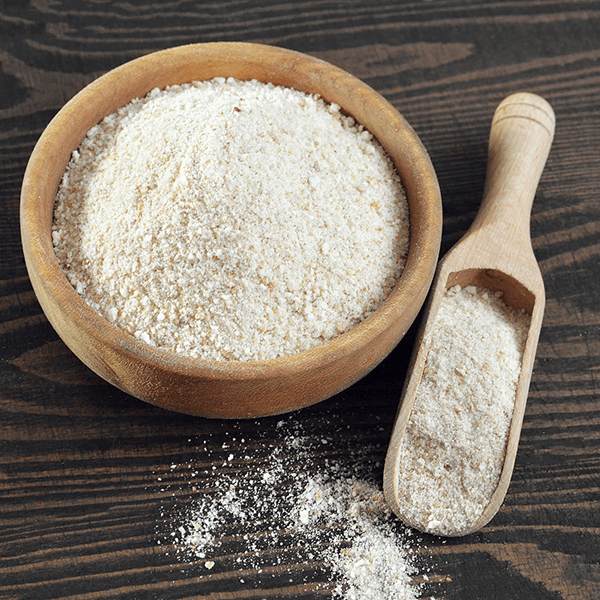
Oat protein has emerged as a powerhouse ingredient in vegan diets, offering numerous health benefits for those following plant-based lifestyles. This complete protein source is derived from organic oats, providing all essential amino acids necessary for optimal body function. Oat protein is not only rich in nutrients but also easily digestible, making it an excellent choice for vegans seeking to meet their protein requirements. Its versatility allows for seamless incorporation into various dishes, from smoothies to baked goods, enhancing both nutritional value and flavor. As we delve deeper into the world of oat protein, we'll explore its remarkable advantages and how it can revolutionize vegan nutrition.
Nutritional Profile and Benefits of Oat Protein
Comprehensive Amino Acid Composition
Oat protein stands out as a remarkable plant-based protein source due to its comprehensive amino acid profile. Unlike many other plant proteins, oat protein contains all nine essential amino acids that the human body cannot produce on its own. This makes it a complete protein, comparable to animal-based proteins in terms of nutritional value. The balanced amino acid composition of oat protein supports various bodily functions, including muscle repair, hormone production, and immune system maintenance. For vegans who may struggle to obtain complete proteins from plant sources, incorporating oat protein into their diet can be a game-changer.
Rich in Fiber and Micronutrients
Beyond its protein content, oat protein is a nutrient-dense ingredient that offers a plethora of additional health benefits. It is particularly rich in dietary fiber, which plays a crucial role in maintaining digestive health, regulating blood sugar levels, and promoting a feeling of fullness. The high fiber content in oat protein can aid in weight management and reduce the risk of chronic diseases such as heart disease and type 2 diabetes. Moreover, oat protein contains essential micronutrients, including iron, zinc, magnesium, and B vitamins. These nutrients are vital for energy production, immune function, and overall well-being, making oat protein an excellent choice for vegans looking to boost their nutrient intake.
Low in Fat and Allergen-Free
Oat protein offers several advantages that make it an ideal choice for those with dietary restrictions or health concerns. It is naturally low in fat, making it an excellent option for individuals looking to manage their calorie intake or maintain a healthy weight. Additionally, oat protein is free from common allergens such as soy and gluten, making it suitable for people with food sensitivities or celiac disease. The allergen-free nature of oat protein expands its versatility in vegan diets, allowing for its inclusion in a wide range of recipes without the risk of triggering allergic reactions. This makes oat protein a safe and accessible option for vegans with various dietary needs.
Incorporating Oat Protein into a Vegan Diet
Versatile Culinary Applications
One of the most appealing aspects of oat protein is its versatility in culinary applications. It can be seamlessly incorporated into a wide array of vegan dishes, enhancing both their nutritional profile and texture. Oat protein powder can be added to smoothies, protein shakes, and plant-based milk alternatives to boost their protein content. It can also be used as a flour substitute in baking, creating protein-rich versions of breads, muffins, and pancakes. For savory applications, oat protein can be used to fortify plant-based meat alternatives, adding a nutritional boost to burgers, sausages, and other meat substitutes. The neutral flavor of oat protein allows it to blend well with various ingredients, making it a versatile addition to vegan recipes.
Optimal Protein Intake for Vegans
Ensuring adequate protein intake can be a concern for some vegans, but oat protein offers a solution to this challenge. By incorporating oat protein into their daily diet, vegans can easily meet their protein requirements without relying on animal products. The recommended daily protein intake for adults is approximately 0.8 grams per kilogram of body weight, which can be achieved through a combination of whole plant foods and oat protein supplements. Oat protein's high digestibility and complete amino acid profile make it an efficient protein source, allowing vegans to optimize their protein intake with ease. This is particularly beneficial for vegan athletes or individuals with higher protein needs, as oat protein can support muscle recovery and growth.
Synergistic Nutrient Combinations
Oat protein can be strategically combined with other plant-based foods to create synergistic nutrient combinations that enhance overall health benefits. For example, pairing oat protein with vitamin C-rich foods like citrus fruits or bell peppers can improve iron absorption, addressing a common concern in vegan diets. Combining oat protein with other plant-based protein sources, such as legumes or nuts, can further diversify the amino acid profile of meals. Additionally, incorporating oat protein into dishes with healthy fats, such as avocado or chia seeds, can improve the absorption of fat-soluble vitamins and provide a more satisfying meal. These thoughtful combinations can help vegans maximize the nutritional benefits of their diet and ensure optimal health.
Long-Term Health Impact of Oat Protein Consumption
Cardiovascular Health Support
Regular consumption of oat protein can have significant long-term benefits for cardiovascular health. The high fiber content in oat protein, particularly beta-glucan, has been shown to help lower cholesterol levels and reduce the risk of heart disease. Beta-glucan forms a gel-like substance in the digestive tract, which can bind to cholesterol and prevent its absorption into the bloodstream. This cholesterol-lowering effect, combined with the protein's ability to support healthy blood pressure levels, makes oat protein a valuable addition to a heart-healthy vegan diet. Over time, incorporating oat protein into daily meals can contribute to improved cardiovascular function and reduced risk of cardiovascular diseases.
Weight Management and Metabolic Health
Oat protein can play a crucial role in long-term weight management and metabolic health for vegans. Its high protein and fiber content promote satiety, helping to reduce overall calorie intake and prevent overeating. This can be particularly beneficial for individuals looking to maintain a healthy weight or lose excess pounds. Moreover, the complex carbohydrates in oat protein are digested slowly, leading to stable blood sugar levels and improved insulin sensitivity. This metabolic benefit can help prevent the development of type 2 diabetes and support overall metabolic health. By incorporating oat protein into their diet, vegans can enjoy sustained energy levels and better appetite control, contributing to long-term weight management success.
Muscle Maintenance and Recovery
For vegan athletes or individuals engaged in regular physical activity, oat protein offers long-term benefits for muscle maintenance and recovery. The complete amino acid profile of oat protein provides the necessary building blocks for muscle repair and growth, supporting strength and endurance. Unlike some plant proteins that may be limiting in certain amino acids, oat protein ensures a balanced supply of all essential amino acids needed for optimal muscle function. Regular consumption of oat protein can help prevent muscle loss associated with aging or calorie-restricted diets, promoting lean body mass preservation. This makes oat protein an invaluable component of a vegan diet for those looking to maintain or improve their physical performance and body composition over time.
Conclusion
Oat protein emerges as a nutritional powerhouse for vegan diets, offering a myriad of health benefits that support overall well-being. Its complete amino acid profile, high fiber content, and rich micronutrient composition make it an ideal choice for vegans seeking to optimize their nutrition. The versatility of oat protein allows for easy incorporation into various dishes, enhancing both the nutritional value and culinary experience of vegan meals. As the demand for plant-based proteins continues to grow, oat protein stands out as a sustainable and health-promoting option. For those looking to elevate their vegan diet, partnering with a reliable oat protein supplier or manufacturer can ensure access to high-quality, organic oat protein products that deliver maximum nutritional benefits.
At Bioway Industrial Group Ltd, we pride ourselves on being a leading oat protein supplier and manufacturer. Our state-of-the-art production facility, equipped with advanced technologies and a 100-hectare organic vegetable planting base, ensures the highest quality oat protein products. With comprehensive certifications and a commitment to innovation, we offer a range of oat protein solutions tailored to meet the diverse needs of the vegan market.
FAQ
Q1: Is oat protein suitable for people with gluten intolerance?
A: While oats are naturally gluten-free, cross-contamination can occur during processing. However, our oat protein is produced in a dedicated gluten-free facility, making it safe for those with gluten intolerance or celiac disease.
Q2: How does oat protein compare to other plant-based proteins?
A: Oat protein stands out due to its complete amino acid profile, high digestibility, and additional nutritional benefits such as fiber and micronutrients. It offers a balanced nutritional profile that can complement or surpass other plant-based proteins.
Q3: Can oat protein help with muscle building in a vegan diet?
A: Yes, oat protein's complete amino acid profile supports muscle repair and growth, making it an excellent choice for vegan athletes or those looking to build and maintain muscle mass.
Elevate Your Vegan Products with Premium Oat Protein
Unlock the full potential of your vegan product line with Bioway's premium oat protein. Our state-of-the-art facility, equipped with 10 diverse production lines and advanced extraction technologies, ensures the highest quality oat protein available. Backed by comprehensive certifications including ISO22000, HACCP, and USDA Organic, our oat protein meets the strictest international standards. From our 100-hectare organic planting base to our 3000㎡ US warehouse, we offer unparalleled quality and supply chain efficiency. Elevate your vegan offerings with our superior oat protein. Contact us at grace@biowaycn.com to discover how we can support your product innovation and growth.
References
- 1. Mäkinen, O. E., et al. (2017). Foods for Special Dietary Needs: Non-dairy Plant-based Milk Substitutes and Fermented Dairy-type Products. Critical Reviews in Food Science and Nutrition, 57(6), 1138-1158.
- 2. Pinto-Sánchez, M. I., et al. (2017). Safety of Adding Oats to a Gluten-free Diet for Patients with Celiac Disease: Systematic Review and Meta-analysis of Clinical and Observational Studies. Gastroenterology, 153(2), 395-409.
- 3. Sterna, V., et al. (2016). Oat Grain Composition and Its Nutritional Benefits. Agriculture and Agricultural Science Procedia, 8, 252-256.
- 4. Varma, P., et al. (2018). Oat Products as Functional Food Ingredients. Handbook of Food Bioengineering, 349-369.
- 5. Wolever, T. M., et al. (2019). Effect of Oat β-glucan on Postprandial Glycemic Response in the Food Supply: A Meta-analysis of Randomized Controlled Trials. European Journal of Clinical Nutrition, 73(1), 1-12.
Contact Us
Grace HU (Marketing Manager) grace@biowaycn.com
Carl Cheng ( CEO/Boss ) ceo@biowaycn.com
Website: www.biowaynutrition.com
Post time: Dec-08-2025