
Introduction
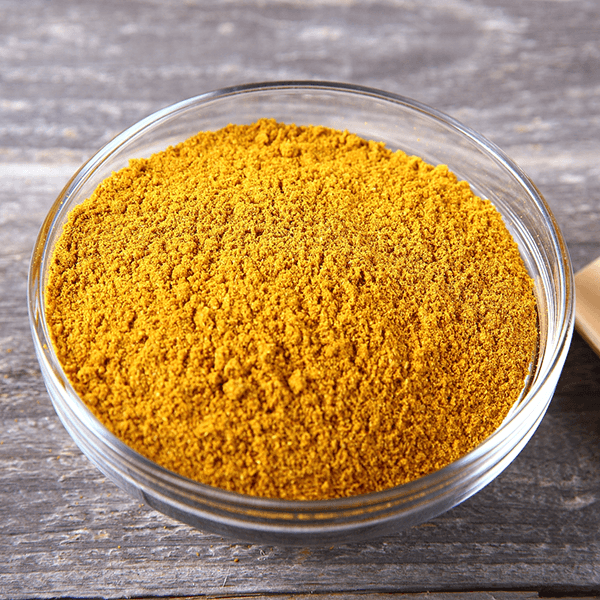
Berberine chloride stands as a transformative bioactive compound reshaping metabolic health formulations across pharmaceutical, nutraceutical, and functional food industries. This quaternary benzylisoquinoline alkaloid salt enhances insulin receptor signaling through AMPK pathway activation while simultaneously modulating lipid metabolism by reducing LDL cholesterol and triglycerides.
Clinical studies demonstrate dosage-dependent improvements in fasting glucose and HbA1c markers, positioning this natural compound as a cornerstone ingredient for manufacturers developing glucose management and cardiovascular support products that meet the rising consumer demand for plant-based metabolic health solutions.
Understanding Berberine Chloride and Its Role in Metabolic Health
The metabolic health disaster in developed markets has caused a huge demand for natural chemicals that work to fix problems. We've seen this change firsthand because we work directly with over 300 brands to find plant answers for managing diabetes and making formulas that help the heart. Berberine chloride is the salt form of the alkaloid berberine. It is mostly taken from the roots of Coptis chinensis (Chinese goldthread) and Phellodendron chinensis. The chloride salt structure makes it more stable than crude extracts, giving producers regular active ingredient profiles that are needed for clinical results that can be repeated.
Chemical Structure and Extraction Standards
Berberine chloride, whose CAS number is 633-65-8, has the formula C₂₀H₁₈ClNO₄ and a molecular weight of 371.81 g/mol. We use both old-fashioned solvent extraction and newer technologies, like ultrasonic extraction and microbial hydrolysis, in our extraction methods to get pharmaceutical-grade purity levels of 97-98%, which can be checked by HPLC analysis.
This method of analysis removes berberine from alkaloids like palmatine and jatrorrhizine that have structures that are similar to berberine. This stops the problems of adulteration that often happen with lower-quality plant powders. The chemical is a bright yellow crystalline powder that absorbs water. It needs to be stored in a controlled way throughout the supply chain to stay stable.
AMPK Activation: The Metabolic Master Switch
The compound's healing power comes from its ability to turn on adenosine monophosphate-activated protein kinase, an enzyme complex that controls the balance of energy in cells. When AMPK is activated, it leads to a number of other effects, such as better mitochondrial activity, more glycolysis, and glucose transporter-4 moving to cell membranes. Unlike manufactured drugs that only affect one route, this natural activator affects many metabolic nodes at the same time.
This is why it works so well for weight loss, insulin resistance, and dyslipidaemia. Formulation teams that are making metabolic health products with more than one goal find this process especially useful when making products for different health issues within the same SKU.
Berberine Chloride's Impact on Insulin Sensitivity and Lipid Profiles
Berberine chloride has been used in medicine for over 20 years and has been shown to help the metabolism in a way that is similar to first-line drugs. Researchers looked at 27 randomised controlled trials with a total of 2,569 participants and found that therapeutic doses of 900 to 1500 mg daily, spread out over multiple doses, significantly lowered fasting blood glucose (by an average of 0.61 mmol/L) and HbA1c levels (by 0.71%).
Mechanisms of Insulin Sensitization
The substance improves the phosphorylation of insulin receptor substrate-1, which makes it easier for insulin to send signals to the machinery that takes in glucose. This chemical action fixes the main problem in type 2 diabetes, which is that cells stop responding to insulin signals even though they are making enough or too much insulin. Research shows that taking supplements can improve the rate at which insulin-resistant people get rid of glucose by about 25–30%.
The benefits start to show after 8–12 weeks of consistent use. This insulin-sensitizing effect is especially useful for manufacturing teams making goods for people who are at risk of diabetes because it fixes metabolic problems before they get worse and need medication.
Lipid Profile Optimization
In addition to its effect on glucose metabolism, Berberine chloride also has a big effect on lipid balance in a number of different ways. The chemical increases the production of LDL receptors in hepatocytes, which speeds up the removal of low-density lipoprotein cholesterol from the bloodstream. Over the course of 12 weeks, clinical data show that LDL levels dropped by an average of 20 to 25 mg/dL and triglycerides dropped by 35 to 40 mg/dL at the same time.
Especially impressive is its ability to cut down on small dense LDL particles—the type of cholesterol that causes atherosclerosis—by about 30%. This protects the heart more than normal cholesterol readings show. More and more heart health supplement companies are looking for natural options to statins, especially for people who can't handle statins or would rather start their treatment with plants.
Dosage Considerations and Safety Parameters
To get therapeutic effects, you need to pay close attention to dosing methods and formulation techniques. The substance doesn't dissolve well in water and is broken down quickly, so normal formulations can only make it bioavailable to about 5% of people who need it. Manufacturers deal with this in a number of ways, such as by co-forming with piperine to improve uptake, phytosome complexation, or liposomal packaging.
Standard therapeutic amounts are between 900 mg and 1500 mg per day, split into three doses that should be taken with meals to help digestion and reduce stomach problems that can happen with higher single doses. The safety profile has stayed good across all clinical studies. At suggested doses, the main side effects were mild, short-lived GI symptoms. It is better than some pharmaceutical choices because it has wide therapeutic windows and no significant hepatotoxicity or nephrotoxicity at therapeutic doses, as shown by comprehensive toxicology studies.
Comparing Berberine Chloride with Alternative Forms and Treatments
When people who make products are looking at metabolic health ingredients, they have to make tough choices about alkaloid salt forms, extract standardisations, and how to place their products compared to pharmaceutical options. Understanding these differences helps with buying, recipe, and marketing positioning, all of which are important for sticking out from the competition.
Salt Forms: Chloride vs. Sulphate
Berberine chloride is sold in the market as both chloride and sulphate salts. Pharmaceutical and high-end supplement markets are mostly for chloride versions. When it comes to stability, the chloride salt does better in changing temperatures and humidity levels. It also stays effective for the normal 24-36 months when stored properly. Through stable tests, we saw that chloride forms break down less than 2% over 24 months at room temperature, while sulphate forms broke down between 5 and 7%.
This edge in stability means that the drug doesn't need to be reformulated as often, and the clinical results are more consistent across production lots. The large body of clinical research that supports chloride forms gives more confidence for regulatory applications and therapeutic claims support. This is especially important for brands that want to get NDI notices or structure-function claim validation.
Comparison with Metformin
The compound's effects on metabolism make it possible to compare it to metformin, which is the most commonly used drug to treat type 2 diabetes. Both drugs work by activating AMPK circuits and increasing insulin sensitivity in ways that overlap. Meta-analyses that directly compare the two treatments show that they are about equally effective at lowering fasting glucose, with berberine having slightly better effects on lipid metrics.
When it comes to safety and tolerance, they are not the same. Berberine has fewer stomach problems than metformin, and it doesn't have the rare but serious risk of lactic acidosis that metformin does. This is especially important for people who have kidney problems. Berberine-based products are safer than pharmaceuticals, which makes them appealing to people who want to support their metabolism without taking drugs or as a supplement to medical care.
Synergistic Combination Approaches
New study looks into mixing berberine with compounds that work well together to get results that are either stronger or more effective. When mixed with alpha-lipoic acid, it improves insulin sensitivity more than either substance alone could do. When mixed with milk thistle extract, it improves lipid results and protects the liver.
Manufacturers of complete metabolic health products are using more and more multi-ingredient methods. Berberine is the main active ingredient, and other plants work together to support it. These combination tactics help you stand out in the supplement market, which is very competitive, while also supporting your metabolism in a wider range of ways, which helps with many parts of cardiometabolic syndrome.
Procurement Insights for Berberine Chloride
To get pharmaceutical-grade Berberine chloride, you have to deal with complicated supply lines that make sure quality, compliance with regulations, and supply consistency. We've come up with our sourcing rules by managing the markets for plant ingredients for 15 years and setting up systems that minimise risk while maximising cost structures for buying in bulk.
Important Quality Requirements
Teams in charge of buying things need to set strict quality standards that go beyond simple purity numbers. HPLC testing that confirms ≥97% purity should be enough, but stricter rules should include heavy metal limits (Lead <3.0 ppm, Arsenic <1.0 ppm, Cadmium <1.0 ppm, Mercury <0.1 ppm) and pesticide residue screening that includes common agricultural chemicals used in Coptis cultivation.
Testing for residual solvents makes sure that extraction solvents (usually ethanol or methanol) stay below ICH Class 3 limits. This protects the safety and legal standing of the final product. Microbiological tests must show that Salmonella and E. coli are not present with total plate counts kept below 1,000 CFU/g, which is especially important for items that will be used by people with weak immune systems or children.
Advanced quality control now includes tests to see if alkaloids that come from plants are really alkaloids and not manmade products made from petrochemicals. Carbon isotope ratio testing is the only way to be sure of the source, and it protects against cheaper manmade alternatives that take away from the "natural" image that consumers need to trust. Brands that want to use real botanicals should demand that their sources do this testing, especially since regulators are becoming more strict about botanical supplement validity.
Supplier Evaluation and Certification Requirements
Reliable providers show that they care about quality in more than one way by getting recognised certificates. GMP approval sets the standards for basic quality systems in production. Facilities that are either FDA-registered for products going to the US or EMA-recognized for products going to Europe must meet certain requirements.
Organic licenses from the USDA or EU organic programs show that farming and processing methods meet organic standards. This is becoming more and more important as more people buy certified organic vitamins. Along with organic credentials, our center keeps ISO22000, HACCP, FSSC, Halal, and Kosher certifications. This gives brands that are trying to reach a wide range of markets with different certification needs more options.
In addition to certifications, you should also look at how well the supplier can provide expert help and how open the analysis is. Suppliers who give full Certificates of Analysis with batch-specific data, stability studies, and contamination screening show they care about being open and working with customers in more ways than just a business way. To help our partners with their regulatory filings and quality checks, we give them thorough scientific paperwork that includes the extraction method, solvent profiles, and identification of the source plant.
Pricing Dynamics and Negotiation Strategies
Pharmaceutical-grade Berberine chloride costs between $45 and $85 per kilogram when bought in large amounts greater than 500 kg. For organic certification (+15 to 25%) and smaller amounts, the price goes up. Price changes happen because of farming factors that affect Coptis crops, changes in regulations that affect extraction operations, and changes in demand caused by clinical research release cycles that cause awareness spikes. When there are price pressures, procurement teams should think about signing yearly supply deals with volume commitments. This will protect prices and ensure supply continuity, which is important for keeping formulation consistency.
Buyers have more negotiating power when they show they understand high standards and are ready to commit to long-term relationships. Customers who give accurate demand forecasts, flexible shipping plans that work with production cycles, and teamwork methods to quality requirements are valued by suppliers. We've built our relationships with suppliers on being clear about what they can and can't do. This lets our partners plan output efficiently while still meeting quality standards.
Future Prospects and Market Opportunities for Berberine Chloride
The metabolic health ingredient environment is changing quickly because people are living longer, more people are getting diabetes, and people want botanical treatments more than ever. These trends come together at Berberine chloride, which presents major market possibilities for forward-thinking brands over the next ten years.
Market analysts think that the global berberine supplement market will grow at a compound annual growth rate (CAGR) of 8.2% until 2030. This growth will be mainly caused by demand in North America and Europe for natural goods that help with diabetes control and heart health. This growth pattern shows that both the number of people with diabetes is rising (643 million adults around the world are expected to have it by 2030) and people are becoming less trusting of drug-only treatments. Brands that are positioned at the point where scientific proof and natural product marketing meet take market share away from both traditional supplements and pharmaceutical alternatives.
Innovative Delivery Systems and Formulation Approaches
Bioavailability problems can be fixed by manufacturers using new delivery methods, which sets them apart from competitors and improves clinical results. Liposomal encapsulation technology makes drugs 3–5 times more bioavailable than regular powders, so they can be used in smaller amounts while still having the same beneficial effects. In the same way, phytosome complexation with phospholipids improves uptake while also making levels of tolerance better. We've put money into nano-encapsulation technology that lets us make advanced delivery formats. This helps our partners create high-end product lines that are backed up by better bioavailability and customer results.
Formulation innovation goes beyond the usual pills and tablets to include new ways of delivering medicines. Functional beverage applications are still hard because they don't mix well with water, but microemulsion and cyclodextrin complexation technologies make stable liquid forms that appeal to people who like ready-to-drink goods. In the cosmeceutical market, topical formulations that use berberine's anti-inflammatory and antimicrobial qualities offer possibilities. Berberine treats acne and inflammatory skin problems in ways that are different from traditional treatments.
Regulatory Landscape and Things to Think About for Compliance
Getting around regulatory systems is still important for market success, especially since authorities are looking more closely at metabolic health claims. According to the FDA's structure-function claim paradigm, carefully written claims about supporting healthy cholesterol levels or keeping healthy glucose metabolism are allowed as long as there is enough evidence to back them up. We work closely with regulatory consultants to make sure that our partners' paperwork meets their legal requirements. This includes quality control documentation, safety reports, and summaries of randomised controlled trials.
Different regulations apply to international markets, so methods need to be tailored to each country. In European markets regulated by the EFSA, the process for approving claims is tighter, while in some Asian markets, therapeutic placement is more open. Global brands that do well create tiered claim plans that work with each country's rules. This helps them get the best commercial place while still following the rules. Our experience helping customers in more than 40 countries gives us useful information about the rules that apply in each area.
Conclusion
Berberine chloride is a scientifically proven and financially viable ingredient that meets important metabolic health needs in global markets that are growing. Because it works on multiple targets to improve insulin sensitivity and lipid levels, is safe, and has been tested in a lot of clinical trials, it is a key ingredient for companies making the next generation of metabolic health goods.
To get into a market successfully, you need to pay close attention to quality standards, supply partnerships, formulation methods, and follow the rules. As worries about metabolic health grow and people look for effective plant alternatives to pharmaceutical treatments, brands that invest in quality sourcing, new delivery systems, and evidence-based marketing will be able to take advantage of big opportunities.
FAQ
Q1: What differentiates pharmaceutical-grade berberine chloride from standard herbal extracts?
For pharmaceutical-grade standards, the purity of Berberine chloride must be confirmed by HPLC to be higher than 97%, the product must be thoroughly screened for heavy metals and pesticide residues, and microbiology tests must confirm that there are no diseases. Standard plant products often use less accurate spectrophotometric methods and may have different amounts of alkaloids, such as berberine and others like palmatine and jatrorrhizine. Facilities that make pharmaceutical-grade materials keep their GMP certifications up to date with approved cleaning methods, environmental tracking, and batch paperwork that can be used for regulatory applications. This lack of quality has a big effect on clinical consistency and governmental acceptance.
Q2: Can berberine chloride replace pharmaceutical diabetes medications?
Even though there is proof that Berberine chloride is about as effective as some drugs at treating mild to moderate metabolic dysfunction, it shouldn't be used instead of prescription drugs without a doctor's guidance. It should be used as a supplement with medical advice, as the first step in treating pre-diabetic conditions, or as the main treatment for people who prefer herbal methods to mild metabolic problems. Responsible drug companies and doctors stress that this substance should not be used instead of prescription drugs, but as part of a broader lifestyle strategy that includes things like exercise and changing your diet.
Q3: What are the typical lead times and minimum order quantities for bulk procurement?
Standard lead times for pharmaceutical-grade Berberine chloride range from 4 to 6 weeks for material that is already in stock to 8 to 12 weeks for special orders that need dedicated production runs. For premium organic certified material, the minimum order quantity usually starts at 25 kg. For normal pharmaceutical-grade goods, the minimum order quantity drops to 100–500 kg at the best price. We keep a planned inventory of the most-requested specs, which lets partners who need fast delivery get what they need more quickly. Custom packing, specialised testing, or organic approval may add time to the process, so new product launches need to be planned ahead of time.
Partner with BIOWAY for Premium Berberine Chloride Supply
BIOWAY INDUSTRIAL GROUP LTD sells pharmaceutical-grade Coptis chinensis Root Extract that has been tested and found to contain 98% Berberine chloride. This product comes with a lot of certifications, such as USDA Organic, ISO22000, HACCP, and Halal qualifications. Vertically integrated activities that include 100 hectares of organic farming on the Qinghai-Tibet Plateau and 50,000 square meters of state-of-the-art extraction facilities make sure that the supply chain is clear and that the quality is always the same, which is what buying professionals want.
We have 10 specialised production lines that use both old and new technologies, such as ultrasonic extraction and nano-encapsulation. These lines allow us to provide both normal pharmaceutical-grade powder and advanced delivery forms that are specifically made for your formulation needs.We have a specialised cleanroom and a wide range of analytical tools that can provide third-party certified purity documents, heavy metal screening, pesticide residue testing, and stability data to help you with your regulatory applications. Our flexible MOQ policies and 3,000-square-meter US warehouse make it possible for us to provide quick service to both new brands and well-known makers.
This is true whether you need small batch samples for product development or multi-ton yearly supply contracts. As a reliable provider of Berberine chloride to the pharmaceutical, nutritional, and cosmetics industries around the world, we offer technical knowledge honed over 15 years, clear communication, and service that is focused on partnerships. Email our technical team at grace@biowaycn.com to talk about your unique needs, get certificates of analysis, or set up sample shipping to help with your next metabolic health idea.
References
1. Zhang Y, Li X, Zou D, Liu W, Yang J, Zhu N, et al. Treatment of type 2 diabetes and dyslipidemia with the natural plant alkaloid berberine. Journal of Clinical Endocrinology & Metabolism. 2008;93(7):2559-2565.
2. Yin J, Xing H, Ye J. Efficacy of berberine in patients with type 2 diabetes mellitus. Metabolism: Clinical and Experimental. 2008;57(5):712-717.
3. Dong H, Wang N, Zhao L, Lu F. Berberine in the treatment of type 2 diabetes mellitus: a systematic review and meta-analysis. Evidence-Based Complementary and Alternative Medicine. 2012;2012:591654.
4. Kong W, Wei J, Abidi P, Lin M, Inaba S, Li C, et al. Berberine is a novel cholesterol-lowering drug working through a unique mechanism distinct from statins. Nature Medicine. 2004;10(12):1344-1351.
5. Lee YS, Kim WS, Kim KH, Yoon MJ, Cho HJ, Shen Y, et al. Berberine, a natural plant product, activates AMP-activated protein kinase with beneficial metabolic effects in diabetic and insulin-resistant states. Diabetes. 2006;55(8):2256-2264.
6. Lan J, Zhao Y, Dong F, Yan Z, Zheng W, Fan J, Sun G. Meta-analysis of the effect and safety of berberine in the treatment of type 2 diabetes mellitus, hyperlipemia, and hypertension. Journal of Ethnopharmacology. 2015;161:69-81.
Contact Us
Grace HU (Marketing Manager) grace@biowaycn.com
Carl Cheng ( CEO/Boss ) ceo@biowaycn.com
Website: www.biowaynutrition.com
Post time: Jul-13-2026