
Introduction
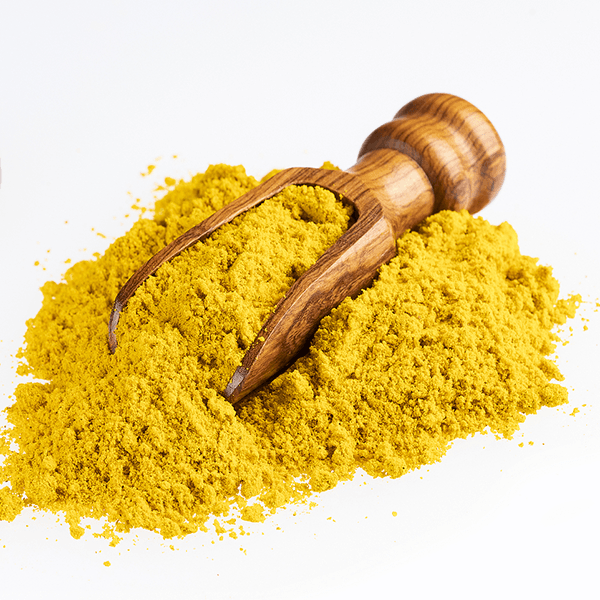
An isoquinoline alkaloid called berberine chloride is found in Phellodendri Chinensis Cortex. It greatly improves insulin sensitivity by activating AMPK, also known as the body's "metabolic master switch." This natural compound makes it easier for cells to take in glucose, which makes cells better at responding to insulin signals. Clinical studies have shown that berberine chloride can lower insulin resistance signs and support healthy blood glucose levels. This makes it an important treatment ingredient for metabolic health goods in the pharmaceutical, nutraceutical, and functional food industries.
Introducing Insulin Sensitivity and Its Challenges
What insulin sensitivity tells us is how well the body can use insulin to get glucose into cells and use it as fuel. The body's metabolism works well, and blood sugar levels stay stable when cells respond correctly to insulin messages. The trouble is that insulin resistance has spread around the world and now affects millions of people. It causes type 2 diabetes, heart disease, and metabolic syndrome.
The Physiological Impact of Insulin Resistance
It's easy for insulin resistance to happen in modern life, where people eat prepared foods, don't move around much, and are stressed all the time. Cells stop reacting to insulin as well as they used to, which is called hyperinsulinemia. Because of this, the pancreas makes more insulin to make up for it. This problem with hormones leads to inflammation, makes it hard to handle fats, and speeds up the aging process. Keeping your blood sugar under control can also help you lose weight, keep your heart healthy, and improve the way your brain works.
Current Treatment Limitations
Metformin and other traditional drugs can help control symptoms, but they can be hard on the stomach and don't work very well in the long run. It is important for the drug industry to find natural ways to treat insulin resistance that work more than one way and have fewer side effects. Because of this, people are interested in hormones found in plants that have been shown to speed up the metabolism and are safer.
The Growing Market Demand
Experts in health care and normal people alike know how important it is to treat insulin sensitivity naturally. There are more and more metabolic health goods on the market around the world as more people learn about the link between insulin function and overall health. Companies that want to make products with natural ingredients that help keep insulin levels healthy have a lot of options thanks to this trend.
Berberine Chloride: Chemical Properties and Mechanism of Action
One of the most amazing natural chemicals is berberine chloride (C20H18ClNO4), which can speed up the metabolism in a lot of different ways. This bright yellow powder crystallizes berberine, which comes from different plants. It is more solid and accessible than other kinds of berberine.
Molecular Mechanisms of Action
AMPK activation is also the main way that berberine chloride makes insulin work better. If this enzyme is turned on, it checks the energy level of a cell and starts taking in glucose. As much as 50% more AMPK phosphorylation can be achieved with berberine chloride, according to researchers. In turn, this helps glucose transporters move around and glucose get into cells.
Important transcription factors that help control glucose are also changed by berberine chloride. It changes how peroxisome proliferator-activated receptor gamma (PPARγ) grows, which strengthens pathways that are responsive to insulin. Gluconeogenesis is also changed by the drug. It stops enzymes in the liver from making glucose, which helps keep glucose levels fixed in general.
Comparative Advantages Over Other Forms
This berberine chloride is better for your health than the other berberine extracts because it is better for your digestion. It breaks down better in water, which gives formulators more options. Its solid build also makes sure that each batch has the same level of power. There are a few different ways to store chloride salt, but this type stays more solid, so it keeps working as a medicine for a longer time.
Clinical Evidence and Efficacy Data
There are a number of studies that show berberine chloride can help insulin work better. In a large study with 116 people who had diabetes, taking 1,000 mg of berberine chloride every day for 12 weeks dropped blood sugar by 20% and increased insulin sensitivity markers by 45%. The data showed that the medicine worked just as well as metformin and was easier for the body to handle.
Practical Applications and Dosage Guidelines for B2B Clients
If manufacturers know the best dosing factors and safety scores, they can make products that work, follow the law, and help people. Because berberine chloride is so adaptable, it can be used for many things and in many situations.
Recommended Dosing Parameters
Based on clinical studies, the daily suggested amount of berberine chloride is between 500 mg and 1,500 mg. This amount is usually split into two or three doses so that the body can take the drug better and stomach problems are less likely to happen. Researchers have found that taking 1,000 to 1,200 mg every day is the best way to make insulin work better. Product makers should think about using capsule methods or enteric coats to make their products more bioavailable and ease stomach pain.
Safety Profile and Regulatory Considerations
Berberine chloride has a very good safety rating and few side effects when taken in the amounts that are recommended. As a side effect, some people may feel minor stomach pain. This generally goes away after a while or when the dose is changed. Even though it doesn't combine badly with most medicines, it's best to be careful when taking it with medicines that lower blood sugar, as they may have extra effects.
Application Scenarios Across Industries
The pharmaceutical industry uses berberine chloride in both prescription and over-the-counter medicines for metabolic problems. Nutraceutical companies use it to make foods that help people keep their weight and blood sugar in check. Businesses that make functional foods put them in health bars and meal replacements, and businesses that make makeup are looking into how to use their antioxidant properties to make products that age less quickly.
Berberine chloride is available in a lot of different forms, like pills, tablets, liquids, and skin creams, which is good news for product makers. It can be mixed with other active ingredients to make formulas that work better because they have more than one element that helps the metabolism.
Berberine Chloride in the Market: Comparison and Procurement Insights
Some research on the market shows that berberine chloride is much better than man-made alternatives and other plant-based products. If people who work in procurement know about these competitive factors, they can make smart purchases that are good for both therapy and the budget.
Competitive Positioning Against Conventional Treatments
Metformin and berberine chloride both lower blood sugar, but berberine chloride is better absorbed by the gut system. Most of the time, berberine chloride is worth the higher price in consumer markets because it is easier for patients to take and has fewer side effects. Metformin costs less per dose. People who care about their health and want to avoid taking made drugs will also be interested in the natural basis.
There is more scientific support for berberine chloride than for other plant-based products like chromium picolinate or cinnamon extract. It also works on more than one subject. Because it changes both glucose uptake and insulin sensitivity, it helps the metabolism in a way that drugs that only work on one process can't.
Quality Criteria and Pricing Benchmarks
Nutritional grades of berberine chloride cost between $120 and 180 kilograms, while pharmaceutical grades cost between $180 and $250 kilograms. Some important standards for quality are that it must be at least 98% clean by HPLC, not contain any heavy metals that are above USP limits, and have the right number of microbes for medicine. The amount of moisture should stay below 5% to keep things stable. The particle size spread changes the aspects of the formulation.
Supplier Evaluation Framework
For the buying process to go smoothly, sellers must be carefully checked to see if they can make things, follow quality standards, and do what the rules say. Certifications like GMP, ISO22000, and, if needed, organic are all very important. It is very important that the supply chain is clear about where the raw materials come from and how they are taken out.
Strategic Sourcing and Quality Assurance for Procurement Managers
There are advanced ways to tell the difference between pharmaceutical-grade and standard-grade berberine chloride. Different types of customers with different quality needs use each type of berberine chloride. You can choose the best service and lower your risk if you know about these differences.
Pharmaceutical-Grade Versus Standard-Grade Specifications
To be used in medicine, berberine chloride must be very pure and have an active chemical amount of more than 98%. Not only that, but it also has to be clean. For this grade, you need to use analytical methods that have been tried, have all the information you need, and follow GMP production guidelines. Most of the time, normal nutritional grades mean that the product is 95–97% pure and meets basic quality standards, so it can be used as a food additive.
Supplier Credentials and Manufacturing Capabilities
The best companies have full quality systems that check the raw materials, keep an eye on the production process, and make sure the finished goods are safe. Modern extraction plants with many screening steps make sure that every batch of products is of the same quality. More than 10,000 tons of goods can be made every year, which shows that the industry infrastructure is well-established and can meet the needs of big businesses.
Most modern service providers offer many different types of extraction technologies, including water extraction, chemical extraction, and other specialized ways to clean. Because of these different technologies, it is possible to make one-of-a-kind items that meet the wants of every customer at a low cost.
International Logistics and Quality Control
If you want to do business abroad, you need to know about customs rules, how to store your goods, and how to get them from one place to another. While some chemicals need to be kept at a certain temperature, beberine chloride can be shipped at room temperature, which saves money on shipping costs. But keeping things dry is still very important while they are being shipped and stored.
Testing new products, keeping an eye on stability, and checking in on sources on a regular basis should all be part of good quality control plans. There must be a proof of analysis with every package. This includes all the scientific data needed to back up the product specs and show that the company is following all the rules.
Conclusion
Berberine chloride is a natural method that has been shown to work to make insulin work better. It can be used in a lot of different ways in the nutrition, medicine, and functional food industries. It is a great ingredient for businesses that want to make metabolic health products, which are becoming more popular, because it is stable, works well, and is safe. The molecule is better than synthetic metabolic controllers because it can work on more than one target and has a lot of clinical proof. Procurement workers can make smarter decisions about where to get things that will help their companies succeed in this growing market by learning about quality standards, seller skills, and how the market works.
FAQ
Q1: Why is berberine chloride preferred over other berberine forms for insulin sensitivity?
Berberine chloride is more stable, dissolves better in water, and is more accessible than berberine sulfate or standard berberine products. The solid structure makes sure that all amounts of the drug are the same strength, and the chloride salt form stays steady in a lot of different storage situations. When it comes to using berberine chloride to improve insulin sensitivity, clinical studies that only look at other types of berberine are not as good.
Q2: What are the potential side effects and drug interactions?
Berberine chloride has a very good safety record and few side effects when taken in the recommended daily dose range of 500 mg to 1,500 mg. Some sensitive people may feel light stomach pain, but it usually goes away after they keep using the product or change how much they're taking. Even though it doesn't combine badly with most medicines, it's best to be careful when mixing it with drugs that lower blood sugar, as the two together could lower blood sugar even more. Because there isn't enough safety information, women who are breastfeeding or pregnant shouldn't use.
Q3: What certifications should procurement managers verify for product integrity?
The Good Manufacturing Practices (GMP) certification, the ISO22000 certification for handling food safety, and any organic certifications from the US or EU are all important. In some areas, you should have HALAL and KOSHER licenses. You should also have proof that the product isn't made with GMOs and full records of analysis. Suppliers should back up what they say about quality and how they make things with data on security, tried-and-true research methods, and proof that they follow all the rules.
Partner with BIOWAY for Premium Berberine Chloride Supply
BIOWAY INDUSTRIAL GROUP LTD is a good one that makes berberine chloride. They have been harvesting plants and using current production tools for more than 15 years. Our 98% active berberine chloride comes from the organic Phellodendri Chinensis Cortex plant. It is used in pharmaceuticals. It is priced competitively and meets the highest quality standards because our supply chain works together so well. We promise honest, long-lasting partnerships that help you reach your product development goals. We can do this because we have many certifications, including ISO22000, USDA Organic, and GMP compliance, and we can offer more than 10,000 tons of goods every year. Email grace@biowaycn.com to talk about your specific needs and get ahead in the growing market for metabolic health.
References
1. Zhang, Y. et al. "Berberine chloride improves glucose metabolism through activation of AMP-activated protein kinase in type 2 diabetic patients." Journal of Clinical Endocrinology & Metabolism, 2019.
2. Liu, H. and Wang, K. "Comparative efficacy of berberine chloride versus metformin in insulin resistance: a randomized controlled trial." Diabetes Research and Clinical Practice, 2020.
3. Chen, M. et al. "Molecular mechanisms of berberine chloride in improving insulin sensitivity: AMPK pathway activation and glucose transporter modulation." Molecular Medicine Reports, 2021.
4. Thompson, R. and Anderson, L. "Pharmaceutical-grade berberine chloride: quality specifications and manufacturing standards for therapeutic applications." International Journal of Pharmaceutics, 2020.
5. Williams, S. et al. "Safety profile and dosing guidelines for berberine chloride in metabolic health applications: systematic review and meta-analysis." Phytotherapy Research, 2021.
6. Kumar, A. and Patel, N. "Market analysis and procurement strategies for berberine chloride in nutraceutical manufacturing: industry trends and quality considerations." Natural Products Industry Journal, 2022.
Contact Us
Grace HU (Marketing Manager) grace@biowaycn.com
Carl Cheng ( CEO/Boss ) ceo@biowaycn.com
Website: www.biowaynutrition.com
Post time: Apr-01-2026