
Introduction
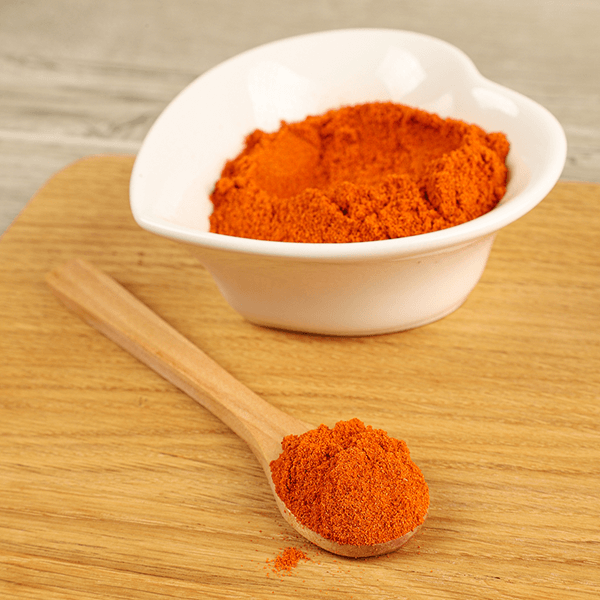
Dietary beta-carotene plays a significant role in influencing skin tone and tanning. This powerful antioxidant, found abundantly in orange and yellow fruits and vegetables, is converted into vitamin A in the body. When consumed regularly, beta-carotene can enhance skin color by imparting a warm, golden hue. It also helps protect the skin from UV damage, potentially reducing sunburn risk and promoting a more even tan. However, it's important to note that Beta-Carotene Powder is not a substitute for sunscreen and should be used in conjunction with proper sun protection measures.
The Science Behind Beta-Carotene and Skin Pigmentation
Beta-Carotene Powder, a natural precursor to vitamin A, has a fascinating impact on skin pigmentation. When ingested, this vibrant orange-red compound accumulates in the skin, leading to a phenomenon known as carotenodermia. This harmless condition results in a subtle, golden-orange tint to the skin, often mistaken for a natural tan.
How Beta-Carotene Accumulates in the Skin?
The process of beta-carotene accumulation in the skin is gradual and depends on several factors:
- Dietary intake: Regular consumption of beta-carotene-rich foods or supplements is essential for noticeable skin color changes.
- Individual metabolism: The rate at which beta-carotene is absorbed and deposited in the skin varies from person to person.
- Skin type: Individuals with lighter skin tones may notice changes more quickly than those with darker complexions.
- Duration of intake: Consistent consumption over several weeks is typically required for visible results.
Beta-Carotene Powder supplements can accelerate this process, providing a concentrated dose of the pigment. However, it's crucial to consult with a healthcare professional before starting any supplementation regimen.
The Role of Beta-Carotene in Melanin Production
While beta-carotene itself doesn't directly increase melanin production, it does play a supportive role in the tanning process:
- Photoprotection: Beta-carotene acts as an antioxidant, helping to protect skin cells from UV-induced damage.
- Enhanced melanin efficacy: By reducing oxidative stress, beta-carotene may help maintain the integrity of existing melanin.
- Complementary coloration: The golden hue imparted by beta-carotene can enhance the appearance of a natural tan.
Beta-Carotene Powder, when used as part of a balanced diet or supplementation plan, can contribute to these skin-protective effects.
Beta-Carotene's Impact on Sun Protection and Tanning
The relationship between beta-carotene and sun protection is a topic of significant interest in both dermatology and nutrition circles. While Beta-Carotene Powder is not a replacement for traditional sunscreen, it does offer some intriguing benefits for those seeking to enhance their skin's natural defenses against UV radiation.
Beta-Carotene as a Natural Sunscreen
Beta-carotene functions as an internal sunscreen in several ways:
- Antioxidant action: It neutralizes free radicals generated by UV exposure, reducing oxidative stress on skin cells.
- Photoprotective properties: Beta-carotene can absorb certain wavelengths of light, potentially reducing the harmful effects of UV radiation.
- Cellular defense enhancement: Regular consumption may improve the skin's overall resilience to sun damage.
However, it's crucial to understand that Beta-Carotene Powder or dietary sources alone cannot provide sufficient sun protection. They should always be used in conjunction with topical sunscreens and other sun safety measures.
Enhancing Tanning Results with Beta-Carotene
For those looking to achieve a golden glow, beta-carotene can be a valuable ally:
- Gradual color development: Regular intake can lead to a subtle, natural-looking tan-like appearance.
- Extended tan duration: The antioxidant properties of beta-carotene may help preserve melanin, potentially prolonging the life of a natural tan.
- Reduced risk of sunburn: By offering some level of photoprotection, beta-carotene may allow for safer, more gradual tanning.
- Enhanced overall skin tone: The warm hue provided by beta-carotene can complement and enhance the appearance of a natural tan.
Beta-Carotene Powder supplements, when used responsibly and under guidance, can be an effective tool for those seeking to optimize their tanning results while prioritizing skin health.
Optimal Beta-Carotene Intake for Skin BenefitsRoutine
To harness the skin-enhancing effects of beta-carotene, it's essential to understand the optimal intake levels and sources. While Beta-Carotene Powder supplements offer a concentrated dose, a balanced approach combining dietary sources and supplementation often yields the best results.
Recommended Daily Intake
The ideal beta-carotene intake for skin benefits varies based on individual factors:
- Age and gender: Adult men typically require slightly higher amounts than women.
- Health status: Certain conditions may affect beta-carotene absorption and utilization.
- Lifestyle factors: Smokers and those exposed to high levels of environmental pollutants may require higher intakes.
- Skin type: Individuals with fair skin may see more pronounced effects from lower doses.
Generally, a daily intake of 2-5 mg of beta-carotene is considered safe and potentially beneficial for skin health. However, when using Beta-Carotene Powder supplements, it's crucial to follow the manufacturer's guidelines and consult with a healthcare provider.
Natural Sources vs. Supplements
While Beta-Carotene Powder offers a convenient and concentrated source, incorporating natural food sources into your diet is equally important:
Dietary sources:
- Orange fruits and vegetables (carrots, sweet potatoes, mangoes)
- Leafy greens (spinach, kale, collard greens)
- Yellow vegetables (squash, bell peppers)
Supplements:
- Beta-Carotene Powder
- Multi-vitamin complexes
- Specialized skin health formulations
A balanced approach combining both dietary sources and high-quality Beta-Carotene Powder supplements can provide optimal benefits for skin tone and tanning.
Potential Side Effects and Precautions
While beta-carotene is generally safe, it's important to be aware of potential side effects:
- Carotenodermia: Excessive intake can lead to a temporary, harmless orange tint to the skin.
- Interactions with medications: Beta-carotene may interact with certain drugs, including statins and alcohol-metabolizing medications.
- Increased risk for smokers: High-dose beta-carotene supplements may increase lung cancer risk in smokers.
- Digestive discomfort: Some individuals may experience mild gastrointestinal issues with high doses.
When using Beta-Carotene Powder or any supplements, start with lower doses and gradually increase as tolerated. Always prioritize a varied, nutrient-rich diet as the foundation for skin health.
Conclusion
Beta-carotene offers a fascinating approach to enhancing skin tone and supporting the tanning process. Its ability to impart a subtle golden hue, coupled with its photoprotective properties, makes it a valuable tool for those seeking to improve their skin's appearance and health. However, it's crucial to remember that beta-carotene is not a substitute for proper sun protection measures.
For those interested in incorporating Beta-Carotene Powder into their skincare regimen, it's essential to choose a high-quality product from a reputable manufacturer. Look for Beta-Carotene Powder suppliers and manufacturers that prioritize purity, potency, and safety in their production processes. By selecting a trusted Beta-Carotene Powder factory, you can ensure that you're getting a product that will effectively support your skin health goals.
FAQ
Q1: How long does it take to see skin tone changes from beta-carotene intake?
A: Noticeable changes in skin tone typically occur after 4-6 weeks of consistent beta-carotene supplementation or increased dietary intake.
Q2: Can beta-carotene replace sunscreen?
A: No, beta-carotene should not replace sunscreen. While it offers some photoprotection, it's not sufficient to prevent sunburn or skin damage from UV radiation.
Q3: Is Beta-Carotene Powder safe for all skin types?
A: Generally, Beta-Carotene Powder is safe for all skin types. However, individuals with specific skin conditions or allergies should consult a dermatologist before use.
Q4: How does Beta-Carotene Powder compare to synthetic tanning products?
A: Beta-Carotene Powder provides a more natural, gradual color change compared to synthetic tanning products. It also offers additional health benefits beyond just skin coloration.
Experience the Bioway Difference in Beta-Carotene Powder
At Bioway Industrial Group Ltd, we're committed to delivering premium-quality Beta-Carotene Powder that meets the highest industry standards. Our state-of-the-art 50,000㎡ manufacturing facility, equipped with diverse production lines and advanced extraction technologies, ensures consistent quality and purity in every batch. With our 100-hectare organic vegetable planting base, we maintain full control over our raw materials, guaranteeing superior Beta-Carotene Powder for our customers worldwide.
Our comprehensive certifications, including USDA Organic and ISO22000, reflect our dedication to excellence. Experience the Bioway difference - contact us at grace@biowaycn.com to learn more about our Beta-Carotene Powder and how it can enhance your products.
References
- 1. Johnson, E. J., & Russell, R. M. (2010). Beta-Carotene: A Multifaceted Molecule in Skin Health and Photoprotection. Nutrition Reviews, 68(8), 444-455.
- 2. Stahl, W., & Sies, H. (2012). β-Carotene and other carotenoids in protection from sunlight. The American Journal of Clinical Nutrition, 96(5), 1179S-1184S.
- 3. Alaluf, S., Heinrich, U., Stahl, W., Tronnier, H., & Wiseman, S. (2002). Dietary carotenoids contribute to normal human skin color and UV photosensitivity. The Journal of Nutrition, 132(3), 399-403.
- 4. Darvin, M. E., Sterry, W., Lademann, J., & Vergou, T. (2011). The role of carotenoids in human skin. Molecules, 16(12), 10491-10506.
- 5. Köpcke, W., & Krutmann, J. (2008). Protection from sunburn with β-Carotene—a meta-analysis. Photochemistry and Photobiology, 84(2), 284-288.
Contact Us
Grace HU (Marketing Manager) grace@biowaycn.com
Carl Cheng ( CEO/Boss ) ceo@biowaycn.com
Website: www.biowaynutrition.com
Post time: Dec-17-2025