
Introduction
Pyrroloquinoline quinone (PQQ) is a redox cofactor that helps the body do important things like vitamins do. Our natural stores of this important substance slowly decrease as we age. This has an effect on how cells make energy, the health of mitochondria, and our general vitality. Researchers have found that PQQ levels drop a lot in people over the age of 50. This is linked to less mitochondrial production and more oxidative stress. This loss that comes with getting older makes PQQ supplements more important for companies that make goods for brain health and longevity that are aimed at older people.
More people are learning about PQQ's role in good ageing, which has opened up huge market possibilities for B2B stakeholders. Cosmetics brands, pharmaceutical companies, and businesses that make functional foods and drinks are all using this material in new ways. To make age-specific supplement lines and efficacy-driven goods that meet customer expectations and legal standards, procurement pros need to know how PQQ naturally changes throughout life.
Understanding PQQ: What It Is and Why It Matters
The Chemical Nature and Biological Role of PQQ
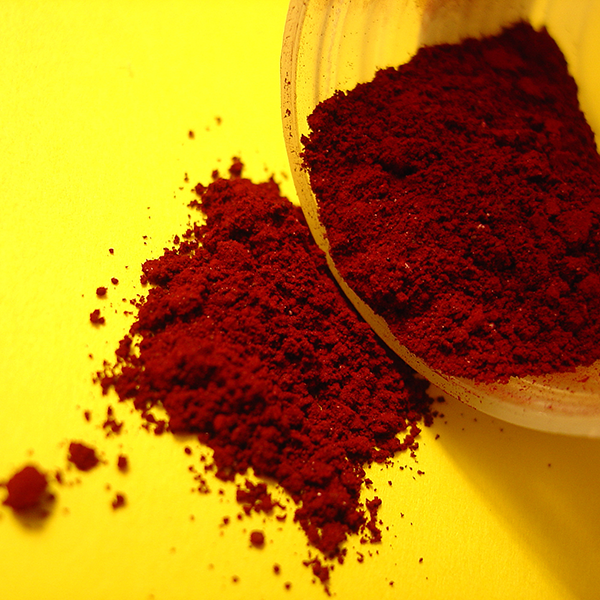
With a molecular weight of 330.206 and the molecular formula C14H6N2O8, pyrroloquinoline quinone is a chemical compound. This reddish-brown solid powder is a powerful redox cofactor that can speed up up to 20,000 redox reactions before breaking down. This is a much higher performance than most antioxidants. In contrast to other vitamins, PQQ directly promotes mitochondrial biogenesis, the process by which cells make new mitochondria to meet their energy needs. Because it can change the way cells talk to each other, it is very important for brain health, metabolic efficiency, and the repair of cells.
Natural Sources Versus Synthetic Production
PQQ is naturally found in fermented foods like natto, green tea, and some fruits like kiwi and papaya, but most people don't get more than 0.3 mg of it each day. Most PQQ sold in stores is made by bacteria fermenting sugars, mostly Hyphomicrobium denitrificans. This process creates bio-identical structures with higher purity levels. This PQQ comes from fermentation and makes sure that the amount of active ingredient stays the same.
This is very important for formulators who have to meet strict batch stability and pharmacopoeia standards. There are synthetic versions, but they often have leftover solvents and impurities that make safety tests and proving their effectiveness harder, especially for cosmetic and medicinal uses.
Health Benefits Supported by Clinical Research
Clinical studies have shown that PQQ can improve brain function, lower inflammation, and guard against neurodegenerative diseases. Pyrroloquinoline quinone is an antioxidant that does more than just get rid of free radicals. It also actively raises gene production that is linked to mitochondrial function and cellular stress tolerance. According to research published in reputable journals, taking PQQ supplements boosts mental recall, speeds up reaction times, and protects heart health. Because of these benefits that have been proven to work, PQQ is a high-end ingredient that can help functional drinks, sports nutrition products, and anti-aging skin care products stand out in the market.
How PQQ Levels Change Naturally with Age
Typical PQQ Concentrations Across Life Stages
During early childhood and infancy, PQQ levels stay high, which helps cells grow quickly, and the brain develops fully. Young people usually keep their concentration modest by what they eat and the way their bodies recycle waste. Concentrations drop about 15-20% between the ages of 40 and 60, which is the start of a noticeable decline.
Pyrroloquinoline quinone (PQQ) is a crucial redox cofactor and growth factor that supports mitochondrial biogenesis, and its decline parallels these age-related changes. The biggest drops are seen in older adults, whose PQQ levels are often 40–50% lower than those seen in younger people. This gradual loss is in line with normal aging-related decreases in brain function, energy levels, and mitochondrial density.
Biological Mechanisms Behind Age-Related Decline
As we age, our mitochondria become much less efficient because of damage from free radicals and problems with quality control systems like mitophagy. As mitochondria break down, cells' ability to use and regenerate PQQ also decreases. This creates a downward loop that speeds up the ageing process. A condition called "inflammaging" causes continuous low-grade inflammation that raises reactive stress and lowers antioxidant stores, including PQQ. These problems are made worse by slower metabolic turnover and less absorption of nutrients in the digestive system. This makes it harder for the body to keep up proper PQQ levels through food alone.
Clinical Implications for Product Development
The fact that PQQ levels drop with age makes it clear why focused supplementation methods are important. There is a statistical link between low PQQ levels and neurodegenerative conditions like mild cognitive impairment and metabolic diseases like insulin resistance. These clinical insights can help B2B clients who are making nutritional supplements for seniors market their goods as science-backed ways to age in a healthy way. Formulations that focus on mitochondrial health, mental clarity, and long-lasting energy release are exactly what people want in the wellness and longevity markets, especially adults over 50 who care about their health.
Comparing PQQ with Other Popular Antioxidants and Compounds
PQQ Versus CoQ10: Synergistic Mitochondrial Support
PQQ helps brand-new mitochondria form, while Coenzyme Q10's main job is to carry electrons within mitochondria that are already there. CoQ10 boosts the energy output of cells, while pyrroloquinoline quinone stops mitochondrial loss that comes with getting older at its source. A lot of formulators mix these substances together, taking advantage of the ways that they work together to give complete mitochondrial support.
Clinical studies show that when PQQ and CoQ10 are given together, they work better than either one alone at improving brain ability and reducing tiredness. Pharmaceutical companies and over-the-counter (OTC) businesses that want strong evidence to back up their product claims like this combo.
Resveratrol and Nicotinamide Riboside Comparisons
Resveratrol turns on sirtuins, which are proteins linked to life, but it is not very bioavailable and is broken down quickly. Nicotinamide riboside (NR) raises NAD+ levels to help cells heal themselves, but it needs to be supplemented regularly with a high amount. When compared to NR, PQQ is more stable in formulation materials and shows bioactivity at lower amounts (10–20 mg daily on average).
Because it dissolves easily in disodium salt and is a dark brown colour, it can be used in many different useful drinks and cosmetics. When purchasing ingredients, procurement teams like PQQ because it has a better cost-to-effectiveness ratio and fewer manufacturing needs than other longevity chemicals.
Organic Versus Synthetic PQQ: Quality Considerations
Fermentation-derived pyrroloquinoline quinone meets the standards for organic certification and is in line with what consumers want from clean labels. This is especially important for beauty and personal care brands that want to show they care about the environment. Synthetic production could add small amounts of contaminants that can be found using HPLC analysis.
This could lower the chromatographic purity below the level of 99.0% in the business. Suppliers who offer full certificates of analysis (COA) that include heavy metal profiles (Lead, Arsenic, Cadmium, Mercury <10ppm total) and residue liquid testing give buyers the peace of mind they need to follow the rules. Documentation that shows where the raw materials came from and where the finished powder came from helps buyers feel confident in the supply chain and meets the standards for FSSC and HACCP approval.
Procurement Insights: How to Source Quality PQQ as It Declines with Age
Supplier Evaluation and Certification Standards
To find trusted PQQ suppliers, production qualifications must be carefully checked. Facilities that are GMP-certified and have specialised cleanrooms (Class 10,000 or better) make sure that product quality is always the same and that pollution risks are kept to a minimum. International certificates like ISO22000, HACCP, HALAL, KOSHER, and USDA/EU Organic show that the product meets the needs of a wide range of markets.
Reliable sellers give batch-specific paperwork that includes MSDS safety data, microbiological testing (total plate counts <1000 CFU/g with zero pathogen tolerance), and stable studies that show how long the product will last in storage at certain temperatures and conditions. Pyrroloquinoline quinone is no exception to this rigorous standard, as its stability and purity directly affect its bioactivity, so pharmaceutical companies and companies that make traditional Chinese medicines that need pharmacopoeia-grade raw materials can't go without these quality guarantees.
Checking a supplier's professional skills is more than just looking at their certifications. New ways of making things, like using enzymes to break down substances, nano-encapsulation, and liposome encapsulation, make PQQ more bioavailable and give you more options for how to make it. Suppliers who offer more than one way to remove can meet different quality needs and cost limits.
Manufacturers that control the whole process, from growing the raw materials to finishing the products, offer better quality control and tracking. Purchasing managers can get more from their suppliers if those suppliers have dedicated research and development teams that can help them with technical questions about how to make formulations better and give more advice that is specific to the people they are trying to reach.
Bulk Purchase Strategies and Cost Optimization
Prices for PQQ change depending on the quality grade, the number of orders, and how the market is doing with demand. Most of the time, buying in bulk is cheaper than ordering in small amounts, but the minimum order quantities (MOQ) vary a lot from seller to supplier. By making long-term deals with suppliers, you can lock in good prices and make sure you have enough inventory during times of high production.
A flexible minimum order quantity (MOQ) and a range of packing choices, from lab samples to multi-kilogram drums, are very helpful to traders and wholesalers who work with more than one brand. Lead times, which are usually between two and four weeks for normal orders, help procurement teams keep track of supplies and avoid costly production delays.
Navigating Regulatory Compliance for Global Distribution
Different rules apply to the use of pyrroloquinoline quinone in cosmetics, useful foods, and dietary supplements in different international markets. The US makes PQQ disodium salt GRAS, which makes it easier for health products to get into the market. Novel Food Regulations in the European Union require pre-market authorisation with thorough safety reviews. Some Asian markets, like Japan and South Korea, have strict rules about cleanliness and labelling.
Import processes are sped up when suppliers provide all the paperwork needed for customs approval, such as phytosanitary certificates, country-of-origin statements, and FDA registration numbers. Cross-border operations need temperature-controlled shipping (2-8°C refrigeration) and light-protective packing to keep PQQ stable during transport. This is especially important for cosmetic-grade uses that need uniform colour and potency.
Supporting Aging Populations with PQQ Supplement Solutions
Recommended Dosages Across Age Groups
Clinical research has shown that PQQ doses between 10 mg and 20 mg daily are helpful for adults. Some studies have even used up to 40 mg for specific treatment goals. Pyrroloquinoline quinone, the bioactive compound behind these dosing regimens, exhibits dose-dependent effects that vary by age and metabolic demand. Adults between the ages of 40 and 60 can usually benefit from taking 10-15 mg every day to keep their mitochondrial function and brain power up. Seniors may need higher amounts (20 mg or more) to make up for the fact that they absorb less and have more reactive stress.
Safety studies show that these levels are well tolerated, with no major side effects reported in tests that lasted up to 12 weeks. For those who want to make supplements for kids or athletes, they should read specialised books and follow the rules set by the government, because the best ways to dose these supplements are very different from those used for adults' lives.
Formulation Strategies for Enhanced Bioavailability
To get the most uptake out of pyrroloquinoline quinone, you need to carefully consider its physicochemical features when designing the formulation. The disodium salt form dissolves better in water than the acid form, which makes it perfect for useful drinks and liquid vitamins. When you mix PQQ with healthy fats or liposomal delivery methods, the lymphatic routes work better to absorb the nutrients.
Combining PQQ with CoQ10, B-vitamins, or omega-3 fatty acids in synergistic combinations boosts the benefits for mitochondria while giving overall nutritional support. Whether a product comes in pills, tablets, powders, or ready-to-drink drinks affects how well it works with customers and how it is positioned in the market. Encapsulation methods keep PQQ from breaking down while it's being stored, which is especially important for items that need to last a long time.
Stability factors have a big impact on recipe choices. Because PQQ is sensitive to light, finished goods need to be packed in dark or amber materials. Controlling moisture with desiccant and vacuum-sealed aluminium foil packaging keeps things from breaking down in places with a lot of humidity. Adding natural stabilisers and antioxidant matrices to PQQ makes the product last longer without affecting the clean-label claims. Small-batch custom formulation support from suppliers helps startup teams make niche supplement brands. This lets them make quick prototypes and test the market before ramping up to commercial production numbers.
Conclusion
Knowing how PQQ levels drop with age is important information for business-to-business people who are making new health goods. It is known that as people age, their mitochondrial function and antioxidant ability decrease. This opens up huge market possibilities in functional foods, beauty products, and pharmaceutical research. Pyrroloquinoline quinone—a redox-active cofactor with potent neuroprotective and mitochondrial-supporting properties—lies at the heart of these age-related interventions.
When purchasing managers know about pyrroloquinoline quinone's biochemical processes, its benefits over other compounds, and quality buying strategies, they can make smart choices that improve the effectiveness of products and build trust with customers. Brands can take advantage of the growing demand for anti-aging products backed by science by forming strategic relationships with certified suppliers that offer full testing, legal paperwork, and technical support.
FAQ
Q1: How does PQQ compare to other mitochondrial support ingredients?
Instead of just improving the performance of current mitochondria as CoQ10 does, PQQ specifically encourages mitochondrial biogenesis, which means the growth of new mitochondria. Its high catalytic efficiency lets it do redox cycling over and over, which means that smaller doses are still useful. Formulations that use both compounds together give better results than goods that only use one element.
Q2: What should procurement teams prioritize when selecting PQQ suppliers?
Critical evaluation factors include certification files (GMP, ISO22000, HACCP, Organic), batch paperwork (COA with heavy metals and microbial testing), production method (fermentation vs. synthesis), and regulatory compliance support (GRAS status, Novel Food authorisation). Suppliers with vertical integration and technical know-how add value by giving advice on recipe and ensuring uniform quality.
Q3: Can PQQ be safely used in long-term supplementation protocols?
Up to 12 weeks of clinical studies show that amounts up to 40 mg per day have no major side effects and are very safe. Long-term use is supported by toxicology studies, but it is still a good idea to keep an eye on it and stick to the suggested dosages for user safety and to follow the rules set by the government.
Partner with BIOWAY for Premium Pyrroloquinoline Quinone Supply
If you need to buy pharmaceutical-grade raw materials that meet the highest worldwide standards, BIOWAY INDUSTRIAL GROUP LTD is ready to help you. Our vertically integrated operations include an organic farming base of 100 hectares on the Qinghai-Tibet Plateau and a modern production center of 50,000 square meters with ten specialised extraction lines and a Class 10,000 cleanroom that is 1,200 square meters in size. We have been a seller of pyrroloquinoline quinone for a long time, and the chromatographic purity we offer is ≥99.0%. This is proven by strict HPLC testing, full heavy metal screening, and full bacterial certification.
Our 15-year R&D team helps functional beverage makers, cosmetic brands, and pharmaceutical producers improve the bioavailability and stability of their products through technical formulation support. We keep all of our certifications up to date, such as cGMP, ISO22000, FDA, FSSC, HALAL, KOSHER, BRC, and USDA/EU Organic. This makes sure that we always follow the rules in all of our global markets.
We can work with both startup innovation teams and big producers who need a steady supply of goods over the long term because our MOQ choices are open, we can do rapid sampling, and our US warehouse is 3,000 square meters. Email our team at grace@biowaycn.com to talk about unique solutions for your anti-aging product development projects and to get full specs as well as cheap bulk prices for premium PQQ powder.
References
1. Stites, T., Storms, D., Bauerly, K., et al. (2006). "Pyrroloquinoline Quinone Modulates Mitochondrial Quantity and Function in Mice." Journal of Nutrition, 136(2), 390-396.
2. Harris, C.B., Chowanadisai, W., Mishchuk, D.O., et al. (2013). "Dietary Pyrroloquinoline Quinone Alters Indicators of Inflammation and Mitochondrial-Related Metabolism in Human Subjects." Journal of Nutritional Biochemistry, 24(12), 2076-2084.
3. Nakano, M., Yamamoto, T., Okamura, H., et al. (2015). "Effects of Oral Supplementation with Pyrroloquinoline Quinone on Stress, Fatigue, and Sleep." Functional Foods in Health and Disease, 5(6), 198-208.
4. Akagawa, M., Nakano, M., Ikemoto, K. (2016). "Recent Progress in Studies on the Health Benefits of Pyrroloquinoline Quinone." Bioscience, Biotechnology, and Biochemistry, 80(1), 13-22.
5. Rucker, R., Chowanadisai, W., Nakano, M. (2009). "Potential Physiological Importance of Pyrroloquinoline Quinone." Alternative Medicine Review, 14(3), 268-277.
6. Zhang, Y., Feustel, P.J., Kimelberg, H.K. (2006). "Neuroprotection by Pyrroloquinoline Quinone Against Oxidative Stress in a Transgenic Mouse Model of Alzheimer's Disease." Journal of Neuroscience Research, 84(8), 1771-1779.
Contact Us
Grace HU (Marketing Manager) grace@biowaycn.com
Carl Cheng ( CEO/Boss ) ceo@biowaycn.com
Website: www.biowaynutrition.com
Post time: Jul-15-2026