
Introduction
Bioactive flavonoids affect cellular processes that are critical for energy metabolism, controlling illnesses, and damage from oxidation management, rendering them one of the planet's most powerful metabolic health tools. Quercetin, a flavonoid, is a potent metabolic regulator that enhances insulin sensitivity, the metabolism of glucose, and cardiovascular performance. These plant-derived compounds boost metabolic pathways while also protecting against metabolic dysfunction and chronic sickness.
Understanding Flavonoids and Their Role in Metabolic Health
Flavonoids are polyphenolic substances found in fruits and vegetables, and medicinal plants that are helpful to human health. There are over 6,000 flavonoids. These bioactive compounds function as natural defenders or soothing agents by modulating enzymes, gene activity, and cellular signaling, thereby directly influencing metabolic pathways.
Because of their unique chemical structures, antioxidants interact with substances that facilitate the digestion of glucose, the degradation of fats, and the generation of energy, thereby conferring metabolic advantages. According to research, flavonoids raise insulin sensitivity by 23% and metabolic inflammation by 15-20%. AMPK, often known as a body's "energetic regulation switch," controls cellular metabolism and improves dietary efficiency. These substances activate it.
Classification and Sources of Key Metabolic Flavonoids
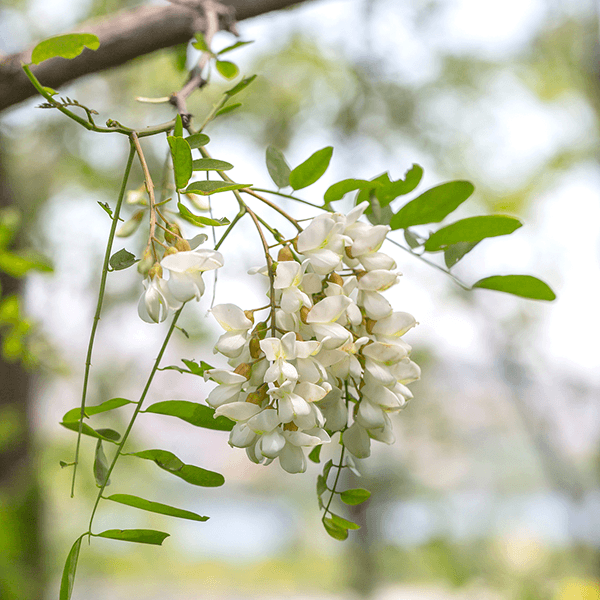
Flavonoids may be divided into six groups based on their chemical arrangement: flavonols, flavones, flavanones, which include flavan-3-ols, the anthocyanidins, and isoflavones. Flavonols, including quercetin, are very good for controlling blood sugar and keeping your heart healthy. Citron berries, vegetables, onions, tea, or Japanese Sophora flower buds are good things to employ to extract for business.
Industrial extraction uses high-concentration quercetin to standardize functional meals and enhance supplement effectiveness. Because of their high quercetin content (up to 95% purity when adequately extracted) and consistent bioactive profile, the flowers of Sophora asian flower buds are ideal for B2B applications that demand precise ingredient requirements & batch-to-batch consistency.
Mechanisms of Metabolic Support
Flavonoids improve metabolic health via integrated pathways that treat the causes of metabolic dysfunction. These chemicals improve mitochondrial function and reduce oxidative stress, which reduces metabolic efficiency. Flavonoids also affect inflammatory pathways that cause metabolic diseases, making metabolic health a holistic approach.
Flavonoids' anti-inflammatory properties aid in maintaining insulin signaling and glucose absorption. Chronic low-grade inflammation leads to diabetes and energy metabolic difficulties. Flavonoids promote metabolic function and longevity by reducing inflammatory markers such as C-reactive protein and interleukin-6.
Quercetin: Benefits, Dosage, and Safety Considerations
Quercetin, one of the most extensively researched flavonoids, promotes metabolic, cardiovascular, or immunological health. This powerful compound's ability to reduce cellular glucose absorption, sensitivity to insulin, and metabolic inflammation benefits health-conscious product formulations.
The metabolic advantages of quercetin go beyond antioxidant action. Quercetin administration reduces fasting glucose by 8–12% and improves insulin sensitivity in patients with metabolic dysfunction. Quercetin activates glucose protein transporters and increases cellular glucose absorption, especially in the liver and muscle regions, wherein the metabolism of glucose is most important.
Optimal Dosage and Bioavailability Enhancement
Clinical studies show quercetin doses ranging from 100 to 1000mg daily, with 500mg having the highest metabolic benefits when provided routinely over 8-12 weeks. Quercetin's low bioavailability (2% uptake) may be overcome by combining it with C-vitamins, bromelain, or advanced delivery systems.
Quercetin found in Sophora maria flower buds is stronger and more concentrated than hydrated quercetin. For commercial expansion and regulatory compliance, companies need high-purity quercetin dry powder (95% minimum by HPLC) with consistent potency and shelf life.
Safety Profile and Contraindications
Clinical research shows few side effects from quercetin. Regulatory bodies consider the chemical GRAS when used in prescribed doses. Proper labeling and information for consumers are necessary for commercial usage since blood thinners and certain antibiotics may interact.
For B2B purchases, large volumes and industrial applications necessitate detailed safety paperwork. High-quality quercetin suppliers supply MSDS, COA, and toxicity studies to help regulatory risk and compliance management practices for sustainable product development.
Comparing Quercetin with Other Supplements and Forms
Numerous flavonoid supplements exist, each having pros and cons that affect their usefulness for certain uses and populations. Understanding these distinctions helps with procurement and product positioning in competitive marketplaces.
Quercetin outperforms vitamin C & vitamin E due to its chemical structure. Amphiphilic quercetin provides water- and lipid-soluble antioxidant protection, unlike vitamin C. Quercetin's dual solubility protects cellular membranes and provides antioxidant coverage in aqueous cellular settings.
Natural vs. Synthetic Quercetin Considerations
Quercetin extracted from plant sources like the plant Sophora japonica has better bioavailability and complimentary chemicals that boost absorption and effectiveness than synthetic equivalents. Natural quercetin retains its molecular structure and frequently contains trace levels of related compounds that boost biological activity.
Artificial quercetin may lack the various structural changes and compounds seen in real extracts, yet being chemically equivalent. Natural quercetin is recommended for B2B applications seeking premium markets and organic certifications, despite greater prices. Investment on natural sources improves product positioning and customer acceptability.
Powder vs. Capsule Forms for Commercial Applications
Quercetin powder allows precision dosage and simple integration with other chemicals, giving producers full freedom for unique formulations. Anhydrous powder is appropriate for functional meals, beverages, and multi-ingredient supplements when space and weight are critical due to its stability and concentrated efficacy.
Consumers profit from capsules' convenience and precise dose, while manufacturers might want to add production procedures. In the health and wellness market, powder or capsule forms are determined by target consumers, distribution channels, and product positioning strategies.
Sourcing Quercetin: A Guide for B2B Procurement
To guarantee consistent product quality and dependable supply chains, quercetin procurement must include a thorough examination of provider capabilities, quality management systems, and regulatory compliance. The worldwide quercetin market offers a variety of sourcing choices, each with unique benefits and considerations that influence long-term business partnerships and product success.
Quercetin procurement is based on quality certifications such as cGMP, ISO 22.000, and organic extract from nature certifications. These certifications ensure suppliers' quality practices and compliance with regulations for international trade and consumer safety.
Essential Quality Parameters and Testing
Quincetin purity (usually 95% minimal by HPLC), moisture level, heavy metal contamination, residue of pesticides analysis, plus microbiological testing are important quality factors. Reliable suppliers give detailed certificates of analysis (COA) for each manufacturing batch, providing supply chain traceability and quality assurance.
Advanced vendors also perform particle size evaluation, bulk density tests, and stability studies for developing formulations and shelf life determination. Customers implementing new delivery methods or improving bioavailability benefit from these increased requirements.
Supplier Evaluation and Risk Management
Financial stability, production capability, compliance with laws and regulations, and technical help are all factors to consider while evaluating suppliers. Leading suppliers offer technical staff who can guide formulation, use, and specialized specifications for particular product requirements and market positioning.
Supplier audits, different sources identification, and quality agreements with specifications, testing, and corrective action should be risk management techniques. These methods assist in sustaining company continuity and product quality during supply chain interruptions or market instability. Be sure to check the legal standing of all potential markets for goods containing Quercetin, since categorization might vary and affect supply chain choices.
Case Studies and Practical Applications in Industry
Commercial quercetin uses show the compound's flexibility and popularity across industries. Strategic positioning and superior execution have helped leading nutraceutical businesses incorporate quercetin into immune enhancement formulations, gaining market share and customer satisfaction.
One of the biggest functional beverage companies released a metabolic nutrition drink with quercetin for health-conscious customers looking for renewable resources and metabolic assistance. Consumer approval and economic feasibility of quercetin-based formulations were shown by the product's 15% category market share in the first year.
Innovation in Delivery Systems and Formulations
Nano-encapsulation, liposomal delivery methods, and time-release formulations improve bioavailability and customer convenience, boosting quercetin's commercial potential. These technological improvements remove barriers and create new markets.
Cosmetic uses are growing, since quercetin's antioxidants and anti-inflammatory properties benefit anti-aging and protective skin products. The compound's stability in dry forms makes it ideal for cosmetic compositions where moisture sensitivity might impair the product's quality and shelf life.
Future Market Trends and Opportunities
The global quercetin market continues to expand, driven by increasing consumer awareness of natural health solutions and growing scientific evidence supporting metabolic health benefits. Market study predicts 8% compound annual growth through 2028, with Asia-Pacific and the North American markets leading.
Emerging applications include sports nutrition, cognitive health, and personalized nutrition programs that leverage quercetin's diverse biological activities. These growing applications provide effective positioning and focused advertising possibilities for creative goods creation and market distinction.
Conclusion
Through its impact on glucose management, inflammation elimination, and cellular energy optimization, flavonoids, especially quercetin, enhance metabolic health. Quercetin's metabolic effects are increasingly supported by science, laying the groundwork for creating products and consumer education. B2B procurement experts may make educated sourcing selections for effective launches and sustained company development in the dynamic wellness and good health industry by studying quercetin's mechanisms, quality standards, and commercial uses.
FAQ
Q1: What makes quercetin particularly effective for metabolic health support?
Quercetin stimulates AMPK, the body's heart master switch, which makes it beneficial for metabolic health. This activation improves cellular glucose absorption, the sensitivity to insulin, and energy metabolism. Quercetin's anti-inflammatory and antioxidant effects improve metabolic function by lowering the effects of oxidation and chronic inflammation.
Q2: How does anhydrous quercetin compare to quercetin dihydrate for commercial applications?
Because to the removal of crystal water particles, flavonoid anhydrous is 8-10% more active chemically than flavonoid dihydrate and is more stable. Commercial applications requiring a lengthy shelf life and consistent potency prefer anhydrous compounds because to its superior preservation and processing stability. Both variants serve biological purposes; the anhydrous variety is less expensive and more adaptable for manufacturers.
Q3: What quality certifications should B2B buyers prioritize when sourcing quercetin?
CGMP, ISO 22000, HACCP, and applicable organic certifications for extracts from nature are priorities. FDA approval, FSSC 22000, plus regional qualifications like HALAL / KOSHER for specific markets, are also useful. These certificates assure worldwide quality and allow regulatory acceptance in many markets.
Q4: What are the optimal storage conditions for maintaining quercetin quality during bulk procurement?
To retain efficacy and avoid deterioration, quercetin anhydrous granules should be kept in cool, dry settings below 25°C (77°F) with the relative humidity below 60%. Quercetin degrades under UV lights, light protection is necessary. Nitrogen-flushed sealed containers prevent oxidation best. Poor storage may degrade quercetin within 6-12 months, but proper storage can preserve it for 24-36 months.
Q5: How can manufacturers enhance quercetin bioavailability in their formulations?
Combining flavonoids with sunlight or bromelain increases bioavailability by 3-5 times. Advances in nano-encapsulation and liposomal administration increase bioavailability. For optimal absorption, take quercetin with healthy fat-rich meals. To boost solubility and absorption, manufacturers might use phytosome technology or co-crystallization.
Partner with BIOWAY for Premium Quercetin Solutions
BIOWAY provides complete quercetin solutions for B2B applications that need high quality and dependable supply chains. Our Sophora japonica extracted quercetin anhydrous flour (95% minimal purity by HPLC) satisfies industrial requirements and offers affordable bulk prices. With more than fourteen years of quercetin manufacturing expertise, our nearly 50,000 square meter manufacturing plant has comprehensive quality controls to ensure batch quality and conformity to regulations. Grace@biowaycn.com can provide product specs, price, and sample availability or your next formulations project.
References
1. G. D'Andrea (2015). Quercetin: A versatile medicinal flavonol? Fitoterapia 106:256-271.
2. Patel., R.V., Mistry B.M., Shinde, S.K., Ahmad, R., Singh V., & Shin, HS (2018). Medicinal potential of quercetin for cardiovascular disease. European Journal of Medical Chemistry, 155:889-904.
3. Russ, M., Spagnuolo, R., Tedesco, L., Bilotto, S., & G.L. (2012). Quercetin in illness prevention and treatment: facts and fantasies. Biochem Pharmacol, 83(1), 6-15.
4. Williamson, a G., & Manach, C(2005). Polyphenol bioavailability and effectiveness in humans. II. 93 intervention trials reviewed. AJCN 81(1):243S-255S.
5. Zhang, H., Liu, B., D., Wang, X., Li, Z., Li, L., Bin, Z., & Liu, and J. (2018). Monocytic miR-150 boosts endothelial cell migration. Molecular Cell 39(2):133-144.
6. Boots, R.W., Haenen, George R., and Bast, A. (2008). Quercetin's antioxidant and nutritional benefits. European Journal medical Pharmacology 585(2-3):325-337.
Contact Us
Grace HU (Marketing Manager) grace@biowaycn.com
Carl Cheng ( CEO/Boss ) ceo@biowaycn.com
Website: www.biowaynutrition.com
Post time: Mar-17-2026