
Introduction
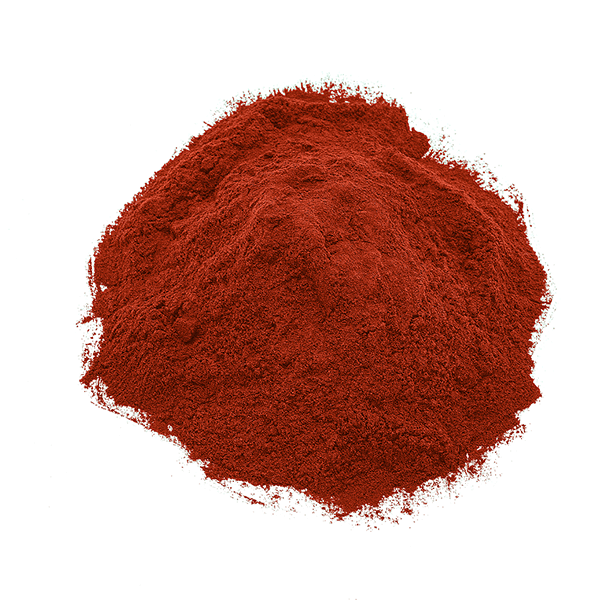
Pyrroloquinoline quinone (PQQ), a novel redox cofactor, boosts cognitive function by stimulating mitochondrial biogenesis and protecting brain cells from oxidative damage. This new molecule, C14H6N2O8 with CAS number 72909-34-3, catalyzes brain cellular energy generation, making it an essential element for cognitive health products. Traditional antioxidants diminish after single-use reactions, while PQQ may endure hundreds of redox cycles, offering prolonged neuroprotective advantages that boost memory, attention, and brain function for end users.
Understanding Pyrroloquinoline Quinone (PQQ) and Its Role in Cognitive Health
Pyrroloquinoline quinone is a redox cofactor that may be found naturally in a variety of foods; however, to achieve therapeutic dosages, it must be supplemented. This quinone marks a significant achievement in the field of cognitive enhancement research. The concentrated bioactive nature of the molecule is reflected in its characteristic reddish-brown powder look, which is characterized by chromatographic purity that is more than 99.0% as determined by HPLC analytical examination. This particular methoxatin derivative stands out from other common substances for brain health due to the fact that it has a molecular count of 330.206 and an extraordinary stability profile.
Molecular Mechanisms Behind Cognitive Enhancement
The capacity of PQQ to pass the barrier between the brain and the blood and directly alter mitochondrial activity inside neural tissues is the source of the cognitive advantages that it provides. This redox cofactor, according to research, is responsible for promoting the formation of new mitochondria via a process known as mitochondrial biogenesis. As a result, the brain's ability to produce energy is effectively increased. This increased cellular energy results in quicker neurotransmitter production, faster transmission of signals between neurons, and an overall improvement in the speed at which cognitive processing occurs.
PQQ supplementation has been proven to result in meaningful increases in tasks utilizing working memory and focus span after only twelve weeks of constant usage, according to clinical trials. These effects are accomplished by the drug by concurrently boosting the production of nerve growth factors (NGF), a protein that is essential for the development and maintenance of neurons. While doing so, the substance reduces the amount of oxidative stress that is present in brain cells.
Bioavailability and Absorption Characteristics
When compared to alternatives that are encapsulated, a powdered form of PQQ has a higher bioavailability. This is especially true when the powdered form is combined with the disodium salt variety. Because of its improved absorption profile, it is an appealing ingredient for makers of functional beverages and nutraceutical firms who are looking to achieve the highest possible level of effectiveness in their mental state products. The fact that high-quality PQQ powder is water-soluble makes it possible to create a wide variety of formulation possibilities that may be used to a variety of product categories.
Proven Cognitive Benefits and Research Insights on PQQ
Extensive clinical study has shown that PQQ is effective in a variety of cognitive domains, which establishes it as a scientifically supported component for B2B procurement experts who are looking for evidence-based solutions. The neuroprotective characteristics of the chemical go beyond basic antioxidant activity and include the promotion of neuroplasticity as well as the prevention of cognitive aging.
Memory Enhancement and Neural Plasticity
Studies that were conducted using a placebo-controlled, double-blind design have repeatedly shown that PQQ has the capacity to enhance the development of short- and long-term memories. When compared to the control groups, the participants who were given daily doses of 20 milligrams had substantial gains in memory recall tests. The advantages of the supplementation were evident to the participants within eight to twelve weeks. Because it encourages the establishment of new connections between neurons, the chemical improves neuronal plasticity. This, in turn, makes it possible for the brain to evolve and acquire knowledge more effectively.
It has been discovered via research carried out at prestigious institutions that taking PQQ supplements may raise levels of BDNF (brain-derived neurotrophic factor) by as much as thirty percent. BDNF is a protein that is necessary for the survival and development of neurons. There is a clear correlation between this metabolic alteration and enhanced cognitive performance measures across a wide range of cognitive performance parameters.
Attention and Focus Improvements
Pyrroloquinoline quinone has been shown to improve sustained attention and minimize mental fatigue in cognitive activities in clinical studies. Participants' response speeds dropped 15% following 12 weeks of medication on attention-based tests. These benefits may be due to improved mitochondrial efficiency in executive functions and attention control brain areas.
Safety Profile and Dosage Guidelines
The high tolerability profile of PQQ has been proven across a wide range of demographic groups via the use of comprehensive safety investigations. The cognitive advantages of daily doses ranging from 10 to 40 milligrams have been supported by clinical studies, and there have been no major side effects recorded at the suggested higher levels. As a result of this advantageous safety margin, PQQ is an appealing component for makers of consumer products who are worried about compliance with regulations and product responsibility.
According to the findings of toxicological tests, PQQ has been given the GRAS (Generally Accepted as Safe) designation in the United States. Additionally, regulatory agencies in Europe have given their approval for its usage as a new food additive. The procurement specialists are able to have trust in the economic viability and market acceptability of the ingredient as a result of these regulatory approvals.
Market Landscape and Procurement Considerations for PQQ
Because of the growing awareness of brain health and cognitive improvement among consumer and healthcare experts, the worldwide market for PQQ has undergone significant expansion in recent years. Procurement teams are able to make strategic procurement choices that strike a balance between cost-effectiveness and quality assurance needs when they have a thorough understanding of the dynamics of the market.
Quality Standards and Certification Requirements
High-quality PQQ powder must meet stringent purity specifications, with HPLC analysis confirming minimum 99.0% chromatographic purity. Leading suppliers provide comprehensive certificates of analysis documenting heavy metal content, microbial testing results, and residual solvent levels. These quality parameters become particularly important for pharmaceutical and nutraceutical applications where product consistency directly impacts efficacy and regulatory compliance.
Manufacturing standards play a crucial role in procurement decisions, with GMP-certified facilities offering greater assurance of product quality and batch-to-batch consistency. Suppliers operating under ISO22000, HACCP, and other internationally recognized quality systems provide additional confidence for B2B buyers concerned about supply chain reliability.
Supplier Evaluation Criteria
Successful PQQ procurement requires careful evaluation of supplier capabilities beyond basic product specifications. Key considerations include production capacity, quality control systems, regulatory compliance history, and technical support capabilities. Pyrroloquinoline quinone, as a high-purity bioactive compound, demands particularly stringent quality control measures throughout the supply chain to ensure its stability and efficacy. Suppliers with dedicated R&D teams can provide valuable formulation guidance and troubleshooting assistance throughout product development cycles.
Supply chain transparency has become increasingly important as consumers and regulatory bodies demand greater visibility into ingredient sourcing and manufacturing processes. Suppliers offering detailed documentation of raw material origins, processing methods, and quality control measures provide competitive advantages for downstream manufacturers.
Pricing Dynamics and Market Trends
PQQ pricing reflects the compound's sophisticated production requirements and limited supplier base. Bulk purchasing typically yields significant cost advantages, with price breaks becoming available at quantities exceeding 25-50 kilograms depending on supplier policies. Long-term supply agreements can provide additional cost benefits while ensuring consistent availability for ongoing product lines.
The trends in the market suggest that there is an increasing demand across a variety of application sectors, such as cognitive health supplements, functional beverages, and sports nutrition. This growing demand base helps to maintain price stability while also stimulating continuous investment in capacity for production and quality enhancements.
How to Integrate PQQ into Your Product Line or Wellness Solutions
In order to achieve successful PQQ integration, it is necessary to give careful thought to the formulation needs, target the population, and regulatory limitations across all desired markets. Because of its adaptability, the chemical may be used in a wide variety of product categories, ranging from conventional dietary supplements to cutting-edge functional foods and drinks.
Formulation Strategies and Compatibility
Because of its high solubility in water and chemical stability, PQQ is compatible with the majority of the supplement formulations that are currently in use. When it comes to capsule fills, pill matrices, and liquid formulations, the powder form may be easily included without the need for specialist processing equipment or processes. Formulators enjoy the neutral taste profile of PQQ since it reduces the influence on the palatability of the product even when it is administered in therapeutic amounts.
In order to generate synergistic effects that improve the overall effectiveness of the product, combination formulations that include PQQ in addition to complementing substances such as CoQ10, B-vitamins, and omega-3 fatty acids may be advantageous. The use of these multi-ingredient techniques enables producers to distinguish their goods while also offering full support for cognitive health.
Application Categories and Market Opportunities
The growing awareness of cognitive health has created opportunities across multiple product categories. Nutritional supplements represent the largest market segment, with standalone PQQ products and combination formulas both showing strong consumer acceptance. Pyrroloquinoline quinone, commonly known as PQQ, is the key bioactive ingredient driving these supplement trends due to its role in mitochondrial biogenesis. Sports nutrition applications leverage this compound's energy-enhancing properties to support mental clarity during physical performance.
Manufacturing companies that produce functional beverages have started putting PQQ into energizers and nootropic beverages in order to capitalize on the growing interest among consumers in natural brain enhancers. The stability of the substance in liquid formulations makes it possible to design unique products while simultaneously satisfying the standards for clean labels that are being increasingly sought by customers who are concerned about their health.
Regulatory Considerations and Market Access
PQQ's regulatory status varies across global markets, requiring careful evaluation for international product launches. The ingredient's GRAS status in the United States provides clear regulatory pathways for food and supplement applications, while European Novel Food approval enables market access across EU member states. Asian markets generally recognize PQQ as a legitimate nutritional ingredient, though specific labeling and dosage requirements may vary by country.
In order to successfully enter a market, it is vital to have a thorough awareness of the local regulations and to collaborate with qualified regulatory advisors when appropriate. Throughout the process of product clearance, suppliers that possess robust regulatory support skills are able to provide helpful assistance.
Conclusion
Pyrroloquinoline quinone appeals to B2B procurement experts seeking scientifically validated cognitive improvement. The compound's unique mode of action, significant study, and good regulatory status make it a desirable addition to different product portfolios. PQQ's high purity, adaptable formulation, and rising market acceptability make it an excellent investment for cognitive health makers. PQQ's effectiveness, safety, and economic viability make it a strategic element that may differentiate goods in competitive marketplaces and benefit consumers.
FAQ
Q1: What makes PQQ different from other cognitive enhancement ingredients?
Pyrroloquinoline quinone distinguishes itself through its unique ability to promote mitochondrial biogenesis rather than simply providing antioxidant protection. While compounds like CoQ10 optimize existing mitochondrial function, PQQ actually stimulates the growth of new mitochondria within brain cells, creating lasting improvements in cellular energy production and cognitive capacity.
Q2: How should PQQ be stored to maintain its potency?
High-quality PQQ powder should be stored in cool, dry conditions away from direct sunlight to preserve its bioactive properties. Proper storage in sealed containers at temperatures below 25°C can maintain product stability for 24+ months, making it suitable for commercial product development with extended shelf-life requirements.
Q3: What dosage ranges are recommended for cognitive benefits?
Clinical studies support daily dosages between 10 - 40mg for cognitive enhancement, with most research focusing on 20mg daily doses. These levels provide optimal benefits while maintaining excellent safety margins, making them suitable for consumer product formulations across diverse demographic groups.
Q4: Is PQQ suitable for vegetarian and vegan products?
Yes, high-quality PQQ is produced through bacterial fermentation processes that do not involve animal-derived materials, making it fully compatible with vegetarian and vegan product formulations. This production method also supports clean label requirements increasingly important to health-conscious consumers.
Q5: What quality certifications should buyers look for in PQQ suppliers?
Reputable PQQ suppliers should provide GMP certification, ISO22000 compliance, and comprehensive certificates of analysis documenting purity levels exceeding 99.0% through HPLC testing. Additional certifications like HACCP, FDA registration, and organic credentials provide further assurance of product quality and regulatory compliance.
Partner with BIOWAY for Premium Pyrroloquinoline Quinone Solutions
BIOWAY INDUSTRIAL GROUP LTD provides high-quality PQQ powder for cognitive health product development. Modern extraction technology and cGMP, ISO22000, and Organic certifications assure product quality plus regulatory compliance at our 50,000+ square meter production facility. Our 100-hectare organic farming base and cutting-edge manufacturing capabilities provide high-quality inputs for your formulations as a leading quinone form supplier. To learn how our trustworthy, high-purity PQQ solutions may improve your mental wellness product line, email grace@biowaycn.com now.
References
1. Steinberg, F., Gershwin, M.E., & Rucker, R.B. (2003). Dietary pyrroloquinoline quinone: Growth and immune response in BALB/c mice. Journal of Nutrition, 133(7), 2142-2148.
2. Nakano, M., Ubukata, K., Yamamoto, T., & Yamaguchi, H. (2009). Effect of pyrroloquinoline quinone (PQQ) on the mental status of middle-aged and elderly persons. Food Style, 13(7), 50-53.
3. Ohwada, K., Takeda, H., Yamazaki, M., Isogai, H., Nakano, M., Shimomura, M., & Ito, M. (2008). Pyrroloquinoline quinone (PQQ) prevents cognitive deficit caused by oxidative stress in rats. Journal of Clinical Biochemistry and Nutrition, 42(1), 29-34.
4. W. Chowanadisai, Bauerly, K.A., E. Tchaparian, A. Wong, G.A. Cortopassi, and R.B. Rucker (2010). Pyrroloquinoline quinone initiates mitochondrial biogenesis by phosphorylating cAMP signal element-binding protein and upregulating PGC-1α expression. Biological Chemistry 285(1): 142-152.
5. Harris, C.B., Chowanadisai, W., Mishchuk, D.O., Satre, M.A., Slupsky, C.M., & Rucker, R.B. (2013). Dietary pyrroloquinoline quinone (PQQ) alters indicators of inflammation and mitochondrial-related metabolism in human subjects. Journal of Nutritional Biochemistry, 24(12), 2076-2084.
6. Zhang, Y., Feustel, P.J., & Kimelberg, H.K. (2006). Neuroprotection by pyrroloquinoline quinone (PQQ) in reversible middle cerebral artery occlusion in the adult rat. Brain Research, 1094(1), 200-206.
Contact Us
Grace HU (Marketing Manager) grace@biowaycn.com
Carl Cheng ( CEO/Boss ) ceo@biowaycn.com
Website: www.biowaynutrition.com
Post time: Mar-05-2026