
Introduction
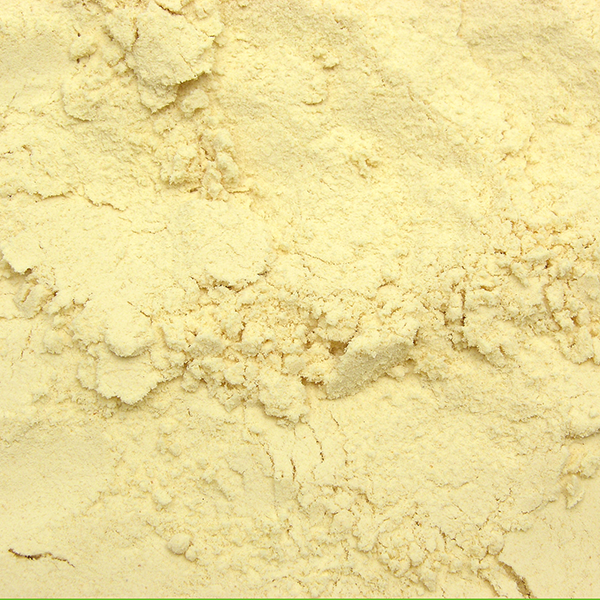
Buying high-purity soy peptide powder in bulk requires careful evaluation of supplier credentials, product specifications, and cost structures. Focus on verified certifications like GMP and ISO22000, precise molecular weight distribution reports, and transparent supply chain practices. Partnering with manufacturers that control organic cultivation and advanced enzymatic hydrolysis ensures consistent quality and competitive pricing for your functional food, sports nutrition, or clinical application needs.
Understanding High Purity Soy Peptide Powder
In terms of plant-based protein technology, High Purity Soy Peptide Powder is a major development. This beneficial nutrient comes from organic soybeans and is broken down by enzymes. It is made up of small peptides (usually less than 1,000 Daltons) that are more readily absorbed than whole soy protein. According to a study published in the Journal of Agricultural and Food Chemistry, these small molecules (peptides) get into the bloodstream quickly through special carriers in the intestines, instead of having to go through the energy-intensive processing process that whole proteins do. This makes them perfect for people whose digestive systems aren't functioning well, athletes who want to recover faster, and supplement users who prioritize bioavailability.
Defining Purity Standards in Soy Peptides
When we say "high purity," we're talking about three important factors: the molecular weight profile, the protein content (≥80–90%), and the peptide concentration (≥50–80%). High-quality goods have very little ash (≤8%), almost no heavy metal contamination, and pH levels that stay between 5 and 7. Instead of solidifying in acidic environments like standard soy protein isolates do, high-quality peptide powders stay soluble in pH ranges from 2.0 to 10.0. This makes them useful for a wide range of uses in beverages, clinical nutrition formulas, and cosmetics. As per the rules in GB/T 22492, premium grades also have lower allergenicity because the main proteins in soybeans that cause allergies, glycinin and beta-conglycinin, are broken down.
Applications Across Industries
Soy active peptides can be used in a lot of different B2B areas. They are used by functional food companies to make anti-aging drinks and heart health goods by using the blood pressure-lowering effects shown in clinical studies. They are mixed with BCAAs and creatine by sports nutrition brands to make plant-based recovery formulas for vegan athletes and people who can't handle lactose. Clinical nutrition firms use them for enteral feeding solutions and healing goods after surgery because they are easy to digest. The beauty industry likes them because they can help make collagen and get through skin barriers, which makes them useful in anti-aging serums and barrier-repair creams.
Comparing Soy Peptides to Alternative Proteins
The market for sports nutrition is dominated by whey protein, but Soy Peptides have their own benefits in some situations. They offer full amino acid profiles without dairy allergens, appeal to the growing group of plant-based consumers, and show similar muscle protein production rates when made properly. Due to their pre-digested peptide structure, Soy Peptides are more bioavailable than pea or rice proteins. In 2020, a study published in Clinical Nutrition found that 95% of hydrolyzed Soy Peptides were absorbed within two hours, compared to 70% for intact plant proteins. This makes them perfect for products whose main selling point is quick delivery of nutrients.
Core Criteria for Selecting Bulk Soy Peptide Suppliers
Picking the right provider has a big effect on the standard of your products, your ability to follow the rules, and your long-term profits. The choice goes beyond price comparisons and includes technical skills, tracking systems, and the ability to work together in a way that helps your brand grow.
Quality Metrics and Testing Protocols
Suppliers you can trust give you full paperwork for every batch. Important quality indicators include HPLC-SEC molecular weight distribution charts that show that more than 80% of peptides have a molecular weight of less than 1,000 Da, amino acid profile analysis that checks the important amino acid ratios, and TCA-soluble protein tests that tell the difference between real peptides and leftover intact proteins. For microbiological safety, the overall plate counts must be less than 10,000 CFU/g, and the Salmonella and E. coli tests must be negative. coli. International rules say that heavy metal levels must be below 0.3 mg/kg for arsenic and below 0.5 mg/kg for lead. Testing by a third party from a recognized lab adds credibility, especially when sending goods to controlled markets like the US and EU.
Certifications That Matter
Multiple certifications show that a business is operating well and can get into new markets. GMP certification shows that production controls are up to par for pharmaceuticals, and ISO22000 and HACCP certification show that food safety management systems are up to par. Clean-label brands like names that are certified as USDA Organic or EU Organic, which means they charge more. Certifications like Halal and Kosher let you sell to certain groups of people in the Jewish and Middle Eastern markets. FDA registration makes it easier for shipments going to the U.S. to get through customs. Certifications like BRC and FSSC 22000 show that a company follows international retail standards, which is very important for companies that sell to big supermarket chains.
Production Capacity and Customization
Check to see if your sources can grow with your business. A production capacity of more than 1,000 tons per year guaranties a steady supply during busy times. Advanced facilities should let you make your own choices, like custom molecular weight profiles for desired absorption rates, flavored or flavor-neutralized versions to deal with bitterness issues, and private label packaging services. Manufacturers with various extraction lines, such as production rooms specifically designed for cosmetic-grade and clinical-grade products, can offer a wider range of products. Class 100,000 cleanrooms make it possible to make pharmaceutical and high-end makeup ingredients that must meet strict standards for cleanliness.
Supply Chain Transparency and Traceability
Premium providers offer full tracking from growing the soybeans to packaging them. Vertically integrated businesses that manage organic farming lower the risks in the supply chain and use identity-preserved (IP) protocols to make sure that the products are not genetically modified. Suppliers who take care of their own planting bases, like high-altitude organic farms in the Qinghai-Tibet Plateau, can guaranty pesticide-free raw materials and stable prices that aren't affected by changes in the commodity market. Ask for detailed information, like the location of the farm, the dates of harvest, the batch numbers of the enzymes, and the timestamps for processing. This amount of openness is very important when regulatory checks are happening or when customers ask where ingredients come from.
Analyzing Pricing and Purchase Options for Bulk Soy Peptide
Procurement teams can get better prices without sacrificing quality if they know what causes costs to rise and how to buy things. Your bottom line and the dependability of your supply are directly affected by how you negotiate and choose your channels.
Factors Influencing Cost
Bulk price is based on a number of factors. The biggest difference in price is caused by purity grade: goods with 80% protein content cost 20–30% less than those with 90% protein content. Because of the higher cost of raw materials and certification fees, organic certification usually adds 15 to 25 percent to the base price. Molecular weight specifications affect prices; for example, ultra-low molecular weight peptides (below 500 Da) that need extra steps of hydrolysis command higher prices.
Order volume has a big effect on unit costs; orders over 5,000 kg often get discounts of 15–20% compared to orders below 500 kg. Soybean harvest cycles cause price changes between Q4 (harvest season) and Q2 (pre-harvest shortage), so seasonal factors are also important. Soy Peptide pricing reflects these variables, with tighter specifications and organic certification commanding premiums that must be weighed against formulation performance benefits.
Direct Manufacturers Versus Distributors
When you buy directly from makers, you can save a lot of money. Usually, the prices are 20–40% lower than those at distributors, especially for container loads. Customization, faster problem settlement, and better payment terms are all possible through direct connections. Manufacturers who have exported before are better at managing logistics, paperwork, and following rules. Distributors, on the other hand, add value by combining shipping for smaller orders, keeping inventory locally to cut down on lead times, and building relationships in certain markets. Distributors reduce risk and paperwork when orders are less than 1,000 kg or when testing more than one supplier.
Negotiation Strategies for Cost Optimization
To negotiate well, you must first know where your power lies. When supplies are low, annual purchase commitments guaranty better prices and first choice when supplies are limited. Handling costs are lower when packaging requirements are flexible and standard 25 kg drums are accepted instead of custom sizes. When cash flow is tight, slightly higher unit prices may be okay if payment times are longer (30 to 60 days). Buying a lot of different ingredients from one source saves money by buying in bulk. Ask for specific quotes that break down the prices of the raw materials, processing, certification, packing, and shipping. This openness makes it easier to negotiate and compare prices from different providers in a fair way.
Logistics and Minimum Order Considerations
Minimum order amounts (MOQs) are very different. For normal goods, they are 500–1,000 kg, while for custom formulations, they are 2,000–5,000 kg. Full container loads (20–25 tons for 20-foot containers) are more cost-effective than less-than-container-load (LCL) shipments because they lower freight costs by 40–60% per kilogram. Lead times are usually between 3 and 6 weeks for stock items and between 8 and 12 weeks for custom items. Suppliers with U.S. warehouses, like 3,000-square-meter facilities, can send smaller packages more often with delivery windows of 5–10 days. This helps brands with limited store space save money on inventory costs.
How to Ensure Product Suitability for Your Application
When you match the peptide specifications to the end-use requirements, you avoid costly delays in reformulation and make sure that your product works best in your target market.
Functional Foods and Dietary Supplements
For nutrition uses, an amino acid density of above 85% is enough for "high protein" label promises to be legal according to FDA rules. A peptide level of 70–80% provides fast absorption, which is what makes this soy protein different from other soy proteins. For drinks and energy bars, neutral taste profiles work best, which means that suppliers need to know how to make flavors less bitter. It is important that the powder can dissolve in both acidic (for fruit-flavored drinks) and neutral (for ready-to-mix powders) pH levels. Recalls are expensive, but stability testing data that shows no precipitation or separation over an 18–24 month shelf life protects against them.
Sports Nutrition Formulations
These "fast-acting recovery" marketing claims are backed up by the fact that athletic performance goods need molecular weights below 800 Da for best absorption speed. Multi-source protein matrices that sustain amino acid release are created when Soy Peptides are combined with whey or pea peptides. Treatments that instantiate things make shaker bottles easier to mix, which is very important for customer convenience. Non-GMO certification is good for athletes who care about their health, and organic status lets you put your product at the top of the market. Professional athletes' recommendations are more trustworthy when they are checked for banned drugs through programs like Informed-Sport or NSF Certified for Sport.
Clinical and Medical Nutrition
Enteral nutrition and medical foods need to be of pharmaceutical-grade quality and have endotoxin amounts below 0.5 EU/mg, which can be proven by LAL testing. To make sure that absorption rates are predictable in vulnerable patient groups, molecular weight distributions need to be tightly controlled so that the coefficient of variation is less than 10%. For uses involving children or people with weak immune systems, hypoallergenic processing is needed to get rid of any remaining soy toxins below the level where they can be detected (usually less than 10 ppm). Suppliers must show stable data for a range of storage circumstances as well as all the legal paperwork needed to support FDA GRAS status or EU Novel Food clearance.
Cosmetic and Skincare Applications
Cosmetic-grade peptides focus on peptides with molecular weights below 500 Da so they can penetrate the skin. These are often mixed with liposomes to improve transport. The microbiological cleanliness is higher than what is required for food, with no Pseudomonas aeruginosa and total oxygen counts below 100 CFU/g. Testing for compatibility with preservatives makes sure that peptides stay stable in mixtures that contain phenoxyethanol, parabens, or natural preservatives. For formulation esthetics, color consistency (white to light yellow) is important. Suppliers should give help with INCI name and safety assessment paperwork that meets the requirements of EU Cosmetics Regulation 1223/2009 or U.S. FDA rules about cosmetics.
Best Practices for Long-Term Procurement Success
Sustainable buying strategies find a balance between lowering costs and ensuring quality, lowering risks, and creating new possibilities that make a business more competitive.
Building Strategic Supplier Partnerships
There are big perks to moving from transactional ties to strategic partnerships. Framework deals that are renewed every year and include volume pledges guaranty better price and faster allocation during market disruptions. When you work together to make new formulations or specialized peptide profiles, you create intellectual property (IP) that makes your goods stand out. Problems are dealt with before they affect production by having regular quality reviews and joint technical meetings. Being open about forecasts helps sellers plan their production more efficiently, which usually means better service and more options for when demand goes up without warning.
Staying Ahead of Market Innovations
The market for plant-based ingredients changes quickly. As more people want products with better labels, organic Soy Peptides that have received USDA approval are becoming more popular. New claims about absorption are made possible by advanced hydrolysis methods that create peptides with very low molecular weights (200–500 Da). Soy Peptides that have been fermented using both enzyme and microbe processing have better functional traits and distinctive taste profiles. When suppliers work with universities or research institutions on research and development, they can often get their hands on new products and ideas before their competitors. Procurement teams stay up to date on new ingredients and suppliers' abilities by going to industry events like SupplySide West or Vitafoods Asia.
Implementing Quality Assurance Protocols
Quality drift can be avoided with strong inbound inspection processes. Need Certificates of Analysis (COA) for each batch and make sure they meet the requirements before letting the ingredients go into production. Third-party audits of supplier facilities should be done on a regular basis, with a focus on controlling allergens, maintaining equipment, and good hygiene. Keep typical samples from each batch for 12 to 24 months so that testing can be done on them again if customers complain. Set up clear quality agreements that spell out requirements, testing methods, and how to take corrective action. Keep an eye on quality measures like protein content consistency, peptide profile variability, and microbial counts over time to spot trends that need supplier involvement.
Developing Private Label Opportunities
When you use high-quality Soy Peptides for private labeling, you build brand value and customer trust. Unique product positioning is possible with custom peptide blends, like Soy Peptides mixed with certain amino acids, vitamins, or plant extracts. Branded packaging with your logo and message on it helps people remember your business. Exclusive formulations covered by supply deals make it impossible for competitors to make exact copies of your goods. Working with providers that offer OEM/ODM services speeds up this process by giving you help with formulation, package design, and delivery. This shortens the time it takes to get new products on the market.
Conclusion
When you buy high-purity Soy Peptide powder in bulk, you have to think about technical specs, the supplier's abilities, cost, and the needs of your application. Give more weight to suppliers who offer full certifications, clear traceability, and the ability to make changes as needed. Learn how purity grades, molecular weight ranges, and production methods affect the effectiveness and placement of your end product in the market. Your company is set up for long-term success in functional foods, sports nutrition, or clinical applications if you build strong relationships with suppliers, keep an eye on quality, and know about new developments in the field. The investment in thorough supplier vetting and quality assurance delivers dividends through consistent product performance, regulatory compliance, and customer satisfaction.
FAQ
Q1: What determines the purity of soy peptide powder?
Purity is measured by the amount of protein (usually between 80% and 90%), the quantity of peptides (between 50 and 80%), the amount of ash (below 8%), and the even spread of molecular weight. Products with a high purity level keep heavy metal levels below legal limits and have low counts of microbes. Purity claims are checked with tests like HPLC-SEC for molecular weight and amino acid analysis.
Q2: How do soy peptides compare to whey protein for supplements?
Soy Peptides offer plant-based alternatives with complete amino acid profiles, appealing to vegan and lactose-intolerant consumers. Their structure is broken down by water, so they are absorbed faster than whole proteins. While whey is still popular for building muscle, Soy Peptides offer similar benefits without containing dairy toxins, which makes them useful for expanding the market and making new products.
Q3: Where can I source certified organic bulk soy peptides?
Look for companies that have organic certifications from the USDA or the EU, and that control their supply chains from growing the food to processing it. Suppliers with organic farms and GMP-certified facilities make sure that rules are followed. Check certifications by looking at the numbers on the certificates, and if you need to, contact the certifying bodies for expensive purchases.
Partner with BIOWAY for Premium Organic Soy Peptide Supply
You can trust BIOWAY as your Soy Peptide supplier because they have been extracting botanicals for 15 years and have a 50,000-square-meter GMP-certified production facility and 100 hectares of organic farming on the Qinghai-Tibet Plateau. Our organic Soy Peptide powder has up to 90% protein and up to 80% peptide concentration. It is certified by ISO22000, HACCP, FDA, USDA Organic, and KOSHER, which makes it easier for you to follow the rules.
Our dedicated team offers technical support and dependable supply chains, whether you need large amounts at low prices, molecular weight specifications that are specific to your needs, or OEM solutions with private labeling. You can email grace@biowaycn.com to get samples, talk about your unique recipe needs, and find out how our focus on quality and 3,000-square-meter U.S. warehouse can help your business grow in the functional foods, sports nutrition, or clinical markets.
References
1. Journal of Agricultural and Food Chemistry (2019). Bioavailability and Absorption Kinetics of Soy Peptides.
2. Clinical Nutrition (2020). Comparative Absorption Rates of Hydrolyzed Plant Proteins.
3. Food Chemistry (2021). Molecular Weight Distribution and Functional Properties of Enzymatically Hydrolyzed Soy Proteins.
4. GB/T 22492 (2018). National Standard for Soy Protein Peptides. Standards Press of China.
5. International Journal of Sports Nutrition and Exercise Metabolism (2020). Plant-Based Peptides in Athletic Recovery.
6. Journal of Parenteral and Enteral Nutrition (2021). Clinical Applications of Hydrolyzed Proteins in Medical Nutritio.
Contact Us
Grace HU (Marketing Manager) grace@biowaycn.com
Carl Cheng ( CEO/Boss ) ceo@biowaycn.com
Website: www.biowaynutrition.com
Post time: Oct-27-2026


