
Introduction
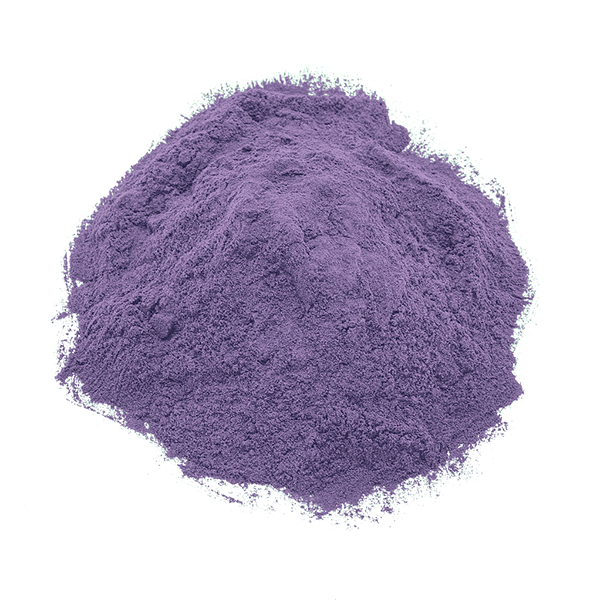
Choosing the right red cabbage anthocyanin supplier starts with understanding what separates a dependable source from a risky one. Red cabbage anthocyanin (CAS No. 84082-34-8, Molecular Formula C₃₀H₂₆O₁₃) is a natural cyanidin-based pigment extracted from Brassica oleracea L. Var. Capitata L., available in specifications ranging from 5% to 25% concentration. For U.S. importers, the right supplier must meet strict documentation, quality, and regulatory requirements. This guide walks you through every step—from evaluating product specifications to building a long-term sourcing relationship.
Understanding Red Cabbage Anthocyanin and Its Market Demand
What Makes Red Cabbage a Standout Anthocyanin Source?
A lot of the anthocyanin in red cabbage is made up of acylated cyanidin-3-diglucoside-5-glucoside derivatives. At least 20 different types of cyanidin glucoside were found in red cabbage juice by a study in the Journal of Agricultural and Food Chemistry. Because it is made up of many acyl groups, it stays stable in sunlight and high temperatures better than anthocyanins from berries. That means it works well in drinks and ready-made foods.
Growing Demand in North American Markets
In the U.S., the clean-label movement is driving corporations to choose plant-based colors, including FD&C Red No. 40, over manmade colors. Red cabbage color may be used as a colorant in food, cosmetics, and vitamins. It is a fine powder with a crimson to violet-red color. It may also be used to build items that are functional and look attractive because of the pH fluctuations (red when it’s acidic and bluish-green when it’s alkaline).
Key Quality Indicators Buyers Should Track
Before you place an order, you should think about these things:
- • Anthocyanin concentration: Standardized extracts from reliable vendors are available in the range of 5% to 25% by UV testing.
- • Solubility profile: The quality extract powder dissolves well in water, aqueous ethanol and propylene glycol, which is beneficial for beverage and cosmetic applications.
- • Appearance consistency: The powder should be constant in color from batch to batch (red to violet-red), which shows reliable extraction operations.
It is easy to see how this ingredient will work in the end product because of these signs. Americans who want to bring goods into the U.S. need licenses to do business. If a provider is good, they should have at least one of the following certificates: ISO22000, GMP/cGMP, HACCP, USDA Organic, or EU Organic. It's important to get kosher and non-GMO licenses so you can reach more people. When food is listed with both FSSC 22000 and the FDA, it is even safer. Make sure that the copies of certificates you get are real by calling the groups that issued them. Red cabbage anthocyanin is approved for food use in the U.S. under 21 CFR 73.260 and in the EU as E163, so the regulatory pathway for this colorant is already established.
Core Criteria for Selecting a Reliable Supplier
Certifications and Regulatory Compliance
For U.S. importers, certifications are non-negotiable. A qualified supplier should carry ISO22000, GMP/cGMP, HACCP, USDA Organic, and EU Organic certificates at a minimum. Halal and NON-GMO certifications matter for reaching broader market segments. FDA registration and FSSC 22000 add layer of food safety assurance. Always request original certificate copies and verify their validity through the issuing bodies.
Extraction Method and Purity Standards
The extraction method directly affects the active ingredient profile. Solvent extraction—the standard method for red cabbage anthocyanin—when properly controlled, yields a clean, additive-free powder free from excipients and stearates. Confirm with your supplier that no artificial colors, preservatives, or GMO materials are introduced at any production stage. Third-party lab testing of each batch (heavy metals, pesticide residues, microbial counts) is a baseline expectation, not a bonus.
Supply Chain Transparency and Capacity
Ask every prospective supplier directly: Where is the raw material grown? When is it harvested? Red cabbage is typically harvested in summer and autumn. A supplier with their own organic cultivation base—rather than relying solely on spot-market purchasing—provides far more traceability and batch consistency. Annual supply capacity above 10,000 tons signals the infrastructure needed for large-scale, stable procurement.
Comparing Supplier Profiles: What to Look For?
Large-Scale Manufacturers vs. Trading Companies
When a big company is vertically integrated, they keep an eye on quality from the time the seeds are planted until the last product is picked up. You can be more sure that all batches meet the standards with this type because there is less chance of contamination. On the other hand, trade firms may have lower start-up costs, but they can't always be sure that the raw materials they buy are good. If an importer needs a COA and wants to know where their goods came from, they should talk to the people who made them.
Documentation and Technical Support
The amount of time it takes to clear customs is directly related to how quickly your seller can give you all the paperwork you need, such as the Material Safety Data Sheet (MSDS), phytosanitary certificates, and country-of-origin statements. Also, check to see if the service provider can help you get ready, offer different packing choices, and help with samples. For new brands that want to try out small orders first, this service is very useful.
Matching Supplier Capabilities to Your Business Type
Everyone who buys something from you should be able to get what they want. You can agree with the seller on these four points:
- • Food and beverage manufacturers need guaranteed batch-to-batch consistency in cyanidin content and documented heavy metal/pesticide test results.
- • Cosmetic brands require stability data, antioxidant efficacy data, and microbiological indicators to support formula validation.
- • Pharmaceutical and OTC companies need GMP-grade supply with full pharmacopoeia compliance and impurity control documentation.
- • Startup supplement brands benefit from suppliers offering small MOQ trial orders, sample kits, and accessible technical guidance.
Navigating Procurement Challenges and Risk Mitigation
Inconsistency and Adulteration Risks
Business-to-business buyers have a lot of trouble because the amount of anthocyanin in each sale is not the same. What's wrong is that some sellers get their raw cabbage from many different places instead of just one growing base. Make sure that every shipment comes with samples to keep, and make sure that the COA is unique for each batch. It is even safer for your end product's quality to be tested by a lab that has been ISO 17025-certified by a third party.
Storage, Stability, and Logistics Considerations
Heat, light, and air can change the red cabbage anthocyanin. The best way to ship and store food is in bags made of food grade materials that can be used more than once, keep food fresh, and don't let air through. Before you buy, find out how the seller's warehouse is set up and if they keep stock locally (for example, in the U.S.) to cut down on wait times. Also, be ready for shipping delays.
Contract and Quality Agreement Essentials
When you buy something from someone, you should make a written quality agreement with them that says what the acceptable ranges of concentration are, how the testing will be done, how much heavy metal and pesticide residue is acceptable, and what needs to be done to fix the problem. As long as the supplier deal is clear and includes penalties for deliveries that don't meet requirements, everyone is safe. People have to follow through with this deal more than with indirect deals.
Final Steps: Making the Purchase Decision and Building a Long-Term Relationship
Evaluating Proposals and Running Trial Orders
Find two or three good sources and ask to see some of the goods they sell. After that, check the samples against the COA you were given. Make sure that the results are pure, stable, soluble, and the same color no matter what you use them for. The seller is sure of their goods because they are willing to give samples away.
Onboarding and Ongoing Quality Monitoring
Set up a formal hiring process after your first successful order. This should include an audit of the facility (which can be done in person or online), a review of the plant SOPs, and a plan for regular testing. Check the batch data every three months to see how the trends have changed over time. Quality drift can be caught early, before it hurts your finished goods, if you keep an eye on things at all times.
Building a Partnership That Grows with Your Business
When you work with a provider, it's best to do more than just place orders. If your provider knows about your product plan, they can let you know about new needs, help you change the recipe, and offer better deals for long-term deals. Suppliers with research and development teams that work full-time with plant products and have more than ten years of experience can help because they are experts in the field. This is a great place to get help with your growth.
Conclusion
The best supplier of red cabbage anthocyanin should have the right licenses, be able to keep track of their goods, be good at keeping records, and be able to promise a steady supply in the long term. Because it's bad for business, U.S. companies need to follow the rules and make sure their goods are always the same. Spend more time with suppliers that have their own modern factories and organic farms. Also, pay attention to suppliers that have all the foreign licenses they need and let you test your whole batch. You can be a big food company, a cosmetics brand, or a new supplement company. A well-screened seller partner lowers the risk of buying things and helps the product grow in the long run.
FAQ
Q1: What anthocyanin concentration should I expect in quality red cabbage extract?
UV tests show that good red cabbage extract powder usually has between 5 and 25 percent anthocyanin. For every use, you might need a different grade. Medicines and supplements that need higher amounts work best. Food coloring is often made with 5% to 10% grades.
Q2: What certifications are required to import red cabbage extract into the U.S.?
People who want to buy things from the U.S. should look for at least ISO22000, FDA registration, HACCP, and USDA Organic certifications. Even more peace of mind comes from following cGMP and FSSC 22000. For each package, your source should also give you a full COA, MSDS, and phytosanitary certificate.
Q3: What is the difference between organic and conventional red cabbage anthocyanin?
Pesticides and man-made chemicals were not used to grow the foods that are used in organic extracts. Also, these foods must meet Organic guidelines set by the USDA and the EU. Because they don't leave behind chemicals as much, they are better for stores that want clean labels. Conventional extracts may be less expensive, but they need to be tested for poisons in more detail before they can be used in controlled market goods.
Q4: How should red cabbage anthocyanin powder be stored?
Don't put the powder in the sun or heat; instead, keep it somewhere cool and dry. Good providers put it in bags made of materials that are safe for food, can be closed again, and don't let much air through. This makes it strong while it's being packed up and sent. After you open it, be sure to close the lid tightly again and use it within the time frame shown on the COA.
Partner with BIOWAY — Your Trusted Red Cabbage Anthocyanin Manufacturer
It is run by BIOWAY INDUSTRIAL GROUP LTD and is on the Qinghai-Tibet Plateau. The farm is 100 hectares in size. They run a mill that is more than 50,000 square meters across in Shaanxi Province. The company that sells us anthocyanin from red cabbage gives us more than 10,000 tons of it every year. They have labels that say they are cGMP, ISO22000, USDA/EU Organic, Halal, and NON-GMO. You can get a sample or price right away by emailing grace@biowaycn.com.
References
1. Giusti, M. M., & Wrolstad, R. E. (2003). Acylated anthocyanins from edible sources and their applications in food systems. Biochemical Engineering Journal, 14(3), 217–225.
2. Stintzing, F. C., & Carle, R. (2004). Functional properties of anthocyanins and betalains in plants, food, and in human nutrition. Trends in Food Science & Technology, 15(1), 19–38.
3. Poei-Langston, M. S., & Wrolstad, R. E. (1981). Color degradation in an ascorbic acid-anthocyanin-flavonol model system. Journal of Food Science, 46(4), 1218–1222.
4. Lila, M. A. (2004). Anthocyanins and human health: An in vitro investigative approach. Journal of Biomedicine and Biotechnology, 2004(5), 306–313.
5. U.S. Food and Drug Administration. (2022). Guidance for Industry: Regulatory Compliance for Color Additives in Food. FDA.
6. Clifford, M. N. (2000). Anthocyanins — nature, occurrence and dietary burden. Journal of the Science of Food and Agriculture, 80(7), 1063–1072.
Contact Us
Grace HU (Marketing Manager) grace@biowaycn.com
Carl Cheng ( CEO/Boss ) ceo@biowaycn.com
Website: www.biowaynutrition.com
Post time: Nov-19-2026


