
Introduction
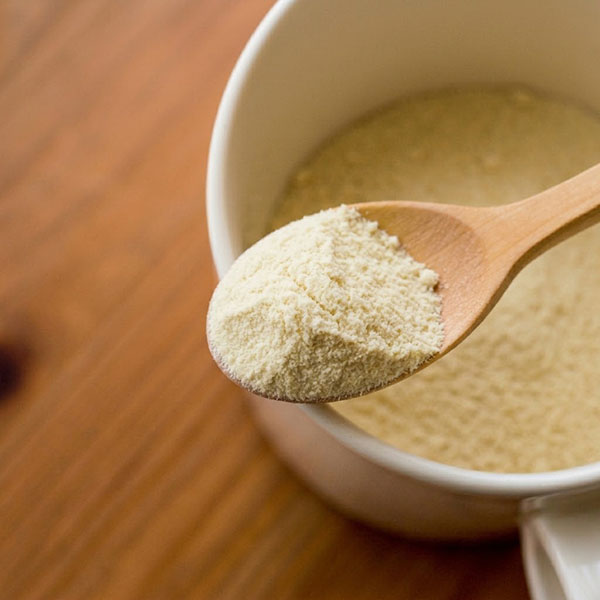
Choosing a dependable supplier for Konjac Tuber Extract Ceramide requires examining certifications, production transparency, and product consistency. Reliable suppliers hold ISO 9001, GMP, and organic certifications, demonstrating adherence to global quality standards. They provide thorough documentation—including HPLC purity assays, batch-specific Certificates of Analysis, and traceability records—that validate the authenticity and potency of plant-derived ceramides. Evaluating their sourcing practices, production capacity, and customer service responsiveness ensures your formulations meet regulatory requirements while maintaining cost efficiency and supply chain stability.
Understanding Konjac Tuber Extract Ceramide and Its Market Demand
Konjac Tuber Extract Ceramide is a big step forward in natural health and beauty products. This plant lipid comes from Amorphophallus konjac and has the same structure as ceramides in human skin. It helps the skin keep water in and repair barriers better than other lipids. Natural ceramide from Konjac tubers has up to 7–15 times higher ceramide amounts than ceramide from other plant sources. This means that it works very well even at very low doses.
The trend toward clean beauty around the world has made more people want plant-based actives. Researchers have found that ceramides make up about half of the skin's lipid barrier. Adding ceramides to your skin orally or topically can greatly reduce the loss of water through the epidermis.
More and more brands that want to set their goods apart are using Konjac Tuber Extract Ceramides because consumers want ingredients that are clear, sustainable, and not tested on animals. Because the ingredient is highly bioavailable and soluble in water, it can be used in a wide range of products, from serums and creams to beauty pills that you swallow and functional drinks.
Key Quality Parameters Buyers Should Know
Professionals in charge of purchasing must give priority to specifications that have a direct effect on how well a formulation works. Ceramide levels are usually between 1% and 10%, and pharmaceutical-grade goods need higher purity levels that can be proven by HPLC research. Long-term stability is ensured by a moisture level below 2%. Solubility and texture are affected by the particle size distribution, with 90% of particles going through 120 mesh. Depending on the market you want to reach, your compliance paperwork should have Halal, Kosher, USDA Organic, or EU Organic certifications.
Growing B2B Market Trends
As more people believe in "beauty from within" ideas, the nutricosmetics industry has grown by more than 10%. Ceramide supplements that you take by mouth are now a big part of the market, especially in Japan, South Korea, and North America. Commercial claims have been proven true by clinical studies showing that supplements can improve skin hydration after 6 to 12 weeks. This has led companies to create ceramide-enhanced product lines. This trend gives formulators and distributors chances to take advantage of consumers' growing awareness.
Key Criteria for Selecting a Reliable Konjac Ceramide Powder Supplier
Systematic evaluation across multiple dimensions is needed to find a reliable supplier. Long-term relationships that work well are built on consistent quality, following the rules, and being able to rely on operations. The following criteria help procurement teams tell the difference between suppliers who can consistently deliver value and those who are a risk to the supply chain.
Manufacturing Certifications and Compliance
Suppliers with a good reputation keep their quality management systems up to date with certifications. ISO 9001 certification shows that a company is dedicated to process control, and ISO 22000 and HACCP certification confirm the food safety rules that are needed for vitamins and foods that you eat. Good Manufacturing Practice (GMP) compliance is a must for sellers to the nutraceutical and cosmetics businesses. Check to see if the certification body is recognized around the world, and ask for copies of up-to-date certificates that have clear expiration dates.
Regulatory compliance is more than just getting licenses. If a supplier wants to sell to the U.S. market, their facilities should be FDA-registered. If they want to sell to the EU, they need to show that they know how to follow REACH and CLP rules. Organic certifications from the USDA or the EU are very valuable for clean-label brands that are willing to pay more for approved products.
Production Capacity and Raw Material Sourcing
Knowing a supplier's production scale can help you figure out if they can regularly meet your needs. Facilities that only use extraction lines for Konjac Tuber Extract Ceramides usually show more expertise than contract manufacturers that do a lot of different things. A seller with more than 50,000 square meters of production space and several different extraction technologies, such as alcohol extraction, enzymatic hydrolysis, and membrane separation, can meet a wide range of purity requirements and special recipe requests.
Getting raw materials in a clear way is also very important. When suppliers grow their own organic Konjac tubers, there are no middleman risks, and the product can be tracked from the farm to the consumer. People who have organic farms of 100 hectares or more in high-altitude areas like the Qinghai-Tibet Plateau can be sure of a steady supply even when the seasons change. You should ask for proof of the chain of custody from harvesting to manufacturing.
MOQ Flexibility and Pricing Structure
Depending on how the supplier runs their business, minimum order quantities can be very different. Large makers usually need orders of 100–500 kg for the first time, but companies that do special formulations may be able to handle smaller trial amounts. Check to see if the MOQ fits with the time frame for developing your product. Suppliers who are willing to give new brands 10–50 kg samples before signing a yearly contract are helpful for trying formulas.
Instead of just giving the lowest price, prices should represent the quality. The price depends on how pure it is, whether it is organically certified, and the size of the particles. Suppliers who are open and honest give quotes that break down the costs of the base ingredients, the different ways they can be packaged, and the transportation fees. Be wary of prices that are much lower than the market average; this could mean that the product has been tampered with or the quality isn't consistent.
Comparing Konjac Ceramide with Other Ceramide Sources: Why Quality Supplier Matters
Ceramides can come from plants, be made chemically, or be taken out of animal tissues. Each origin has its own pros and cons that affect how well a product works, how well it is accepted by regulators, and how consumers feel about it. Knowing these differences helps buyers understand why it's important for suppliers to be real.
Plant-Based vs. Synthetic Ceramides
Konjac Tuber Extract Ceramides that come from plants, like Konjac, wheat, or rice, work just as well as manufactured ones and are better for the environment. Because they have a sphingoid base makeup that is very similar to human skin lipids, Konjac tubers make ceramides that are very bioavailable. Synthetic ceramides are cheaper and have a consistent structure, but people who buy products that focus on natural ingredients are skeptical of them. Wheat and rice ceramides have been used for a longer time, but they are less concentrated, so they need to be added at higher rates, which raises the cost of the mixture.
Isotopic analysis is used by good suppliers to prove that plants come from certain places, and they follow strict rules to keep synthetic materials from getting mixed in. As governing bodies around the world tighten the rules for "natural" and "organic" labeling claims, this openness becomes even more important. Suppliers who can't provide batch-specific tests to prove plant origin pose compliance risks that could lead to product recalls or being shut out of the market.
Ethical and Sustainability Considerations
Ceramides that come from animals are getting more and more negative reviews from both customers and government agencies. Many markets now require cruelty-free certifications, which means that using animal sources is no longer a good business idea. Solvent use and chemical waste from synthetic production are bad for the environment. Growing Konjac, especially on high-altitude organic fields, has little effect on the environment and helps rural farming communities.
Customers who care about the environment will be more likely to buy from companies that have clear sustainability practices, like using green energy, recycling systems for water, and zero-waste programs. As part of your process for evaluating suppliers, ask for environmental impact assessments and sustainability reports.
How to Verify and Evaluate Potential Konjac Ceramide Suppliers
Checking out suppliers carefully guards your brand's image and makes sure that products work as they should. Before signing purchase agreements, a structured evaluation process that includes reviewing documentation, testing samples, and on-site audits gives a full picture of the risk.
Documentation and Sample Testing Protocol
To start, ask for all the technical information you can find. This includes sheets with Konjac Tuber Extract Ceramide content ranges, real test results, stability studies that show how long the product will last, and allergy statements. Check the claimed specifications against the norms in the industry. For example, HPLC should be used to confirm the ceramide content, and microbiological testing must show that the total plate counts are less than 1,000 cfu/g and that there are no pathogens present.
Tests done by a third party independently confirm what the supplier says. Send samples to approved labs so they can test them blindly for ceramide, heavy metals (like lead, cadmium, mercury, and arsenic), pesticide residues, and microbe contamination. Reliable suppliers are happy for a third party to check their work and will gladly send enough samples. When there are differences between what the seller says and the independent results, that's a red flag that needs to be looked into right away.
On-Site Audits and Capability Assessment
Even virtual tours of factories are popular now, visiting the real thing is still the best way to see what it can really do. Keep an eye on the cleanrooms. For final packing, pharmaceutical-grade providers keep cleanrooms that are ISO Class 7 or better. Check the claimed processing methods by looking at the extraction tools. A facility with specialized ceramide purification systems that use membrane filtration and chromatography shows more specialized knowledge than a facility that just extracts plants.
Talk to people who work in quality assurance about how they test and how often they do it. Strong quality assurance programs test the whole production process, not just the finished product. Read the supplier's deviation reports and corrective action histories to find out how they deal with quality issues. A mature quality culture talks openly about problems that have happened in the past and how they were fixed.
Logistics and After-Sales Service Evaluation
Reliability in the supply chain goes beyond industry. Check to see if the provider has storage space—temperature-controlled storage with a capacity of 3,000 square meters or more can help you deal with production delays. Having a warehouse in the U.S. speeds up delivery times and makes it easier for North American buyers to import goods.
Quality of after-sales service is often what sets great providers apart from average ones. Technical teams that are quick to respond and can help with formulation, solve interface problems, and provide application data sheets are very helpful. Ask for customer references and call the references to find out how prompt they were to conversation, how quickly problems were solved, and how satisfied they were with the partnership as a whole.
Best Practices for a Successful Konjac Ceramide Bulk Purchase
Strategic approaches to procurement get the most value for the least amount of risk. Implementing structured negotiation tactics, clear contractual terms, and relationship-building practices creates mutually beneficial partnerships that drive long-term success.
Negotiation Strategies for Optimal Terms
Before negotiating a price, you should know a lot about the market. Find out what the normal price ranges are for different levels of purity and order amounts to set realistic goals. Tiered pricing is often unlocked by making a large commitment. For example, annual orders for 500 kg or more may lower unit costs by 15–25% compared to spot sales. But weigh the cost savings against the costs of keeping inventory and the length of time a product will last.
Terms of payment have a big effect on cash flow. Most new sellers want 30–50% down payments, with the rest due before the shipment. Once a relationship is formed, terms may change to net-30 or net-60. Letter of credit agreements protect both parties in high-value international transactions. To make sure the supplier is responsible, talk about penalty terms for late deliveries or batches that don't meet specifications.
Quality Assurance Through Contractual Protections
Written deals should spell out in detail the quality standards and testing methods that go with them. Include standards for acceptable changes in Konjac Tuber Extract Ceramide content (usually ±5% from the specification), bacterial limits, and physical qualities such as color and smell. Describe how disagreements will be settled for batches that are refused, including whether testing by a third party is required.
Make sure your suppliers tell you about any changes in where they get their raw materials, how they process them, or where they move their facilities that might affect the quality of your products. Include stability guarantees—the amount of ceramide should stay within the ranges specified for the agreed upon shelf life if kept in the way that is suggested. These formal defenses turn promises made over the phone into obligations that can be enforced.
Building Long-Term Strategic Partnerships
Transactional relationships with suppliers make it harder to create value. Strategic relationships let people work together to make new products, get new ideas early, and get special treatment when supplies are low. Allow trusted suppliers to see your product roadmap so they can invest in adding more capacity or new features that meet your needs.
Reviewing success on a regular basis keeps relationships healthy. Reviewing the business every three months to look at quality metrics, delivery performance, and the clarity of communication helps find ways to improve things before they become problems. Honor suppliers who regularly go above and beyond by increasing order numbers or adding new products to their lines. Partners who both care about the success of the relationship have an edge over competitors that is hard for rivals to copy.
Conclusion
To find the best Konjac Tuber Extract Ceramide powder provider, you need to find a balance between quality assurance, operational skill, and strategy alignment. Give more weight to providers who can show they are great at making things by having a lot of different certifications, being open about how they get their materials, and always keeping quality records. Independent tests and on-site checks are good ways to make sure that your brand is safe and that people can trust your supply chain.
Getting good prices is only one part of successful procurement. You also need to build partnerships that encourage innovation, make sure you follow the rules, and deliver consistent product performance. By using the above-mentioned review frameworks and best practices, procurement teams can be sure to find plant-based ceramides that meet formulation needs and support the clean beauty positioning for long-term economic success.
FAQ
Q1: Is konjac ceramide safe for sensitive skin formulations?
Konjac Tuber Extract Ceramide has a great safety profile when it comes from reliable sources that keep strict quality controls. Based on clinical studies, they don't cause much irritation, so they can be used in products for sensitive skin. Always make sure that sellers give you allergen statements and do stability tests to make sure that their products will work with your whole recipe.
Q2: What minimum order quantities should I expect?
MOQs are different for each seller and depend on how much tailoring is needed. Standard bulk purchases start at 100–500 kg, but sellers who can meet particular needs may be able to handle 10–50 kg sample orders. When it comes to beginning production runs, companies that offer OEM/ODM services for finished goods often have smaller MOQs, sometimes as low as 1,000 to 5,000 units.
Q3: Can plant-based ceramides replace synthetic versions in existing formulations?
In most situations, Konjac Tuber Extract Ceramides made from plants work the same way as synthetic ones. Due to small differences in their solubility profiles, they may need some minor formulation changes, but they usually work well with existing product matrices. When you substitute, you should test the stability to make sure it works with other products and packaging materials.
Partner with BIOWAY for Premium Konjac Tuber Extract Ceramide
BIOWAY provides pharmaceutical-grade Konjac Tuber Extract Ceramide powder that is made in a 50,000-square-meter GMP-certified facility that is vertically integrated from our 100-hectare organic cultivation base. Our plant-based ceramide provider can meet a range of purity requirements (1% to 10%), provide full organic certifications (USDA, EU, Halal, and Kosher), and support both established names and new businesses with flexible minimum order amounts.
We offer the quality, stability, and technical support your formulas need with cutting-edge extraction technologies, a 1,200-square-meter Class 10,000 cleanroom, and U.S. warehouse inventory for fast delivery. Our research and development team helps with stability tests and application advice for free. Email grace@biowaycn.com to get samples, technical information, or to talk about making Konjac Tuber Extract Ceramide meet the particular needs of your next clean beauty product.
References
1. Shimada, E., Aida, K., Sugawara, T., & Hirata, T. (2016). "Oral Administration of Konjac Ceramide Improves Skin Barrier Function in Humans." Journal of Clinical Biochemistry and Nutrition, 58(2), 143-148.
2. Coderch, L., López, O., de la Maza, A., & Parra, J. L. (2003). "Ceramides and Skin Function." American Journal of Clinical Dermatology, 4(2), 107-129.
3. Wertz, P. W. (2018). "Roles of Lipids in the Permeability Barriers of Skin and Oral Mucosa." International Journal of Molecular Sciences, 19(5), 1415.
4. Meckfessel, M. H., & Brandt, S. (2014). "The Structure, Function, and Importance of Ceramides in Skin and Their Use as Therapeutic Agents in Skin-Care Products." Journal of the American Academy of Dermatology, 71(1), 177-184.
5. Mizutani, Y., Mitsutake, S., Tsuji, K., Kihara, A., & Igarashi, Y. (2009). "Ceramide Biosynthesis in Keratinocyte and Its Role in Skin Function." Biochimie, 91(6), 784-790.
6. Tessema, E. N., Gebre-Mariam, T., Paulos, W., & Wohlrab, J. (2017). "Potential Applications of Phyto-Derived Ceramides in Improving Epidermal Barrier Function." Skin Pharmacology and Physiology, 30(3), 115-138.
Contact Us
Grace HU (Marketing Manager) grace@biowaycn.com
Carl Cheng ( CEO/Boss ) ceo@biowaycn.com
Website: www.biowaynutrition.com
Post time: Sep-09-2026


