
Introduction
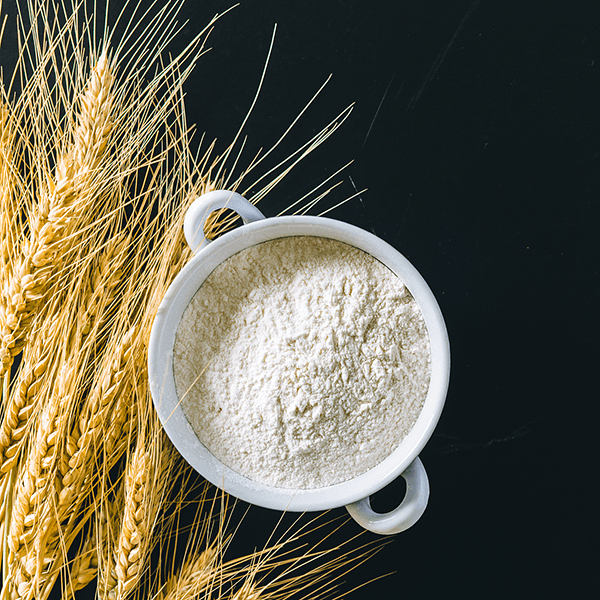
Selecting the right wheat oligopeptide manufacturer can significantly influence the success of your product formulations. We've observed that three critical factors separate exceptional suppliers from mediocre ones: glutamine peptide content documentation, molecular weight distribution verification, and allergen management protocols. The best manufacturers provide HPLC testing reports confirming glutamine peptide levels, GPC analysis showing 80% or more peptides under 1000 Da, and comprehensive gluten testing that meets Codex standards of less than 20 ppm for gluten-free labeling.
Understanding the Wheat Oligopeptide Market Landscape
The global peptide market has grown incredibly fast. Oligopeptides made from wheat have found a special place in functional foods, clinical nutrition, and sports recovery. When looking at possible manufacturing partners, it's important to know what makes good Wheat Oligopeptide powder different from regular protein hydrolysates.
Molecular Characteristics That Define Quality
Wheat Oligopeptides are short chains of amino acids that are made by breaking down wheat protein into its constituent parts, especially gluten and gliadin. The chemical weight is usually between 200 and 1,000 Daltons, which lets it be absorbed quickly by PepT1 transporters in the intestines without needing to be broken down further. This makes these peptides better than whole proteins or free amino acids for specific nutrition uses because they are more bioavailable.
According to a study published in Food Chemistry, oligopeptides with molecular weights below 1,000 Da have much higher absorption rates than longer peptide chains. This means that the distribution of molecular weight is an important specification parameter.
Food-Grade Versus Cosmetic-Grade Distinctions
The standards for making food-grade and cosmetic-grade peptides are very different. Food-grade Wheat Oligopeptides must follow FDA rules for food additives and be checked for GRAS status, with a focus on heavy metal and bacterial safety. Cosmetic-grade forms have to meet the International Nomenclature of Cosmetic Ingredients (INCI) registration standards and usually go through extra safety tests by dermatologists.
For high-quality Wheat Oligopeptide powder, the protein content must be at least 80% dry, and for the best grades, it must reach 90%. To keep things stable while they are being stored and shipped, the moisture content should stay below 8%.
Industry Standards and Quality Benchmarks
Reputable makers follow more than just the basic protein level standards for quality. The amount of glutamine peptide is an important functional marker because it is the main source of energy for intestinal epithelial cells. The presence of glutamine is confirmed by amino acid profile research from leading makers. This is what sets functional wheat peptides apart from generic protein hydrolysates.
The Journal of Functional Foods reported that Wheat Oligopeptides high in glutamine peptides protected the gut barrier better than free glutamine supplements. This shows how important peptide-bound glutamine is.
Enzymatic extraction methods have a big effect on the end product's properties. Advanced makers use sequential hydrolysis with exopeptidases and endopeptidases to exactly control the length of the peptide chain and keep the amount of bitter flavor compounds that are made by amino acids that don't like water to a minimum.
Defining Your Procurement Requirements and Decision Criteria
Before you talk to potential suppliers, you should be clear on your exact application needs. This will help you avoid costly mistakes where product specifications and manufacturing capabilities don't match up. Different end-use applications need different peptide properties and standards for documentation.
Application-Specific Specification Mapping
Functional food and gut health brands usually need Wheat Oligopeptides that have known glutamine peptide levels and are backed up by data on antioxidant activity or intestinal cell repair. For these uses, peptides that are designed to stay stable in acidic drinks or work well with probiotic and prebiotic ingredients are helpful.
For clinical nutrition applications, you need pharmaceutical-grade purity levels, with endotoxin limits below 0.5 EU/mg, a lot of stability data showing that peptides stay stable in liquid formulations, and regulatory paperwork to support the Drug Master File (DMF) or Food for Special Medical Purposes (FSMP) registration pathways. It's important to note that peptide-bound glutamine is more stable than free L-glutamine because free glutamine breaks down into pyroglutamic acid in water within weeks.
Brands of sports nutrition and recovery supplements focus on how well they dissolve, how neutral they are in terms of taste and smell, how easy they are to mix with other ingredients like creatine, branched-chain amino acids, or whey peptides to make full recovery formulas.
Packaging and Minimum Order Considerations
Standard storage for Wheat Oligopeptide powder is 25 kg fiber drums with two plastic inner bags. This keeps the material safe while making it easy to handle. Different makers have very different minimum order numbers. For example, for custom formulations, the minimum order quantity can be as low as 100 kg, or it can be 1,000 kg or more for normal bulk specifications.
Your order number has a direct effect on how prices are set and how suppliers are chosen. New brands that need less than 500 kg of products a year might do well to work with manufacturers that have flexible minimum order quantities (MOQs) and can help with custom development. On the other hand, established companies that buy many tons of products can negotiate volume-based pricing and dedicated production runs that make sure consistency from batch to batch.
Essential Evaluation Metrics
Certifications for manufacturing are basic ways to show quality. GMP certification shows that the company follows the Good Manufacturing Practices (GMPs) for making medicines or food supplements. ISO 22000 certification shows that food safety is managed in a planned way, and HACCP certification shows that risks are identified and key control points are used throughout the production process.
The Clinical Nutrition journal said that quality control in peptide manufacturing has a big effect on the consistency of clinical outcomes. This means that certification verification must be a requirement for buying anything.
Clear price systems take into account how complicated the production process is and how good the sources are. Prices for bulk Wheat Oligopeptide powder range from $35 to $75 per kilogram. These prices depend on things like the quantity of glutamine peptides, the allergen testing that is done, and the approval coverage. Usually, suspiciously low prices mean that quality control has been weakened or that the raw materials are not being sourced properly.
.
Analyzing and Comparing Wheat Oligopeptide Suppliers
When comparing possible manufacturing partners, it's important to do a thorough evaluation that looks at more than just meeting specifications. The following framework helps procurement teams tell the difference between suppliers who can consistently deliver quality and those who pose risks to the supply chain.
Regional Manufacturing Considerations
The location of a production site affects how quickly logistics can be set up, how easy it is to follow regulations, and how communication works. Chinese companies make most of the wheat peptides because they have a lot of experience making wheat proteins and can do the processing at a low cost. Companies like BIOWAY Industrial Group run facilities that grow organic raw materials and make advanced peptides. This lets them control the quality of the whole process, from the raw materials to the finished product.
European producers usually charge more, but they have simplified paperwork to enter the EU market and already have ties with European clinical nutrition companies. North American production is still restricted, as most U.S. names buy from Asian manufacturers and check the quality of their products in the U.S.
Reputation Assessment Through Objective Evidence
Customer reviews and case studies give you more information about a supplier's dependability than what they say in their ads. Instead of general quality statements, give more weight to reviews that describe how the product was used, how many orders were placed, and what results could be measured. Ask for the contact information of reference users in your business so that you can talk to them directly to confirm the information.
Independent checks of manufacturing skills and quality systems can be found in audit reports from companies like SGS, Intertek, or Bureau Veritas. These audit reports usually check how clean the facility is, how well the equipment is calibrated, how easily the raw materials can be tracked, and how accurate the records are. All of these things have a direct effect on batch consistency and regulatory compliance.
Organic (USDA, EU), Kosher, Halal, and BRC Food Safety are some of the industry standards that apply to Wheat Oligopeptides. Each approval shows that the product meets certain production standards and requirements for getting into a market. For example, BIOWAY's wide range of certifications, including cGMP, FSSC 22000, and several organic certifications, shows that the company can make products for a wide range of uses.
Technical Support and Customization Capabilities
Having manufacturing partners who can help with recipe development and application testing can speed up the time it takes to get your product on the market. Advanced manufacturers keep research teams that do things like stability studies, testing to see if they are compatible with common co-ingredients, and trials to improve the sensory experience.
Customization options go beyond simple changes to specifications. They include targeted glutamine peptide enrichment, specific molecular weight profile optimization, and flavor masking solutions that deal with the bitterness problem that comes with highly hydrolyzed proteins. In 2021, the Journal of Agricultural and Food Chemistry reported on new enzyme methods that stopped the formation of bitter peptides while keeping the beneficial peptide content.
Some companies offer relationships for joint research and development, which can include doing custom effectiveness studies to back up health claims or helping to put together regulatory dossiers for new food uses. When joining controlled markets or making goods that are clinically positioned, these value-added services are especially helpful.
Risk Management and Quality Assurance in Supplier Selection
There are risks that come with sourcing ingredients that can affect the quality of the product, compliance with regulations, and the reputation of the brand. These weaknesses can be kept to a minimum by using structured risk assessment protocols when choosing a supplier.
Common Quality Challenges and Red Flags
The most common quality problem in peptide production is batch unpredictability, which is usually caused by uneven enzymatic hydrolysis conditions or changes in the quality of the raw materials. Manufacturers who don't have advanced process control systems may send peptides that have different molecular weight distributions, different amounts of glutamine, or different solubility properties from one production lot to the next.
Microbiological contamination from poor cleaning, heavy metal contamination from processing equipment or water sources, and cross-contamination from sensitive materials being processed on shared equipment are some of the risks of contamination. Because these peptides come from wheat, they are already considered major allergens by the FDA and the EU. This makes cross-contamination with other allergens a big problem for people who are sensitive.
Uncertainty about where the raw materials come from makes it harder to track them and raises worries about chemical residues, GMO content, and making sure the products are organic. Manufacturers who can't give specifics about their raw materials, like the type of wheat used, where it comes from, and how it was grown, pose a higher risk.
Allergen Management Protocols
Since wheat is a major allergen, gluten level testing is the most important quality control measure for Wheat Oligopeptides. According to the Codex Alimentarius standard, gluten-free food has less than 20 parts per million (ppm) of gluten. This level is reached by breaking down gluten protein structures into non-immunogenic peptide pieces using a lot of enzymes.
Manufacturers with a good reputation give Certificates of Analysis that show the results of ELISA-based gluten testing for every batch of production. For some uses, like clinical nutrition for people with inflammatory bowel disease, gluten levels may need to be below what can be detected (usually less than 5 ppm using sensitive ELISA methods).
Manufacturers should keep written allergy control plans that include making sure equipment is cleaned properly, storing allergenic raw materials separately, and teaching employees how to avoid cross-contamination. During the supplier qualification process, ask for copies of the allergen control procedures and the results of the validation study.
Quality Control Framework Requirements
Independent labs' testing by a third party verifies what the maker says without bias. Some important tests are HPLC analysis to check for peptides and molecular weight distribution, amino acid analysis to check for glutamine content, microbiological testing for pathogens and total plate counts, and ICP-MS analysis to find heavy metals like mercury, lead, and arsenic.
On-site facility checks by your quality team or hired auditing firms show operating truths that can't be found in paperwork alone. When you visit a plant, look at how the raw materials are stored, how the processing equipment is maintained, the environmental tracking programs, and the training records for staff. There is a commitment to quality verification if there is a dedicated quality control laboratory with calibrated analytical instruments.
According to a study published in Food Control, companies that used comprehensive quality management systems that included statistical process control had 95% fewer customer complaints about deviations from specifications than companies that only tested finished products.
Quality control is kept up throughout the business relationship by keeping an eye on the supplier's performance by looking at trends in Certificate of Analysis data, keeping track of customer complaints, and re-auditing the supplier from time to time. Before starting business supply, make sure there are clear quality agreements that spell out the limits of the specifications, the tests that must be done, and the steps that must be taken to fix problems.
Conclusion
When looking for the right Wheat Oligopeptide maker, you need to weigh technical requirements, quality control skills, and cost factors that are relevant to your application. Give more weight to makers who can show complete glutamine peptide documentation, strong allergen management practices, and certification portfolios that meet the needs of your market. To lower the risks of hiring the wrong person, use organized evaluation methods that include testing samples, auditing facilities, and checking references.
Taking the time to carefully evaluate your suppliers will pay off in the form of consistent product quality, confidence in regulatory compliance, and a reliable supply that helps your business grow. BIOWAY Industrial Group is a great example of vertically integrated peptide manufacturing because they grow their own organic materials, use advanced enzymatic processing, and have full quality systems that make sure they deliver reliable Wheat Oligopeptide solutions for tough applications.
FAQ
Q1: What certifications should a wheat oligopeptide manufacturer possess?
Some important certificates are GMP, which shows that the company uses pharmaceutical-grade production practices; ISO 22000 or FSSC 22000 for food safety management; and HACCP, which shows that hazard analysis is being used. Certifications that are specific to an application, like Organic (USDA or EU), Kosher, and Halal, make it easier to get into new markets. Manufacturers whose products are meant for clinical nutrition should try to get more registrations, such as a possible DMF filing to support regulatory submissions.
Q2: How can gluten content be verified in wheat oligopeptides?
Manufacturers with a good reputation give Certificates of Analysis that show the results of ELISA-based gluten tests on each production batch. Codex says that something is gluten-free if it has less than 20 parts per million of gluten. Ask for information about the testing method and the lab's accreditation to make sure the results are accurate. Using very sensitive detection methods, some sensitive applications may need gluten levels below 5 ppm.
Q3: What molecular weight distribution should quality wheat oligopeptides exhibit?
Optimal Wheat Oligopeptides exhibit molecular weight distributions concentrated between 200 and 1,000 Daltons, with 80% or more peptides falling below 1,000 Da. This specification makes sure that intestinal peptide transporters work well to absorb the drug. Instead of taking claims that something is an "oligopeptide" without further testing, ask for Gel Permeation Chromatography (GPC) analysis results that show the molecular weight profile.
Q4: How does glutamine peptide content differ from total protein content?
The Kjeldahl method counts all nitrogen-containing chemicals as total protein level, but it doesn't tell the difference between peptide types. Glutamine peptide content measures the bioactive peptide sequences that are useful for improving gut health and speeding up healing. Instead of just giving basic protein percentages, manufacturers should do amino acid profile analysis and HPLC peptide mapping to make sure glutamine peptides are present.
Partner With BIOWAY for Premium Wheat Oligopeptide Solutions
BIOWAY Industrial Group has been making Wheat Oligopeptides for 15 years and has a 50,000-square-meter GMP-certified facility with specialized peptide production lines and 1,200-square-meter ISO Class 7 cleanrooms to make sure the purity is pharmaceutical-grade. Our vertically integrated operations start with 100 hectares of organic wheat farming on the Qinghai-Tibet Plateau. This way, we can track and control the quality of everything from the farm to the finished peptide powder.
We provide Wheat Oligopeptide specifications with between 80% and 90% protein content, documented glutamine peptide profiles, full gluten testing that meets international allergen standards, and stable molecular weight distributions that are best for your application. Our technical team helps with formulation development, stability testing, and regulatory documentation, which shortens the time it takes for your product to hit the market. Email our peptide experts at grace@biowaycn.com to talk about your Wheat Oligopeptide needs and to get samples that show how we can meet them as your reliable source of Wheat Oligopeptides.
References
1. Zhang, Y., et al. (2019). "Bioavailability and bioactivity of wheat protein-derived peptides: Molecular weight distribution effects." Food Chemistry, 276, 659-667.
2. Liu, R., et al. (2020). "Glutamine-rich wheat oligopeptides enhance intestinal barrier function through tight junction protein regulation." Journal of Functional Foods, 67, 103867.
3. Deutz, N.E., et al. (2018). "Protein intake and exercise for optimal muscle function with aging: Recommendations from the ESPEN Expert Group." Clinical Nutrition, 37(4), 1073-1081.
4. Wang, L., et al. (2021). "Enzymatic strategies for reducing bitterness in protein hydrolysates while maintaining bioactive peptide content." Journal of Agricultural and Food Chemistry, 69(8), 2491-2502.
5. Manning, L., & Soon, J.M. (2020). "Quality assurance models in the food supply chain." Food Control, 108, 106842.
6. Codex Alimentarius Commission. (2020). "Standard for Foods for Special Dietary Use for Persons Intolerant to Gluten (CODEX STAN 118-1979)."
Contact Us
Grace HU (Marketing Manager) grace@biowaycn.com
Carl Cheng ( CEO/Boss ) ceo@biowaycn.com
Website: www.biowaynutrition.com
Post time: Oct-28-2026


