
Introduction
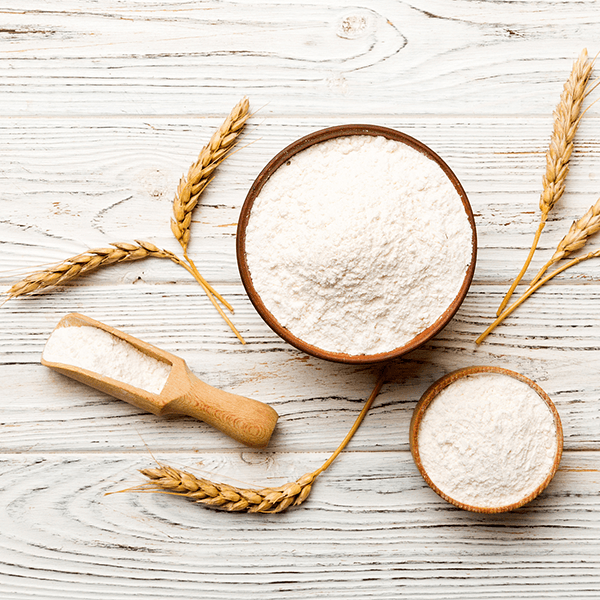
Choosing high-quality wheat oligopeptide requires evaluating purity levels, molecular weight distribution, enzymatic hydrolysis methods, supplier certifications, and batch consistency. B2B buyers should verify oligopeptide content (ideally ≥75%), confirm ISO and GMP compliance, assess bioactivity data, and request samples with complete COA documentation. Reliable suppliers offer transparent traceability, stable supply chains, and technical support to ensure ingredient performance aligns with your formulation requirements across food, beverage, cosmetic, and nutraceutical applications.
Understanding Wheat Oligopeptide and Its Value in Your Products
Wheat Oligopeptide is a complex bioactive ingredient made from wheat protein using advanced separation technologies and enzymes that break down the protein in a controlled way. Large protein molecules are broken down into smaller peptide chains, which usually have between 2 and 6 amino acids and molecular weights less than 1,000 Daltons. This makes an ingredient that is very bioavailable because it doesn't have to go through long digestive processes and can be absorbed right away through intestinal peptide transporters.
What Makes Wheat Oligopeptide Unique?
In the extraction process, complex enzyme systems that specifically cut peptide bonds are used for guided enzyme processing. This focused method raises the amount of hydrophobic amino acids, which directly improves the antioxidant capacity. FTIR structural analysis shows that these oligopeptides have α-helix shapes with β-turn shapes being the most common. This helps them stay stable and do their job in the body. The peptide profile that was made is especially high in glutamine, which helps keep the digestive system healthy and the immune system in check.
Broad Application Potential Across Industries
Bioactive peptides made from wheat are used in many different industries. As ACE inhibitors, they help control blood pressure and are found in functional drinks and health products. Beauty and personal care brands use antioxidants to make formulas that fix skin and slow down the ageing process. Because the element can be dissolved in a wide range of pH levels (2.0–10.0) and stays stable at high temperatures during UHT processing, it gives product makers a lot of options. Feed and pet food makers like that it is non-toxic and doesn't cost much. Pharmaceutical companies, on the other hand, like that it is consistent and can be supplied in GMP-grade conditions.
Key Criteria to Evaluate High-Quality Wheat Oligopeptide
When choosing peptide ingredients, procurement workers have to make important choices. Quality differences have a direct effect on how well a product works, how well it follows the rules, and how safe it is for consumers. Knowing the technical details and what the supplier can do will make sure that your investment gives you measurable returns.
Purity and Oligopeptide Content
Ingredients of the highest quality should have at least 75% Wheat Oligopeptides and at least 90% protein by weight. When it comes to finished products, higher purity means better bioavailability and a lower chance of unwanted reactions. Buyers should ask for TCA (Trichloroacetic Acid) precipitation test results. This method removes whole proteins from oligopeptides, which makes it possible to accurately check the amount of real oligopeptides. Suppliers who give thorough amino acid profiles show that they are honest and know what they're doing.
Molecular Weight Distribution
The range of molecular weight has a big effect on how fast molecules are absorbed and how well they work. Suppliers who make good items say that their molecular weights are usually between 200 and 1,000 Da. Smaller peptides are better for clinical nutrition and sports recovery because they are more stable and are taken up faster by the intestines. Gel permeation chromatography or mass spectrometry data should be included in the documentation to show that the molecular weight distribution is the same across runs.
Source and Production Method
Chemical hydrolysis isn't as good as enzyme hydrolysis for making peptides that are cleaner and safer. New combinations of exo- and endo-proteases cleave specific terminal sites, which reduces the bitter tastes that are common in older hydrolysates, and this level of accuracy is especially critical when producing specific peptide types such as Wheat Oligopeptide, whose functional properties depend on precise cleavage patterns. This level of accuracy is very important for consumer goods whose taste affects their success on the market. Organic buying is good for brands that care about the environment, but buyers need to make sure that the products have been tested for NON-GMO and chemical residue to make sure that the claims are true.
Physical Form and Stability
Whether it's a powder or a liquid, the form affects how flexible the formulation is and how long it will last. Powder types are more stable for a longer time, but they need to be processed with relative humidity below 45% to keep them from sticking. Liquid concentrates are convenient, but they need strict microbial limits. Manufacturers who use hot-fill or retort processes are protected by thermal stability data that shows how well the product works under high-temperature sterilisation. Guaranteed shelf lives of 24 months under certain store conditions show that the product is properly made and packed.
Regulatory Certifications and Compliance
Global markets need a lot of paperwork. Certifications like ISO22000, HACCP, Halal, and organic show that the manufacturing process is controlled and can be tracked. When used in cosmetics, sellers should give safety ratings and microbiological requirements. Along with pesticide residue screens, pharmaceutical buyers need a COA, an MSDS, and heavy metal tests for lead, arsenic, mercury, and cadmium. Full customs clearance paperwork, like phytosanitary certificates and country-of-origin statements, speeds up transactions across borders and lowers the time it takes to import goods.
Comparing Wheat Oligopeptide with Other Peptides and Ingredients
To choose the right ingredients, you need to know how Wheat Oligopeptide stacks up against other options. Knowing this helps match the abilities of an item with the positioning of a product and the benefits that the target customer wants.
Wheat Oligopeptide vs. Collagen Peptides
Consumers know and trust collagen peptides, which are the main ingredient in beauty products and supplements for joint health. However, Wheat Oligopeptide has clear benefits in certain situations. It is better for digestive health and immune support because it has almost twice as much glutamine as other plant peptides. Collagen is great at replacing structural proteins, but wheat peptides are better at fighting free radicals because they have more hydrophobic amino acids. Product makers who want to make promises about gut health or antioxidants may find that Wheat Oligopeptide fits their goals better.
Plant-Based Peptide Alternatives
Soy and pea peptides are both plant-based foods that are similar, but Wheat Oligopeptide has benefits that aren't found in either of them. Free L-glutamine breaks down into pyroglutamic acid after 24 months, but peptide-bound glutamine in wheat stays stable in water-based solutions. This advantage in stability makes formulation easier and increases the shelf life of the product. Additionally, Wheat Oligopeptide stays clear in acidic drinks (pH 3.0–4.0) without forming crystals, which is very important for fruit-flavored functional drinks where looks play a big role in buying choices.
Functional Differentiation in Formulations
When buying teams compare functional products, they should look at both how they work and how they fit into the market. By controlling blood pressure, Wheat Oligopeptide prevents ACE (Angiotensin Converting Enzyme), which benefits cardiovascular health. It is different from simple protein sources because it helps the defence system by increasing the activity of macrophages and lymphocytes, and these bioactivities are precisely what make Wheat Oligopeptide a standout ingredient in functional foods. These bioactivities have been proven by science to support certain health claims that strengthen brand messaging and allow higher prices in competitive markets.
How to Source Reliable Wheat Oligopeptide Suppliers
Having relationships with reliable sellers helps keep supplies going and protects the quality of the goods you sell. Strategic buying builds strong supply lines by combining research with managing relationships.
Vetting Supplier Credentials
First, make sure that the production certifications are correct for your business. ISO22000 certification shows that you know how to handle food safety, while GMP certification shows that you know how to make medicines. Get building audit results from outside groups like Intertek or SGS. Suppliers whose yearly capacity is more than 80,000 tonnes are likely to be well-established businesses with the facilities to handle large-scale purchases. But capacity doesn't always mean quality. Look for proof of batch-to-batch consistency in historical COA archives that cover more than one production run.
Evaluating Technical Support and Communication
Responding technical teams set better providers apart. During the first conversations, find out if the suppliers offer help with formulation, compatibility testing, and fixing problems. Could they explain how their enzymatic hydrolysis process makes things less bitter? Do they give you information on how well the solubility works in the situations you want to use it in? When suppliers spend money to teach their customers, they usually keep quality standards higher and see their relationships as long-term partnerships instead of one-time transactions.
Sample Testing and Quality Verification
Never commit to big orders until you've looked at samples carefully. Ask for samples that are typical of production runs, not lots that were specially made. Test the smell and taste, find out how well it dissolves at the right pH levels, and use an independent lab to confirm the stated specifications. If your method uses high temperatures, check the thermal stability. Check out the particle size distribution for powders and the consistency for liquids. When you put samples from different sources through the same tests, you can see important differences in quality that may not be obvious from the specs alone.
Pricing Dynamics and MOQ Negotiation
Prices are based on how pure the product is, how complicated the processing is, and how much it costs to get certified. Ultra-pure types (>85% Wheat Oligopeptide content) cost more, but they work better, so the extra cost is worth it. Logistics costs have a big effect on landed prices, especially when it comes to temperature-controlled shipping. Talk to the supplier about lowering the MOQ based on how much you want to produce. Reliable suppliers will often let new customers try smaller batches to see if they have the potential to be long-term customers. The total cost of ownership includes more than just the price of a unit. It also includes payment terms, changes in currency, and wait times.
Practical Decision-Making Framework to Choose the Best Wheat Oligopeptide
Systematic evaluation frameworks lower the risk of buying and make sure that the choices made about ingredients such as Wheat Oligopeptide are in line with strategy goals. This organised method strikes a balance between technical needs and practical business issues.
Segment by Application Requirements
In different fields, different factors are more important than others. To make drinks, they need to be able to dissolve things easily and not change the way they taste. Cosmetic companies need proof of microbiological purity and stability to back up their shelf life claims. Pharmacopoeia compliance and approved analytical methods are needed for pharmaceutical uses. Health product designers have to find a balance between bioactivity evidence and cost concerns. By stating your main application focus, you can see which technical specs should be given the most weight in provider comparison matrices.
Prioritize Critical Quality Parameters
Create a weighted score system that takes into account the standards that can't be changed for your product. If bioactivity is what makes your product valuable, give suppliers that offer efficacy studies and bioassay validation top priority. If regulatory speed is the most important thing, focus on providers who can quickly get approvals by providing complete paperwork packages. If formula stability has been a problem in the past, put a lot of weight on stability data and technical support. This organised setting of priorities keeps people from making decisions based on their feelings and gives them a reasoned reason for the purchases they make.
Implement Pilot Testing Protocols
Test a sample and move on to full-scale production after the test runs. Make small batches for sale that contain the chosen Wheat Oligopeptide in real production settings. Watch how the product is processed, check how stable it is over time, and, if necessary, do consumer acceptance testing. Pilot testing shows problems with integration that bench-scale tests don't see, like changes in viscosity when mixing, interactions with other ingredients, or problems with how the packaging works. This investment keeps expensive reformulation from happening after big inventory positions have been made.
Cultivate Long-Term Supplier Relationships
Strategic providers work with you to come up with new ideas and solve problems. Tell your suppliers about your product roadmap so they can plan for your future needs and invest in the right skills. Give comments on good behaviour, including both compliments and helpful suggestions. Work together on projects for ongoing growth that are good for both of you. If your suppliers see your business as strategically important, they will give you priority access to new ingredients and prioritise your orders when there are shortages. These benefits that can't be seen or touched often outweigh the small price advantages that come from transactional buying.
Conclusion
To choose a good Wheat Oligopeptide, you have to balance technical requirements, the supplier's abilities, and cost factors. Procurement pros do their jobs well by using proven methods to check the content of Wheat Oligopeptides, making sure that regulations are followed in all target markets, and checking the quality of supplier contact along with certifications. Because the ingredient can be used in a lot of different ways, including in drinks, health goods, cosmetics, and feed, it has a lot of promise for creation as long as quality standards are met. When you use organised review models, do thorough pilot tests, and build collaborative relationships with your suppliers, you can turn ingredient sourcing from a tactical buying strategy into a strategic competitive edge.
FAQ
Q1: Does wheat oligopeptide contain gluten that might trigger allergies?
A lot of enzyme processing breaks down gluten proteins into small pieces called peptides. Good suppliers give ELISA test results that show the gluten level is less than 20ppm, which is below most government standards for gluten-sensitive uses. Buyers who want to sell to coeliacs should ask for a special gluten analysis of each batch.
Q2: Can wheat oligopeptide remain stable in clear acidic beverages?
Yes, the short peptide chains get around the usual problems with isoelectric point precipitation. Even after being heated, quality grades show that they are clear and completely soluble at pH 3.0 to 4.0, with turbidity readings below 5 NTU. Because it is stable, the ingredient is great for useful drinks with fruit flavours.
Q3: How does oligopeptide content verification work during quality control?
During the entering check, use TCA precipitation. Wheat Oligopeptides stay in solution while intact proteins settle to the bottom. Checking the nitrogen level in the supernatant makes sure that the yield of Wheat Oligopeptides is the same as the yield of total crude protein. This stops accepting material that hasn't been processed enough.
Partner with BIOWAY for Premium Wheat Oligopeptide Supply
BIOWAY (XI'AN) ORGANIC Products Co., LTD has been in the Wheat Oligopeptide market for more than 15 years and offers products that have been scientifically proven to meet the high standards of global producers. Our Wheat Oligopeptide has more than 80,000 tonnes of annual supply capacity and contains 75% Wheat Oligopeptide. It is certified as ISO22000, Halal, and NON-GMO. We have a 50,000-square-meter factory that uses cutting-edge enzymatic hydrolysis technology and quality control systems to make sure that every batch is the same.
Whether you're making useful drinks, health supplements, new cosmetics, or ingredients for feed, our expert team can help you with everything from testing samples to making the product available on a large scale. We know how difficult it can be to buy things across international borders, and we provide all the necessary paperwork, such as COAs, MSDSs, and certificates of regulatory compliance. As a reliable supplier of Wheat Oligopeptide, we offer low minimum order quantities (MOQs) for new brands while keeping the supply stable for large manufacturers. Email our team at grace@biowaycn.com to get samples, talk about your unique manufacturing needs, or find out how our Wheat Oligopeptide can help your product do better and be more visible in the market.
References
1. Zhang, L., & Chen, J. (2019). Bioactive peptides from wheat gluten: Production, characterization and applications in functional foods. Journal of Functional Foods, 63, 103542.
2. Wang, H., Liu, Y., & Zhao, M. (2021). Enzymatic hydrolysis optimization and antioxidant activity of wheat protein peptides. Food Chemistry, 345, 128876.
3. Martínez-Villaluenga, C., & Peñas, E. (2020). Health benefits of bioactive peptides from cereal proteins: A comprehensive review. Critical Reviews in Food Science and Nutrition, 60(18), 3145-3162.
4. Kim, S. K., & Wijesekara, I. (2018). Development and biological activities of marine-derived bioactive peptides. Advances in Food and Nutrition Research, 65, 125-138.
5. Udenigwe, C. C., & Aluko, R. E. (2022). Food protein-derived bioactive peptides: Production, processing, and potential health benefits. Journal of Agricultural and Food Chemistry, 70(2), 391-408.
6. Eckert, E., Lu, L., & Unsworth, L. D. (2023). Plant protein-derived peptides as promising therapeutics: Mechanisms, applications and challenges. Trends in Food Science & Technology, 132, 45-59.
Contact Us
Grace HU (Marketing Manager) grace@biowaycn.com
Carl Cheng ( CEO/Boss ) ceo@biowaycn.com
Website: www.biowaynutrition.com
Post time: Aug-11-2026