
Introduction
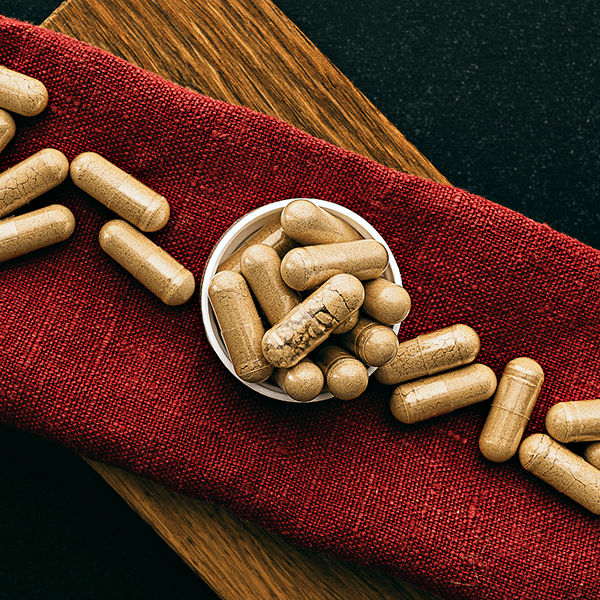
Finding a trustworthy partner for ginseng peptide powder sourcing starts with understanding what sets quality manufacturers apart from intermediaries and unreliable vendors. As the global nutraceutical market increasingly demands high-bioavailability ingredients, this specialized derivative of Panax ginseng—extracted using advanced enzymatic hydrolysis—offers superior absorption and efficacy compared to conventional ginseng extracts. However, the complexity of the supply chain and variability in production standards require buyers to apply rigorous vetting criteria. We've spent over 15 years navigating these challenges, and this guide synthesizes practical strategies to help procurement professionals identify suppliers who deliver consistent quality, regulatory compliance, and transparent collaboration across bulk, custom, and OEM/ODM models.
Understanding the Challenges in Sourcing Ginseng Peptide Powder
There are some unique problems in the market for ingredients derived from ginseng that can lower the quality of products and make the supply chain less stable. Buyers are mostly worried about three things: inconsistent active ingredient concentrations, confusing tracking, and unclear regulations regarding Ginseng Peptide Powder.
Quality Variability Across Supply Chains
Traditional ginseng pills and extracts often differ from batch to batch because the raw materials come from different sources and are processed in different ways. Ginseng Oligopeptides need to be made in controlled settings because they need exact enzymatic hydrolysis to get their molecular weights below 1000 Daltons. Ginsenoside levels can change by anywhere from 5% to 30% if methods aren't uniform. This has a direct effect on claims of effectiveness. Buyers who want to use peptides in functional drinks or sports nutrition need suppliers who can provide HPLC testing reports that show peptide content is above 80% and molecular weight distribution data.
Pesticide Residue and Contamination Risks
Growing ginseng usually involves a lot of hard work in the fields. Studies show that commonly grown ginseng has a higher chance of having pesticide residues. Over 400 substances may be present. Reliable manufacturers use thorough testing methods that look for heavy metals (like lead, arsenic, mercury, and cadmium) and microbes. Suppliers that meet USDA Organic or EU Organic standards show that they care about quality, but these certifications don't mean that the products will be suitable for all legal markets.
Regulatory Compliance Complexity
Ginseng Peptide Powders have very different legal statuses in different places. In the US, they are regulated by the FDA as food supplements, but in Europe, they might need Novel Food clearance based on how they are extracted. When a buyer sends goods to more than one area, they need to make sure that the seller keeps proof of their GRAS status, proper labeling, and country-specific import permits. If you make a mistake here, it could slow shipments, cost you money, and hurt your brand's image.
Essential Criteria to Evaluate When Choosing Ginseng Peptide Powder Suppliers
Finding the right manufacturing partner for Ginseng Peptide Powder requires more than just comparing prices. You need to use a framework for evaluation that looks at many factors. The following evaluation factors are directly linked to the success of the supply chain in the long run.
Manufacturing Certifications and Quality Systems
For sellers, look for those that have cGMP (current Good Manufacturing Practices), ISO 22000, HACCP, and FSSC 22000 approvals. These credentials show that quality control was used throughout the whole production process. Companies with their own cleanrooms, like Class 100,000 environments that cover 1200 square meters, can make pharmaceutical-grade ingredients that can be used in nutricosmetics and clinical nutrition where high purity is needed. Multiple extraction lines, such as vertical tanks, multipurpose systems, and high-purity equipment, show that the company can meet a range of manufacturing needs without letting any of the ingredients get contaminated.
Analytical Testing Capabilities
Both identity testing and potency verification are done by superior suppliers. Ask for Certificates of Analysis (COA) that include:
- · Molecular weight profiling using MALDI-TOF or HPLC-MS to find out the molecular weight of peptide pieces below 600 Da
- · Ginsenoside quantification identifying the concentrations of Rg1, Re, Rb1, and Rg3
- · Total peptide content measured using the BCA or Kjeldahl methods
- · Heavy metal screening using Inductively Coupled Plasma Mass Spectrometry
- · Pesticide residue analysis for more than 500 substances in line with USP standards
These tests make sure that the product has the bioactive properties that were promised. Validation by a third-party lab adds authority, especially when looking for brands that want to reach health-conscious consumers.
Raw Material Sourcing Transparency
The quality starts with the location of the ginseng root. Premium suppliers get their Ginsenoside from controlled environments, like organic farms at high elevations on the Qinghai-Tibet Plateau, where cooler temperatures and mineral-rich soil help Ginsenoside grow. Vertical integration is shown by suppliers who are in charge of 100 hectares of certified organic farming. This makes them less reliant on volatile spot markets and allows for full tracking from the field to the finished powder. Ask potential partners to show proof of their farming methods, when the crops were harvested, and how old the roots are, as these things have a big effect on the amounts of active compounds present.
Production Technology and Bioavailability Enhancement
Advanced extraction methods set innovation leaders apart from basic providers. Enzymatic hydrolysis, vacuum extraction, and nano-encapsulation technologies are all used in modern facilities. These steps separate complicated proteins into specific peptide sequences while keeping Ginsenosides that are sensitive to heat. It dissolves in more than 100% water and stays stable at high temperatures through UHT processing, which makes it useful for a wide range of formulations, from clear drink shots to powdered supplement mixes. Spray-drying in controlled humidity conditions by suppliers creates free-flowing powders with moisture levels below 5%, which increases shelf life and makes processing easier later on.
Capacity and Scalability
Check with the supplier to see if they can handle your growth. Manufacturers with facilities that are more than 50,000 square meters and ten specialized production lines can handle both small test orders (50–200 kg) and large business volumes (annual contracts for multiple tons). Inventory management tools, such as 3,000-square-meter warehouses in key markets like the US, cut down on lead times and make just-in-time delivery models possible. As soon as possible, make sure everyone understands the minimum order amounts, production wait times, and freedom for custom formulations.
How to Effectively Vet and Select Your Ginseng Peptide Powder Supplier?
Systematic due research lowers the risks of procurement and sets the stage for successful relationships with a Ginseng Peptide Powder manufacturer. The screening method should have several separate steps, each of which should check that the provider has certain important skills.
Initial Research and Shortlisting
To start, find candidates through verified B2B platforms, industry shows (SupplySide West, Vitafoods Asia), and recommendations from other people in the nutraceutical network. Check for basic requirements like GMP certification, a history of exporting to your target markets, and experience working with peptide ingredients. Check your digital traces. For example, professional websites with thorough technology specs, published research partnerships, and case studies are signs of operational growth. Companies that write white papers on solubility or take part in places like the Journal of Ginseng Research show that they are thought leaders and know their stuff when it comes to technology.
Documentation Review and Sample Evaluation
Ask for complete sets of paperwork that include copies of your business license, recent third-party audit reports, and liability insurance certificates. The product's Certificate of Analysis should describe its look (a light yellow to off-white powder), its Ginsenoside range (5% to 30%), its peptide content (more than 80%), and its safety parameters (heavy metals, microbiological counts, and pesticide residues). Order samples along with competing products to do blind taste evaluations. Check how well they dissolve in neutral and acidic pH solutions, make note of any off-flavors that might make formulation work harder, and see how consistent the colors are.
Factory Audits and Process Validation
Virtual or in-person facility inspections show operational facts that can't be written down. Watch how the raw materials are received, how the cleaning is checked, and how the quality control lab works. Check the maintenance records and calibration certificates for analytical instruments and extraction equipment. Talk about batch record systems to find out how the seller makes sure that each production run is the same. Companies that use real-time tracking software and automatic monitoring systems show that they care about being open and fixing problems quickly. During audits, look at the safety culture and training programs for employees. These things can help you figure out how reliable a business will be in the long run.
Client References and Market Reputation
Ask for the contact information of current customers who use similar products for things like sports nutrition, functional beverages, and cosmetics. Talking to these references directly can help you figure out how responsive they are during supply problems, how ready they are to back up regulatory reports, and how true the technical claims are. Look for comments about the supplier's work that wasn't asked for in LinkedIn groups and industry sites. Brands that have worked with the same manufacturers for a number of years usually get better prices, more flexible production schedules, and help with developing new products together with the makers.
Contract Negotiation and Quality Guarantees
Draft agreements should clearly spell out quality standards, acceptance criteria, dispute resolution methods, and ways to fix batches that don't meet the standards. Talk about terms that include:
- •Minimum order quantities and price tiers based on numbers
- •Payment structures balancing risk (L/C, T/T, and payment plans)
- • Lead time commitments and promises with fines for being late
- • Shelf life guarantees and standards for storage
- • Intellectual property protections for custom formulas
Make sure there are plans for regular re-audits and ongoing quality checks. Suppliers who are sure of their business practices welcome measures of transparency and often suggest group efforts to make things better.
Key Differences Among Leading Ginseng Peptide Powder Brands and Suppliers
There are many different business models for suppliers of Ginseng Peptide Powder, and each has its own pros and cons. Being aware of these differences helps make sure that buying methods are in line with business goals.
Factory-Direct Manufacturers vs. Trading Companies
Vertically integrated companies that grow their own raw materials and process them into finished goods can better track their products and save money. These sellers cut out the middleman's markups and respond faster to technical questions or changes to formulations. Trading companies may put together products from different sources, which makes things easier by having large catalogs but makes it harder to see how the products are actually made. When quality checking and building long-term partnerships are the most important things, direct maker relationships are more valuable, even if the minimum order requirements are higher.
Sources of Organic vs. Conventional Ginseng
Organic Ginseng Peptide Powder costs more than regular ones, but they fit with the clean-label movement and makes it easier to get approval in places like the EU and North America. Conventional sources may have good safety profiles thanks to thorough testing, but they don't offer anything unique in terms of marketing. This problem can be solved by the 100-hectare organic farm model that is used by major suppliers. It makes it possible to produce large amounts of certified organic raw materials while keeping prices low by improving operational efficiency. Buyers who want to sell supplements in mainstream channels may be okay with conventional sourcing, but buyers who want to position their products as premium will benefit from stories about organic provenance.
Standard vs. Custom Formulations
Ginseng Peptide Powders that are already on the market can be used in most bulk supplement and drink recipes. But brands that want to stand out by using unique mixes or specific Ginsenoside profiles need to be able to make their products to order. Suppliers who allow flexible R&D teamwork, like changing the extraction settings to get the right amount of Rg3 for anti-aging uses or making sure the water solubility is just right for ready-to-drink forms, give their customers a competitive edge. Check to see if possible partners have dedicated formulation scientists and keep up with pilot-scale tools for testing the marketability of the idea before committing to full-scale production.
OEM/ODM Service Capabilities
Suppliers that offer turnkey OEM (Original Equipment Manufacturer) or ODM (Original Design Manufacturer) services are good for new brands that use direct-to-consumer channels. These partnerships include more than just providing raw materials. They also include developing completed products, designing packaging, helping with regulatory paperwork, and having low minimum order amounts (1,000 to 3,000 units). Product launches go more smoothly when suppliers have their own encapsulation, tableting, and powder filling lines that work in GMP- and FDA-registered facilities. To cut down on time to market, look for partners that offer flexible packaging choices like capsules, tablets, sachets, and ready-to-mix powders. They should also be able to help with private labels.
Best Practices for Managing Ongoing Supplier Relationships
Obtaining a skilled provider for Ginseng Peptide Powder is just the start of optimizing your supply chain; it's not the end. Proactive relationship management and efforts to keep getting better are needed for sustained success.
Establishing Communication Protocols
Set up a single point of contact for each side to make it easier for information to move and decisions to be made. Set up business meetings every three months to talk about quality trends, plans for capacity, and changes in the market. Shared digital platforms should be used to manage orders, track shipments, and share documents. Leading providers give customer platforms that let them see production plans, inventory levels, and COA retrieval in real time. Misunderstandings about requirements, delivery expectations, and billing are less likely to happen when communication is clear.
Continuous Quality Monitoring
Stop responding to complaints and start actively monitoring quality. Ask for retention samples from each production batch so that you can test their stability in your storage conditions. Send samples to independent labs on a regular basis so that they can be checked by a third party. Keep an eye on quality metrics like Ginsenoside concentration changes, moisture content drift, and microbial counts over time to spot new trends before they affect finished products. Suppliers who are dedicated to doing a great job welcome this scrutiny and often suggest working together on improvement projects that aim to optimize processes.
Strategic Inventory and Risk Management
Avoid being dependent on a single source for important ingredients by making sure that alternative providers meet the same standards for Ginseng Peptide Powder. Keep smart inventory buffers that take into account changes in lead times and regular changes in demand. Work with your seller to predict demand so that they can plan their production more efficiently and get priority access when capacity is limited. Some makers offer consignment inventory deals in regional warehouses, which can help you save money on working capital while still making sure you always have a supply of goods.
Collaborative Innovation and Product Development
Long-term relationships make it possible for co-development projects that make a business more competitive. Share market information about new customer tastes, changes to the law, or new products from competitors. Get supplier R&D teams involved early on in the innovation process to look into new uses, like using ginseng peptides in functional beauty drinks or long-lasting athletic recovery capsules. When suppliers invest in your success by providing technical support, literature reviews, and formulation troubleshooting, they stop being just transactional vendors and become strategic assets.
Conclusion
To find reliable Ginseng Peptide Powder providers, you need to carefully look at a lot of different factors, such as where they get their raw materials, how well they can make the powder, how well they follow the rules, and how well they manage their relationships with customers. Because this is such a specialized group of ingredients, buyers need to look at more than just surface-level comparisons. They need to look at how rigorous the analysis is, how advanced the production technology is, and how possible it is for a long-term partnership.
Vertically integrated companies that handle organic farming, use cutting edge enzymatic extraction methods, and keep up with strict quality control systems provide the best levels of stability, traceability, and support for new ideas. Using the checking methods explained in this guide, procurement professionals can create strong supply chains that help set products apart, build trust with regulators, and keep businesses growing in tough nutraceutical markets.
FAQ
Q1: What is the typical lead time for bulk ginseng peptide powder orders?
Standard bulk orders of Ginseng Peptide Powder usually take 20 to 30 days after the order is confirmed. This time includes production, quality testing, and packaging. Custom formulas may add an extra two to four weeks to the schedule to allow for R&D tests and bettering the specifications. When suppliers keep a ready stock of standard products, they may be able to meet urgent requests within 10 to 15 days. However, this depends on seasonal production schedules and demand volumes.
Q2: How do ginseng peptides compare to conventional ginseng extracts?
Ginseng peptides are more bioavailable because their chemical structures are smaller (usually less than 1000 Daltons), so they can be absorbed straight through intestinal peptide transporters without being broken down for a long time. Traditional extracts focus on Ginsenoside concentration, but they don't dissolve well in water and take longer to start working. Peptide formulations combine the adaptogenic qualities of Ginsenosides with fast-acting protein pieces. This makes them perfect for functional drinks and sports nutrition uses that need results quickly.
Q3: Are there specific regulatory concerns for ginseng peptides in the United States?
When sold as a health supplement, Ginseng Peptide Powder usually has to follow the rules for food supplements set by the FDA. Labeling rules set by the DSHEA say that products can't make unproven disease claims and must come from makers who follow cGMP standards. Make sure that your supplier can back up their GRAS status with paperwork and give you safety data for structure-function claims. When brands make claims about specific performance, they should keep supporting scientific papers to meet FTC standards for advertising.
Partner With BIOWAY for Premium Ginseng Peptide Powder Supply
BIOWAY Industrial Group Ltd uses modern manufacturing technology, strict quality controls, and vertical integration to help brands that need a trusted Ginseng Peptide Powder manufacturer. Our 100-hectare certified organic cultivation base on the Qinghai-Tibet Plateau makes sure we have clean raw materials. Our 50,000-square-meter GMP-certified facility has ten specialized production lines that can make Ginsenoside concentrates in any concentration from 5% to 30%. We keep a lot of certifications, like ISO 22000, HACCP, FSSC, FDA registration, USDA Organic, and HALAL, which makes it easy to enter markets around the world.
Our research and development team has been extracting plants for more than 15 years and helps with the creation of vitamins, functional drinks, nutricosmetics, and sports nutrition products. Our 3,000-square-meter warehouse in the U.S. makes sure that North American customers get their orders quickly and easily. We provide technical excellence and open communication throughout the entire lifecycle of your product, whether you need bulk wholesale, custom formulations, or full OEM/ODM services. Email our team at grace@biowaycn.com to talk about your particular needs and ask for samples that show how well our products dissolve in water, stay stable at high temperatures, and work biologically.
References
1. Journal of Ginseng Research (2021). "Bioavailability and Pharmacokinetics of Ginseng Oligopeptides in Functional Foods."
2. Nutrients Journal (2021). "Comparative Analysis of Small Molecule Peptides vs. Traditional Ginseng Extracts in Bioactivity."
3. Food Safety Magazine (2020). "GMP Compliance and Quality Systems in Botanical Extract Manufacturing."
4. International Journal of Biological Macromolecules (2022). "Enzymatic Hydrolysis Methods for Optimizing Ginseng Peptide Molecular Weight Distribution."
5. Functional Beverages Magazine (2023). "Formulation Challenges and Solutions for Ginseng-Based Energy Drinks."
6. Journal of Agricultural and Food Chemistry (2022). "Pesticide Residue Analysis in Cultivated Panax Ginseng: Risk Assessment and Quality Control."
Contact Us
Grace HU (Marketing Manager) grace@biowaycn.com
Carl Cheng ( CEO/Boss ) ceo@biowaycn.com
Website: www.biowaynutrition.com
Post time: Oct-29-2026


