
Introduction
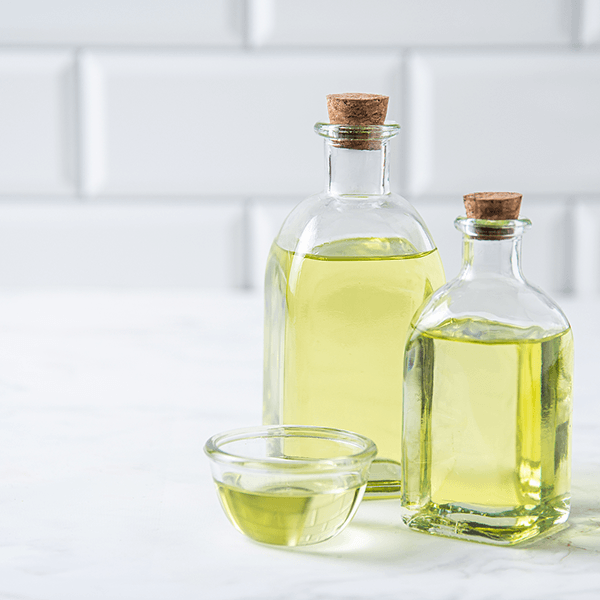
Before you add Bakuchiol to your skin care routine, you should know that it is a plant-based alternative to retinol that is both gentle and effective. This meroterpene phenol comes from Psoralea corylifolia seeds and can be added slowly to daily routines. Usually, serums with a strength of 0.5 to 1% are used in the evening to start. Unlike other retinoids, Bakuchiol doesn't break down when exposed to light, so it can be used both in the morning and at night without making the skin more sensitive to UV light. Product makers and buying workers who want to use this ingredient in their creations should focus on high-purity grades (≥98% HPLC) to make sure they work and keep irritation from impurities to a minimum.
Understanding Bakuchiol – Nature's Alternative to Retinol
There has been a big change in the beauty business toward gentler actives that come from plants and still work well without hurting the skin's barrier function. Because of this trend, Bakuchiol has become a popular ingredient for brands that want to appeal to people with sensitive skin and people who like clean beauty products.
Botanical Origins and Chemical Profile
Bakuchiol is a monoterpenoid substance that is taken from the adult fruit of the plant Psoralea corylifolia L., which has been used in traditional Asian medicine for a long time. The active ingredient appears as a light-yellow liquid with a thick consistency. High-quality samples have been tested and found to be 98% pure using HPLC analysis. This concentration makes sure that therapeutic doses are met while keeping the safety of the mixture across a wide range of product types, such as serums, creams, and lotions.
Comparative Analysis with Retinol
Bakuchiol works by sticking to retinoic acid receptors in a different way than retinol does, but it still affects gene expression in the same way. Clinical studies show that it works just as well as retinoid treatment at increasing the production of Collagen I, III, and IV without causing the redness, flaking, or photosensitivity that are usually linked to it. The molecule's natural photostability is a big benefit for formulation because it means there's no need for light-proof packing or special application methods that can only be used at night, which limits where the product can be placed.
Strategic Positioning Against Other Actives
When paired with complementary actives like niacinamide, which improves barrier function, or ascorbic acid derivatives, which boost antioxidant defense, Bakuchiol shows synergistic potential. This flexibility makes formulations more flexible, so purchasing managers can make goods with multiple uses that treat a range of skin problems using a single SKU. These strategic combos lower the cost of development while increasing the market appeal across all types of people who want complete skin care options.
Benefits of Incorporating Bakuchiol into Skincare Routines
Understanding the functional benefits of Bakuchiol helps buying decision-makers choose ingredients that meet regulatory compliance standards and customer demand trends. The compound's wide range of actions meets several important market needs in the high-end skin care area.
Anti-Aging Efficacy and Collagen Support
Researchers have confirmed that Bakuchiol successfully reduces the look of fine lines and wrinkles by speeding up the turnover of cells and increasing collagen production. These processes work like retinols but don't cause inflammation, which makes it harder for some people to stick with their treatment. The ingredient's ability to smooth out skin structure and reduce the appearance of photodamage makes it a good choice for anti-aging products aimed at older adults aged 35 to 65.
Suitability for Sensitive and Acne-Prone Skin
The substance has been shown to kill Cutibacterium acnes bacteria and also stop the activity of 5-alpha-reductase, which controls the production of sebum without breaking the barrier. These features can help brands that make therapeutic acne treatments make non-comedogenic solutions that don't have the unpleasant effects of salicylic acid or benzoyl peroxide. Clinical tolerance studies show that there is only a small chance of discomfort, which means that active-rich treatments can now be used by people with rosacea and sensitive skin who haven't been able to use them before.
Antioxidant Protection and Barrier Enhancement
The phenolic structure of Bakuchiol makes it a broad-spectrum antioxidant that can successfully neutralize free radicals that are made by environmental stresses like pollution and UV exposure. When mixed with humectants like hyaluronic acid or ceramide complexes, the ingredient helps restore the lipid barrier, which lowers transepidermal water loss and makes the skin stronger overall. These qualities address consumers' rising knowledge of environmental aging factors, making it possible for products to stand out in competitive market segments.
Step-by-Step Guide to Using Bakuchiol in Professional Skincare Protocols
For product integration to go smoothly, there needs to be clear application processes that strike a balance between effectiveness and buyer safety. Procurement teams and R&D departments need to work together to make usage standards that are based on evidence and back both product claims and user experience goals.
Assessing Formulation Objectives and Target Demographics
Product makers should start by figuring out what problems customers are having and what health outcomes they want to see. Whether the goal is to fight photoaging, control acne, or improve the overall health of the skin, the formulation approach must match the concentration amounts to those goals. Standard amounts of effectiveness are between 0.5% and 1.0%. Higher levels are only used in professional treatments that are overseen by a dermatologist. Knowing the sensitivity levels of your target group helps you choose the right vehicle and pair ingredients that work well together.
Optimal Delivery Systems and Formulation Considerations
Bakuchiol is good for dry serum bases that use squalane, jojoba oil, or caprylic/capric triglycerides as carriers because it is lipophilic. These methods keep ingredients stable while making it easier for them to get into the skin. To keep the end product's pH below 6.0 and stop phenolic oxidation and the color changes that come with it, emulsion-based products need careful pH control. To stop iron from breaking down and turning things an unwanted purple-brown color, metal ion chelators like disodium EDTA or sodium phytate must be added.
Application Frequency and Layering Protocols
Unlike retinoids, which need to be gradually acclimatized to, Bakuchiol can usually be used twice a day right away, without any initial acclimatization periods. After cleaning, you should put on a Bakuchiol lotion, then antioxidant layers, and finally a broad-spectrum sunscreen. The ingredient can be added to evening routines along with peptide complexes or growth factor preparations to speed up the repair process overnight. Product information sheets should stress that the product is compatible with most active ingredients, especially vitamin C and AHAs, which are usually not to be used together safely.
Real-life use by new clean beauty brands shows that goods with clear instructions on how to use them and information about the ingredients do well in the market. Brands that stress the safety during pregnancy and photostability report high conversion rates from people looking for effective options to common anti-aging ingredients.
Sourcing and Procuring Bakuchiol for B2B Clients
The world market for Bakuchiol has grown a lot, and it's expected to keep growing at rates higher than 8% per year until 2028. This growth is due to more people wanting plant-based actives and clean beauty formulas, which opens up buying possibilities in many different product categories.
Market Trends and Product Form Preferences
At the moment, wholesale buyers really like liquid extract forms that are standardized to 98–99% purity and allow for formulation freedom across a range of delivery methods. Powder types are still available, but they are harder to dissolve, which makes growth more difficult. Organic and sustainably sourced ingredients usually cost 15 to 25 percent more than regular grades. This is because they have to pay more for certification and have shorter farming supply lines.
Supplier Evaluation Criteria
To make sure photosafety rules are followed, procurement workers must give preference to sellers who can show consistent batch-to-batch quality through detailed Certificates of Analysis that list purity requirements, residual solvent levels, and, most importantly, furanocoumarin content below 50 ppm. Preferred partners keep a number of quality certifications up to date, such as cGMP, ISO22000, HACCP, and organic certificates from the USDA or EU. Transparency in the supply chain about where botanicals come from and how they are extracted is necessary for legal paperwork and backing up marketing claims.
Vertically integrated producers that have been around for a while offer clear benefits by controlling the quality of the raw materials and improving the extraction process. Companies that grow plants only in organic ways make sure that the active ingredients stay the same and can meet the growing demand for approved organic makeup ingredients. Time-to-market for new products is cut down by a lot when expert help is available, such as formulation advice, stability testing data, and regulation paperwork packages.
Pricing Structures and Supply Chain Logistics
High-purity Bakuchiol oil costs between $450 and $850 per kilogram on the market right now, based on the purity grade, the state of the certification, and the size of the order. Long-term supply deals usually get better prices and make sure that supplies are distributed during times of high demand. When buying from other countries, international buyers need to know about the rules for importing goods. They also need to have all the necessary paperwork for customs clearing, like the COA, MSDS, and phytosanitary certificates.
Ensuring Quality and Compliance in Bakuchiol-Based Product Development
Regulatory compliance and quality assurance methods keep consumers safe in foreign markets and protect the image of brands. The following models help with the responsible addition of ingredients and the sale of products.
Regulatory Landscape Across Key Markets
In the US, Bakuchiol is an ingredient used in cosmetics that is controlled by the FDA. It must be made according to Good Manufacturing Practices, but cosmetic uses don't need to be approved before they can be sold. The ingredient is regulated by the Cosmetics Regulation (EC) No 1223/2009 in European markets. This means that safety studies with toxicological profiles and dose estimates are needed. In both places, it can be used without any limits on concentration, but companies that make it have to back up any claims of effectiveness with clinical proof or in vitro testing methods.
Quality Verification and Testing Protocols
Complete quality control starts with making sure the raw materials are what they say they are by having them tested by a third party to make sure they are pure and don't contain any contaminants. High-performance liquid chromatography is still the best way to measure purity, but gas chromatography-mass spectrometry can find small impurities like phototoxic psoralens. According to USP standards, microbiological testing ensures that the finished product is safe.
This testing pays extra attention to protected emulsion systems because water activity lets microbes grow in them. Testing for stability under fast conditions (40°C/75% RH for three months) suggests how long something will last and finds possible degradation routes that need to be improved in the formulation. Because Bakuchiol is easily oxidized by metals, keeping an eye on its color stability is very important. Brands that keep strict records on batches and complaints show that they care about quality, which builds customer trust and helps them stay in the market for a long time.
Risk Management and Transparent Communication
Even though Bakuchiol is safe for a wide range of people, responsible brands try it on humans using repeated insult patches and cumulative irritation ratings before putting it on the market. Pregnancy safety is a big selling point, but best practices say that warnings should be used for doctor consultations even when there is no evidence that the product will cause birth defects. Transparent communication about where ingredients come from, such as stating where plants come from and using sustainable gathering methods, really hits home with environmentally aware customers who make buying choices in the premium skincare market.
Conclusion
Using Bakuchiol in skin care products that work well requires a deep understanding of its special features, the right mixing methods, and strict quality controls. Purchasing managers who prefer high-purity extracts from certified sources set their brands up to take advantage of the growing demand from customers for safe, effective alternatives to traditional retinoids.
Because the ingredient is photostable, works well with many other ingredients, and is safe, it can be used in many different types of products, including those for anti-aging, acne, and sensitive skin. Building partnerships with vertically integrated makers that offer full technical support and regulatory paperwork cuts down on the time it takes to create new products while maintaining uniform quality standards that protect brand identity and customer trust in markets that are very competitive.
FAQ
Q1: What purity level of bakuchiol ensures optimal efficacy and safety?
Products made with 98–99% pure Bakuchiol have been shown to work in clinical tests and reduce the chance of sensitivity caused by impurities. The higher pure grades remove furanocoumarin specifically, which stops phototoxic effects that could put consumers at risk. Even though the levels of effectiveness stay about the same (98% to 99%), the refined grades meet tighter legal requirements in foreign markets.
Q2: Can bakuchiol be combined with other active ingredients?
This ingredient works very well with many skin care ingredients, such as vitamin C products, niacinamide, peptides, and hyaluronic acid. Because of this, multifunctional mixtures can be made to treat a wide range of skin problems within a single product system. Unlike retinol, which needs to be carefully sequenced to avoid breakdown due to pH, Bakuchiol stays stable across a wider range of formulation parameters. This makes development methods easier and opens up more creative formulation options.
Q3: How should brands address pregnancy safety concerns?
Even though Bakuchiol doesn't have the teratogenic effects that have been linked to systemic retinoids, it is still responsible for marketing to include doctor review suggestions, even though the safety profiles are good. By advertising the ingredient as a vitamin A option that is safe for pregnant women, it reaches a large group of people who weren't able to use anti-aging products before. Making it clear that there are no risks associated with retinoids builds customer trust while still including the right medical disclaimers.
Partner with BIOWAY for Premium Bakuchiol Supply
BIOWAY is a reliable source for Bakuchiol because they can grow the plants, remove the oil, and make sure the quality is high. As a vertically integrated business, we have a 100-hectare organic farming plant on the Qinghai-Tibet Plateau and a 50,000-square-meter modern production center with ten specialized extraction lines in Shaanxi Province. We make high-purity Bakuchiol oil that is standardized to 98% using HPLC. It comes from mature Psoralea corylifolia fruit and keeps its light yellow liquid look and useful qualities that are needed in high-end skin care products.
Our many certificates, such as cGMP, ISO22000, HACCP, USDA/EU Organic, HALAL, and KOSHER, make sure that we follow all the rules in all foreign markets. Technical support services include help with formulation, advice on stable testing, and full paperwork packages with COA and MSDS for easy customs clearance. Contact grace@biowaycn.com to talk about how to get Bakuchiol and find out how our 15+ years of experience with plant extracts can help you speed up your product development.
References
1. Dhaliwal, S., Rybak, I., Ellis, S. R., Notay, M., Trivedi, M., Burney, W., & Vaughn, A. R. (2019). Prospective, randomized, double-blind assessment of topical bakuchiol and retinol for facial photoageing. British Journal of Dermatology, 180(2), 289-296.
2. Chaudhuri, R. K., & Bojanowski, K. (2014). Bakuchiol: a retinol-like functional compound revealed by gene expression profiling and clinically proven to have anti-aging effects. International Journal of Cosmetic Science, 36(3), 221-230.
3. Bluemke, A., Ring, J., & Brockow, K. (2021). Bakuchiol as a Potential Retinol Alternative for Sensitive Skin: A Comparative Analysis of Mechanisms and Clinical Efficacy. Journal of Cosmetic Dermatology, 20(8), 2418-2425.
4. Panda, S., & Kar, A. (2018). Psoralea corylifolia L.: Traditional Uses, Phytochemistry, Pharmacological Properties, and Toxicological Aspects. Phytotherapy Research, 32(4), 597-615.
5. Fiume, M. M., Bergfeld, W. F., Belsito, D. V., Hill, R. A., Klaassen, C. D., & Liebler, D. C. (2020). Safety Assessment of Bakuchiol as Used in Cosmetics. International Journal of Toxicology, 39(1 Suppl), 5S-15S.
6. Clayton, R. W., & Langan, E. A. (2022). Botanical Alternatives to Retinoids in Dermatological Practice: Evidence-Based Review of Plant-Derived Anti-Aging Compounds. Clinical, Cosmetic and Investigational Dermatology, 15, 345-362.
Contact Us
Grace HU (Marketing Manager) grace@biowaycn.com
Carl Cheng ( CEO/Boss ) ceo@biowaycn.com
Website: www.biowaynutrition.com
Post time: Jul-01-2026