
Introduction
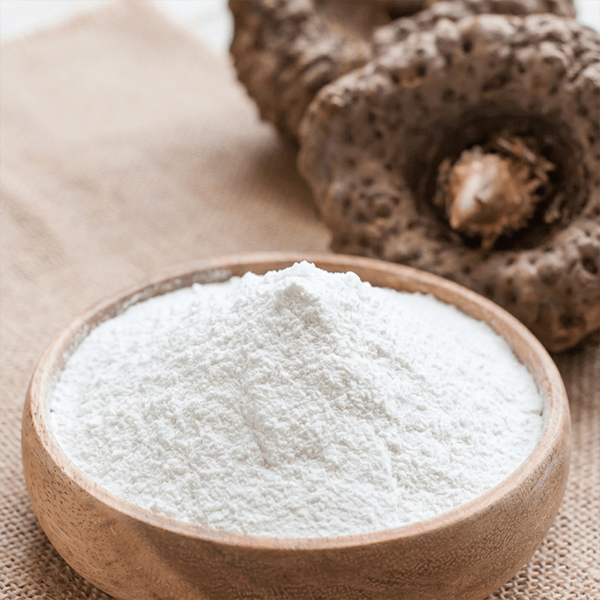
To raise ceramide levels in the skin, you need to use a mix of physical products, oral supplements, and ingredients that help the skin's barrier function. Naturally concentrated sphingolipids from plant-based sources, like konjac extract, have a protective structure that is similar to the skin's. Synthetic Ceramide NP versions, on the other hand, offer precision and stability. Both routes work by repairing the stratum corneum's protective structure, increasing intercellular lipids, and reducing transepidermal water loss. These are all important results for companies making clinical-grade skin care.
This guide discusses the biology of these barrier lipids, as well as practical issues related to sources, formulation methods, and new market ideas. The information in this article will help you make smart purchasing choices that improve both product performance and supply chain reliability, whether you're a buying manager looking at bulk ingredients or an OEM partner planning new product lines.
Understanding Ceramides and Their Role in Skin Health
About half of the skin's top layer is made up of naturally occurring lipids. Ceramide molecules are an important part of this layer because they keep the skin hydrated and protect its structure. These amphiphilic lipids are made up of a sphingoid base connected to a fatty acid. They have a special structure that keeps water inside cells and keeps outside toxins from getting in. There are different types of Ceramide in the human stratum corneum, such as Ceramide NP, AP, EOP, and others. Each type has its own biological qualities that help the barrier stay strong.
What Are Ceramides and Their Biological Functions?
Ceramides hold skin cells together, making a tight lipid framework that keeps wetness in and protects against damage from the outside world. Ceramide NP is one of the most common types. It has a normal fatty acid chain linked with a phytosphingosine base, which makes it very compatible with the skin's natural lipid balance. Researchers have found that mixtures with Ceramide NP at levels between 0.00005% and 0.2% can help broken or dry skin get its barrier function back. These molecules work together with cholesterol and free fatty acids in an exact 1:1:1 molar ratio to make lamellar bilayers that look like the way skin normally is organised.
How Ceramides Interact with Other Skin Barrier Components
Sphingolipids, sterols, and fatty acids must be carefully balanced in order for the intercellular lipid matrix to work. Ceramides, cholesterol, and linoleic acid come together to form ordered solid structures that make barriers more effective at blocking water and other substances. This relationship also helps make natural moisturising factors and collagen precursors, which over time makes the dermis more pliable. Ceramide-enriched products have been shown in clinical tests to reduce transepidermal water loss by up to 40% in just four weeks, which is directly related to better skin smoothness and flexibility.
Dermatological Impact of Ceramide Deficiency
Inadequate amounts of Ceramide cause the skin to dry out, become more sensitive, and become more susceptible to allergens and bacteria. Ceramide levels are greatly reduced in people with atopic dermatitis, eczema, and psoriasis, especially in the Ceramide EOP and Ceramide NS subgroups. Ceramide levels drop over time in older skin, which makes it rough, causes fine lines, and makes it harder for wounds to heal. People who work in procurement who are trying to reach the medicinal or anti-aging markets should focus on raw materials that have been proven to be able to repair these specific lipid fractions.
Challenges in Increasing Ceramide Levels Naturally and Through Skincare
Ceramide production naturally decreases with age, environmental damage to the environment, and changes in lifestyle, so there is a constant need for effective supplementation methods. Traditional skin care methods often don't work because people have the wrong ideas about Ceramide supplements, ingredients aren't always bioavailable, and the right amount of product isn't always used.
Factors That Deplete Skin Ceramides
Between the ages of 30 and 70, intrinsic ageing lowers the production of Ceramide by up to 60%. UV exposure, harsh detergents, and low humidity are some of the outside factors that speed up fat loss even more. The skin's lipid film is removed when you clean it too much, and some dermatological treatments, like retinoids, briefly break down barrier cohesion. Not getting enough important fatty acids in your food can also make it harder for your body to make enough Ceramide precursors.
Procurement Complexities in Sourcing Ceramide Ingredients
From a purchasing point of view, getting high-quality ingredients means figuring out tricky things like the difference between natural and manmade Ceramides, making sure the ingredients will stay stable, and making sure they will work with the recipe. Natural Ceramides that come from plant sources like konjac roots have a clean label appeal and are well received by consumers, but they need to be thoroughly tested to ensure stability from batch to batch. Synthetic Ceramides, made through stereoselective synthesis or yeast fermentation, offer unrivalled purity—often more than 95% as determined by HPLC—but require careful source vetting to ensure stereochemical accuracy and the lack of endotoxins.
B2B buyers also need to think about minimum order quantities, strict quality standards, approval processes, and how open the seller is with them. When you evaluate a maker, you have to look at their GMP compliance, heavy metal testing methods (usually less than 10 ppm), microbial limits, and control of residual solvents. Supply chain risks are different in different parts of the world. For example, well-known suppliers in North America and Asia offer clear benefits in terms of cost, wait time, and governmental support.
Proven Strategies to Increase Ceramides in Skin Effectively
Approaches that are based on evidence to raise Ceramide levels in the skin use advanced manufacturing methods and careful choice of ingredients. The best methods use more than one way to work. These include applying Ceramides directly to the skin, taking supplements to help the body make more of them, and using active ingredients that work together to improve lipid digestion.
Topical Ceramide Formulations and Optimal Delivery Systems
Topical treatments are still the best way to quickly restore the barrier. Pure Ceramide powder, which is a solid material that is white to off-white and melts between 90°C and 120°C, needs to be dissolved in oil or spread out first with the right emulsifiers. Liposomal and nanoemulsion delivery methods improve the depth and absorption of active lipids so they can blend in with the intercellular matrix without any problems. When Ceramide NP, cholesterol, and fatty acids are mixed in the natural 1:1:1 ratio, the results are better than with single-lipid goods.
Oral Supplementation: Konjac Extract and Bioavailable Ceramide Sources
With 7 to 15 times more sphingolipids than other plant products, Amorphophallus konjac extract stands out as a naturally rich source of Ceramide. This white powder from konjac roots has a Ceramide content range from 1% to 10%. It is very bioavailable and dissolves easily in water, which is not often found in Ceramide ingredients. Taking 20 to 40 mg of konjac Ceramide by mouth every day has been shown in studies to greatly improve skin roughness, redness, acne, and itching within 4 to 8 weeks. The high amount of sphingoid bases in konjac extract helps the skin make its own Ceramide, which supports long-term barrier health from the inside out.
Ceramides from konjac are naturally produced, very stable, and don't contain gluten. This makes them perfect for formulators who want to make health and beauty goods with clean labels. Because they are so flexible, they can be made into pills, capsules, gummies, drinks, and functional liquids to meet the needs of a wide range of customers and government regulations. The antioxidant properties of konjac Ceramide also protect cuticular lipids from oxidative damage, which makes the ingredient even more protective.
Synergistic Ingredients That Boost Ceramide Efficacy
Barrier repair is boosted by combining Ceramides with actives that work well together. Niacinamide makes keratinocytes make more Ceramide, and peptides help collagen build up and cells turn over. Fatty acids, like linoleic and oleic acids, help build structures, and humectants, like hyaluronic acid, keep the moisture in. Ceramides help seal in the moisture. Ceramide-rich moisturisers should be applied after retinol to reduce inflammation. When making combination goods, procurement teams should look for suppliers who can offer expert advice and data on how well their products work with other products.
Selecting High-Quality Ceramide Ingredients and Products for Procurement
When evaluating possible providers and raw material sources, it is important to use strict criteria. Buying choices depend on how pure the ingredients are, how well they're certified, how much they can be produced, and how well they can work together on R&D.
Critical Quality Parameters and Certification Standards
High-quality Ceramide materials should meet HPLC test requirements of at least 95% purity, have a heavy metal content below 10 ppm, controlled microbial counts, and solvents that are still present that are within the limits set by the pharmaceutical industry. Suppliers with ISO 9001, ISO 22000, HACCP, HALAL, KOSHER, and organic standards have strong methods for managing quality. Documents that show traceability, like Certificates of Analysis (COA), Material Safety Data Sheets (MSDS), and proof of origin, make it easier to get goods through customs and follow the rules in places like the US, EU, and Asia-Pacific.
Comparing Natural and Synthetic Ceramide Sources
Ceramides naturally found in plants like rice bran, wheat germ, and konjac roots meet customer needs for ingredients that are good for the environment and don't have a lot of chemicals in them. Because konjac extract has a higher Ceramide density and is more bioavailable, it is the best natural choice for both oral and topical use. Synthetic Ceramides, made through yeast fermentation or chemical synthesis, offer group regularity and scalability but may encounter buyer scepticism in some markets. To find a balance between these things, you need to know what your end customer wants and how the rules work.
Evaluating Supplier Capabilities: Production Scale and R&D Support
Leading providers have cutting-edge facilities for making things and a lot of technical know-how. With facilities that have various extraction lines, such as high-purity and cosmetics-grade tanks, production can be tailored to meet the needs of each recipe. Using new technologies like enzymatic hydrolysis, nano-encapsulation, liposome encapsulation, and ultrasonic extraction makes ingredients work better and last longer. Flexible minimum order numbers (MOQ), sample support, and formulation advice from suppliers can cut down on the time it takes to make a new product. This is especially helpful for new names and niche markets.
BIOWAY Industrial Group is a good example of this unified method. BIOWAY makes konjac-derived Ceramide extracts in ten different production lines on a 50,000-square-meter factory floor in Shaanxi Province. Their products are certified ISO 9001, HALAL, and KOSHER, and the concentrations range from 1% to 10%. The company has a 100-hectare organic growing base on the Qinghai-Tibet Plateau that makes sure that raw materials can be tracked and are always of high quality.
This helps the company with important sourcing issues like proving where the materials come from and keeping batches stable. BIOWAY has a Class 10,000 laboratory that is 1,200 square meters and uses cutting-edge extraction methods like enzymatic hydrolysis and liposome encapsulation to make Ceramide powders that meet strict international standards for both cosmetic and nutritional use.
Future Outlook and Innovations in Ceramide Skincare
To handle the anti-aging, acne, and sensitive skin markets, advances in synthetic Ceramides and new delivery methods offer improved efficacy and targeted skin benefits. A new study looks into Ceramide analogues that can better penetrate the skin and stay there longer, while nano-carriers allow precise transport to specific layers of the epidermis.
Emerging Delivery Technologies and Formulation Innovations
Liposomal and niosomal packaging systems keep Ceramides from breaking down and help them stick to the stratum corneum. Transdermal patches and microfluidic delivery devices have controlled-release patterns that make the therapeutic benefits last for days instead of hours. Personalised skin care products, based on genetic and microbiome profiles, will include more and more Ceramide mixes that are specifically made for each person's barrier defects.
Market Trends and Strategic Sourcing Recommendations
The global Ceramide market is expected to grow at a rate that is higher than 7% per year until 2030. This is because more people are becoming aware of effective beauty products and governments are pushing for them. Premium skin care is becoming more popular in North America and Asia, where populations are getting older, and people have more money to spend. People who work in procurement should give more weight to sellers who have strong R&D pipelines, scalable output capacity, and commitments to sustainability. Building long-term relationships with vertically integrated manufacturers—those that grow, remove, and mix raw materials—ensures the security of the supply chain and prices.
Sustainability is still very important, and more and more people are choosing natural, eco-certified Ceramide sources that support brand integrity and supply chain openness. Ingredients like konjac Ceramide, which are grown organically and processed as little as possible, are in line with customer preferences and regulatory trends that favour recyclable and non-toxic actives.
Conclusion
To raise Ceramide levels in the skin, you need to use a combination of topical application, oral supplementation, and preparation techniques that work together. Professionals in procurement are very important when it comes to choosing high-quality raw materials that are safe, effective, pure, and affordable. Bioavailability, clean label appeal, and sustainability are all strong points of natural sources like konjac extract. Synthetic Ceramides, on the other hand, offer precision and scale. To make a product that works, you need to work with sources that have strong quality systems, technical know-how, and clear supply lines. As innovation speeds up and market demand keeps going up, the strategic buying decisions made today will determine how strong a company is tomorrow.
FAQ
Q1: Can ceramides be safely used on sensitive or eczema-prone skin?
For tender and eczema-prone skin, Ceramides are usually accepted as safe and advantageous. Ceramide-rich formulations have been shown in clinical tests to reduce inflammation, itching, and barrier failure without irritating the skin. Since Konjac Ceramide comes from plants and is very friendly with living things, it works especially well for sensitive skin. Teams in charge of buying things should make sure that the ingredients in Ceramide meet microbial standards and don't contain any common toxins.
Q2: How do ceramides compare to hyaluronic acid and niacinamide for moisturization?
Hyaluronic acid draws in and holds onto water, instantly moisturising the skin. Niacinamide, on the other hand, increases the production of ceramides in the body and improves barrier function over time. Ceramides directly make up for lost lipids, locking in wetness and stopping water loss through the skin's surface. Putting all three actives together gives you synergistic effects that help with both instant hydration and long-term barrier resistance, which is a great value for formulators.
Q3: What customization options exist for bulk ceramide procurement?
Reliable providers give a range of specs, such as different Ceramide concentrations (1% to 10%), particle sizes, and pre-dispersions that can be used with different formulation matrices. To match particular product claims, custom mixes of Ceramide types, cholesterol, and fatty acids can be made. Packaging choices range from small lab samples to shipments of several tonnes, so they can work for both new names and big makers.
Partner with BIOWAY for Premium Konjac Ceramide Supply
To make sure that the next generation of skin care and health goods meet strict performance and safety standards, it is important to get reliable, high-quality konjac Ceramide extract. BIOWAY Industrial Group has been extracting plants for more than 15 years and uses cutting-edge production technologies and vertically linked businesses. Our konjac-based Ceramide powder comes in strengths ranging from 1% to 10% and is certified by ISO 9001, HALAL, and KOSHER, which means that every batch is the same and all rules are followed around the world.
BIOWAY has a 100-hectare organic farming base on the Qinghai-Tibet Plateau that ensures the purity and traceability of our raw materials. Our 50,000-square-meter building has ten different production lines that can handle a wide range of products, from cosmetic-grade extracts to high-purity pharmaceutical ingredients.
BIOWAY has the technical support, quality assurance, and scale to help you bring your ideas to market, whether you're a food business looking for functional ingredients, a beauty brand making barrier-repair formulas, or a nutraceutical company releasing new oral supplements. Contact grace@biowaycn.com right away to talk about custom formulas, get samples, and look into business options with a reliable provider of konjac Ceramide who wants you to succeed.
References
1. Coderch, L., López, O., de la Maza, A., & Parra, J. L. (2003). Ceramides and skin function. American Journal of Clinical Dermatology, 4(2), 107-129.
2. Meckfessel, M. H., & Brandt, S. (2014). The structure, function, and importance of ceramides in skin and their use as therapeutic agents in skin-care products. Journal of the American Academy of Dermatology, 71(1), 177-184.
3. Tessema, E. N., Gebre-Mariam, T., Neubert, R. H., & Wohlrab, J. (2017). Potential applications of phyto-derived ceramides in improving epidermal barrier function. Skin Pharmacology and Physiology, 30(3), 115-138.
4. Uchiyama, T., Nakano, Y., Ueda, O., Mori, H., Nakashima, M., & Noda, A. (2008). Oral intake of glucosylceramide improves relatively high level of transepidermal water loss in mice and healthy human subjects. Journal of Health Science, 54(5), 559-566.
5. Imokawa, G. (2009). A possible mechanism underlying the ceramide deficiency in atopic dermatitis: expression of a deacylase enzyme that cleaves the N-acyl linkage of sphingomyelin and glucosylceramide. Journal of Dermatological Science, 55(1), 1-9.
6. Del Rosso, J. Q., & Levin, J. (2011). The clinical relevance of maintaining the functional integrity of the stratum corneum in both healthy and disease-affected skin. Journal of Clinical and Aesthetic Dermatology, 4(9), 22-42.
Contact Us
Grace HU (Marketing Manager) grace@biowaycn.com
Carl Cheng ( CEO/Boss ) ceo@biowaycn.com
Website: www.biowaynutrition.com
Post time: Jul-21-2026