
Introduction
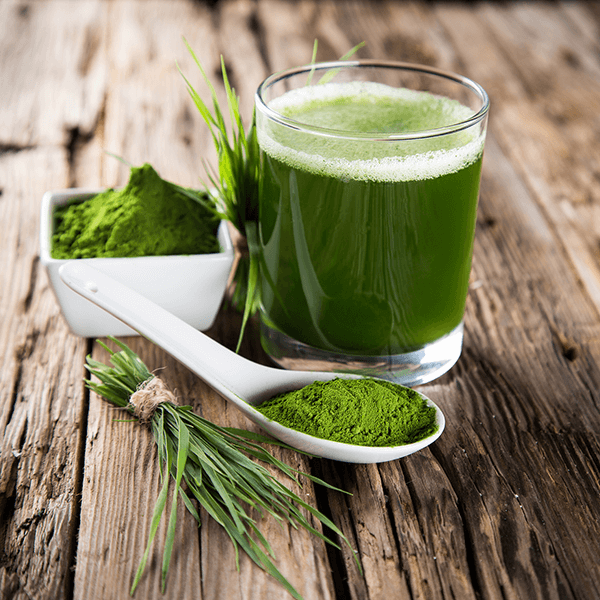
Wheat grass powder, a nutrient-dense superfood, plays a crucial role in enhancing brain oxygenation and circulation. Packed with chlorophyll, vitamins, minerals, and antioxidants, this green powerhouse boosts oxygen transport to the brain, improves blood flow, and supports cognitive function. Its iron content aids in hemoglobin production, facilitating efficient oxygen delivery throughout the body, including the brain. Additionally, the nitric oxide-boosting properties of wheat grass powder help dilate blood vessels, promoting better circulation and ensuring optimal brain oxygenation for improved mental clarity and overall cognitive performance.
Boosting Brain Oxygen with Wheat Grass Powder
Wheat grass powder is a veritable treasure trove of nutrients that can significantly enhance brain oxygenation. This vibrant green powder is derived from young wheat plants and is renowned for its high chlorophyll content. Chlorophyll, often referred to as "green blood," bears a striking resemblance to hemoglobin in structure, differing only in its central atom - magnesium in chlorophyll versus iron in hemoglobin.
The Chlorophyll-Hemoglobin Connection
The structural similarity between chlorophyll and hemoglobin is more than just a coincidence. This likeness allows chlorophyll to play a supportive role in hemoglobin production. Hemoglobin, the protein in red blood cells responsible for transporting oxygen throughout the body, is crucial for maintaining optimal brain function. By supporting hemoglobin production, wheat grass powder indirectly contributes to improved oxygen delivery to the brain.
Iron and Oxygen Transport
Wheat grass powder is also a rich source of iron, a mineral essential for hemoglobin synthesis. Iron deficiency can lead to anemia, a condition characterized by reduced oxygen-carrying capacity of the blood. By providing a bioavailable form of iron, wheat grass powder supports the body's ability to produce hemoglobin efficiently, thereby enhancing oxygen transport to all tissues, including the brain.
Antioxidant Protection
The brain is particularly vulnerable to oxidative stress due to its high metabolic rate and oxygen consumption. Wheat grass powder is brimming with antioxidants, including vitamins C and E, beta-carotene, and various flavonoids. These powerful compounds neutralize harmful free radicals, protecting brain cells from oxidative damage and supporting overall brain health.
Enhancing Circulation Naturally via Wheat Grass
Improved circulation is another key benefit of incorporating wheat grass powder into your diet. Enhanced blood flow ensures that oxygen and nutrients are efficiently delivered to all parts of the body, including the brain. Let's explore how wheat grass powder supports circulatory health.
Nitric Oxide Production
Wheat grass powder contains compounds that stimulate the production of nitric oxide in the body. Nitric oxide is a potent vasodilator, meaning it helps relax and widen blood vessels. This effect leads to improved blood flow and reduced blood pressure, both of which contribute to better overall circulation and enhanced oxygen delivery to the brain.
Blood-Building Properties
The chlorophyll in wheat grass powder has been shown to support the production of red blood cells. An increase in red blood cell count can lead to improved oxygen-carrying capacity of the blood, further enhancing circulation and oxygenation throughout the body, including the brain.
Anti-Inflammatory Effects
Chronic inflammation can impair circulation by damaging blood vessels and reducing their efficiency. Wheat grass powder possesses potent anti-inflammatory properties, thanks to its rich content of antioxidants and bioactive compounds. By reducing systemic inflammation, wheat grass powder supports healthy blood vessels and promotes optimal circulation.
Cognitive Benefits of Wheat Grass Powder Intake
The combined effects of improved brain oxygenation and enhanced circulation contribute to numerous cognitive benefits associated with regular wheat grass powder consumption. Let's delve into some of these brain-boosting effects.
Enhanced Mental Clarity
Improved oxygen delivery to the brain can lead to enhanced mental clarity and alertness. Many users of wheat grass powder report feeling more focused and mentally sharp after incorporating it into their daily routine. This effect may be attributed to the increased availability of oxygen and nutrients to brain cells, supporting their optimal function.
Improved Memory and Learning
Adequate brain oxygenation is crucial for memory formation and learning processes. The nutrients in wheat grass powder, particularly B-complex vitamins and minerals like zinc and magnesium, play essential roles in neurotransmitter synthesis and neural plasticity. These factors combined can contribute to improved memory retention and enhanced learning capabilities.
Mood Regulation
The brain requires a steady supply of oxygen and nutrients to maintain proper neurotransmitter balance, which is crucial for mood regulation. By supporting brain oxygenation and providing essential nutrients, wheat grass powder may help stabilize mood and promote a sense of well-being. Some studies have even suggested potential benefits in managing symptoms of anxiety and depression.
Neuroprotective Effects
The potent antioxidant profile of wheat grass powder offers neuroprotective benefits. By combating oxidative stress and reducing inflammation in the brain, regular consumption of wheat grass powder may help protect against age-related cognitive decline and neurodegenerative disorders.
Energy and Vitality
Improved brain oxygenation and circulation can lead to increased energy levels and overall vitality. Many individuals report feeling more energized and less fatigued after incorporating wheat grass powder into their diet. This boost in energy can have positive effects on cognitive performance and overall quality of life.
Detoxification Support
Wheat grass powder is known for its detoxifying properties, primarily due to its high chlorophyll content. By supporting the body's natural detoxification processes, it may help remove toxins that could otherwise impair cognitive function. A cleaner internal environment can contribute to clearer thinking and improved mental performance.
Stress Reduction
The nutrient profile of wheat grass powder, particularly its magnesium content, may help in managing stress. Magnesium plays a crucial role in regulating the body's stress response. By potentially reducing stress levels, wheat grass powder can indirectly support better cognitive function, as chronic stress is known to impair memory and learning.
Support for Brain-Gut Connection
Emerging research highlights the importance of the brain-gut connection in cognitive health. Wheat grass powder's potential prebiotic properties and its ability to support digestive health may contribute to a healthier gut microbiome. A balanced gut microbiome has been linked to improved mood, better cognitive function, and even potential neuroprotective effects.
Alkalizing Effects
Wheat grass powder is known for its alkalizing properties, which may help balance the body's pH levels. While the direct impact on brain function is still being studied, maintaining a balanced pH in the body is believed to support overall health, including cognitive function. Some proponents suggest that a more alkaline environment may promote better oxygen utilization at the cellular level, potentially benefiting brain cells.
Long-term Brain Health
Regular consumption of wheat grass powder, as part of a balanced diet and healthy lifestyle, may contribute to long-term brain health. The cumulative effects of improved oxygenation, enhanced circulation, and the array of nutrients provided by wheat grass powder could potentially slow cognitive aging and support brain function well into later years.
Conclusion
Wheat grass powder emerges as a potent ally in the quest for improved brain oxygenation and circulation. Its rich nutrient profile, including chlorophyll, iron, antioxidants, and essential vitamins and minerals, works synergistically to enhance oxygen delivery to the brain, support healthy blood flow, and promote overall cognitive well-being. From boosting mental clarity and improving memory to offering neuroprotective benefits and supporting long-term brain health, the cognitive advantages of incorporating wheat grass powder into your daily routine are manifold.
For those seeking to optimize their cognitive function and support overall brain health, consider exploring high-quality wheat grass powder options from reputable suppliers and manufacturers. BIOWAY INDUSTRIAL GROUP LTD, a leading botanical extract company, offers premium organic wheat grass powder that meets stringent quality standards. For more information about our products or to place an order, please get in touch with us at grace@biowaycn.com.
FAQ
Q1: How much wheat grass powder should I consume daily?
The recommended daily intake of wheat grass powder typically ranges from 1 to 4 teaspoons. It's best to start with a smaller amount and gradually increase to allow your body to adjust.
Q2: Can wheat grass powder replace my daily vegetable intake?
While wheat grass powder is nutrient-dense, it should complement, not replace, a balanced diet rich in whole fruits and vegetables.
Q3:Are there any side effects of consuming wheat grass powder?
Most people tolerate wheat grass powder well, but some may experience mild digestive upset initially. It's always best to consult with a healthcare professional before starting any new supplement regimen.
References
- 1. Bar-Sela, G., et al. (2007). Wheat grass juice may improve hematological toxicity related to chemotherapy in breast cancer patients: a pilot study. Nutrition and Cancer, 59(1), 43-48.
- 2. Padalia, S., et al. (2010). Multitude potential of wheatgrass juice (Green Blood): An overview. Chronicles of Young Scientists, 1(2), 23-28.
- 3. Kulkarni, S. D., et al. (2006). Evaluation of the antioxidant activity of wheatgrass (Triticum aestivum L.) as a function of growth under different conditions. Phytotherapy Research, 20(3), 218-227.
- 4. Wheat, J., & Currie, J. (2008). Herbal medicine for cancer patients: An evidence-based review. Internet Journal of Alternative Medicine, 5(2), 28-30.
- 5. Rana, S., et al. (2011). Therapeutic potential of wheatgrass (Triticum aestivum L.) for the treatment of chronic diseases. Phytotherapy Research, 25(7), 1102-1108.
Contact Us
Grace HU (Marketing Manager) grace@biowaycn.com
Carl Cheng ( CEO/Boss ) ceo@biowaycn.com
Website: www.biowaynutrition.com
Post time: Nov-20-2025