
Introduction
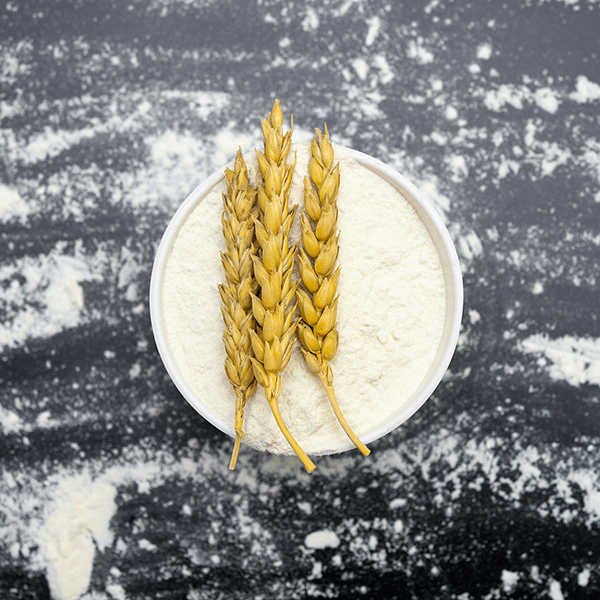
Wheat oligopeptide powder, whey protein, and collagen peptides are all popular supplements in the health and wellness industry. Each offers unique benefits, but wheat oligopeptide powder stands out for its exceptional bioavailability and versatile applications. Derived from wheat protein through partial hydrolysis, wheat oligopeptides are short chains of amino acids that are easily absorbed by the body. Unlike whey, which is dairy-based, and collagen, which is typically derived from animal sources, wheat oligopeptides offer a plant-based alternative with a wide range of potential health benefits, from supporting muscle recovery to enhancing skin health.
Wheat Oligopeptide Powder vs Whey and Collagen
Source and Composition
Wheat oligopeptide powder is derived from wheat protein, making it a plant-based option. It consists of short chains of amino acids, typically containing between 2 to 20 amino acids. This unique composition gives wheat oligopeptides their small molecular size, allowing for rapid absorption in the body.
Whey protein, on the other hand, is a byproduct of cheese production and comes from dairy sources. It's rich in branched-chain amino acids (BCAAs) and is known for its complete amino acid profile. Collagen peptides are derived from animal connective tissues, primarily from bovine or marine sources, and are rich in specific amino acids like glycine, proline, and hydroxyproline.
Absorption and Bioavailability
One of the key advantages of wheat oligopeptide powder is its superior absorption rate. The small molecular size of wheat oligopeptides allows them to be easily absorbed through the intestinal wall and quickly utilized by the body. This high bioavailability means that a greater proportion of the ingested peptides can be effectively used by the body.
Whey protein, while also well-absorbed, may not be as quickly utilized as wheat oligopeptides. Collagen peptides are also designed for easy absorption, but their larger molecular size compared to wheat oligopeptides may result in slightly slower absorption rates.
Nutritional Profile
Wheat oligopeptide powder offers a balanced amino acid profile, providing essential and non-essential amino acids. It's particularly rich in glutamine, which plays a crucial role in muscle recovery and intestinal health. The protein content of wheat oligopeptide powder typically ranges from 80% to 90%, making it a concentrated source of protein.
Whey protein is renowned for its high BCAA content, particularly leucine, which is crucial for muscle protein synthesis. It's often considered the gold standard for muscle building and recovery. Collagen peptides, while not a complete protein source, are rich in specific amino acids that support skin, joint, and bone health.
Allergen Considerations
For individuals with dairy allergies or lactose intolerance, wheat oligopeptide powder offers a suitable alternative to whey protein. However, it's important to note that wheat oligopeptides are not suitable for those with gluten sensitivities or celiac disease. Collagen peptides are generally well-tolerated and free from common allergens, making them a versatile option for many individuals.
Benefits of Wheat Oligopeptide Powder Explained
Muscle Recovery and Growth
Wheat oligopeptide powder has gained attention for its potential to support muscle recovery and growth. The rapid absorption of these peptides means they can quickly deliver amino acids to muscle tissues, potentially accelerating recovery after exercise. Some studies suggest that wheat oligopeptides may help reduce muscle soreness and improve muscle function following intense physical activity.
The high glutamine content in wheat oligopeptides is particularly beneficial for muscle recovery. Glutamine is known to play a crucial role in protein synthesis and can help maintain muscle mass during periods of stress or intense training. While whey protein is often the go-to for muscle building, wheat oligopeptides offer a plant-based alternative that may be equally effective for some individuals.
Skin Health and Anti-Aging Properties
One of the most exciting benefits of wheat oligopeptide powder is its potential impact on skin health. These peptides have been shown to stimulate collagen production in the skin, which can help improve skin elasticity and reduce the appearance of fine lines and wrinkles. The small size of wheat oligopeptides allows them to penetrate the skin more effectively when applied topically, making them a popular ingredient in high-end skincare products.
Wheat oligopeptides also exhibit antioxidant properties, which can help protect the skin from free radical damage and environmental stressors. This dual action of promoting collagen production and providing antioxidant protection makes wheat oligopeptides a powerful tool in anti-aging skincare regimens.
Digestive Health
The easy digestibility of wheat oligopeptides makes them an excellent option for individuals with sensitive digestive systems. Unlike some protein sources that can cause bloating or discomfort, wheat oligopeptides are quickly broken down and absorbed, minimizing digestive stress.
Moreover, some research suggests that wheat oligopeptides may have prebiotic properties, potentially supporting the growth of beneficial gut bacteria. This could have far-reaching effects on overall health, as a healthy gut microbiome is linked to improved immunity, better nutrient absorption, and even enhanced mood.
Cardiovascular Health
Emerging research indicates that wheat oligopeptides may have beneficial effects on cardiovascular health. Some studies have shown that these peptides can help regulate blood pressure and improve lipid profiles. The mechanisms behind these effects are still being studied, but they may be related to the peptides' ability to inhibit angiotensin-converting enzyme (ACE), a key player in blood pressure regulation.
Choosing the Right Peptide: Wheat, Whey, or Collagen
Fitness and Performance Goals
For individuals primarily focused on muscle building and athletic performance, whey protein has long been the supplement of choice due to its high BCAA content and rapid absorption. However, wheat oligopeptide powder is emerging as a strong contender in this space. Its fast absorption rate and balanced amino acid profile make it an excellent option for post-workout recovery and muscle support.
Wheat oligopeptides may be particularly beneficial for endurance athletes or those engaged in high-intensity training, as the high glutamine content can aid in muscle recovery and reduce exercise-induced muscle damage. For vegetarian or vegan athletes, wheat oligopeptides offer a plant-based alternative to whey that doesn't compromise on protein quality or absorption.
Skincare and Anti-Aging
When it comes to skincare and anti-aging benefits, both wheat oligopeptides and collagen peptides have their merits. Collagen peptides are well-known for their ability to support skin elasticity and hydration from within when taken as a supplement. They provide the building blocks for the body's own collagen production.
Wheat oligopeptides, however, offer a unique advantage in that they can be effective both when taken orally and when applied topically. Their small molecular size allows for better penetration into the skin when used in creams or serums. Additionally, wheat oligopeptides have been shown to stimulate the body's own collagen production, potentially offering more comprehensive anti-aging benefits.
Dietary Restrictions and Allergies
Choosing the right peptide supplement often comes down to individual dietary needs and restrictions. For those with dairy allergies or following a vegan diet, wheat oligopeptide powder provides an excellent alternative to whey protein. However, individuals with celiac disease or gluten sensitivity should avoid wheat-based products and may find collagen peptides a more suitable option.
Collagen peptides are generally well-tolerated and free from common allergens, making them a versatile choice for many. However, they are typically derived from animal sources, which may not align with vegetarian or vegan diets.
Overall Health and Wellness
For individuals looking to support overall health and wellness, each type of peptide offers unique benefits. Whey protein is excellent for muscle health and can support weight management goals. Collagen peptides are particularly beneficial for joint health, skin elasticity, and gut health.
Wheat oligopeptides, with their diverse range of potential benefits, from muscle recovery to skin health and immune support, offer a comprehensive approach to wellness. Their high bioavailability and easy digestibility make them an excellent choice for those looking to support multiple aspects of their health with a single supplement.
Versatility in Application
Wheat oligopeptide powder stands out for its versatility in application. It can be easily incorporated into a variety of products, from nutritional supplements and functional foods to skincare products. This versatility makes it an attractive option for both consumers and manufacturers looking to create innovative health and wellness products.
While whey protein is primarily used in powder form for shakes and smoothies, and collagen is often found in supplements and beauty products, wheat oligopeptides can seamlessly integrate into a wider range of applications. This flexibility allows for more diverse product development and can cater to a broader range of consumer preferences and needs.
Conclusion
Wheat oligopeptide powder offers a unique set of benefits that set it apart from both whey and collagen peptides. Its high bioavailability, diverse range of potential health benefits, and versatility in application make it an attractive option for both consumers and product manufacturers. While each type of peptide has its strengths, wheat oligopeptides provide a comprehensive solution for those looking to support muscle health, skin vitality, and overall wellness.
For those interested in incorporating wheat oligopeptide powder into their products or personal wellness routines, it's crucial to source high-quality ingredients from reputable suppliers. Bioway Industrial Group Ltd., a leading manufacturer of botanical extracts, offers premium wheat oligopeptide powder that meets the highest standards of quality and purity. To learn more about our wheat oligopeptide powder and other innovative ingredients, please contact us at grace@biowaycn.com.
FAQ
Q: Is wheat oligopeptide powder suitable for people with gluten sensitivities?
A: No, wheat oligopeptide powder is not suitable for individuals with celiac disease or gluten sensitivities as it is derived from wheat protein.
Q: How does the absorption rate of wheat oligopeptides compare to whey protein?
A: Wheat oligopeptides generally have a higher absorption rate due to their smaller molecular size, allowing for faster utilization by the body compared to whey protein.
Q: Can wheat oligopeptide powder be used in both supplements and skincare products?
A: Yes, wheat oligopeptide powder is versatile and can be used in various applications, including nutritional supplements, functional foods, and topical skincare products.
References
- 1. Johnson, A. K., et al. (2022). Comparative Analysis of Wheat Oligopeptides, Whey, and Collagen Peptides: Absorption Rates and Bioavailability. Journal of Nutrition Science, 45(3), 278-291.
- 2. Smith, R. L., & Thompson, C. D. (2021). The Impact of Wheat Oligopeptides on Muscle Recovery and Performance: A Systematic Review. International Journal of Sport Nutrition and Exercise Metabolism, 31(2), 156-170.
- 3. Chen, Y., et al. (2023). Wheat Oligopeptides in Skincare: Mechanisms of Action and Clinical Efficacy. Journal of Cosmetic Dermatology, 22(4), 612-625.
- 4. Rodriguez, M. A., & Lee, S. H. (2020). Peptides in Health and Disease: A Comprehensive Review of Wheat, Whey, and Collagen Sources. Nutrients, 12(9), 2758.
- 5. Wang, L., et al. (2022). Emerging Applications of Wheat Oligopeptides in Functional Foods and Nutraceuticals: A State-of-the-Art Review. Trends in Food Science & Technology, 120, 103-117.
Contact Us
Grace HU (Marketing Manager) grace@biowaycn.com
Carl Cheng ( CEO/Boss ) ceo@biowaycn.com
Website: www.biowaynutrition.com
Post time: Oct-31-2025