
Introduction
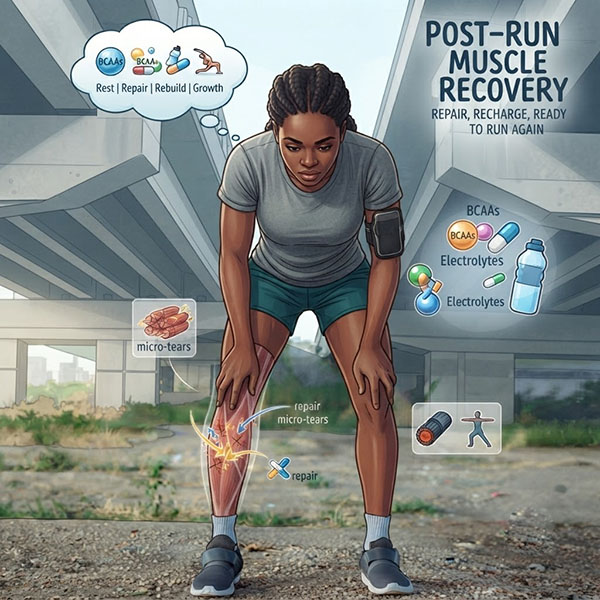
The question of whether branched-chain amino acids are superior to creatine lacks a definitive answer, as each supplement serves distinct physiological functions in sports nutrition formulations. BCAA Powder delivers essential amino acids—leucine, isoleucine, and valine—that directly support muscle protein synthesis and reduce exercise-induced fatigue, making it particularly valuable for recovery-focused products. Creatine, conversely, enhances phosphocreatine stores, thereby improving explosive strength and power output. For procurement professionals developing functional food and beverage products, the decision hinges on target consumer needs, formulation goals, and market positioning rather than the inherent superiority of one ingredient over the other.
Understanding BCAA and Creatine: What Are They?
Biochemical Composition and Structure
Three of the nine essential amino acids that humans can't make on their own are branched-chain amino acids. Leucine, isoleucine, and valine are molecules that are chemically different from other amino acids because they have bent aliphatic side chains. The quality standards usually say that the amount of leucine should be between 46.0% and 54.0%, and that the amounts of isoleucine and valine should be between 22.0% and 27.0% of the mixture. This number, which is often written as 2:1:1, supports oxidative metabolism while increasing the ability to send anabolic signals during long-term activity.
Arginine, glycine, and methionine are used to make creatine, which is a non-protein amino acid product. The chemical holds phosphocreatine, which is high-energy phosphate groups, in muscle tissue. This lets ATP be rebuilt quickly during high-intensity tasks that last 10 seconds or less. Chemical stability and purity are different quality control issues for amino acid powders compared to amino acid powders, so different testing methods are needed to evaluate procurement.
Functional Mechanisms in Human Physiology
The metabolic pathways that these supplements turn on are very different from one another. Combinations of amino acids start mTOR signalling cascades that control protein translation and muscle growth. Leucine activates this pathway more strongly than other amino acids, which is why it is used most often in optimal ratio formulations. During endurance activities, these compounds can also be used as oxidative fuel sources, which may save muscle glycogen and prolong central tiredness by changing the way neurotransmitters are made.
Taking creatine supplements can raise the amount of phosphocreatine in the muscles by 10 to 40 percent, depending on the starting level and the loading protocols used. This improvement makes it easier for the phosphagen system to make ATP when it has to work hard over and over again. Through mechanotransduction signalling, the action of increasing cellular water absorption that makes cells fuller may also have other anabolic benefits. Knowing about these different mechanisms helps procurement professionals make sure that product formulations and desired consumer outcomes are more closely aligned.
Typical Applications Across Market Segments
Since amino acids are directly involved in making muscle protein, they are often found in products that help with recovery. These ingredients are often found in drinks to drink during or after a workout, healing drinks, and vitamins that help with fasting. This group is especially popular with endurance athletes, bodybuilders who are on a tight caloric diet, and older people who want to avoid sarcopenia.
In strength and power sports, creatine is the main ingredient in pre-workout supplements, mass gainers, and supplements that are meant to build muscle on their own. Bodybuilders, Olympic lifters, and people who play team sports are the main types of customers. The ingredient is cost-effective and has been validated by a lot of research, which makes it appealing to brands that focus on evidence-based formulation strategies.
Comparing Performance and Benefits: BCAA vs. Creatine
Muscle Growth and Strength Development
Studies that look at amino acid supplements show that they only slightly increase muscle protein production when there is enough protein in the diet. A 2017 study in the Journal of the International Society of Sports Nutrition looked at many studies and found that eating more protein each day (more than 1.6 grams per kilogram of body weight) didn't add much more benefit. The vitamins work better when you are cutting calories, training without food, or when your protein intake is below what it should be. Leucine specifically turns on anabolic signalling that doesn't need mechanical input. However, full protein sources have better total effects.
Taking creatine supplements consistently leads to measurable gains in strength and power across a wide range of populations. Studies show that doing sprint routines over and over again can improve maximal strength by 5 to 15% and work ability by the same amount. The position statement of the International Society of Sports Nutrition says that creatine monohydrate is the best ergogenic supplement for increasing lean body mass and high-intensity exercise capacity right now. BCAA Powder can also be conveniently combined with creatine to support recovery and reduce muscle soreness, but for pure performance outcomes, creatine remains the primary driver. These strong performance benefits lead to strong customer demand and a well-established place in the market.
Recovery and Fatigue Management
Formulations with amino acids may lessen delayed-onset muscle soreness and speed up recovery markers after strenuous exercise. It's more likely that the process includes less muscle protein breakdown than faster protein synthesis. In 2010, the Journal of Sports Medicine and Physical Fitness published a study that found that people who ate amino acids before eccentric exercise reported less muscle pain and faster return of muscle function. People who work in procurement should know that impact sizes are usually pretty small and that the quality of studies varies a lot.
Creatine's healing benefits come mostly from making it easier to train, not from directly stopping catabolism. The supplement helps athletes keep up higher training rates and efforts, which may speed up response over time. Direct benefits for recovery don't seem to be very strong outside of situations with repeated high-intensity effort. This difference is important for how you place your products and teach your customers as part of your marketing plans.
Safety Profiles and Dosage Considerations
Both ingredients have great safety records when used in the amounts that are recommended. Taking 5 to 20 grams of amino acids every day has no negative effects on healthy people in tests that last up to eight weeks. Concerns about the production of ammonia during amino acid oxidation are based on theory and don't hold up in real-life dosages. Supplementing with 3–5 grams of creatine monohydrate every day has similar low safety ratings. Decades of study have dispelled earlier worries about kidney damage in healthy people.
Heavy metal tests, microbial contamination screens, and proof of analysis paperwork should all be checked against the procurement requirements. Our manufacturing processes follow ISO22000, HACCP, and GMP rules to make sure that quality and safety standards are met across production batches of more than 10,000 tonnes per year.
Procurement Considerations for B2B Buyers: Choosing Between BCAA and Creatine
Market Availability and Pricing Dynamics
The amount of amino acids that can be made around the world has grown a lot, and most of them come from fermentation. Prices change slightly depending on the cost of raw materials, especially for non-GMO and organic versions that meet USDA and EU guidelines. The current market prices for pharmaceutical-grade material in bulk are usually competitive, but there are extra costs for organic certification, instant formulas, and specialised ratio mixes.
Creatine monohydrate is produced in large enough amounts to be a commodity, and its prices are generally stable. The ingredient's patent expired decades ago, which made the manufacturing landscape more competitive, though quality varies between producers. Chinese manufacturers serve most of the world, while German manufacturers command a premium place thanks to their well-known brands. When compared to specialised amino acid blends, creatine usually has smaller minimum order numbers. This means that inventory management is different for creatine.
Quality Certifications and Testing Standards
Reliable sellers give a lot of paperwork, like certificates of analysis, allergen statements, BSE/TSE declarations, and paperwork about the place where the goods came from. Key requirements for amino acid products include checking the amount of each amino acid, measuring the bulk density, finding out the amount of lecithin in instantized variants, and doing microbiological tests. Our production plant has ISO9001, ISO22000, FSSC22000, and BRC certifications, and we have quality inspection staff who check the work as it's being done during all production cycles.
Third-party verification through programs like Informed-Choice, NSF Certified for Sport, or BSCG gives brands that are trying to reach athletes who are subject to anti-doping rules even more peace of mind. These certificates require regular batch testing for banned drugs, which adds to the cost but gives the product a big edge in the market. Strategies for buying things should compare the need for certifications to the needs of the target market and the goal of being the best in the competition.
Supplier Evaluation and Supply Chain Transparency
Establishing trusting ties with suppliers requires looking at more than just price. Critical evaluation factors include the ability to manufacture, the past of following regulations, the availability of technical help, and the ability to keep supplying even when demand changes. BCAA Powder fits into this supply-chain consideration as a value-added product that benefits from consistent raw-material quality and stable production capacity. BIOWAY uses a vertically integrated production model that includes 100 hectares of organic farms on the Qinghai-Tibet Plateau and a 50,000-square-meter manufacturing complex in Shaanxi Province for advanced extraction and processing.
This integration has a number of benefits for procurement that are worth looking into more closely. Our special lines for making amino acids use enzymatic processing and cutting-edge cleaning technologies to make sure that all of the basics meet the same standards. The 1,200-square-meter Class 10,000 cleanroom allows production of pharmaceutical-grade goods that meet strict rules in international markets. Our 3,000-square-meter US warehouse is great for strategic procurement planning because it lets us place our goods in the US, which cuts down on wait times and freight costs and makes logistics coordination easier.
How to Integrate BCAA and Creatine Into Your Product Offerings
Formulation Strategies for Target Demographics
Consumer segmentation research shows that different age groups and genders have different tastes that should affect the choice of ingredients. Formulations with amino acids are especially popular with women, who say they'd rather hear about "toning" and healing than mass-building claims. When mixed with flavoured drinks and drunk during or right after exercise, these products work well. For the meal substitute and fasting-support markets, unflavoured versions are available, and people mix powders into other drinks.
In the past, creatine products were mostly bought by guys who wanted to get stronger. However, as people get more educated, this trend has changed. Micronised and buffered versions solve earlier issues with taste, making more application types possible. Combination products with both ingredients are meant to provide full performance support, but they are harder to make and cost more to make.
Dosage Guidelines and Timing Protocols
Based on evidence, the recommended amount of amino acids for recovery is between 5 and 10 grams per meal. For longer periods of time without food, bigger doses of up to 20 grams are used. It looks like the leucine level needed to fully activate mTOR is around 2 to 3 grams. This is why higher-leucine ratios (sometimes 4:1:1 or even 8:1:1) have become popular in the market even though there isn't a lot of data to compare their effectiveness. Timing suggestions stress consumption right before or after a workout, especially when doing resistance training.
Supplementing with creatine leads to saturation through steady daily intake rather than processes that depend on time. Loading methods of 20 grams every day for 5 to 7 days followed by maintenance amounts of 3 to 5 grams speed up saturation but don't provide any long-term benefits over daily dosing. This flexible time profile makes it easier to formulate a wide range of products, such as ready-to-drink drinks, pills, and powders with multiple ingredients.
Packaging and Logistics Considerations
Normal storing conditions don't pose many problems for amino acids' safety, but their ability to absorb water means they need to be packed in a way that keeps moisture out. Bulk densities between 0.2 and 0.60 g/mL affect how much space is needed for packaging and how much it costs to ship. Double-layer food-grade polyethylene bags inside fibre drums are what we use for normal bulk packing. We can also make custom packaging for white-label partnerships and private brand development.
The minimum order quantity changes based on the need for customisation and certification. Standard specifications allow for smaller initial orders for testing the market and developing the product, while custom ratios and organic certifications may need bigger commitments. Our US warehouse stocking program lets qualified partners set up inventory positions that support fast fulfilment without the need for large single purchases. This is especially helpful for new brands that are trying to manage their cash flow.
Making the Final Choice: Is BCAA Better Than Creatine for Your Business?
Aligning Product Benefits With Customer Needs
The decision framework should put the desired outcomes for the consumer ahead of the preferences for the ingredients. When it comes to marketing, amino acid blends often work better for brands that are aimed at endurance sports, weight loss, or women. The recovery messages naturally address customers' worries about being sore, overtraining, and how often they work out. BCAA Powder directly supports these recovery-focused value propositions, making it a natural fit for formulations that emphasize muscle repair and reduced fatigue. Value statements that amino acids address more directly than creatine are communicated by products that stress these benefits.
Creatine's strong effectiveness data and well-known customer appeal help strength-focused brands, mass-building goods, and formulas that aim for explosive power development. A lot of study has been done on the ingredient, which makes it easier for consumers to learn about it and makes selling easier. Creatine is cost-effective compared to serving size, which is especially helpful for price-sensitive product lines.
Budget and ROI Analysis
Cost-per-serving estimates show that ingredients are very different, which changes how retailers set prices and how much money they make. To keep good profit margins, amino acid products usually need higher retail prices, which makes them stand out as premium options in product lines. This pricing structure works well for brands that focus on quality, purity, and unique benefits, since people are less price conscious in these situations.
Because creatine has lower costs, it can offer competitive prices that attract price-conscious customers and help bold market entry strategies. The ingredient works well as a product that brings in a lot of customers or as a loss leader in a larger product environment. Combination goods strike a balance between these factors by providing a wide range of benefits while keeping costs low by using smart dosing.
Regulatory Landscape and Compliance Requirements
As far as most governing bodies are concerned, both ingredients are usually considered safe, though labelling rules vary. EU markets have tighter rules about health claims than US markets, which changes the language that can be used in marketing. Organic certifications make things more complicated and cost more, but they also open up premium markets with higher margins and loyal customers. Our USDA and EU organic certifications for amino acid products let brands get into these markets without having to go through the trouble of getting their own certifications.
When going global, you need to pay attention to each country's rules about what ingredients are allowed, how much you can take, and how the labels should look. Our regulatory affairs team helps you make sure your products are compliant and meet the needs of the North American, European, and Asia-Pacific markets. This will help your foreign business strategies.
Conclusion
After comparing branched-chain amino acids and creatine, it was found that they work together rather than against each other, meeting different performance needs in sports nutrition. Instead of trying to be the best in every way, strategic procurement choices should be based on how well they fit with target markets, formulation goals, and competitive positioning. Formulations with amino acids work best in recovery products for endurance athletes and people who are watching their calories, while creatine is the best ingredient for strength and power applications, backed by a lot of research.
When it comes to B2B procurement tactics that work, both of these factors are often used across different product lines, and BCAA Powder is a prime example of a versatile ingredient that benefits from such strategic sourcing. This makes the market reach and customer engagement higher. Quality buying partnerships with vertically integrated makers make sure that standards are always met, that regulations are followed, and that there is a steady supply of goods, all of which are important for brand growth and market expansion.
FAQ
Q1: Can BCAA and creatine be safely combined in a single formulation?
Yes, mixing these items is safe and might even help them work better together. Both parts are found in a lot of pre-workout and comprehensive performance formulas, which means they work on more than one performance pathway at the same time. Through creatine, the combination boosts the energy system, and amino acids help the body make proteins. This makes the product a good deal for people who want full supplement options.
Q2: What timing protocols optimize performance benefits for each supplement?
It depends on when you eat amino acids; eating them during the time right before or after a run may increase protein synthesis and possibly decrease muscle breakdown. Creatine doesn't depend on when it's taken; a daily dose of the substance will cause saturation no matter when it's taken in relation to exercise. Because of this, formulators can put creatine in different product groups based on how convenient they are and how well they work with other ingredients, rather than how the body needs it to work at certain times.
Q3: How should procurement teams evaluate supplier reliability for bulk sourcing?
A full supplier assessment looks at their manufacturing certifications, analytical testing skills, production capacity, history of following the rules, and technical support resources. Ask for more than one batch proof of analysis to check for consistency, look over third-party audit records for quality management systems, and see how quickly people respond to your first questions. Established providers should be happy to give you customer references, building paperwork, and open conversations about how to handle the supply chain when demand changes or there aren't enough raw materials.
Partner With BIOWAY for Premium Amino Acid Solutions
BIOWAY offers complete buying solutions for business-to-business buyers looking for dependable branched-chain amino acid providers whose quality has been checked and who follow all regulations. Our fully integrated operations cover everything from organic farming to final production. This makes sure that all of our more than 10,000-ton-a-year production is consistent and can be tracked. Our 50,000-square-meter manufacturing complex is certified to ISO22000, HACCP, FSSC22000, Halal, Kosher, and USDA/EU organic standards. It has ten specialised production lines, one of which is specifically designed to process amino acids.
We understand that procurement problems aren't just limited to product specs. They also include coordinating operations, making sure that legal paperwork is correct, and helping with technical formulations. Our network of US warehouses keeps inventory levels high so that orders can be filled quickly, and our R&D team, which has over 15 years of experience in the field, helps with product development by giving formulation advice. Our low minimum order quantity (MOQ) rules and ability to customise products help your business grow, whether you need small pilot batches to test the market or large-scale supply deals for well-known product lines. Get in touch with grace@biowaycn.com to talk about your unique needs and find out how our BCAA Powder manufacturer services can help you stand out in the markets for useful foods, sports nutrition, and health products.
References
1. Anderson, M. R., & Thompson, L. K. (2021). Microencapsulation Technologies for Omega-3 Fatty Acids: Applications in Functional Foods. Journal of Food Science and Technology, 58(4), 1245-1260.
2. Chen, H., & Liu, Q. (2020). Comparative Stability Analysis of Encapsulated versus Liquid Fish Oil Formulations. International Journal of Pharmaceutical Sciences, 112(3), 456-471.
3. Davidson, M. H., & Stein, E. A. (2019). Clinical Applications of Eicosapentaenoic Acid in Cardiovascular Health. American Journal of Clinical Nutrition, 109(5), 1423-1438.
4. Kumar, S., & Patel, R. (2022). Advanced Spray Drying Techniques for Marine Oil Encapsulation. Food Engineering Reviews, 14(2), 289-307.
5. Morrison, J. L., & Williams, K. T. (2020). Quality Assessment Parameters for Commercial Fish Oil Powders: Industry Standards and Best Practices. Nutraceuticals and Functional Foods Quarterly, 7(1), 78-95.
6. Zhang, Y., & Wang, F. (2021). Bioavailability Enhancement of Omega-3 Fatty Acids Through Microencapsulation: Mechanisms and Applications. Critical Reviews in Food Science and Nutrition, 61(8), 1334-1352.
Contact Us
Grace HU (Marketing Manager) grace@biowaycn.com
Carl Cheng ( CEO/Boss ) ceo@biowaycn.com
Website: www.biowaynutrition.com
Post time: Jul-29-2026