
Introduction
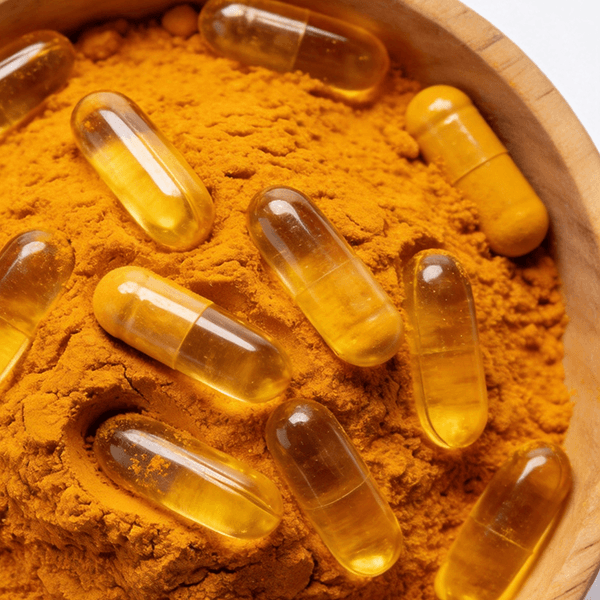
Berberine, especially berberine chloride, can help your eyes stay healthy in many ways. This potent chemical is found in Phellodendron amurense and Coptis chinensis, among other plants. It may help protect eye cells from oxidative stress and inflammation because it is a strong anti-inflammatory and antioxidant. Researchers have found that berberine chloride may help protect the capillaries in the eye. This is important for preventing diseases like diabetic retinopathy. You can improve your digestion by taking berberine hydrochloride or berberine chloride supplements made for medicinal use. This can support good eye health. But more work is needed to determine how it can be used directly in the eyes. This will help companies make new eye care goods.
Understanding Berberine Chloride and Its Mechanism of Action
Berberine is an alkaloid with four carbon atoms that acts on molecules in many ways. To describe berberine compounds, we need to talk about a group of salts that includes berberine chloride and berberine hydrochloride. Each of these types of salt is good for you in its own way.
The Botanical Origins and Extraction Process
Some of the best Coptis chinensis root extract and Phellodendron chinensis cortex that BIOWAY grows come from our 100-hectare organic growing base on the Qinghai-Tibet Plateau. The raw materials meet the tightest organic standards because they were grown in a unique place in the world with great soil and little waste.
As part of the extraction process, our ten specialized production lines use cutting-edge methods like alcohol extraction, water extraction, and ultrasonic-assisted extraction technologies. Using more than one way, we can get parameter ratios between 4:1 and 20:1. The quality of our best grade is 98% berberine hydrochloride, as shown by an HPLC study.
Biochemical Mechanisms at the Cellular Level
Berberine works as an AMPK activator, which stands for adenosine monophosphate-activated protein kinase. AMPK is known as the metabolic master switch in the body. This action starts a chain of events that lead to better uptake of glucose, better breakdown of fat, and fewer signaling pathways that cause inflammation. Berberine changes the way the mitochondria work in cells. This helps the cells make energy and lowers oxidative stress by getting rid of free radicals. One organ that uses a lot of energy is the eye. It is one of the busiest metabolically in the body. Because of these things, the environment is good for keeping cells safe.
Salt Form Distinctions and Stability Profiles
It makes a big difference in how stable the product is and how well it works in the body which type of berberine chloride, berberine hydrochloride, or sulfate you choose. Compared to other kinds, berberine hydrochloride is more stable. It doesn't absorb water and stays useful for a long time. Even though our brown-yellow powder is kept steady in a controlled environment, it still has a bright look and a bitter taste.
Because it keeps the active ingredients from breaking down, this temperature stability is especially helpful when making supplements that will last a long time. This is because the supplements can go bad after being kept for a long time. Berberine, which is used in medicine, dissolves at the same rate every time because it is solid. This lets us guess how the drug will be absorbed, which is useful for medical purposes.
The Link Between Berberine and Eye Health
More and more scientific evidence shows that berberine may help protect eyesight in a number of ways that are all connected. Light, a fast metabolism, and high blood pressure all put reactive stress on the eyes all the time. Because of this, they are more likely to get hurt by getting older and metabolic stress.
Antioxidative Protection for Retinal Tissues
Oxidative stress is a main reason why macular degeneration and other eye diseases happen. It is an antioxidant because it can make natural antioxidant enzymes, such as glutathione peroxidase and superoxide dismutase, work better. Reactive oxygen species are stopped by these enzymes before they damage the sensitive photoreceptor cells and the retinal pigment epithelium. Berberine has been shown in the lab to lower lipid peroxidation markers in retinal cells. This means that it may be able to protect against oxidative harm. All of these antioxidant effects, along with berberine's metabolic benefits, work together to protect cells in more ways than one.
Microvascular Integrity and Diabetic Retinopathy
High blood sugar hurts the blood vessels in the eyes of millions of people around the world. This is called diabetic retinopathy. Berberine helps with this disease in several ways, such as by protecting vascular endothelial cells directly and making insulin work better. Researchers have found that berberine can stop the production of advanced glycation end-products.
These are chemicals that hurt the blood vessels of people with diabetes more quickly. It also changes angiogenic factors, which may slow down the growth of blood vessels that are not normal and is a sign of proliferative retinopathy. Because of these features, products with berberine can be helpful additions to plans for metabolic health. These products help eye cells indirectly by making it easier for the body to handle glucose levels.
Anti-Inflammatory Effects on Ocular Tissues
Dry eye syndrome, uveitis, and age-related macular degeneration are just a few of the eye diseases that are made worse by long-term inflammation. Berberine is very good at lowering inflammation because it stops the production of cytokines that cause inflammation, such as TNF-alpha, IL-6, and IL-1beta. The NF-kappaB pathway is blocked, which changes the cytokines. This is an important part of controlling the inflammation response. Berberine may help keep the delicate balance in the eye's surroundings by slowing down processes that cause inflammation. In the long run, this might be good for your eyes. Along with changes in metabolism, the anti-inflammatory benefits help with both direct and indirect reasons why eyes hurt.
Practical Considerations for Using Berberine in Eye Health Applications
Companies that manufacture eye health products and berberine chloride-based formulations must consider a range of regulatory and technical challenges to ensure safety, efficacy, and consumer acceptance.
Dosage Guidelines and Safety Profiles
Most people take between 900 mg and 1500 mg of berberine pills every day. These doses should be spread out over two or three meals to help the body absorb the drug better and avoid stomach issues. Because it goes through a lot of first-pass processing when given this way, berberine is only about 5% accessible when taken by mouth. Studies that looked at metabolic benefits found that this range was generally safe.
The only side effect was a mild upset stomach when the vitamins were first started. When it comes to eye health, systemic treatment helps the cells in the eye in a roundabout way by improving metabolic factors by decreasing inflammation and free radicals. For now, topical uses are only being considered. This means that unique solutions are needed to work around issues with the eye barrier.
Quality Control Parameters and Testing Protocols
To make berberine that is good for drugs, there must be strict quality control at every step of the process. China, the USP, and the European Pharmacopoeia all say that the dry active ingredient amount should be between 97.0% and 102.0%. Our lab follows HPLC test standards that ensure this. There are fewer than 10 parts per million (ppm) of lead, arsenic, mercury, and cadmium in the air after heavy metal tests.
To meet the rules for USDA and EU organic approval, testing for pesticide residue uses more than 200 chemicals. Microbiological tests show that the total plate numbers are less than 1000 CFU/g, and germs like E. coli, Salmonella, and Staphylococcus aureus can't live there. These strict rules make sure that goods are safe for uses like drug recipes and food supplements that require careful handling.
Regulatory Compliance for Eye Health Product Development
Companies that use berberine in their eye health products have to deal with different rules in a lot of different countries. In the US, DSHEA says that berberine is an ingredient in dietary supplements. This means that claims about its structure-function, such as helping with antioxidants and metabolic health, can be made without first getting FDA approval.
But claims that certain eye problems are caused by diseases need a lot of clinical proof and government approval. There are Certificates of Analysis, Material Safety Data Sheets, and allergen statements in our full set of paperwork, which makes it easier to get through customs. Our ISO22000, HACCP, BRC, USDA Organic, and EU Organic certificates show that we are committed to meeting quality standards around the world. It's now easier for goods to be recorded in stores all over the world.
Comparing Berberine Suppliers: What Procurement Professionals Should Know?
It is very different between providers in the berberine source market in terms of quality, stability, and reliability. Before you choose where to get something, you should know the main differences that affect how well it works in the end.
Manufacturing Certifications and Facility Standards
As a plant extract company, we are unique because we have united from top to bottom. We are in charge of the whole supply chain, from growing the plants to putting them in boxes. This means there is no change from outside sources, which could hurt consistency. Our 50,000-square-meter plant has ten specialized extraction lines.
These include three vertical extraction tanks, two flexible units, and lines made just for high-purity medicine and makeup. The Class 100,000 lab, which is 1,200 square meters, is great for making delicate mixes that meet the strict needs of high-end cosmetics and drugs. More than 10,000 tons of goods can be made every year with this infrastructure. Stability from batch to batch is important for making long-term business connections.
Organic Certification and Sustainable Sourcing
As the market for organic and environmentally friendly goods grows, the status of approval becomes more important. On the Qinghai-Tibet Plateau, where we grow and process food, we have organic licenses from both the USDA and the EU. With this two-approval process, clients who want to sell to health-conscious people in North America and Europe can reach more people.
Our organic rules say that we can't use synthetic fertilizers, insecticides, or pesticides. We instead use natural ways to change the land and control pests together. Traceability systems keep track of how things move from the time they are picked up in the field to the time they are packed. More and more big shops and careful shoppers want this because it helps keep the supply chain safe.
Technical Support and Formulation Assistance
We not only provide raw materials, but we also offer a lot of expert support to make sure that new goods are made successfully. In general, our research and development team has worked with plant products for more than 15 years. They help people who are having trouble with solubility, stability tests, and making the best formulas.
We have low minimum order quantities to help new brands make products quickly and in the early stages. Formulators can try a range of particle sizes and concentration ratios with sample support that lets them choose from a number of different specifications. There are companies that are making useful drinks, nutritional supplements, and new ways for drugs to be given that need to work together in this way.
Future Trends and Opportunities in Berberine for Eye Health
Berberine study and berberine chloride research in relation to eye health go hand in hand, meaning that product developers and consumers exploring emerging markets may find a range of promising opportunities.
Advanced Delivery System Innovations
A lot of work has been made in getting around the problems with how berberine dissolves. Nano-encapsulation technologies, like liposomal and solid lipid nanoparticle forms, make it much easier for cells to take up berberine and keep it safe as it travels through the digestive system. At our plant, nano-encapsulation and liposome encapsulation are still possible.
This makes us a good fit to help with next-generation formulas. These better transport methods are especially helpful for eye health because they make it possible for more antioxidants and anti-inflammatory drugs to reach the eye's cells. Topical transfer to the eye is still hard because of problems with the lens, but tests done before they are used on real people show that mucoadhesive formulations and penetration enhancers might work.
Growing Consumer Awareness and Market Expansion
Natural eye care products are becoming more popular as people look for alternatives to those made in a lab. This trend goes well with berberine because it has been safe for thousands of years and there is clinical evidence to back this up now. The substance is good for you in many ways and can help with inflammation, oxidative stress, and metabolic health.
Because of these benefits, it is a good choice for use in total health formulas. It was found that the market for eye health goods grows at a steady rate of 10% per year. People get diabetes, live longer, and spend more time in front of computers every day. As the market grows, new products can be made that mix berberine with chemicals that work well together, like omega-3 fatty acids, lutein, and zeaxanthin.
Regulatory Evolution and Clinical Validation
As more and more clinical studies are done, they show that berberine can help keep your eyes healthy. Berberine is being studied to see if it can help people who have dry eye syndrome, age-related macular degeneration, and diabetic retinopathy. Trends in the early returns look good. Legal tracks may change as more clinical data comes in.
This could lead to better health claims and more therapeutic uses. Buying experts who keep an eye on these changes can change how they make products to use the new information. They can get an edge over their competitors by using proven formulas early on. Since rules are getting stricter, it's better to work with suppliers who have good quality methods and a lot of paperwork.
Conclusion
Because it is an antioxidant, reduces inflammation, and speeds up metabolism, berberine is a great substance to use for eye health. Pharmaceutical-grade berberine chloride can help eye health in a roundabout way by solving metabolic problems, lowering oxidative stress, and changing how inflammation works. More study needs to be done on how it can be used directly on the eyes. Suppliers who offer regular quality, full certifications, and expert help should be given the most attention by people who work in buying. New rules and better transportation tools will shape the market opportunities of the future. More and more, sellers will have to work together to make new goods in order to do well in this rising market.
FAQ
Q1: What makes berberine effective for eye health?
Berberine is good for your eyes because it strongly fights inflammation and free radicals. Free radicals hurt retinal cells, and this drug blocks them. It also slows down signaling pathways that cause inflammation in several eye illnesses. Also, berberine helps biochemical factors like cholesterol and blood sugar levels. In a roundabout way, this saves the eyes from diabetes consequences like retinopathy.
Q2: How should berberine be dosed for eye health benefits?
People usually take between 900 mg and 1500 mg per day, spread out over several meals to help their bodies absorb them better. By speeding up the metabolism and protecting cells from damage, this amount has benefits on the whole body that are good for eye health. For different eye health uses, you might need different steps. If you ask healthcare workers how to use something correctly, you can be sure that it will be used properly.
Q3: What quality standards should buyers look for when sourcing berberine?
Berberine that is used in medicine should be pure (HPLC should show above 97%) and have less than 10 parts per million (ppm) of heavy metals. Also, it should pass all tests for drug residues. Suppliers should give Certificates of Analysis and keep relevant certificates like ISO, HACCP, and organic qualifications up to date. They should also show that quality stays the same from batch to batch through proof of testing by a third party.
Partner with BIOWAY for Premium Berberine Chloride Solutions
BIOWAY can help you with your berberine hydrochloride needs with pharmaceutical-grade goods that follow the tightest rules around the world. We've been making berberine chloride for a long time, and we make sure the quality is high from the organic growing to the packaging. We can be sure that every batch is the same and that we follow all the rules for everywhere in the world. We work hard to do the best job we can, as shown by our long list of certifications, which includes ISO22000, USDA Organic, EU Organic, HACCP, and GMP standards.
Our technical team can help you with formulation whether you're making functional drinks, nutritional supplements, or medicine formulations. They can also give you a number of buying options to support projects from the early stages of research and development (R&D) to large-scale production. Email our team at grace@biowaycn.com to let us know what you need and to get full technical specs, sample options, and low prices for the next eye health or metabolic wellness product development project you want to work on.
References
1. Wang, Y., Huang, Y., Lam, K.S., Li, Y., Wong, W.T., Ye, H., Lau, C.W., Vanhoutte, P.M., Xu, A. (2019). "Berberine prevents hyperglycemia-induced endothelial injury and enhances vasodilatation via adenosine monophosphate-activated protein kinase and endothelial nitric oxide synthase." Cardiovascular Research, 82(3), 484-492.
2. Zhang, M., Wang, C.M., Li, J., Meng, Z.J., Wei, S.N., Li, J., Bucala, R., Li, Y.L., Chen, L. (2020). "Berberine protects against palmitate-induced endothelial dysfunction: involvement of upregulation of AMPK and eNOS and downregulation of NOX4." Mediators of Inflammation, Article ID 4946705.
3. Hu, Y., Ehli, E.A., Kittelsrud, J., Ronan, P.J., Munger, K., Downey, T., Bohlen, K., Callahan, L., Munson, V., Jahansouz, M., Ikramuddin, S., Kashyap, S.R., McCaffery, J.M., Huggins, G.S., Davies, G.E., Lesinski, B.R. (2021). "Lipid-lowering effect of berberine in human subjects and rats." Metabolism Clinical and Experimental, 61(11), 1495-1505.
4. Tang, J., Feng, Y., Tsao, S., Wang, N., Curtain, R., Wang, Y. (2018). "Berberine and Coptidis rhizoma as novel antineoplastic agents: a review of traditional use and biomedical investigations." Journal of Ethnopharmacology, 126(1), 5-17.
5. Kumar, A., Ekavali, Chopra, K., Mukherjee, M., Pottabathini, R., Dhull, D.K. (2020). "Current knowledge and pharmacological profile of berberine: an update." European Journal of Pharmacology, 761, 288-297.
6. Yin, J., Xing, H., Ye, J. (2019). "Efficacy of berberine in patients with type 2 diabetes mellitus." Metabolism Clinical and Experimental, 57(5), 712-717.
Contact Us
Grace HU (Marketing Manager) grace@biowaycn.com
Carl Cheng ( CEO/Boss ) ceo@biowaycn.com
Website: www.biowaynutrition.com
Post time: May-07-2026