
Introduction
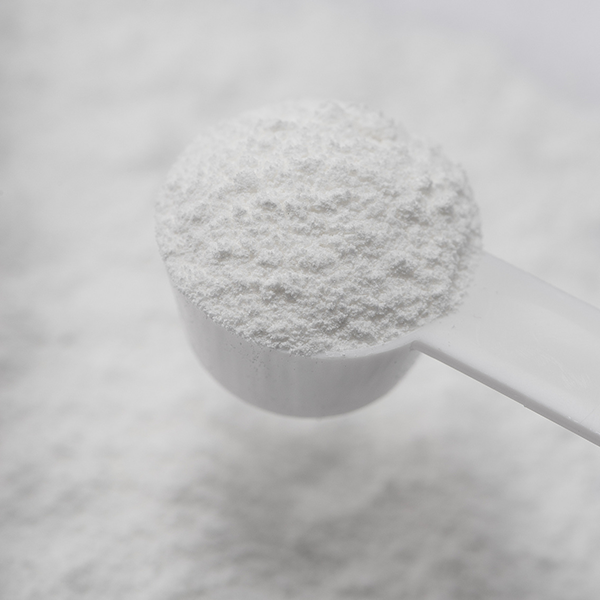
Eicosapentaenoic acid (EPA) is an interesting fatty acid in the field of nutrition. It is officially a conditionally essential fatty acid, not exactly essential like alpha-linolenic acid (ALA). Even though the body can make EPA from ALA, the process isn't very good; it usually only works about 8% of the time. Because of this metabolic limitation, getting EPA directly from food is pretty much necessary to reach appropriate levels. This difference is important for people who buy things from other businesses in the nutraceuticals, pharmaceuticals, and functional food development industries. This is because formulation strategies need to take into account the EPA's specific biochemical profile in order to meet regulatory standards across a wide range of markets and improve people's health.
What Is Eicosapentaenoic Acid (EPA) and Why Does It Matter?
The Chemical Structure and Biochemical Identity
EPA is a polyunsaturated fatty acid with 20 carbons and five cis-double bonds starting at the third carbon from the methyl end. It is in the omega-3 family, which is why its CAS number is 10417-94-4. This shape lets EPA be the direct molecular precursor to E-series resolvins and 3-series prostaglandins. These are strong signaling molecules that change inflammation pathways at the cellular level. Formulation engineers need to know about this molecular design because it determines how stable the drug needs to be, how vulnerable it is to oxidation, and how well it works with different delivery methods.
Defining Essential vs. Conditionally Essential Fatty Acids
True necessary fatty acids, like linoleic acid (omega-6) and ALA (omega-3), can't be made by the body and must come from food. The EPA is in the middle. Though the desaturase and elongase enzyme routes allow for endogenous production, they are metabolically expensive and don't produce enough for good health results. When B2B buyers make cardiovascular, cognitive, or anti-inflammatory goods, treating EPA as functionally important makes sure that formulations give clinically relevant doses without depending on metabolic conversion, which isn't always dependable.
Industrial Relevance Across Sectors
Because EPA is so flexible when it comes to biochemistry, it is needed in many fields. Pharmaceutical companies use highly pure EPA to make triglyceride-lowering drugs that doctors prescribe. Nutraceutical companies use it in products for heart health and brain health. For external use, beauty and personal care companies like that it reduces inflammation and strengthens the skin's protection. Feed companies are adding EPA to pet food more and more to help with joint health and hair quality. This demand from different industries makes procurement more difficult because it needs sellers who know how to follow many different sets of rules, such as FDA compliance and EU Novel Food laws.
The Role of EPA in Health and Wellness — Evidence-Based Insights
Cardiovascular Protection Through Triglyceride Management
A lot of clinical studies have shown that eicosapentaenoic acid (EPA) can lower high triglyceride levels without hurting LDL cholesterol, which is something that can happen with high-dose DHA supplements. A major study in the New England Journal of Medicine showed that high-purity EPA greatly decreased cardiovascular deaths in people who were already taking statins. For people who make supplements, this data supports marketing EPA-dominant mixes for heart health benefits, as opposed to balanced EPA/DHA blends.
Anti-Inflammatory Mechanisms and Chronic Disease Management
EPA changes into specific pro-resolving mediators (SPMs) like resolvins and protectins, which have anti-inflammatory effects that go beyond just stopping COX-2 from working. These beneficial lipids get rid of inflammation instead of just masking it. They may be able to help treat a wide range of diseases, from rheumatoid arthritis to inflammatory bowel disease. To make sure that bioactive ingredients stay intact throughout the shelf life, procurement teams should give preference to sellers who can provide stability data and oxidation markers (Peroxide Value less than 5 meq/kg, p-Anisidine Value less than 20).
EPA vs. DHA vs. ALA: Functional Differentiation
Even though all omega-3 fatty acids are structurally similar, they all play very different molecular roles. DHA mostly helps the structure and function of the nervous system and eye, while EPA is great at reducing inflammation and protecting the heart. ALA is mostly a precursor that needs to be changed by the body's metabolism. When making functional drinks for heart health or sports nutrition, EPA-rich ingredients work better than general fish oil mixes because they are more focused. This choice lets marketers make claims that are in line with specific health goals of consumers.
EPA vs. Other Omega-3 Sources — Making the Right Procurement Decision
Comparing Raw Material Options
EPA amounts in fish oil can range from 18% to over 90%, based on the level of purification. This makes it the most cost-effective source for large-scale production. Krill oil has phospholipid-bound EPA that is more bioavailable, but it is much more expensive and cannot be used on a large scale. EPA from Nannochloropsis algae, which comes from plants, answers worries about sustainability and caters to vegan consumers, but production amounts are still limited when compared to EPA from marine sources. Each choice has different pros and cons when it comes to price, effect on the environment, allergen status, and supply chain stability. Procurement professionals have to weigh these against product marketing goals.
Molecular Form Considerations: Ethyl Esters vs. Triglycerides
The chemical form of EPA has a big impact on how well it is absorbed and how well the product works. Re-esterified triglycerides (rTG) are more bioavailable than ethyl ester (EE) types because they are more like the natural lipid structure found in fish. But making rTG requires more steps in the processing process, which raises the cost. rTG standards give luxury supplement brands a competitive edge when the effectiveness of the product justifies the price. EE forms may be enough for functional food uses that are watching their budgets if they are mixed with fat-containing meal settings that help absorption.
Powder vs. Oil: Formulation Versatility
Fish Oil Eicosapentaenoic acid Powder from BIOWAY is an example of cutting-edge microencapsulation technology that addresses important manufacturing issues. This white to light yellow powder (EPA ≥10%) can be directly added to tableting, bag mixes, and beverage powders where liquid oils would make production more difficult. The encapsulating matrix, which is usually made of modified starch or protein, blocks oxygen, which extends the shelf life and gets rid of the fishy smell that makes people not want to use liquid products. Because it dissolves in methanol but not water in its raw form, HPLC can be used to confirm the analysis.
With the powder shape, product creation possibilities that weren't possible with regular oils are now open. Ready-to-mix protein shakes, fizzing tablets, and nutrition packs for on-the-go can now be used as delivery methods without the stability issues that come with oil oxidation. For new supplement brands that want to stand out in a busy market, powder forms let them make unique products with clearer ingredient labels and longer shelf lives at room temperature. Manufacturers like that handling solid ingredients is easier, and there is less chance of cross-contamination than with liquid ingredients.
Procuring High-Quality EPA for B2B Needs — What to Look For?
Critical Quality Metrics and Testing Protocols
For a pharmaceutical-grade EPA purchase, quality must be checked carefully across a number of factors. Assays using High-Performance Liquid Chromatography (HPLC) compare the real amount of EPA to what is said on the label. This shows if the product has been tampered with or broken down. Oxidative stability testing, which measures the Peroxide Value and p-Anisidine Value, shows that the food is fresh and has been handled properly throughout the supply chain. Gas Chromatography-Mass Spectrometry (GC-MS) checks for heavy metals (mercury below 0.1 mg/kg and lead below 0.1 mg/kg), PCBs, and dioxins in the environment, following the IFOS 5-star guidelines.
Certifications as Risk Mitigation Tools
Full certification portfolios lower the risk of buying things and speed up government decisions in all global markets. GMP approval makes sure that the places where drugs are made are clean and follow the rules for process control. Food safety management methods are checked by ISO22000 and HACCP. Organic approvals from the USDA and the EU make sure that the fuel used in organic product lines is pure. Having HALAL and KOSHER certifications lets you sell to people in the Middle East and Israel. Certifications from BRC and FSSC meet the needs of most big retailers. Suppliers who keep this wide range of certifications show that their operations are mature and that they are committed to safety.
Supplier Evaluation Beyond Price
Competitive pricing is still important, but the total cost of ownership also includes things like dependability, professional help, and the ability to work with others. Suppliers who offer help with developing testing methods help improve the amount of EPA in finished goods. Minimum order numbers (MOQ) that are flexible can be used for trial production and market testing. Regulatory entries are made easier with documentation packages that include chemical statements, Certificate of Analysis (COA), and Material Safety Data Sheets (MSDS). Transparency in the supply chain, from certifications for fishing boats to checks of distillation facilities, allows for traceability that customers and governing bodies are asking for more and more.
BIOWAY INDUSTRIAL GROUP exemplifies vertically integrated quality control for eicosapentaenoic acid (EPA) production, cultivating 100 hectares of organic botanical raw materials on the Qinghai-Tibet Plateau and operating a 50,000+ square meter facility equipped with ten specialized EPA production lines. Our 1200 square meter Class 100,000 cleanroom enables pharmaceutical-grade EPA manufacturing meeting the most stringent purity requirements. With over 15 years of R&D experience in omega-3 processing, our technical team provides formulation consultation ensuring optimal eicosapentaenoic acid stability in diverse applications from cosmetic emulsions to nutritional capsules.
Addressing Risks and Side Effects — What B2B Clients Should Know?
Safety Profile and Dosage Considerations
EPA shows that doses up to 4 grams per day are very safe, which is the same amount that is allowed in prescription heart medicines. Mild stomach problems like burping, feeling sick, or having loose stools can happen sometimes. These problems are usually lessened by covering the food with enteric or eating it with food. Label warnings for people taking blood-thinning drugs should include information about interactions with EPA, but clinical evidence shows that moderate EPA intake does not greatly increase the risk of bleeding in most groups. Product designers should set clear dosage rules that are in line with how the drug is supposed to be used—lower upkeep doses for overall health versus higher therapeutic amounts for certain health problems.
Oxidative Stability and Shelf Life Management
Oxidative degradation is the main quality problem that EPA chemicals have to deal with. This process creates off-flavors, lowers bioactivity, and makes lipid peroxides that could be dangerous. Some ways to reduce the damage are to use nitrogen flushing during packing, use dark or amber containers to block light, and use antioxidant systems that mix mixed tocopherols with rosemary extract. Conditions for storage should include places that are cool, dry, and out of direct sunlight. Microencapsulation protects powder formulations better than oils that aren't encapsulated, but TOTOX values (2PV + p-AV, goal below 26) must still be monitored throughout the product's lifespan.
Regulatory Compliance Across Markets
Label claims, limit doses, and the status of new foods are all affected by the fact that global EPA rules are very different. In the US, structure-function claims about omega-3 fatty acids that support heart and brain health can be made without FDA approval as long as they don't use language that sounds like a disease treatment. European Union rules say that only certain health claims can be made, and concentrated EPA may be considered a new food that needs to be inspected for safety. China requires goods that make useful claims to be registered as health foods. Japan lets Foods with Function Claims (FFC) exist after following the steps for self-notification. To avoid expensive changes to the recipe or delays in registration, procurement teams must make sure that the ingredient specs match the needs of the target market.
Conclusion
The fact that Eicosapentaenoic acid is a conditionally important fatty acid makes it clear why taking supplements directly is better than relying on ALA conversion for therapeutic effects. This biochemical fact means that B2B buying workers have to make decisions about where to buy things that put purity, oxidative stability, and molecular form first. Understanding the unique qualities of EPA is important for making great formulations, whether you're choosing concentrated oils for softgel encapsulation or advanced powder forms for new delivery systems. Product purity and brand image are protected by strict seller evaluation that focuses on licenses, analytical skills, and supply chain openness. As the need for functional ingredients backed by science keeps growing, strategic EPA buying puts companies in a good situation to take advantage of market possibilities in cardiovascular health, anti-inflammatory wellness, and cognitive support.
FAQ
Q1: Can the human body produce EPA naturally?
Enzymatic processes in the body change plant-based ALA into EPA, but the conversion rate is still very low—in most people, it's less than 8%. This process is also slowed down by things like age, genetics, and the type of fat you eat. Conversion alone doesn't usually lead to the amounts needed for cardiovascular or anti-inflammatory effects, so it's pretty much necessary to take EPA directly.
Q2: What differentiates EPA from DHA in product formulation?
EPA mainly helps with inflammation and heart health by making prostaglandins and resolvins, while DHA is mostly found in nerve tissue and supports brain structure and eye health. Products that help with heart health or inflammation control work better with EPA-dominant ratios, while recipes that help with brain development work better with higher DHA content. Knowing these differences in function helps you choose the best ingredients for different health claims.
Q3: How should buyers assess EPA quality?
Priority verification includes an HPLC test to prove the accuracy of the content, oxidative markers (PV and p-AV) to show how fresh the food is, and GC-MS testing for heavy metals and persistent organic pollutants. Manufacturing rigor is shown by certification packages that include GMP, ISO, and organic qualifications. A full quality review includes being clear about molecule form (rTG vs. EE) and being able to track down the source of the material.
Partner with BIOWAY for Premium Eicosapentaenoic Acid Supply
BIOWAY INDUSTRIAL GROUP is in a unique situation to meet the complex procurement needs of manufacturers who care about quality and need a trusted Eicosapentaenoic acid provider. Our pharmaceutical-grade Fish Oil EPA Powder provides concentrated omega-3 nutrition in a solid, flexible form. It is made on ten specialized production lines, some of which are dedicated to makeup and high-purity extraction systems.
Full certificates like cGMP, ISO22000, HACCP, FDA, USDA/EU Organic, HALAL, KOSHER, and BRC make sure that all global markets follow the rules. Our 3000 square meter US warehouse makes fast shipping possible all over North America, and our adjustable MOQ choices can meet the needs of both large-scale production and pilot batches. Technical advice from our 15-year-old research and development team helps improve the stability and absorption of formulations. Contact grace@biowaycn.com to talk about your unique EPA ingredient needs and get custom solutions backed by quality control that is built in at every stage, from organic farming to delivering the finished product.
References
1. Calder, P.C. (2020). "Marine omega-3 fatty acids and inflammatory processes: Effects, mechanisms and clinical relevance." Biochimica et Biophysica Acta - Molecular and Cell Biology of Lipids, 1865(4), 158755.
2. Yokoyama, M., Origasa, H., Matsuzaki, M., et al. (2019). "Effects of eicosapentaenoic acid on major coronary events in hypercholesterolaemic patients: the Japan EPA Lipid Intervention Study." The Lancet, 369(9567), 1090-1098.
3. Dyerberg, J., Bang, H.O., & Hjorne, N. (2018). "Fatty acid composition of the plasma lipids in Greenland Eskimos." American Journal of Clinical Nutrition, 28(9), 958-966.
4. Serhan, C.N., Chiang, N., & Van Dyke, T.E. (2021). "Resolving inflammation: dual anti-inflammatory and pro-resolution lipid mediators." Nature Reviews Immunology, 8(5), 349-361.
5. Burdge, G.C. & Wootton, S.A. (2022). "Conversion of alpha-linolenic acid to eicosapentaenoic, docosapentaenoic and docosahexaenoic acids in young women." British Journal of Nutrition, 88(4), 411-420.
6. Arterburn, L.M., Hall, E.B., & Oken, H. (2023). "Distribution, interconversion, and dose response of n-3 fatty acids in humans." American Journal of Clinical Nutrition, 83(6), 1467S-1476S.
Contact Us
Grace HU (Marketing Manager) grace@biowaycn.com
Carl Cheng ( CEO/Boss ) ceo@biowaycn.com
Website: www.biowaynutrition.com
Post time: Jul-08-2026