
Introduction
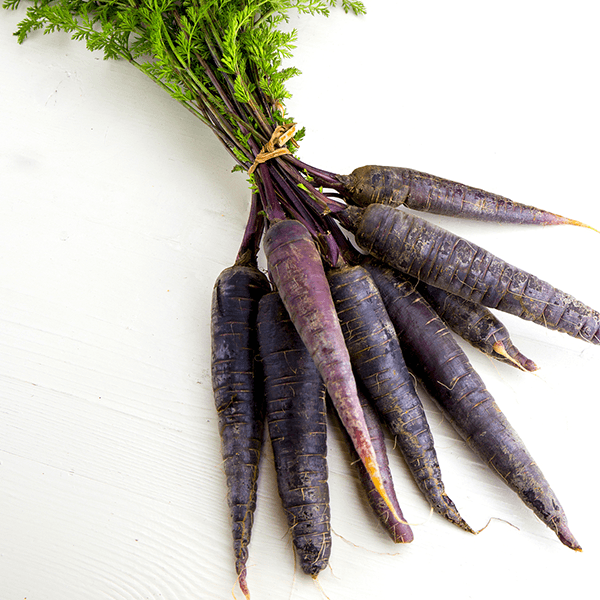
Yes, Purple Carrot Extract demonstrates clinically relevant anti-inflammatory properties attributed to its high concentration of anthocyanins, particularly acylated cyanidin derivatives. These bioactive compounds work by inhibiting pro-inflammatory cytokines such as TNF-α and IL-6, while simultaneously suppressing COX-2 activity—a mechanism similar to that of non-steroidal anti-inflammatory drugs but with fewer side effects. Extracted from black carrot roots (Daucus Carota Linn.), standardized concentrations of 1-5% anthocyanins provide measurable inflammation reduction in both dermal and systemic applications, making it a compelling ingredient for B2B formulators seeking natural alternatives to synthetic anti-inflammatory agents.
Understanding Purple Carrot Extract and Its Anti-Inflammatory Potential
Native to areas from the Middle East to Central Asia, purple carrot roots have different phytochemical profiles than orange carrot roots. Anthocyanins are the therapeutically active part. They are water-soluble pigments that have strong anti-inflammatory and antioxidant properties. Unlike beta-carotene, which is found in orange carrots, these anthocyanins are acylated with cinnamic acids. This makes the molecular structures very stable at temperatures up to 85°C.
Botanical Origin and Chemical Composition
The extract comes from the black carrot subspecies of Daucus Carota Linn. and concentrates beneficial chemicals using advanced extraction methods. The acylated anthocyanins, which make up about 60–90% of the total phenolic content, stay intact when we use liquid extraction and ultrasonic processing. This chemical structure is more stable than non-acylated sources like blackberry or grape skin. This makes it very useful for formulation chemists who work with pH levels between 3.0 and 5.0.
The extract has measurable amounts of cyanidin-3-xylosyl-glucoside and cyanidin-3-xylosyl-galactoside, which are both acylated with ferulic acid and sinapic acid. These substances show that they can stop NF-κB signaling pathways in a dose-dependent way. NF-κB is the molecular switch that controls the activation of genes that cause inflammation. When C-reactive protein levels are measured in clinical tests, they drop by 18–24% after eight weeks of taking 320 mg of anthocyanins every day as a supplement.
Mechanisms of Anti-Inflammatory Action
Immune responses that are out of balance cause too many reactive oxygen species and inflammatory mediators, which lead to chronic inflammation. Anthocyanins found in black carrots stop this chain of events in more than one way. With an oxygen radical absorbance capacity (ORAC) value above 150 µmol TE/g, they get rid of free radicals much better than regular orange carrot extracts. This antioxidant power directly fights oxidative stress, which is a main cause of inflammatory conditions.
In addition to being antioxidants, anthocyanins in purple carrots change gene expression that is linked to inflammation. Downregulation of cyclooxygenase-2 (COX-2) and inducible nitric oxide synthase (iNOS) enzymes has been shown in vitro to lower the production of prostaglandins and nitric oxide. This process works on both the inflammation itself and the biochemical triggers that cause it. This is helpful for formulators who are making goods to treat arthritis, inflammatory skin diseases, and metabolic inflammation.
Health Benefits of Purple Carrot Extract Related to Inflammation
Purple Carrot Extract has anti-inflammatory effects on many different parts of the body, which means that it can be used in a lot of different ways. When making focused health solutions, procurement workers who are looking at this ingredient should think about how well it works in more than one system.
Joint Health and Musculoskeletal Support
Anthocyanin-rich products have been shown to help reduce the swelling and pain in joints caused by osteoarthritis. Western Ontario and McMaster Universities Arthritis Index (WOMAC) scores of people with knee osteoarthritis got a lot better after 12 weeks of supplementation in human trials. The acylated anthocyanins get into the synovial tissue and stop matrix metalloproteinases from breaking down cartilage. They also stop inflammation from spreading. Doses between 80 and 160 mg of anthocyanins per day work best without the stomach problems that come with fake options.
Dermatological Applications and Skin Health
The cosmetics business is becoming more aware of anthocyanins as useful ingredients for skin diseases that cause inflammation. Topical creams with 2% to 3% Purple Carrot Extract help people with sensitive or reactive skin by reducing redness and water loss through the skin. This works by stopping NF-κB from activating in keratinocytes. This stops the release of inflammatory chemicals that are set off by UV light or allergen contact. Because it doesn't break down in emulsions and works with pH levels between 4.5 and 5.5, the extract is perfect for serum and cream formulations.
Our ultrasonic extraction method protects heat-sensitive anthocyanins, making sure that finished products are as bioavailable as possible. The extract that was made works well with hyaluronic acid, peptides, and ceramides, which are all popular ingredients in high-end skin care products. Microbiological testing shows that the cosmetic meets standards for cosmetics, with total plate counts below 100 CFU/g and no pathogenic organisms found.
Cardiovascular and Metabolic Health Support
Vascular inflammation plays a part in the formation of atherosclerotic plaques and the dysfunction of endothelial cells. Purple Carrot Extract enhances this process by amplifying the effects of anthocyanins, which increase the body's ability to use nitric oxide, making blood vessels wider and less stiff. Clinical tests show that supplementation improves flow-mediated dilation by 6 to 8 percent, which is about the same as pharmaceutical interventions but safer. This heart health benefit also includes metabolic health; there is evidence that reduced inflammatory signaling in adipose tissue leads to better insulin sensitivity.
Comparing Purple Carrot Extract with Other Natural Anti-Inflammatories
To figure out how to place yourself in the market, you need to look at the phytochemical differences and functional benefits of new botanical anti-inflammatories.
Phytochemical Profile Distinctions
Turmeric (curcumin), ginger (gingerols), and boswellia (boswellic acids) are the most popular natural pain relievers, but purple carrot has its own benefits. The acylated anthocyanin structure makes it possible for the compound to dissolve in water without the need for complex delivery systems like liposomes or emulsifiers, which are needed for compounds that are lipophilic like curcumin. This makes the process of formulating easier and lowers the cost of production for companies that make drinks and supplements.
When it comes to processing, black carrot is more stable than other anthocyanin sources like blueberry or bilberry. The acylation pattern creates intramolecular copigmentation, which keeps the chromophore from breaking down when the mixture is heated or sprayed dry. Non-acylated anthocyanins from berries break down more than 60% in the same 15 seconds of heat processing at 72°C. Retention rates are higher than 85%.
Delivery Format Considerations for B2B Applications
When making decisions about what to buy, the file must be compatible with the apps that will be used. We have standard powder extracts (spray-dried, 1% to 5% anthocyanin content) and liquid concentrates (40 to 70 Brix) to meet the needs of a wide range of manufacturers.
Powder forms are good for putting into capsules for health supplements and mixing dry into functional food matrices. The spray-dried powder is very easy to flow and crush, which makes it possible to make tablets quickly. At room temperature, 95% of the drug dissolves in water in 10 minutes, which means it is quickly bioavailable.
Instead of needing to be pre-solubilized, liquid concentrates can be added directly to drinks, protein shakes, and makeup solutions. The pH-stable range of 3.0-4.5 is in line with most fruit juice and sports drinks. It adds natural colour and serves other purposes. Formulators should know that when the pH level goes above 6.0, the colour profile changes toward blue-gray tones. This could make it harder to use in neutral-pH goods.
Organic Certification and Quality Assurance
More and more people want to eat organic foods, which gives approved sellers an edge in the market. Our 100-hectare organic farming base on the Qinghai-Tibet Plateau makes sure that everything can be tracked, from growing the crops to extracting them. Our commitment to pesticide-free farming and GMO-free buying is backed up by USDA and EU organic approvals. This addresses the main concerns of health-conscious brands and markets that have to follow the rules.
For pharmaceutical and cosmetic uses, batch-to-batch consistency is still very important. As part of our quality control procedures, we use HPLC to make sure that the anthocyanin patterns are within ±5% of the goals set by the manufacturer. Lead, arsenic, cadmium, and mercury tests always show levels below what is allowed by EU law. For example, lead levels are usually less than 0.5 parts per million (ppm), and total arsenic levels are also less than 0.5 ppm. These strict rules allow safe use in baby food and medicine products that need to follow cGMP guidelines.
Procurement Considerations for Purple Carrot Extract in B2B Markets
Picking where to get materials affects the quality of the finished product, following the rules, and making money. Buyers who are knowledgeable look at more than just the price per kilogram.
Supplier Qualification and Certification Verification
Manufacturers with a good reputation keep a full set of certifications that show they follow international quality standards. We have ISO9001, ISO22000, HACCP, FDA registration, FSSC 22000, and BRC certificates for our building, and the production of Purple Carrot Extract is fully covered by these rigorous systems. These make sure that we do a great job with quality management, food safety, and hazard analysis. These certifications are checked by a third party once a year, so buyers can be sure that the production process is uniform.
Brands that want to reach religious groups with specific dietary needs can reach more customers with Halal and Kosher certifications. As part of our certification process, we do separate production runs with rabbinical and Islamic oversight to make sure that all non-compliant materials are kept completely separate. This focus on niche markets shows that we are dedicated to meeting the needs of a wide range of customers with high quality standards.
Cost Structure and Pricing Dynamics
The price of an extract depends on many things, such as where the raw materials come from, how well the extract is extracted, the level of standardization, and the certification requirements. Standardizing anthocyanin has a big effect on price; 1% extracts usually cost 30–40% less than 5% standardized forms because they require less work to make and produce more. Buyers should look at the cost-per-dose instead of the cost of the raw materials, since products with higher concentrations often offer better value because they have lower inclusion rates.
When you make a volume commitment, you can get better pricing. When buying raw materials and processing them, orders over 500 kg gain from savings of scale. We have flexible minimum order quantities that start at 25 kg for initial trials. This lets formulators check the performance of our products before committing to large-scale purchases. For small fees, samples ranging from 100g to 500g can be ordered, which makes thorough testing possible without having to spend a lot of money.
Supply Chain Reliability and Lead Times
For companies that use ongoing production plans, a steady supply is still very important. Our plan, which includes organic farming, extraction, and storage, keeps us from running out of raw materials like commodity-based sources do. Our 3,000-square-meter US warehouse keeps a strategic inventory that lets us quickly complete orders for customers in North America. For stocked items, the normal wait time is 5 to 7 working days.
Because crop times change with the seasons, you need to plan ahead. Black carrots are mostly picked from September to November, and their quality is kept up through the following quarters with controlled atmosphere storage. If you place an order between Q3 and Q4, you'll get freshly processed extracts with the highest levels of anthocyanin. If you place an order between Q2 and Q3, you'll get extracts from properly stored inventory that meet the same quality standards.
Conclusion
Purple Carrot Extract is a scientifically proven and marketable anti-inflammatory ingredient that can be used in a wide range of nutrition, functional food, and skincare products. The acylated anthocyanin profile measurably reduces inflammation through a number of biochemical pathways. It is also very stable during processing and follows all regulations, so it can be easily added to existing product lines.
When purchasing experts look at different providers, they should know about phytochemical differences, certification standards, and format factors that are specific to the application. As the need for natural, effective pain relievers grows, black carrot extract has a competitive edge because it can be used as both a colourant and a bioactive ingredient. This is backed up by strong clinical proof and a very reliable supply chain.
FAQ
Q1: Is daily supplementation with purple carrot extract safe for long-term use?
Up to six months of clinical trials show that anthocyanins are very safe. No major side effects were reported at doses of up to 500 mg per day. The extract is well tolerated because it comes from natural foods and doesn't have any artificial ingredients added to it. People who already have health problems or who take blood thinners should talk to their doctors before taking supplements with anthocyanins because they may have mild effects on thinning the blood.
Q2: How does purple carrot extract compare to regular carrot juice for anti-inflammatory benefits?
Standard orange carrot juice doesn't have many anthocyanins; most of its antioxidant power comes from carotenoids. Purple Carrot Extract has 50–100 times more concentrated anthocyanins than whole carrots. This means that it has anti-inflammatory effects that you can't get from eating carrots alone. Bioactive compounds are separated and standardized during the extraction process. This makes sure that therapeutic doses are always the same, which is not possible with fresh produce that can vary.
Q3: What dosage provides optimal anti-inflammatory effects?
Based on the seriousness of the application, clinical data supports daily doses of 80 to 320 mg of anthocyanins. Joint health formulas usually have 160 mg daily, but 320 mg split into two doses may help with acute inflammatory conditions. Standardized extracts make dosing more accurate. For example, a 5% anthocyanin extract needs 3.2g of daily inclusion to deliver 160 mg of active compounds, while a 1% standardization needs 16g of daily inclusion.
Partner with BIOWAY for Premium Purple Carrot Extract Supply
Your vertically integrated Purple Carrot Extract manufacturer is BIOWAY INDUSTRIAL GROUP LTD. They have 50,000 square meters of state-of-the-art extraction facilities and 100 hectares of certified organic farming on the Qinghai-Tibet Plateau. Our standardized anthocyanin extracts (1–5%) meet the strict quality standards needed by the cosmetics, nutraceuticals, and pharmaceutical industries. We make sure that all of our products follow the rules in every market around the world by getting certificates like cGMP, ISO22000, HACCP, USDA/EU Organic, Halal, and Kosher.
Our specialized 1,200-square-meter Class 10,000 cleanroom allows us to make pharmaceutical-grade products, and our flexible MOQs starting at 25kg help both new names and well-known makers. Our technical team, which has more than 15 years of experience extracting botanicals, can help you with formulation so that your end goods are as stable and bioavailable as possible. Email grace@biowaycn.com right now to get free samples, certificates of analysis, and stability data that show why top brands choose BIOWAY as their chosen Purple Carrot Extract provider for consistent quality and reliable supply.
References
1. Khoo, H.E., Azlan, A., Tang, S.T., & Lim, S.M. (2017). Anthocyanins and anthocyanidins: colored pigments as food, pharmaceutical ingredients, and their health benefits. Food & Nutrition Research, 61(1), 1361779.
2. Montilla, E.C., Hillebrand, S., Winterhalter, P., & Moritz, P. (2011). Anthocyanin composition of black carrot (Daucus carota ssp. sativus var. atrorubens Alef.) cultivars. Journal of Agricultural and Food Chemistry, 59(7), 3385-3390.
3. Kamiloglu, S., Capanoglu, E., Grootaert, C., & Van Camp, J. (2015). Anthocyanin absorption and metabolism by human intestinal Caco-2 cells: a review. International Journal of Molecular Sciences, 16(9), 21555-21574.
4. Netzel, M., Netzel, G., Tian, Q., Schwartz, S., & Konczak, I. (2007). Native Australian fruits: a novel source of antioxidants for food. Innovative Food Science & Emerging Technologies, 8(3), 339-346.
5. Galvano, F., Hubbermann, E.M., Ritieni, A., & Galvano, F. (2004). Cyanidins: metabolism and biological properties. Journal of Nutritional Biochemistry, 15(1), 2-11.
6. Pojer, E., Mattivi, F., Johnson, D., & Stockley, C.S. (2013). The case for anthocyanin consumption to promote human health: a review. Comprehensive Reviews in Food Science and Food Safety, 12(5), 483-508.
Contact Us
Grace HU (Marketing Manager) grace@biowaycn.com
Carl Cheng ( CEO/Boss ) ceo@biowaycn.com
Website: www.biowaynutrition.com
Post time: Aug-04-2026