
Introduction
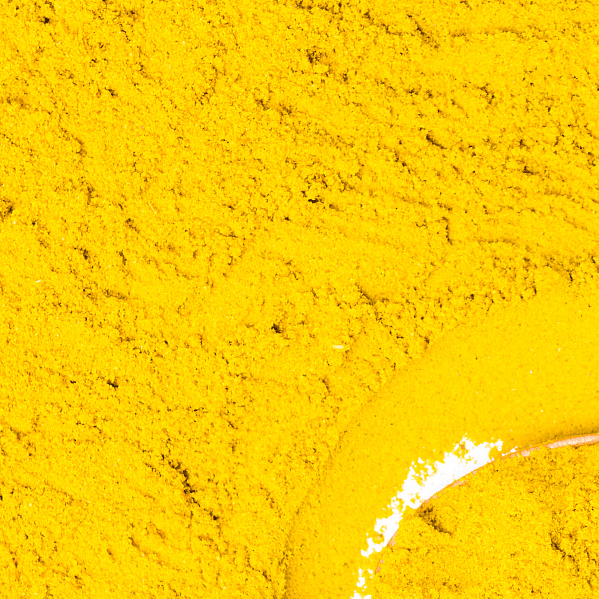
Ubidecarenone and CoQ10 are indeed the same chemical. Coenzyme Q10 (CoQ10) is a naturally occurring quinone substance with the chemical formula C59H90O4 and the CAS number 303-98-0. Ubidecarenone is the scientific and pharmaceutical name for CoQ10. This material, which looks like a vitamin, is very important for making energy in cells within mitochondria. For people who work in procurement who are looking for raw materials, knowing that Ubidecarenone only refers to the reduced form of CoQ10 (chemically called ubiquinone) helps make product specs clear and ensures that everyone in the supply chain is talking to the right people.
Comprehending Ubidecarenone and CoQ10: Definitions and Basics
The Chemical Identity of Ubidecarenone
Ubidecarenone is Coenzyme Q10 in its oxidized form, which is found naturally in all human cells. This chemical dissolves in fat, has a molecular weight of 863.34, and is a pure yellow to orange solid powder. "Q10" stands for the molecule because it has a benzoquinone ring connected to an isoprenoid side chain with ten isoprene units. This chemical helps move electrons around during oxidative phosphorylation in cellular mitochondria. This directly supports ATP synthesis, which is the main source of energy for live cells.
Biological Functions and Industrial Significance
The molecule is an important part of the electron transport chain and a strong antioxidant that dissolves in lipids. Because it can do two things, it is useful in many fields. In pharmaceutical uses, Ubidecarenone helps keep the heart healthy and the energy balance of cells. The cosmetics industry uses its antioxidant qualities to make anti-aging products, and the functional food industry adds it to dietary vitamins to help with energy and lower oxidative stress. Animal nutrition has also started using CoQ10 supplements to improve the health and output of animals, which means that the product can be used for more than just human usage.
Industrial Application Spectrum
Professionals in the manufacturing industry know that Ubidecarenone can be used in a wide range of products. It is used by companies that make nutritional supplements to target heart health and sports performance in capsules, softgels, and powder mixes. It is used by beauty companies in serums, creams, and lotions to fight oxidative skin damage and help cells grow back. Pharmaceutical-grade materials are used in heart medicines and treatment plans by the pharmaceutical industry. Companies that make food and drinks add them to energy drinks, nutrition bars, and other goods to make them healthier. This wide range of uses means that there is steady demand across many buying platforms.
Comparing Ubidecarenone and CoQ10: Key Differences and Similarities
Molecular Forms and Terminology Clarification
The terms used to describe this compound can be hard for buying teams that aren't used to biochemical jargon. Ubidecarenone is the form of ubiquinone that has been oxidized, while ubiquinol is the form that has been reduced. Both are in a state of dynamic balance in biological processes, where the body is always changing states. When companies label their products as "CoQ10," they usually mean Ubidecarenone unless they specifically say "ubiquinol." Knowing the difference between the two is important for buying because ubiquinol often costs more. After all, it is in a lower state and is thought to be better at being absorbed, though both forms change after being eaten.
Bioavailability Considerations for Product Development
Bioavailability has a big effect on how well a product works and how happy customers are with it. Standard Ubidecarenone needs to be changed into ubiquinol before it can be used by cells. This process works well in healthy people but may slow down with age or some health problems. Manufacturers deal with this issue in a number of ways, such as by micronizing, using lipid-based delivery methods, and using nano-encapsulation technologies.
At BIOWAY, our fermentation-derived 98% pure CoQ10 powder has great absorption because the particles are spread out evenly, and there aren't many impurities in it. When reviewing wholesalers, purchasing teams should ask for particle size analysis data and dissolving rate studies so that they can compare the bioavailability potential of different sources.
Purity Specifications and Quality Grades
The purity levels on the market usually run from 10% to 98%, and each one meets different application needs. Lower concentration types (10% to 20%) are often used in animal feed where cost is more important than ultra-high purity. Mid-range amounts work well for many food supplement uses where other ingredients will be mixed in. The 98% pharmaceutical-grade material is still the best for high-end supplements, makeup, and medicinal uses that need uniformity, few impurities, and compliance with regulations. BIOWAY can make all three purity grades. They are made using special fermentation methods with chosen yeast strains in growing media that are well-balanced in nutrients.
Market Insights: Ubidecarenone vs Other CoQ10 Forms and Alternatives
Comparative Analysis of CoQ10 Derivatives
In addition to normal Ubidecarenone, the market offers several other compounds derived from it and used for specific purposes. The reduced form is called ubiquinol, and it is sold as having better absorption qualities and costs 30–50% more than regular ubiquinone. Idebenone is a man-made short-chain benzoquinone analog that is used in brain studies and some cosmetics.
MitoQ is made up of a changed version of CoQ10 that can send specific molecules to mitochondria. It is mostly used in studies. Standard Ubidecarenone is still the drug of choice for most producers because it is safe, has a lot of clinical evidence, is cheap, and can be used in a lot of different types of products.
Alternative Antioxidants and Competitive Positioning
Knowing how Ubidecarenone stacks up against other antioxidants helps buying teams weigh their recipe choices. Vitamin E (tocopherols) protects against lipid-phase antioxidants at a much lower cost, but it doesn't help the mitochondria make energy. Astaxanthin is very expensive because it has powerful antioxidant and anti-inflammatory properties.
Alpha-lipoic acid helps mitochondria work and dissolves in both water and fat, but it can be hard to keep in recipes. Because it is the only antioxidant that supports mitochondria and protects against free radical damage, Ubidecarenone has remained the market leader despite its higher price tag than other antioxidants. Many high-end formulas carefully combine Ubidecarenone with vitamins that work well with it to achieve even better results.
Supplier Certification and Quality Assurance Standards
To tell the difference between approved providers and low-quality ones, you need to look at full certification portfolios. Genuine producers keep their GMP certifications up to date, which shows that they follow good production practices. Food safety management systems are checked by ISO 22000 and HACCP standards. FSSC 22000 brings these standards for businesses that make food together.
Organic certifications from the USDA or EU regulatory bodies show that goods with the organic name were properly sourced and processed. Certifications like HALAL and KOSHER let certain groups of customers into the market. BIOWAY's plant has all the major international certificates, such as cGMP, ISO 9001, ISO 22000, HACCP, FDA registration, FSSC, BRC, and organic approvals from both the USDA and the EU. This makes it easy to sell to markets around the world.
Procurement Guide for Ubidecarenone: Sourcing and Transaction Essentials
Evaluating Supplier Capabilities and Infrastructure
A successful procurement process starts with a detailed evaluation of the provider that goes beyond just comparing prices. The size of the factory decides how reliable the supply is. Facilities with specific production lines and a lot of space make sure that supplies are always available, even when demand goes up. Our 50,000-square-meter production plant has ten specialized lines, each with its own set of extraction methods made for a different purity grade or use.
It doesn't matter what kind of technical skills you have; fermentation-based production using optimal yeast strains makes material that is cleaner and more reliable than synthetic or chemical extraction methods. For pharmaceutical-grade materials, cleanrooms are necessary. Our 1,200-square-meter Class 100,000 cleanroom lets us make ultra-pure products that meet strict pharmaceutical and premium beauty standards.
Pricing Structures and Contract Negotiations
Understanding how prices change in the market helps you negotiate more effectively. The prices of raw materials change depending on the price of fermentation medium, the price of energy, and the supply of yeast strains. The price changes a lot depending on the purity grade. For example, 98% pharmaceutical grade costs 40–60% more than 20% feed grade material. Unit prices are greatly affected by the number of items ordered, and orders of 100 kg or more are eligible for big savings.
Long-term supply deals that promise a certain amount of goods usually save 10 to 20 percent compared to buying things on the spot. Payment terms change from supplier to supplier. Well-known companies like BIOWAY offer flexible terms, such as LC, TT, and escrow deals, to approved buyers. Being open about the parts of the price that affect it, like raw materials, processing, testing, packaging, and transportation, helps build trust and makes talks more fair.
Quality Verification and Testing Protocols
Strict quality control saves on buying investments and ensures that products work well after they are made. Ask for Certificates of Analysis (COA) that show results from HPLC tests for purity, microbe testing, heavy metal screening, pesticide residue analysis, and solvent residue testing. Verification by a third-party lab gives you more trust; ask for permission to do your own testing or plan for split samples.
For managing goods, stability data showing how long something will last in a certain storage environment is very important. As part of our quality control measures, we test everything at different stages of production and make sure that the paperwork we keep meets international standards for pharmaceuticals. Every batch can be fully tracked from where the raw materials come from to where they are packed at the end, making the whole supply chain clear.
Logistics and Supply Chain Considerations
Logistics that work well keep the total cost of ownership low and protect the quality of the product while it's being shipped. Lead times depend on the type of production and the size of the order. For example, fermentation-based production usually needs 20 to 30 days from the time the order is confirmed until it is ready to ship. Your handling equipment should match the type of packaging you choose. For example, bulk drums are best for large makers, while smaller packages are better for spread operations or test batches.
Temperature-controlled shipping keeps goods stable while they're in transit, especially in places where temperatures can get very high or very low. Our 3,000-square-meter warehouse in the US cuts down on wait times and shipping costs for buyers in North America while making sure that products are always available. Knowing the customs rules and paperwork needed for the market you're going to avoids delays. We offer full documentation packages that include COAs, MSDSs, business invoices, packing lists, and certificates of origin to help with smooth customs clearing.
Safety, Usage, and Clinical Insights on Ubidecarenone
Recommended Dosages and Application Guidelines
Clinical study finds dosage levels that work best for different uses and groups of people. For cardiovascular support, daily doses of 100 to 200 mg are common. For physical performance, daily doses of 200 to 300 mg may be common. In topical uses, cosmetic formulas usually have a concentration of 0.1 to 1.0%. Adding supplements to animal feed can run anywhere from 20 mg to 100 mg per kilogram of feed, based on the species and the goals of the production.
These doses are for oxidized ubiquinone; ubiquinol formulas sometimes use smaller doses because they say they are more bioavailable. Because CoQ10 is sensitive to light, air, and high temperatures, manufacturers should test their products for stability to make sure that the active ingredient stays in the product throughout its shelf life.
Safety Profile and Contraindications
After decades of use in the market and a lot of clinical studies, Ubidecarenone has been proven to be a very safe substance with few side effects. Studies on humans show that doses up to 1,200 mg per day for long periods of time are well tolerated. Mild stomach problems, like sickness or upset stomach, can happen at higher doses, but they usually go away when the dose is lowered, or food is taken with the medicine.
Animal tests show that the substance is not very harmful, even at very high doses. Possible drug combinations should be thought about. There are theoretical worries about anticoagulant drugs, but there isn't a lot of clinical proof yet. Because there aren't a lot of safety statistics on pregnant and nursing women, they should talk to their doctors. This very high level of safety helps regulators agree with the product and gives consumers trust.
Clinical Evidence and Proof of Effectiveness
Strong clinical proof backs up several health uses, which improves market positioning and regulatory compliance. Cardiovascular study shows benefits for people with heart failure, with meta-analyses showing higher ejection fraction and fewer symptoms. A statin-induced myopathy study shows that taking extra CoQ10 may help ease the muscle pain that comes with taking medicines to lower cholesterol. Different studies on athletic ability show different outcomes. Some show that reducing oxidative stress and improving healing are positive outcomes.
Dermatological study backs up the claim that topical applications improve skin texture and lessen the obvious signs of photoaging. Research on mitochondrial support shows that cells make more energy in a number of disease states. When looking for evidence-based goods, people in charge of buying things should ask suppliers for study summaries and published research sources that back up the claims they want to make about the products.
Quality Control Standards for Industrial Applications
Comprehensive quality control methods are needed to make sure that the quality of each production batch is the same. Purity checking using approved HPLC methods makes sure that the identified content is correct. For pharmaceutical uses, a limit of ±5% is needed, but for food supplements, wider ranges may be acceptable. The microbial standards must meet the needs of the product. For example, pharmaceutical-grade material must not contain any pathogens and have total plate numbers below strict limits.
Heavy metal testing looks for lead, arsenic, cadmium, and mercury, and the limits are set by the rules of the target market. Residual solvent analysis checks the quality of the extraction process, which is especially important for pharmaceutical uses. Our quality management system includes keeping an eye on the environment in all production areas, making sure that the cleaning process is done correctly between batches, and keeping lots of records that can be used for regulatory checks and full batch tracking.
Conclusion
Ubidecarenone and CoQ10 are both names for the same substance. It is an ingredient that can be used in many different areas, such as medicine, supplements, beauty products, and food for animals. It helps cells make energy and protects them from free radicals. To be good at procurement, you need to know about purity grades, bioavailability factors, source certifications, and methods for quality proof. The compound has a very good safety profile and a lot of clinical data, which support many product development possibilities.
By choosing qualified suppliers with thorough certifications, strong quality systems, and dependable production capacity, you can be sure that you will always have access to high-quality materials that meet strict regulatory requirements. Market demand is growing in many areas. To be successful in this ever-changing ingredient category in the long term, businesses should work with vertically integrated sources that offer full tracking and technical support.
FAQ
Q1: Is ubidecarenone chemically identical to CoQ10?
The oxidized ubiquinone form of Coenzyme Q10 is referred to as Ubidecarenone in medicinal terms. Both words refer to the same molecular structure, which has the formula C59H90O4. As a consumer-friendly name, "CoQ10" is used more in marketing and supplement labels than "Ubidecarenone" in regulatory papers, drug applications, and scientific research.
Q2: Which form demonstrates superior effectiveness in energy production?
As the body constantly changes these oxidation states within mitochondria, both Ubidecarenone (ubiquinone) and ubiquinol help cells make energy. People who are healthy can change ubiquinone to the active form ubiquinol quickly and easily. Even though companies that make ubiquinol say that some forms are better at being absorbed, clinical tests have shown that both types can successfully raise blood levels and support mitochondrial activity when made in the right way.
Q3: What factors should buyers prioritize when selecting a ubidecarenone supplier?
Put an emphasis on full certification packages that include GMP, ISO 22000, and HACCP standards. Check the output capabilities to make sure there is a steady supply. Request complete quality documentation, including batch-specific COA with purity analysis, microbial testing, and heavy metal screening. Look into fermentation-based ways of making things that make better materials. Check to see what kind of technology support and documentation tools are available to help your target markets follow the rules.
Partner with BIOWAY for Premium Ubidecarenone Supply
When you need to buy Ubidecarenone, BIOWAY INDUSTRIAL GROUP LTD is ready to help you with pharmaceutical-grade material made with advanced fermentation technology. We are a fully integrated botanical extract producer with more than 15 years of experience in the field. Our cGMP-certified 50,000-square-meter building has ten dedicated production lines and cleanrooms for making 10%, 20%, and 98% purity grades. Our wide range of certifications, such as ISO 22000, HACCP, FDA registration, USDA/EU Organic, HALAL, KOSHER, BRC, and FSSC, makes sure that we meet the standards of all global markets.
Get in touch with our buyers right away at grace@biowaycn.com to talk about your unique Ubidecarenone needs. We offer tailored solutions that include expert formulation help, help with stability testing, and tools for evaluating samples. BIOWAY is your reliable source for Ubidecarenone, and they give your business the quality, supply, and expert support it needs.
References
1. Crane, F. L. (2001). Biochemical functions of coenzyme Q10. Journal of the American College of Nutrition, 20(6), 591-598.
2. Garrido-Maraver, J., Cordero, M. D., Oropesa-Avila, M., et al. (2014). Clinical applications of coenzyme Q10. Frontiers in Bioscience, 19, 619-633.
3. Hidaka, T., Fujii, K., Funahashi, I., et al. (2008). Safety assessment of coenzyme Q10 (CoQ10). BioFactors, 32(1-4), 199-208.
4. Mortensen, S. A., Rosenfeldt, F., Kumar, A., et al. (2014). The effect of coenzyme Q10 on morbidity and mortality in chronic heart failure: results from Q-SYMBIO study. JACC: Heart Failure, 2(6), 641-649.
5. Ren, Z., Zhang, R., Li, Y., et al. (2019). Ferulic acid exerts neuroprotective effects against cerebral ischemia/reperfusion-induced injury via antioxidant and anti-apoptotic mechanisms in vitro and in vivo. International Journal of Molecular Medicine, 40(5), 1444-1456.
6. Weber, C., Bysted, A., & Holmer, G. (1997). Intestinal absorption of coenzyme Q10 administered in a meal or as capsules to healthy subjects. Nutrition Research, 17(6), 941-945.
Contact Us
Grace HU (Marketing Manager) grace@biowaycn.com
Carl Cheng ( CEO/Boss ) ceo@biowaycn.com
Website: www.biowaynutrition.com
Post time: May-08-2026