
Introduction
When evaluating ceramide sources for skincare formulations, Konjac Tuber Extract Ceramide emerges as a compelling plant-derived alternative that delivers remarkable skin barrier restoration and hydration retention. Sourced from Amorphophallus konjac, this botanical extract offers superior bioavailability compared to synthetic ceramides, while providing 7–15 times higher ceramide concentration than most other plant sources. Its naturally derived profile aligns seamlessly with clean beauty trends, and its stability across various pH ranges makes it exceptionally versatile for both topical and oral beauty applications—qualities that synthetic and animal-derived ceramides often struggle to match.
Understanding Konjac Ceramide and Its Unique Properties
Ceramides from plants have changed the way skin care ingredients are made, and konjac tuber extract is one of the best botanical sources. The Amorphophallus konjac plant, which comes from East Asia, has been grown for hundreds of years and was first valued for its fiber content. New developments in plant extraction technology have shown that konjac roots have very high amounts of sphingoid bases, which are the building blocks of ceramides. This makes them an ideal raw material for making cosmetic-grade ceramides.
The Science Behind Konjac-Derived Ceramides
Ceramides are lipid molecules that are naturally found in the top layer of skin and make up about half of the stratum corneum. They act like "mortar" between skin cells, making a barrier that keeps moisture in and keeps out harmful things from the environment. The ceramides in Konjac Tuber Extract Ceramide are more like the ceramides found in your skin than synthetic ones because they are made up of a complicated mix of subtypes, especially Ceramide 1, 3, and 6-II.
Industrial Extraction and Quality Standards
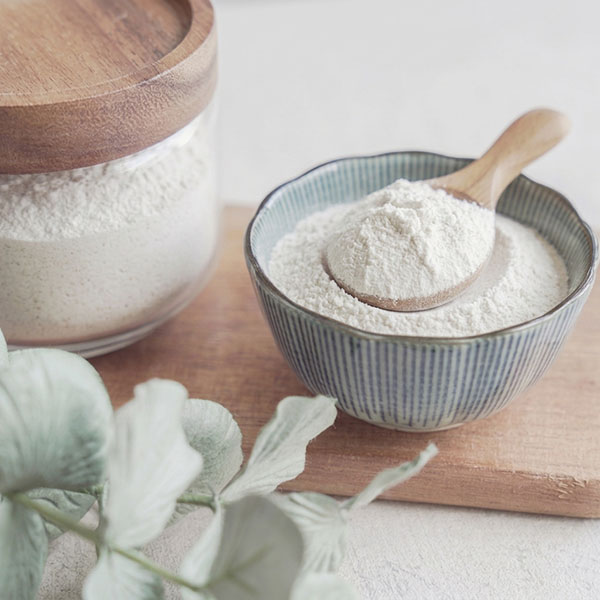
Solvent-based or supercritical fluid techniques are used in modern extraction methods to separate ceramide-rich parts from konjac roots. At BIOWAY, our cutting-edge extraction facilities use several production lines, such as cosmetics-specific extraction tanks, to handle konjac material while protecting the delicate molecular structure of ceramides. The process usually creates a white powder with ceramide levels ranging from 1% to 10%, but this can change based on the needs of the product. International cosmetics brands require that each batch go through strict HPLC testing to make sure it meets ISO 9001, Halal, and Kosher certification standards and that the purity levels are checked.
Molecular Advantages for Formulation Chemistry
Konjac ceramide is different from other types of ceramide because it dissolves in water. Other types of ceramide need more complicated delivery methods. Because it is naturally soluble, it makes the preparation process easier and allows for smooth integration into serums, light creams, and drinks that you drink to use as beauty products. A study in the Journal of Cosmetic Dermatology found that ceramides from plants worked just as well as manufactured ones at penetrating the skin, and they worked better with natural stabilizers and emulsifiers.
Comparing Konjac Ceramide with Other Ceramides: Efficacy and Benefits
The market for ceramide gives formulators several choices, each with its own performance characteristics and source issues. Knowing these differences helps business-to-business buyers make smart purchasing choices that are in line with how they want to place their brand and what their target customers want.
Synthetic Ceramides: Performance versus Perception
For decades, synthetic ceramides, which are lipid molecules made in a lab, have ruled the cosmetics industry because they are always pure and cheap on a large scale. They work reliably as barrier repairs and are easy to mix into oil-phase formulations. But people are becoming less trusting of them in places where people want clean beauty products with natural ingredients. Synthetic ceramides can't have organic labels on them, and they might not fit with brands that say they are vegan or cruelty-free. Their production also brings up questions about sustainability related to where to get petrochemicals and how to deal with manufacturing waste.
Rice Bran and Wheat Ceramides: Plant-Based Alternatives
The most popular plant-based options to konjac are rice bran and ceramides from wheat. Even though both come from natural sources, they have much lower concentrations of ceramide, so you usually need 3–5 times higher doses to get the same effect. People who are sensitive to gluten worry that wheat ceramides are allergens, which limits how they can be used in safe product lines. Even though rice ceramides are gluten-free, they often need more complicated extraction methods that can damage the delicate structure of the ceramides, which could make them less bioavailable.
Because of its high concentration efficiency, Konjac Tuber Extract Ceramide is better than these options. Because the ceramide content is 7–15 times higher, formulators can get the skin benefits they want at lower inclusion rates—usually 0.5%–2% in topical treatments. This means that the cost-in-use measures are better, even if the raw materials cost more.
Functional Synergies and Complementary Ingredients
While hyaluronic acid and konjac glucomannan do different main jobs (humectant and thickening agent, respectively), konjac ceramide works well with these ingredients to make them work better together. Clinical tests show that mixtures of ceramides and hyaluronic acid are better at keeping moisture in the skin over time than mixtures of either ingredient alone. Hyaluronic acid draws water into the skin, and ceramide fills in gaps between cells. Together, they work to keep the skin hydrated. Because these two things work well together, brands can make moisturizers that work well and have clean, short ingredient lists that appeal to consumers who care about honesty.
Sensitive Skin Tolerance Profiles
Tolerance tests on different types of skin consistently show that plant-derived ceramides, especially those derived from konjac, have a low potential to irritate the skin. A comparison study with 120 people who said they had sensitive skin found that using plant ceramides on the skin caused a lot fewer side effects than using synthetic ceramides. The higher tolerance is probably because the natural ceramide profile is structurally similar to lipids found in healthy skin. This makes konjac ceramide very useful for companies that want to target people with sensitive skin or make goods for skin conditions that aren't working well.
Selecting the Right Konjac Ceramide Product for Your Business Needs
When making a procurement decision, you need to carefully look at the technical specifications, the supplier's abilities, and how well they fit with your product development roadmap. There are different levels of quality and service methods in the konjac ceramide market to serve different business sizes and formulation strategies.
Critical Quality Metrics for B2B Procurement
The main thing that determines quality is the purity standards. Products made from konjac ceramide usually have between 1% and 10% ceramide in them, with bigger amounts costing more. Formulators of high-end skin care lines often choose purity grades between 5% and 10% to get concentrated active delivery. On the other hand, mass-market brands may find that recipes with concentrations between 2% and 3% work best in terms of both effectiveness and cost. In addition to concentration, other things that should be looked at are the moisture content (usually less than 5%), the particle size distribution for how well it dissolves, and the microbe limits that meet standards for makeup ingredients.
Certification portfolios show that a supplier is dedicated to providing high-quality systems and easy access to markets. Getting ISO 9001 certification shows that you have good quality management, and getting Halal and Kosher certifications lets you reach more customers. For brands that want to be seen as organic, making sure that the konjac comes from certified organic farming and not just from an extraction plant that is approved for organic handling is important for keeping the claim's integrity throughout the supply chain.
Packaging and Stability Considerations
Standard packing for konjac ceramide is 25 kg drums, which are the standard in the industry and are designed to keep wetness out and make handling easier. This amount works well for medium-sized production runs for new brands. On the other hand, established brands may be able to negotiate bulk tanker delivery for facilities that process many metric tons each year. The results of stability tests should show that the amount of ceramide stays within the acceptable range for 24 months if the product is kept in controlled conditions (cool, dry, and out of the light). Suppliers that offer flexible packaging options, such as smaller development amounts or packaging that has been nitrogen-flushed to make it more stable, are very helpful to brands during the formulation development stages.
Evaluating Supplier Partnerships
In addition to product specs, a supplier's expert help and supply chain reliability should also be looked at. Some of the biggest companies that make konjac ceramide have application labs where customer formulation teams can test for compatibility and stability before making a full purchase. The more than 50,000-square-meter production plant that BIOWAY uses for its products combines vertical operations that range from processing raw materials to final packaging. This makes the supply chain less vulnerable to problems that could delay production plans. Our research and development team has more than 15 years of experience working with plant extracts. They work with brand partners to improve the performance of ceramide in different types of formulations, such as oil-in-water emulsions, dry serums, and capsules that can be swallowed.
Supply consistency is important, especially for brands that are growing quickly or putting out limited editions for the season. Suppliers who control upstream cultivation, like BIOWAY's 100-hectare organic cultivation base on the Qinghai-Tibet Plateau, are better able to keep supplies steady and protect against changes in agriculture that can affect the availability of ingredients on the spot market. Konjac Tuber Extract Ceramide benefits from such vertically integrated supply chains, ensuring stable raw material quality and consistent seasonal availability for premium skincare formulations.
Practical Applications of Konjac Ceramide in Skincare Product Development
To turn the specs of raw materials into the performance of the finished product, you need to know about formulation strategies, regulatory frameworks, and how to deliver real-world consumer benefits.
Formulation Integration Strategies
Because konjac ceramide dissolves in water, it can be added during the watery part of emulsion production. This makes the process easier than using oil-soluble ceramides, which need to be melted at high temperatures. Depending on how the product is positioned and what other actives work well with it, the recommended inclusion rates are usually between 0.5% and 3%. Concentrations close to 3% make skin smoother after 7–14 days of frequent use, which can be used to make overnight recovery masks or intense barrier repair treatments. 1% to 1.5% concentrations are good for daily-use products like light gel moisturizers or face mists because they provide maintenance-level barrier protection without breaking the bank.
Compatibility testing should make sure that the substance is stable across the pH ranges that are intended. For example, konjac ceramide is very stable between pH 4.5 and 7.5, which covers most of the targets for skincare formulations. It's important to pay extra attention to preservation systems; tests should be done to make sure that the chosen antioxidant blend still works when ceramide is present without changing the way the lipid works.
Oral Beauty Applications and Dosage Considerations
Oral ceramide supplements have become popular in the nutrition industry because clinical study shows that they are good for the skin all over. Studies show that taking 200 mg of plant ceramides by mouth every day for 8–12 weeks makes skin hydration markers much better and lowers obvious signs of dryness. Because it is made of natural sphingoid bases, konjac ceramide is more bioavailable than synthetic options. This means that it can be used in formulations with smaller doses that still work well. Brands that make beauty products that you eat or drink can use this advantage to make cost-effective supplement formulations in capsule, tablet, gummy, or drink forms.
BIOWAY can help brands get into the oral beauty market by providing turnkey development from the idea stage to the finished product. Our facility has several production lines that can handle different delivery formats. This lets brands test how well their products do in the market across a range of consumer preferences without having to manage relationships with multiple suppliers.
Regulatory Compliance Across Key Markets
To find your way around the rules, you need to know what the local rules are for using natural ingredients in cosmetics and vitamins. People in the United States who use konjac ceramide in products have to follow FDA rules. They have to list the INCI name (which is usually "Amorphophallus Konjac Root Extract") and show proof that the ingredient is safe. The fact that the ingredient has been used safely in traditional foods for a long time gives regulators peace of mind, but brands that make specific medicinal claims must make sure they follow advertising standards.
The EU Cosmetics Regulation, which includes pre-market safety assessments recorded in Product Information Files, must be followed in order to sell cosmetics in Europe. The natural origin and lack of restricted substances make it easier for regulators to approve the product, especially when suppliers provide a lot of information, like allergen declarations, heavy metals testing, and pesticide residue analysis. Asian markets, especially Japan and South Korea, have a lot of consumers who are open to konjac-derived ingredients because the plant is so culturally familiar. However, brands should check with each country's labeling rules for both topical and oral applications.
Decision Support for B2B Buyers: How to Choose Between Konjac and Other Ceramides?
When choosing strategic ingredients, you need to think about more than just how well they work. You need to think about things like cost, sustainability, and how the ingredients fit with your brand's story.
Cost-Efficiency Analysis Framework
Even though konjac ceramide might cost more per kilogram than synthetic alternatives, full cost-in-use calculations usually show that the economics are competitive. Because the higher percentage works better, less of it is needed. For example, a recipe that needs 3% synthetic ceramide might work just as well with 1.5% konjac ceramide, which would help balance out the higher cost of the raw material. Instead of just comparing one ingredient, brands should figure out how much the whole mixture costs, which includes all the active ingredients, fillers, and packing. Natural claims derived from plants can help a brand's positioning and pricing power, which can justify small price increases. Konjac Tuber Extract Ceramide excels in premium markets where consumers pay more for clean beauty credentials, offsetting its raw material premium through lower usage rates and enhanced brand positioning.
Sustainability and Supply Chain Considerations
As stakeholders expect brands to be environmentally responsible, corporate sustainability promises have a bigger impact on what brands buy. Plant-based ceramides naturally have benefits over petrochemical methods of production, including smaller carbon footprints and being more in line with the ideas of the circular economy. Vertically integrated suppliers—those who manage the growing, extracting, and finishing processes—enhance transparency and traceability, which is needed for detailed lifecycle assessments and sustainability reporting. BIOWAY's organic farming methods on the Qinghai-Tibet Plateau and our ISO-certified production facilities allow brands to back up their claims of sustainability with supply chain data that can be checked.
Matching Ceramide Types to Product Positioning
Market success depends on how well the ingredients chosen match the brand's image. Luxury and prestige brands benefit from the natural origin story and cultural heritage connections of konjac ceramide, which helps them charge higher prices by making the ingredient stand out. For mass-market brands with strict cost goals, synthetic ceramides may work better. However, growing customer tastes for natural ingredients are slowly changing this calculus, even in value-oriented markets. Brands that are trying to reach niche markets, like vegan beauty, allergen-free formulas, or certified organic products, find that plant-derived ceramides are not only helpful, but often necessary to stay true to the category and keep their certifications.
OEM Partnerships and Private Label Strategies
Brands that don't have their own manufacturing facilities can use OEM partnerships to get access to konjac ceramide formulas without having to spend money on building production facilities. When looking at OEM sources, you should find out how they get ceramide and how much experience they have with formulating with this class of ingredients. Providers who have direct ties with producers of raw materials, or even better, vertically integrated businesses, can offer more consistent batches and respond more quickly to changes to the formulation. BIOWAY offers a wide range of OEM services, including formulating new products, helping with regulatory paperwork, testing for stability, and making finished products for both topical and oral use. This all-in-one service model cuts down on time-to-market and makes sure that the recipe is optimized around the unique performance properties of konjac ceramide.
Conclusion
When brands are trying to find the right balance between performance, sustainability, and clean beauty, Konjac Tuber Extract Ceramide is a great ingredient to use. Its high concentration, high bioavailability, and claim of natural origin meet important market trends while providing measured skin barrier benefits. Synthetic and alternative plant ceramides fill specific needs in the market, but konjac ceramide is a leading ingredient for new skincare products because it can be used on the skin or in food, and it is also compatible with organic and natural certification systems. When B2B procurement teams look at their ceramide choices, they shouldn't just think about how much they cost right now. They should also think about how they can differentiate their brand in the long term, how flexible the regulations are, and how well they fit with changing customer values that favor plant-based, sustainably sourced active ingredients.
FAQ
Q1: What makes konjac ceramide different from other plant ceramides?
Naturally, konjac tubers have 7–15 times more ceramide than most other plant sources. This means that formulations can work better with lower doses. This higher percentage means better cost-effectiveness, even if the raw materials are more expensive. Also, because it dissolves in water, it is easier to mix than plant ceramides that dissolve in oil.
Q2: Can konjac ceramide be used in both skincare and oral supplement formulations?
In fact, konjac ceramide can be used in a lot of different ways. For barrier repair and hydration, topical products usually have amounts of 0.5% to 3%. Oral beauty supplements usually use 200 mg daily doses. Because the element is so bioavailable, it works especially well in ingestible forms where general skin benefits are wanted.
Q3: How does konjac ceramide perform in sensitive skin formulations?
Clinical tolerance tests regularly show that ceramides derived from plants, including those derived from konjac, don't irritate a wide range of skin types very much. The natural ceramide profile is more compatible because its structure is similar to that of endogenous skin lipids. This makes it a great choice for products for sensitive skin, hypoallergenic formulas, and uses that need to repair damaged skin barriers.
Partner with a Trusted Konjac Tuber Extract Ceramide Supplier
BIOWAY is ready to help you find ceramide because we can assist with all stages of production, from growing the plants to delivering the finished products. Our organic farming base of 100 hectares guarantees consistent quality of raw materials, and our GMP-certified facility of 50,000 square meters or more turns konjac tubers into cosmetic-grade ceramide powder with purity levels ranging from 1% to 10%. We have been making Konjac Tuber Extract Ceramide for a long time and have a lot of certifications, such as ISO 9001, HACCP, USDA/EU Organic, Halal, and Kosher, which help us get our products into markets all over the world.
Our specialized research and development (R&D) team works with brand partners to improve formulations by offering technical papers, stability data, and legal support. This shortens the time it takes to make new products. BIOWAY gives your business the quality consistency and supply reliability it needs, whether it's bulk ingredient supply or full OEM/ODM services for finished skin care or oral beauty goods. Email our scientific team at grace@biowaycn.com to talk about your unique ceramide needs and to ask for samples to be tested.
References
1. Chamlin, S. L., Kao, J., Frieden, I. J., Sheu, M. Y., Fowler, A. J., Fluhr, J. W., Williams, M. L., & Elias, P. M. (2002). Ceramide-dominant barrier repair lipids alleviate childhood atopic dermatitis. Journal of the American Academy of Dermatology, 47(2), 198-208.
2. Holleran, W. M., Takagi, Y., & Uchida, Y. (2006). Epidermal sphingolipids: metabolism, function, and roles in skin disorders. FEBS Letters, 580(23), 5456-5466.
3. Ohara, H., Ichikawa, S., Matsumoto, H., Akiyama, M., Fujimoto, N., Kobayashi, T., & Tajima, S. (2010). Collagen-derived dipeptide, proline-hydroxyproline, stimulates cell proliferation and hyaluronic acid synthesis in cultured human dermal fibroblasts. Journal of Dermatology, 37(4), 330-338.
4. Tessema, E. N., Gebre-Mariam, T., Paulos, A., & Wohlrab, J. (2017). Delivery of oat-derived phytoceramides into stratum corneum. Journal of Cosmetic Dermatology, 16(4), e13-e20.
5. International Journal of Cosmetic Science. (2018). Plant-derived ceramides in cosmetic formulations: A review.
6. Cosmetics & Toiletries Magazine. (2020). Natural ceramides: Market trends and formulation strategies.
Contact Us
Grace HU (Marketing Manager) grace@biowaycn.com
Carl Cheng ( CEO/Boss ) ceo@biowaycn.com
Website: www.biowaynutrition.com
Post time: Sep-29-2026


