
Introduction
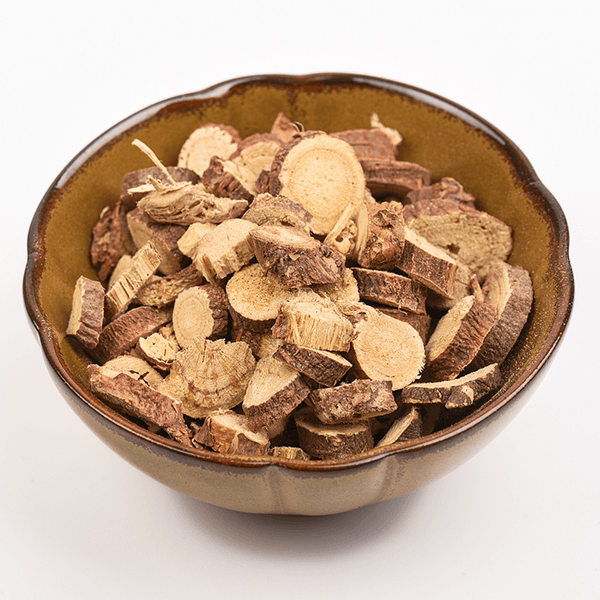
It’s a procurement must-have, no longer a trend – synthetic additive removal. The nutraceutical, dietary supplement and dermocosmetic businesses are moving from synthetic compounds to botanical ingredients, as the FDA and EFSA increase scrutiny and there is an increase in demand for clean-label products. A solid multi-purpose alternative with anti-oxidative, anti-inflammatory, liver-protective and skin-brightening characteristics is licorice extract, the standardised extract from Glycyrrhiza glabra root.
Understanding Licorice Extract: A Natural Solution for Modern Industry
From Ancient Herb to Industrial Raw Material
Glycyrrhiza glabra has been used as medicine in China, Egypt, and Greece for almost 4,000 years. The concentrated root extracts now include glycyrrhizic acid, glabridin and liquiritin. These bioactives have the advantage of strength and batch stability over raw root powder. Purchasing teams require the accuracy provided by standardised botanical extracts, rather than whole plant extracts, for controlled markets.
Licorice Root vs. Licorice Extract: What Procurement Teams Need to Know
The constituents of raw liquorice root depend, in part, on when, where, and how it is processed. This kind of differentiation is removed by powdered and HPLC-tested liquorice extract. Glycyrrhiza glabra Glabridin Powder (CAS number: 59870-68-7) 40%, 90% or 98% purity. It melts at about 154-155 °C and contains below ten ppm of heavy metals. This amount of knowledge assists in developing stable and scalable formulations.
Green Chemistry Context: Natural vs. Synthetic
Chemicals that make your skin look better, like hydroquinone, are limited by rules in the EU. The US market is also taking a closer look at these chemicals. There is a natural isoflavan in licorice called glabridin that stops tyrosinase action in a way that is similar to this one but is not dangerous. In the same way, glycyrrhizic acid can reduce inflammation in the same way that corticosteroids can, but with a lot fewer side effects. Extracts from Glycyrrhiza are a good choice for formulators who want to make products that work without putting unnecessary risks on them because of this.
Elevating Your Brand with Licorice Extract: From Traditional to Innovative Applications
Dermocosmetics: Skin Brightening and Anti-Inflammatory Performance
Licorice extract contains Glabridin Powder, which is great for high-end skin care products because it is 90–98% clear. Tyrosinase is stopped from working, which helps with dark spots, discoloration, and skin that isn't even toned. In the past, synthetic agents did the same thing. Since it lowers redness, it works well in skin care products for sensitive, acne-prone, or skin that has just had surgery. This ingredient helps with the clean beauty image in both research and development and marketing because it doesn't contain any GMOs, fake colors, or preservatives.
Nutraceuticals: Immune, Liver, and Respiratory Health SKUs
Researchers who have looked over their work have found that glycyrrhizic acid and its byproducts can change the immune system and protect the liver. Licorice extract that has been standardized can have glycyrrhizin levels between 10% and 90% (HPLC verified). This is a clinically proven ingredient that supplement companies can use to make SKUs for immune support, liver health, or respiratory wellness. Different from deglycyrrhizinated licorice (DGL), full-spectrum glycyrrhizin goods keep the chemicals that are best for reducing inflammation and helping the lungs.
Powder vs. Liquid, Pure vs. Blended: Matching Form to Function
If you choose the wrong extract form, it can affect how long the product lasts, how it is stored, and how well it works in the end. It is easier to put them in capsules or tablets when they are in powder form, which loses about 3.0% of its weight when dried and only 0.1% when it catches fire. Blends that are liquid work better in drinks or on the skin.
Cosmetic actives that cost a lot of money do well with pure grades of a single ingredient, like 98% Glabridin. Mixed mixtures of glabridin and liquiritin or glycyrrhizin, on the other hand, can be used for more nutraceutical requirements. How much it costs per dose and how it is regulated are both affected by the choice of the right form for the job.
Strategic Procurement and Supplier Insights for Licorice Extract
What Certifications Actually Matter for Bulk Sourcing
For bulk plant extract purchases, use the certification stack. US dietary supplement businesses must be FDA-registered, follow cGMPs, along with third-party COAs. ECOCERT/COSMOS certification as organic and EFSA-compliant pesticide residue data (tested to Eur.Ph. 2000 regulations) are crucial for EU-bound goods. A supplier with ISO 22000, ISO 9001, HACCP, USDA Naturally, and EU Organic certifications is less likely to be regulated.
2026 Market Overview: Navigating Supplier Relationships
The global liquorice extract market is growing. Now Foods, Swanson, and Nature's Way add standardised liquorice derivatives to their immunological and digestive health lines. People clearly desire them. OEM/ODM customers care more about whether the seller can be traced, or more particularly, whether the manufacturer can provide records for each batch from raw material collection to extract completion. This monitoring aids FDA DMF and EFSA Novel Foods dossiers.
Pricing, Packaging, and Logistics Considerations
Bulk prices of licorice extract containing standardised glabridin powder vary per test grade. In MOQs, 40% grades are cheaper while 98% grades cost more since they need more procedures. Foreign purchasers may decrease risk by storing products in US facilities. Marine freight takes 30–45 days. Procurement teams may test alternative formulas before placing big inventory orders since the MOQ spans from 25 kg for sampling to many tonnes per month.
Decision-Making Guide: Choosing the Right Licorice Extract Solution for Your Brand
Evaluating Purity, Efficacy, and Scalability
It is important to check how consistent the HPLC fingerprint is across batches, how well the third-party microbiological data matches up (total plate count <1000 cfu/g, E. coli and Salmonella negative), and how well the solvent residue matches up. The 98% test grade of glabridin is the most effective per gram for high-end beauty uses. The 40% grades, on the other hand, are more cost-effective for use in functional foods or as a general supplement. Procurement teams should ask for both sample COAs and COAs for the whole batch to make sure they are all the same.
Licorice Extract vs. Alternatives: A Functional Comparison
Studies have shown that when used for digestion, glycyrrhizic acid is better at protecting the walls of the gut than fennel extract. Glabridin works just as well as hydrocortisone as a skin pain reliever, but it doesn't have the same side effects. Glabridin works the same way as manufactured tyrosinase inhibitors, which are used in skin-brightening products. However, it is safer for authorities and customers. It's clear from these similarities that licorice extract is a good, safe, and legal choice that can be used in many situations.
Matching Vendor Capabilities to Brand Objectives
Along with the quality of the products, it's also important that the vendors' skills match up. People who want to use "clean labels" can get help from suppliers who have two lines of production for organic and standard products, follow NDA rules, and have US warehouses. OEM/ODM brands that need to get goods on the market in six to nine months need suppliers that can send them samples in two weeks and full production batches ten to fourteen weeks after the order is approved.
Future Trends: How Licorice Extract is Shaping Green Chemistry and Industry Innovation
Regulatory Tailwinds Favoring Natural Actives
New rules from the EPA and REACH on man-made additives, along with tracking under California Prop 65, are making the process of reformulation go faster. It is easier to bring licorice extract and other botanical actives onto the market than new synthetic chemicals that need to be retested for safety. This is because botanical actives already have GRAS or Novel Food status and known safety profiles.
Advances in Extraction and Standardization Technology
New ultrasonic and enzymatic extraction methods are making it possible to get more glabridin with less liquid. This helps brands that have to report on ESG problems directly with their environmental KPIs. Nanoencapsulation is also making ingested forms of medicine more accessible. This opens up new ways to make useful drinks and high-tech supplements.
Supply Chain Transparency as a Competitive Differentiator
Having the ability to track the powder from where it was grown in Xinjiang or Northwest China to its exact specifications is fast becoming a must-have feature for buyers, not just a nice-to-have one. Companies that have ecological harvesting agreements and USDA/EU Organic co-certification are better able to back up names that say good things about the environment on packaging or in business-to-business letters.
Conclusion
If you want to make a product that works better for your business, you should use plant actives instead of manmade additives. Licorice extract, whether it be standardized glycyrrhizic acid powder for nutraceuticals or high-purity Glabridin (CAS: 59870-68-7) for skin care and makeup, is a safe, effective choice that has been used for a long time and has been shown to work in modern clinical studies.
Procurement teams have to pay close attention to this group of ingredients because they have to balance being effective, following the rules, and having a "clean label" image. You can use that formulation choice to help the supply chain if you choose the right provider with the right certifications, tracking systems, and MOQs that you can change.
FAQ
Q1: What are the primary health benefits of licorice root extract for supplement formulations?
Glycyrrhizic acid demonstrates hepatoprotective, immunomodulatory, and anti-inflammatory activity in peer-reviewed literature. Glabridin shows antioxidant and tyrosinase-inhibiting properties. Together, these compounds support applications in immune health, liver support, respiratory wellness, and skin-soothing formulations.
Q2: How do I verify extract quality when sourcing from a Chinese manufacturer?
Request HPLC-verified COAs, third-party microbiological testing results, and batch-traceable production records. Certifications to verify include cGMP, ISO 9001, ISO 22000, and relevant organic certifications (USDA, ECOCERT). Heavy metal content should be confirmed below 10ppm, and pesticide residues should comply with Eur.Ph. 2000 standards.
Q3: Is glabridin safe for all consumer populations?
High-dose glycyrrhizin is contraindicated during pregnancy due to potential effects on cortisol metabolism. Glabridin at standardized cosmetic-use concentrations is generally well-tolerated. Brands should conduct appropriate safety assessments and label accordingly based on target market regulatory requirements.
Q4: What MOQ is typical for bulk glabridin powder?
Entry-level sampling typically starts at 25kg, with production orders scaling from 100kg upward. Suppliers with US warehouse capacity can reduce lead-time pressure for North American buyers.
Partner with BIOWAY for Your Licorice Extract Supply
Bioway Industrial Group Ltd. is a vertically integrated business that makes extracts from plants. It has a GMP factory in Shaanxi Province that is more than 50,000 square meters big and a US warehouse that is more than 3,000 square meters big so that it can ship things faster in North America. FDA Organic, EU Organic, HACCP, and KOSHER are some of the certifications that BIOWAY has. Glabridin Powder and glycyrrhizin-standardized extracts are sold by them, and the minimum order quantity (MOQ) is as low as 25 kg. Right now, ask for your free sample and separate COA. To get in touch with our licorice extract source team, please email grace@biowaycn.com or visit biowaynutrition.com.
References
1. Fiore, C., Eisenhut, M., Krausse, R., et al. "Antiviral effects of Glycyrrhiza species." Phytotherapy Research, 2008.
2. Asl, M. N., & Hosseinzadeh, H. "Review of pharmacological effects of Glycyrrhiza sp. and its bioactive compounds." Phytotherapy Research, 2008.
3. Simmler, C., Pauli, G. F., & Chen, S. N. "Phytochemistry and biological properties of glabridin." Fitoterapia, 2013.
4. Wang, L., Yang, R., Yuan, B., et al. "The antiviral and antimicrobial activities of licorice, a widely-used Chinese herb." Acta Pharmaceutica Sinica B, 2015.
5. Pastorino, G., Cornara, L., Soares, S., et al. "Liquorice (Glycyrrhiza glabra): A phytochemical and pharmacological review." Phytotherapy Research, 2018.
6. Yokota, T., Nishio, H., Kubota, Y., & Mizoguchi, M. "The inhibitory effect of glabridin from licorice extracts on melanogenesis and inflammation." Pigment Cell Research, 1998.
Contact Us
Grace HU (Marketing Manager) grace@biowaycn.com
Carl Cheng ( CEO/Boss ) ceo@biowaycn.com
Website: www.biowaynutrition.com
Post time: Nov-03-2026


