
Introduction
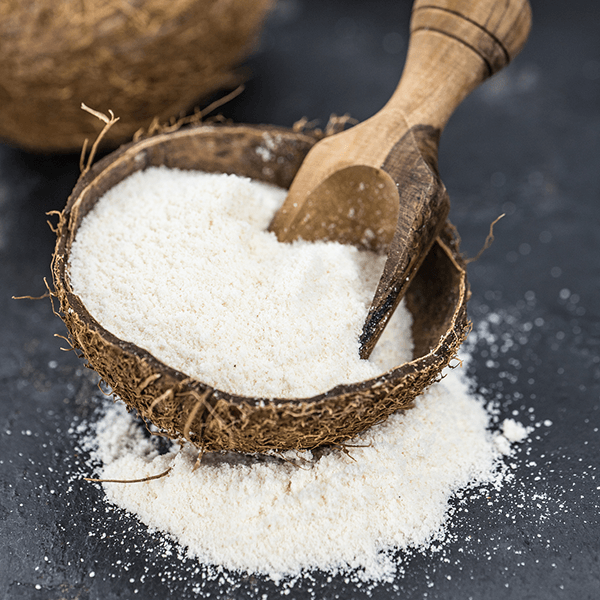
When choosing between MCT powder and MCT oil for your product formulations, the decision hinges on application requirements, manufacturing capabilities, and target market needs. MCT powder offers superior stability, easier handling, and cold-water dispersibility, making it ideal for dry-blend products like protein supplements and instant beverages. In contrast, liquid MCT oil suits formulations requiring pure lipid content without carriers. Understanding these distinctions empowers procurement managers and product developers to optimize formulation efficacy, production efficiency, and market competitiveness.
Introduction
Functional ingredients called Medium Chain Triglycerides (MCTs) are now needed in all areas of the food, drink, and supplement businesses. These fatty acids, mostly caprylic acid (C8) and capric acid (C10), come mostly from coconut and palm kernel oils. They are quickly turned into ketones by the body, which help with energy production, brain function, and weight control. As more people look for ketogenic and functional nutrition products, procurement professionals need to figure out which MCT format will best meet their needs.
It's not just about whether Medium Chain Triglyceride Powder or liquid oil is nutritionally equivalent. This choice affects the logistics of production, the shelf life of the product, the flexibility of the formulation, and the experience of the customer. To make smart buying choices, distributors, OEMs, and purchasing managers need to look at things like physical properties, legal compliance, supply chain issues, and cost structures. This thorough comparison gives you the technical information and business knowledge you need to buy ingredients and come up with new products that work.
Understanding MCT Powder and MCT Oil: A Comprehensive Overview
Production Technology and Composition
MCT Powder is an advanced technical answer to the problems that come with liquid lipids. Spray-drying microencapsulation turns liquid MCT oil into a powder that can flow freely by enclosing fat droplets in a carrier framework that attracts water. Acacia gum, sodium caseinate, or tough dextrin are common wall materials that are chosen based on nutritional needs and functional goals. With this technology, products are made with oil loads that are usually between 50% and 70%. This balances potency with ease of use.
The MCT Powder that BIOWAY sells comes in 50% and 70% concentrations and is mostly made from coconut oil with some palm oil added in. The white powder that is made is very stable at high temperatures (up to 200°C), but the peroxide group needs to be kept away from water and too much heat. The microencapsulation method protects fatty acids from oxidative degradation, which makes them last much longer than bulk liquid options.
Metabolic Mechanisms and Industrial Applications
Once consumed, both formats give the same metabolic benefits. MCTs skip the lymphatic system and go straight to the liver, where they are quickly turned into ketones. This one-of-a-kind route gives you energy right away without spiking your insulin levels. It also helps with mental focus, athletic performance, and staying in ketosis. The difference is not in the biological effects, but in how well the ingredients work together and how easy it is for the consumer.
Liquid MCT oil is most often used in salad dressings, cooking oils, and liquid nutritional products that need pure fatty fractions. On the other hand, powdered versions work better in dry-blend products because water would make them clump or go bad. MCT Powder offers the same functional benefits in a dry, stable form, and its flowability and stability are used in meal replacement shakes, instant coffee creamers, sports nutrition powders, and capsule vitamins. Getting rid of the viscosity problems and contamination risks that come with liquid oil pumping systems is especially helpful for manufacturing facilities that can do dry-blending.
Key Differences Between MCT Powder and MCT Oil: Analysis for Procurement Decisions
Physical Properties and Formulation Considerations
The main thing that sets these ingredients apart is how well they dissolve. If you don't mix liquid MCT oil with water, it will separate unless you add lecithin or another lubricant. The powder's carrier matrix makes water-dispersible particles that mix easily into hot or cold drinks without the need for a mixer, but the powder won't completely dissolve molecules.
How people feel has a big effect on how well they accept something. Liquid oil makes your mouth feel smooth, but it may leave behind an oily film. Although too much of the powder can make drinks taste chalky, it gives drinks a smooth texture. Flavor neutrality rests on how well the ingredients are deodorized during processing. Well-made versions of both forms shouldn't have any coconut taste, which lets formulators keep the product profiles they want.
Powdered formats have a strong advantage when it comes to shelf stability. The encapsulation barrier keeps the food from going bad due to oxidation, which can last for 12 to 24 months if stored properly. Even though antioxidants are added, liquid oil is still more likely to go bad when exposed to light and air, especially after the bottle is opened. For transportation efficiency, the powder is also better because it has a lower bulk density. This means that it needs less warehouse room and shipping costs are lower.
Nutritional Efficacy and Digestive Tolerance
When you compare oil loads, bioavailability stays the same. A 10g serving of 70% MCT Powder gives you 7g of medium-chain triglycerides, the same amount as a 7g dose of liquid oil. The filler in shakes adds only a few calories from fiber or protein. This changes the macronutrient profiles slightly but doesn't change the main benefits, such as increasing thermogenesis, increasing ketone production, and controlling hunger.
Digestive comfort is different for each person. If you eat a lot of liquid oil or too quickly, it may make you go to the bathroom because the unabsorbed fats speed up the transit of food through your body. The powder's slow release of lipids from its carrier matrix often lessens this response, making it easier for sensitive consumers to handle in their guts. Product designers who want to reach a wider audience should think about this benefit when positioning formulations for general health rather than advanced biohacking groups.
Selecting the Right MCT Ingredient for Your Business Needs
Decision Framework for Procurement Professionals
MCT Powder must be evaluated not just by its per-kilogram price but through a full cost-effectiveness lens, where total settled costs, not just per-kilogram prices, must be taken into account in cost-effectiveness research. Liquid oil usually has lower raw material costs, but it comes with hidden costs like the need for special handling equipment, a higher risk of spoilage, and a more complicated formulation that needs emulsifiers. The higher price of the powder is often balanced by operational efficiencies, less labor, and longer periods of time between inventory turns.
Format choice is based on the needs of the application. When blending equipment makes steady emulsions, liquid oil can be added to ready-to-drink drinks. Powder forms are needed for even distribution and wetness control in instant drink mixes, protein powders, and baked goods. Manufacturers of capsules can pick either one, weighing the speed of filling against the accuracy of the dose. OEMs that work with more than one product line often keep both kinds in stock to give formulators as much freedom as possible.
Certifications of quality set sellers apart in markets where competition is high. Buyers should check for organic certifications (USDA, EU), non-GMO validation, and GMP compliance. Quality control measures that can't be skipped include ICP-MS testing for heavy metals, microbial testing for pathogens, and gas chromatography profiling of fatty acids. BIOWAY keeps a lot of different certifications, like cGMP, ISO22000, HACCP, FDA, HALAL, KOSHER, BRC, and organic qualifications, to make sure that their goods meet strict international standards for use in medicine, food, and beauty products.
Supply Chain and Customization Capabilities
For partnerships to be reliable, suppliers need to be evaluated in more ways than just using price charts. Transactional suppliers and strategic partners are different in terms of their production capacity, batch uniformity, lead time dependability, and technical support. BIOWAY's 100-hectare organic farm on the Qinghai-Tibet Plateau and our 50,000-square-meter factory with ten specialized production lines are both vertically integrated. This means that BIOWAY's supply chain is always stable and can be tracked, which isn't always possible in supply chains that depend on middlemen.
Having customization choices helps your brand stand out. Product designers can match ingredients to a brand's image by choosing the right carrier for a clean label, coming up with new flavors, and choosing different types of packing (bulk drums, retail bags, stick packs). In order to set minimum order amounts, inventory holding costs and per-unit price benefits must be weighed. For new brands, wholesalers that offer adjustable MOQs during the launch phase of a product are helpful. On the other hand, established makers arrange volume contracts to get better terms and priority placement when supplies are limited.
Practical Guidance on Using MCT Powder and MCT Oil in Product Development
Formulation Best Practices and Dosage Optimization
Dosing that works depends on what health results you want. For energy boosts, 5–10g per dose is usually enough, because it uses fast ketone conversion without taxing the digestive system too much. MCTs are often mixed with nootropics like L-theanine or phosphatidylserine in cognitive support formulas, which aim to give 7–15g daily in split doses. Support for the ketogenic diet may rise to 15–30g per day, but slow scaling keeps stomach problems from happening while the body adjusts its metabolism.
Strategies for timing get the best results. When you eat in the morning, your body makes more ketones while you're still fasting, which helps you focus at work. Dosing before a workout gives you steady energy without causing your blood sugar to rise and fall. Evening use is still debatable; ketones don't seem to affect sleep, but some people say they feel more awake. To get the most satisfied customers and repeat purchases, product makers should include clear instructions on how to use their products that cover these details.
Combinations of ingredients that work well together improve market positioning. When you mix MCT Powder with collagen peptides, you get drinks that are good for your joints. When combined with coffee extracts, ketogenic coffee creamers are made. Adding electrolytes meets the body's water needs during ketosis. Formulators need to make sure that the carrier is compatible. Casein-based MCT Powders might not work with a vegan brand, so alternatives made from plants, like acacia gum, are needed.
Stability Enhancement and Consumer Education
How well liquid oils work in water-based systems depends on how they are emulsified. Lecithin increases of 1% to 3% make RTD drinks more stable, but they should still be shaken before drinking. Using high-shear mixing during production reduces the size of the droplets, which stops them from separating quickly. MCT Powder does not present these issues, as it dissolves readily with only mild agitation. However, formulators should be aware that environments with very high or low pH levels may make some carrier matrices less stable.
Taking care of digestive problems ahead of time lowers the number of bad reviews and return requests. Labels on products should say to introduce them slowly, starting with half amounts and increasing them to full doses over 3–5 days. Taking MCTs with food slows down digestion, which makes it easier to handle. Clear explanations of short-term adaptation effects (like loose stools and mild nausea) help keep people's expectations in check while teaching them about normal metabolic adjustments.
Future Trends and Innovations in MCT Ingredients for B2B Markets
Emerging Product Formats and Clean-Label Demands
MCT ingredient regions are still changing because of new ideas. New carrier technologies that use organic tapioca or sunflower lecithin deal with worries about allergens and meet vegan standards. Targeting kids' nutrition products with flavor-masked versions grows the market. Time-release capsules make ketone bodies more available for longer, which is good for endurance athletes who want to keep improving their performance without having to take more pills all the time.
Clean-label campaigns push manufacturers to list as few ingredients as possible. People carefully look at carrier materials and choose recognizable plant fibers over modified starches or synthetic additives. Organic and non-GMO approvals go from being high-end ways to set products apart to being standard. Brands that meet these standards without sacrificing functionality or affordability are getting a bigger share of the market among health-conscious people who care about ingredient transparency.
Strategic Partnership Development
Sustainability factors are becoming more and more important in purchasing decisions. RSPO approval for responsible palm oil buying, carbon-neutral shipping choices, and biodegradable packing all fit with the goals of business social responsibility. BIOWAY's integrated production model and organic farming methods reduce their impact on the environment while maintaining the quality of their raw materials. This meets the needs of both protecting the environment and making money.
Transactional buying models don't work as well as long-term relationships with suppliers that are based on openness, working together on new ideas, and both companies' goals for growth. Suppliers who give help with formulation, research of market trends, and co-development partnerships are no longer just product sellers; they become strategic assets. As laws change and customer tastes change, supply lines that are flexible and based on reliable partners give businesses an edge in markets that are always changing.
Conclusion
When deciding between MCT Powder and MCT oil, you need to think about technical details, how the business works, and where the product fits in the market. Powders are easy to handle, last longer, and can be mixed in a lot of different ways. They are especially useful for dry-blend products and ones that are aimed at a wide range of people. Liquid oil is still the best way to go for applications that need pure lipids and already have emulsification infrastructure in place. Procurement strategies that work look at total cost structures, the abilities of suppliers, and how well they fit with the brand's values. In today's global markets, quality standards, openness in the supply chain, and technical help set strategic partnerships apart from transactional relationships.
FAQ
Q1: Which format works better for applications that help you manage your weight?
When matched for MCT content, both forms offer the same weight control benefits. A 10g dose of 70% powder has the same 7g of medium-chain triglycerides as a 10g dose of liquid oil. This means that it has the same warming benefits and makes you feel fuller. The powder might help people follow through a little better because it's easy to use in daily life and doesn't require measuring or worrying about spills.
Q2: How can manufacturers make sure that new users don't have too much stomach pain?
The best way to do things is to gradually increase the dose. Start with 5g servings for 3–5 days and then increase by 2–3g each week until you reach your target doses. When you eat MCTs with food, they are absorbed more slowly, which makes them less laxative. When MCTs are mixed with fiber or protein, they naturally slow down absorption, which improves tolerance profiles.
Q3: What certifications should procurement teams look for most in MCT ingredients?
Pesticide-free food is guaranteed by organic certifications from the USDA and the EU. Non-GMO approval takes into account what consumers want and what the law requires in some markets. GMP compliance ensures quality controls during production, which are necessary for pharmaceutical and supplement uses. Having heavy metals, microbial contaminants, and fatty acid content checked by a third party adds to the quality guarantee. Certifications like HALAL and KOSHER make it easier for brands that cater to a wide range of consumers to get into new markets.
FAQ
Q1: Which format works better for applications that help you manage your weight?
When matched for MCT content, both forms offer the same weight control benefits. A 10g dose of 70% powder has the same 7g of medium-chain triglycerides as a 10g dose of liquid oil. This means that it has the same warming benefits and makes you feel fuller. The powder might help people follow through a little better because it's easy to use in daily life and doesn't require measuring or worrying about spills.
Q2: How can manufacturers make sure that new users don't have too much stomach pain?
The best way to do things is to gradually increase the dose. Start with 5g servings for 3–5 days and then increase by 2–3g each week until you reach your target doses. When you eat MCTs with food, they are absorbed more slowly, which makes them less laxative. When MCTs are mixed with fiber or protein, they naturally slow down absorption, which improves tolerance profiles.
Q3: What certifications should procurement teams look for most in MCT ingredients?
Pesticide-free food is guaranteed by organic certifications from the USDA and the EU. Non-GMO approval takes into account what consumers want and what the law requires in some markets. GMP compliance ensures quality controls during production, which are necessary for pharmaceutical and supplement uses. Having heavy metals, microbial contaminants, and fatty acid content checked by a third party adds to the quality guarantee. Certifications like HALAL and KOSHER make it easier for brands that cater to a wide range of consumers to get into new markets.
Partner with BIOWAY for Premium MCT Powder Supply
As a reliable MCT Powder manufacturer with full vertical integration, BIOWAY INDUSTRIAL GROUP provides top-notch quality. Our 50,000-square-meter building has ten specialized production lines that use cutting-edge spray-drying technology to make 50% and 70% concentration forms that are more stable and easy to mix. Our Medium Chain Triglyceride Powder comes from organic coconut and palm oils grown on our 100-hectare farms on the Qinghai-Tibet Plateau. It is very pure, as proven by strict testing procedures.
We promise to follow all international rules for food, medicine, and beauty products because we have cGMP, ISO22000, HACCP, FDA, BRC, and USDA/EU Organic certifications. Our specialized research and development team has more than 15 years of experience working with plant extracts and can help you with formulation, which will help you make the best products from the idea stage to the point where they are sold. Our flexible MOQs and 3,000-square-meter US warehouse make sure that your supply chain stays stable, whether you need large amounts at a wholesale price or custom specs for private labeling.
Get in touch with grace@biowaycn.com right away to talk about your MCT Powder needs and find out how BIOWAY's quality assurance, technical expertise, and customer-focused service can help your business grow.
References
1. Bach AC, Babayan VK. Medium-chain triglycerides: an update. American Journal of Clinical Nutrition. 1982;36(5):950-962.
2. St-Onge MP, Jones PJ. Physiological effects of medium-chain triglycerides: potential agents in the prevention of obesity. Journal of Nutrition. 2002;132(3):329-332.
3. Mumme K, Stonehouse W. Effects of medium-chain triglycerides on weight loss and body composition: a meta-analysis of randomized controlled trials. Journal of the Academy of Nutrition and Dietetics. 2015;115(2):249-263.
4. Rial SA, Karelis AD, Bergeron KF, Mounier C. Gut microbiota and metabolic health: the potential beneficial effects of a medium-chain triglyceride diet in obese individuals. Nutrients. 2016;8(5):281.
5. Schönfeld P, Wojtczak L. Short- and medium-chain fatty acids in energy metabolism: the cellular perspective. Journal of Lipid Research. 2016;57(6):943-954.
6. Clegg ME. Medium-chain triglycerides are advantageous in promoting weight loss although not beneficial to exercise performance. International Journal of Food Sciences and Nutrition. 2010;61(7):653-679.
Contact Us
Grace HU (Marketing Manager) grace@biowaycn.com
Carl Cheng ( CEO/Boss ) ceo@biowaycn.com
Website: www.biowaynutrition.com
Post time: Aug-13-2026