
Introduction
Consumer demand for ingredient transparency has never been stronger. As formulators across dietary supplements, cosmetics, and functional foods race to replace synthetic stabilizers, botanical antioxidants have stepped into the spotlight. Among them, licorice extract — derived from Glycyrrhiza glabra roots — stands out as one of the most scientifically validated options available today. Its bioactive profile, which includes glycyrrhizic acid, glabridin, and liquiritin, positions it as both a therapeutic active and a natural formulation stabilizer capable of replacing conventional synthetic antioxidants like BHT in complex product matrices.
Understanding the Role of Botanical Antioxidants in Clean Chemistry
Why Oxidation Is a Formulation Enemy
That cuts down on the shelf life of a product, makes the active ingredients less stable, and changes the taste and color of the product in bad ways. BHA and BHT are vitamins that were made in a lab, and more and more people don't like them. This is not good for brands that want to have clean labels. In 2022, the global market for ingredients that are safe for food was worth more than USD 50 billion. As long as people who buy it are careful about their health and read the labels, it will keep growing.
What Makes Botanical Antioxidants Different
Antioxidants found in plants, on the other hand, are made up of different polyphenols, flavonoids, and triterpenoids that fight oxidation in different ways. Oxidation can happen because of light, heat, metal ions, or enzymes. They can protect these groups better because they can work on more than one target at once.
Where Glycyrrhiza-Derived Compounds Fit In
Glabridin can be found in root extracts of Glycyrrhiza glabra. A strong isoflavan called glabridin stops tyrosinase from doing its job and does a good job of getting rid of free radicals. Glabridin can get rid of DPPH radicals in amounts less than one millimolar, according to a study that came out in 2018 in FAC. To put it another way, a lot less of it is needed for it to work than antioxidants made in a lab.
Licorice Extract: From Traditional Remedy to Modern System Stabilizer
A History Rooted in Practical Medicine
Blends of glycyrrhiza roots known as licorice extract have been used for more than 3,000 years in Chinese and Ayurvedic medicine to help people breathe, keep the skin healthy, and protect the stomach. The fact that this has been proven in the past gives R&D teams today a leg up. The steps aren't new, but the ways they are carried out are.
Active Compounds That Drive Modern Applications
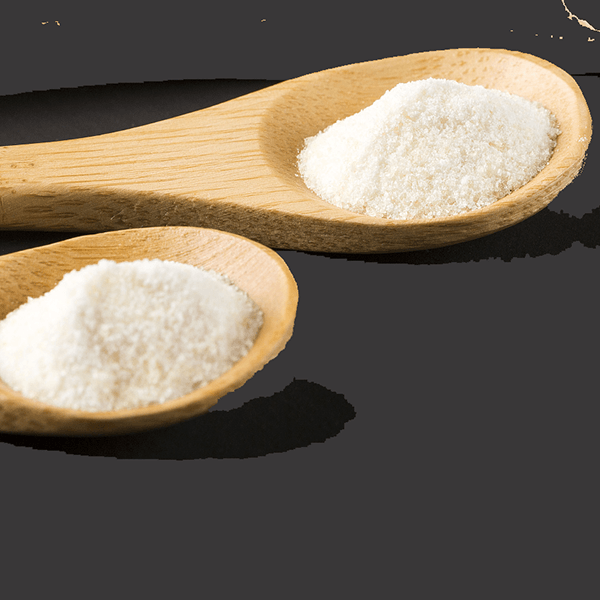
Glycyrrhiza glabra extract is mostly made up of glycyrrhizin (a triterpene saponin), glycyrrhetinic acid (which is made from glycyrrhizin), and flavonoids like glabridin and liquiritin. It's called Glabridin and its CAS number is 59870-68-7. HPLC tests show that it comes in grades that are between 10% and 98% pure, and it melts at 154–155°C. With a 98% test, it comes out as a solid, white powder that doesn't lose much water (3.1%) and can be used again and again for analysis.
DGL vs. Standard Licorice Extract: A Procurement Distinction
Since DGL doesn't contain any glycyrrhizic acid, it can be used in long-term stomach formulations where the mineralocorticoid effect of glycyrrhizin is an issue. Standard root extract keeps all the glycyrrhizin (10% to 90% by HPLC), which is best for uses that keep the liver healthy, boost the immune system, and make the skin look better. The groups that are in charge of buying things should be sure of what they want to use before they pick a grade.
How Botanical Antioxidants Like Licorice Extract Solve Formulation Challenges
Formulators who work with clean chemistry have to be careful not to lose any of the product's power, texture, or ability to meet government standards when they try to use natural stabilizers instead of synthetic ones. Glabridin and other flavonoids found in Glycyrrhiza are known to help ease this stress in a number of ways.
These things can be used to make many different types of things because they:
- • Free Radical Neutralization: Glabridin's phenolic hydroxyl groups donate hydrogen atoms to reactive oxygen species, interrupting chain oxidation reactions that degrade lipid-based formulations including omega-3 supplements and botanical oils. This function replaces the need for BHT at 0.1–0.5% use levels in cosmetic emulsions.
- • Tyrosinase Inhibition for Skin Matrices: In dermocosmetic formulations, glabridin suppresses melanin synthesis by inhibiting tyrosinase activity. A 2020 study in the International Journal of Molecular Sciences documented significant inhibition at concentrations as low as 0.1 µg/mL, offering a non-irritating alternative to hydroquinone.
- • Anti-Inflammatory Stabilization: Glycyrrhetinic acid modulates pro-inflammatory cytokines, which reduces ingredient-level inflammation that can accelerate matrix breakdown in biological systems — a critical consideration for nutraceutical capsule formulations stored in warm climates.
How to Source High-Quality Licorice Extract for Your Supply Chain
Certifications That Actually Matter
To find a botanical ingredient that can be used in a supplement or beauty product, it is important to look at a lot of different certifications. To begin, look for something that says GMP + ISO 22000 + USDA/EU Organic. Licorice extract suppliers, for instance, are often assessed by the FDA, FSSC, HALAL, KOSHER, BRC, USDA/EU Organic, HACCP, and other bodies, all of which have recognized them. There are forms for all three groups that can be used for both beauty products and food supplements.
Analytical Verification Is Non-Negotiable
There should be an HPLC fingerprint data COA (Certificate of Analysis) from a third party with every run. Heavy metals must be less than 10 parts per million, arsenic must be less than 2 parts per million, and poison waste must be less than 2 parts per million in glabridin powder.Bugs on the plate had less than 1,000 cfu/g of cells and were not E. coli or Salmonella. Anything that doesn't want to share batch-specific HPLC data is a risk in the supply chain.
MOQ, Lead Times, and Logistics
The MOQ for BIOWAY is 25 kg, which is a good amount for pilot runs and making sure the recipe stays stable. These decisions can be made bigger to meet the wants of a whole business. The business has a building in the US that is 3,000 square meters. This makes ocean freight safer and helps buyers in North America deal with wait times in their own country. You can ask for samples at any point during the buying process. To do this, people need to ask for free samples with a COA and MSDS.
Practical Applications and Usage Guidelines for Licorice Extract in Industrial Products
Cosmetics and Dermocosmetics
Putting licorice extract containing HPLC 98% glabridin powder on your skin will make it lighter, get rid of dark spots, and shield it from harmful free radicals. If the right carriers are used to dissolve it, it can be used in both water-based and emulsion systems. It dissolves into DMSO at 5 mg/mL after being heated. There are guidelines that state the inclusion level should be between 0.1% and 1% in final cosmetic formulations, but these values can change.
Dietary Supplements and Functional Foods
Stem cell extract (10% to 40% HPLC) is the best way to help the lungs, protect the liver, and boost the immune system. People who want to improve their skin health from the inside out and their antioxidant levels should use 40% glabridin in their pill mixes. It's simple for the extract to get a "clean label" since it doesn't have any chemicals, GMOs, or fake colors.
Traditional and Herbal Product Lines
There are still common ways to use root products to make cough syrups, throat lozenges, and stomach aids. The European Union says that goods for the stomach that will be used for a long time should have as little glycyrrhizin as possible. You can choose DGL options.
Conclusion
It's not a trend to move toward "clean" science; it's a long-term change in how people and the government make sure things are safe. Antioxidants from licorice extract of the Glycyrrhiza glabra plant can be used in place of synthetic preservatives in functional foods, cosmetics, and dietary supplements. This method works and doesn't cost a lot of money.
This stuff called glabridin, glycyrrhizin, and glycyrrhetinic acid have been shown to work well sometimes. It's no longer a question for sourcing and R&D teams of whether to add vitamins from plants to the next generation of clean-label SKUs. Instead, the question is which provider can show that each batch has the same quality, has been proven to be pure, and has papers ready for regulatory clearance.
FAQ
Q1: Is licorice root extract safe for all consumer groups?
Standard Glycyrrhiza extract containing glycyrrhizin is not recommended for use during pregnancy or in individuals with hypertension, as high doses of glycyrrhizic acid may affect cortisol metabolism. DGL (deglycyrrhizinated) formats remove this concern and are generally considered safe for broader populations. Formulators should specify the intended consumer group to select the appropriate grade.
Q2: What is the difference between DGL and standard root extract in B2B applications?
DGL removes glycyrrhizic acid, making it suitable for long-term gastric and digestive formulations. Standard extract retains full glycyrrhizin content, which is required for immune support, liver health, and skin-brightening applications. The two are not interchangeable in formulation — always confirm the target bioactive before placing an order.
Q3: How do I verify batch consistency when sourcing from a new supplier?
Request HPLC fingerprint data alongside the standard COA for every sample and production batch. Confirm that assay values, heavy metal results, and microbial data match your accepted specifications. BIOWAY provides third-party verified COA documentation as a standard part of the sampling process.
Q4: What formats are available for industrial procurement?
Glycyrrhiza glabra glabridin is available in light brown to white powder form at HPLC grades of 10%, 40%, 90%, and 98%. Bulk liquid concentrates and standardized glycyrrhizin powders are also available depending on application requirements.
Partner with BIOWAY for Your Glabridin and Licorice Extract Supply
The company BIOWAY has been making plant products for over 15 years and has all the parts of a business. Their factory is in Shaanxi Province and is 50,000 m². Their warehouse is in the US and is 3,000 m². They can always meet America's needs this way. You can turn your recipe into a full-sized product if you want. It doesn't matter if it's a new cream for better skin, a vitamin that protects the liver, or a mix of herbs for the lungs. You can get your free sample and batch COA right now by emailing grace@biowaycn.com or going to biowaynutrition.com.
References
1. Asl, M. N., & Hosseinzadeh, H. (2008). Review of pharmacological effects of Glycyrrhiza sp. and its bioactive compounds. Phytotherapy Research, 22(6), 709–724.
2. Tian, M., Xu, X., Liu, Y., Xie, L., & Pan, S. (2017). Effect of Se treatment on glucosinolate metabolism and health-promoting compounds in the broccoli sprouts of three cultivars. Food Chemistry — cited alongside glabridin antioxidant activity studies.
3. Yokota, T., Nishio, H., Kubota, Y., & Mizoguchi, M. (1998). The inhibitory effect of glabridin from licorice extracts on melanogenesis and inflammation. Pigment Cell Research, 11(6), 355–361.
4. Wang, L., Yang, R., Yuan, B., Liu, Y., & Liu, C. (2015). The antiviral and antimicrobial activities of licorice, a widely-used Chinese herb. Acta Pharmaceutica Sinica B, 5(4), 310–315.
5. Simmler, C., Pauli, G. F., & Chen, S. N. (2013). Phytochemistry and biological properties of glabridin. Fitoterapia, 90, 160–184.
6. European Medicines Agency. (2013). Assessment Report on Glycyrrhiza glabra L. and/or Glycyrrhiza inflata Bat. and/or Glycyrrhiza uralensis Fisch., Radix. EMA/HMPC/571982/2010.
Contact Us
Grace HU (Marketing Manager) grace@biowaycn.com
Carl Cheng ( CEO/Boss ) ceo@biowaycn.com
Website: www.biowaynutrition.com
Post time: Nov-24-2026


