
Introduction
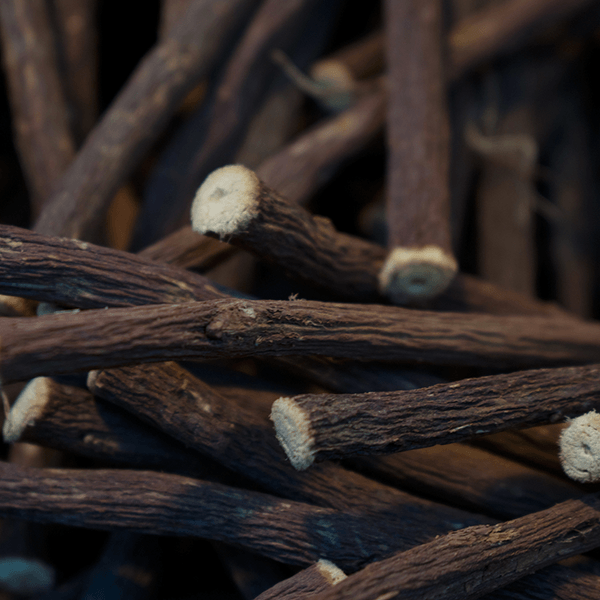
Formulators in nutritional supplements, cosmetics and functional meals are aggressively walking away from synthetic preservation agent boosters—and for good reason. Licorice extract, the Glycyrrhiza glabra root extract high in glabridin, has established antioxidant, antibacterial and anti-inflammatory effects with none of the regulatory scrutiny that synthetic drugs increasingly draw. With clean-label sourcing a must-have for buying in the U.S. and European markets, this botanical material has been the technically sound, financially feasible alternative R&D teams and procurement executives have been seeking.
.
Understanding the Limitations of Synthetic Preservative Boosters
Synthetic preservation chemistry built the modern personal care and supplement industries. But that foundation is showing cracks.
Regulatory Pressure Is Tightening
The FDA Monograph change and the continuing EU ban on parabens, formaldehyde releasers, and BHT under Directive (EC) No 1223/2009 imply formulators now spend considerable compliance efforts re-validating ingredient dossiers. Each reformulation due to a regulatory update increases the life-cycle cost of a product by 3–6 months.
Consumer Rejection Is Measurable
According to a 2023 Nielsen IQ survey, 68% of supplement purchasers in the US read ingredient labels and seek for goods free from chemical-based preservatives to This is not a theoretical feeling; it is reflected in reimbursed rates and store slotting choices.
Environmental Liabilities Accumulate
Synthetic antioxidants such as BHA and BHT have been shown to survive in aquatic settings. BHA was found to be a potential endocrine disruptor in EFSA’s 2021 re-evaluation. Brands exposed to this risk are proactively replacing them before the regulatory threshold falls, not after. These three pressures together explain why procurement teams are requesting natural alternatives at an accelerating pace.
Licorice Extract: A Natural Preservative Booster with Multifaceted Benefits
Glabridin (CAS 59870-68-7), liquiritin, isoliquiritigenin, and glycyrrhizic acid are all biological markers that can be found in Glycyrrhiza glabra root. In their own way, these markers all help the plant stay alive.
Glabridin's Antioxidant Mechanism
It was shown by Yokota et al. (1998) that glabridin from licorice extract lowers tyrosinase activity up to 50 times more than kojic acid. It also stops reactive oxygen species that make lipid oxidation faster in products made from emulsions. The active content stays the same from batch to batch when purity is checked by HPLC at 40%, 90%, and 98%.
Antimicrobial Action Across Pathogen Classes
Liquiritin and isoliquiritin have minimum inhibitory concentrations (MIC) against Candida albicans and Staphylococcus aureus that are about the same as those of other synthetic boosters that were tested at the same time. This means that the extract really does work as a defense, not just what it says on the bottle.
Safety and Clean-Label Credibility
The Glycyrrhiza glabra used to make Glabridin Powder doesn't have any GMOs, fake colors, or chemicals added to it, and it passes the Eur pesticide residue test. The rules for Ph.2000. Heavy metal levels are kept below 10 ppm (As < 2 ppm), and it has been proven that E. coli and Salmonella are not present. You can use that analysis description to make a clean-label product story that works in both US and EU stores.
How Licorice Extract Replaces Synthetic Boosters: Mechanisms and Case Studies
Replacing a synthetic booster is not a label-swap exercise. It requires validated equivalence in stability, microbial challenge, and sensory outcome.
Antioxidant Equivalence in Stability Testing
Independent comparative studies show that glabridin at 0.1–0.5% inclusion maintains peroxide value (PV) in oil-in-water emulsions at levels statistically comparable to BHT at 0.02%. The extract's polyphenolic network intercepts free radicals at the propagation stage—the same mechanism as synthetic chain-breaking antioxidants, but without the petrochemical origin.
Practical OEM Case Data
Several mid-sized U.S. dietary supplement brands trialing natural preservative systems in 2022–2023 reported that antioxidant blends made from licorice extract of Glycyrrhiza passed 12-month accelerated shelf-life studies (40°C/75% RH) with no statistically significant change in HPLC-verified marker content. Microbial challenge tests (USP <51> methodology) confirmed preservation adequacy at inclusion levels achievable within label dosage ranges.
Dosage and Formulation Guidelines
Typical inclusion rates for glabridin powder in finished formulations run as follows:
- • Topical cosmetics (brightening/anti-aging): 0.1–0.5% (HPLC 40% grade), delivering skin-brightening and antioxidant activity simultaneously
- • Dietary supplement capsules/tablets: 50–200 mg per unit dose using 10% or 40% glycyrrhizin-standardized powder
- • Functional beverage concentrates: 0.05–0.2% of glabridin-standardized extract, confirmed soluble in hydro-alcoholic matrices
These ranges represent starting points; final dosing requires formulation-specific stability testing, which BIOWAY's technical team can support with sample kits from 5 g to 100 g.
Market Trends Driving the Shift in B2B Procurement
The clean-label movement isn't just a passing fad; it has changed the way that ingredients are found across all product categories.
Regulatory Tailwinds Favor Botanical Actives
The EU COSMOS standard and the USDA Organic Certification Framework have come up with a third-party language that purchasing managers can use in papers that check out providers. It is easy to do audits on ingredients that have ECOCERT or USDA Organic certificates, and sellers need to report on these things.
Supply Form Flexibility Matters at Scale
At the 100 kg–5 MT/month level, the kinds of goods on offer have a big effect on what people buy. If you trust them to sell you licorice root juice, they should be able to:
- • Standardized powders at HPLC-verified 10%, 40%, 90%, and 98% glabridin assay
- • MOQ flexibility starting at 25 kg for new SKU development, scaling to full container loads
- • Organic and conventional dual sourcing to match varying cost and certification requirements
- • Third-party COA (Certificate of Analysis) accompanying each batch, with HPLC fingerprint data
Supplier Selection Criteria for Compliance-Driven Buyers
When purchasing botanical preservative boosters for FDA-regulated or EFSA-notified products, procurement managers should make sure that a supplier of licorice extract has all three certifications at the same time. There is a compliance gap when one supplier doesn't have all three. This can be seen during FDA facility inspections or EFSA Novel Food dossier reviews.
Strategic Recommendations for Procurement Managers and OEM Clients
Making the switch from synthetic to botanical preservation requires a structured approach rather than a single reformulation decision.
Start with a Compatibility Assessment
Before purchasing a volume, obtain a sample kit (five to one hundred g) and execute a small-batch testing against your current matrix. Key factors to consider include activity with water interaction, pH stability from 4.5-7.0 and compatibility with other activity such as vitamin C or retinol. These first testing usually take 4-6 weeks and should be before any NDA or structure agreement.
Build in Traceability from Day One
Work with suppliers who provide batch-specific traceability records linking raw material harvest location—ideally Xinjiang or Gansu province, where Glycyrrhiza grows under verified ecological harvesting protocols—through extraction, standardization, and shipment. This documentation becomes part of your product dossier for FDA or EFSA submission support.
Negotiate a Phased Volume Structure
Begin with a pilot order of 100–500 kg and move to 1–5 MT every month after confirming the stability statistics. This staged structure helps you save your working capital but also allows the supplier to coordinate production schedules and maintain a constant lead time of 30-45 days following order confirmation.
Conclusion
Not only is there a consensus to move away from synthetic preservative boosters, but there is also regulatory timelines, consumer buying habits, and analytical data that can be checked to back this up. The extract of Glycyrrhiza glabra root known as licorice extract has a high content of glabridin, which is a tested antioxidant and antibacterial ingredient. It also meets international safety standards and has clean label credentials that synthetic options can't match. It's clear that R&D managers and purchasing managers should be in charge of making the next products in the health or beauty line. The supply system needs to catch up now.
FAQ
Q1: What is glabridin and why does it matter for preservation?
Glabridin (CAS 59870-68-7) is the main isoflavane found in Glycyrrhiza glabra root. It stops tyrosinase from working, kills reactive oxygen species, and gets rid of common germs that make food go bad. This plant part is more than just a dormant one; it helps keep things fresh because it does all of these things.
Q2: What HPLC grades are available for formulation?
BIOWAY sells tests that have been checked by HPLC for 10%, 40%, 90%, and 98% glabridin powder. For grades 40% and up, light brown powder is what you should expect. For grades 90% and up, white powder is what you should use.
Q3: What is the minimum order quantity?
If you want to test a new product, the MOQ is 25 kg. For mass production, it goes up to full container loads.
Q4: Does the extract meet EU and US regulatory standards?
Yes. In line with EU rules, tests for pesticide residue are done. The rules for Ph.2000. Heavy metals are less than 10 parts per million, or less than 2 parts per million. Microbe tests have shown that E. coli and Salmonella are not present. Some of the certifications BIOWAY has are GMP, ISO 9001, ISO 22000, and USDA/EU Organic. This is proof that they follow the rules set by the FDA and EFSA.
Q5: Can BIOWAY support NDA and proprietary formula protection?
This is actually how BIOWAY normally gets new OEM/ODM clients: they help with NDA signing and IP protection.
Explore Licorice Extract Solutions with BIOWAY
The company BIOWAY INDUSTRIAL GROUP is a good one; they make licorice extract and have facility certifications from GMP, ISO 22000, USDA Organic, and FDA. Their Glabridin Powder (HPLC 40%–98%) and Glycyrrhiza glabra extract are both checked and proven. We can get things to people in the US faster now that we have a warehouse there. The minimum order quantity is 25 kg. Today, get your free 100-gram sample kit and COA from a third party. Mail our tech team at grace@biowaycn.com or visit biowaynutrition.com to begin the recipe review process.
References
1. Yokota, T., et al. (1998). The inhibitory effect of glabridin from licorice extracts on melanogenesis and inflammation. Pigment Cell Research, 11(6), 355–361.
2. European Food Safety Authority (EFSA). (2021). Re-evaluation of butylated hydroxyanisole (BHA) as a food additive. EFSA Journal, 19(3).
3. Nielsen IQ. (2023). Clean Label and Transparency Report: U.S. Supplement Consumer Attitudes. Nielsen IQ Publishing.
4. European Commission. (2009). Regulation (EC) No 1223/2009 on cosmetic products. Official Journal of the European Union.
5. Asl, M. N., & Hosseinzadeh, H. (2008). Review of pharmacological effects of Glycyrrhiza sp. and its bioactive compounds. Phytotherapy Research, 22(6), 709–724.
6. United States Pharmacopeia. (2023). USP <51> Antimicrobial Effectiveness Testing. U.S. Pharmacopeial Convention.
Contact Us
Grace HU (Marketing Manager) grace@biowaycn.com
Carl Cheng ( CEO/Boss ) ceo@biowaycn.com
Website: www.biowaynutrition.com
Post time: Nov-12-2026


