
Introduction
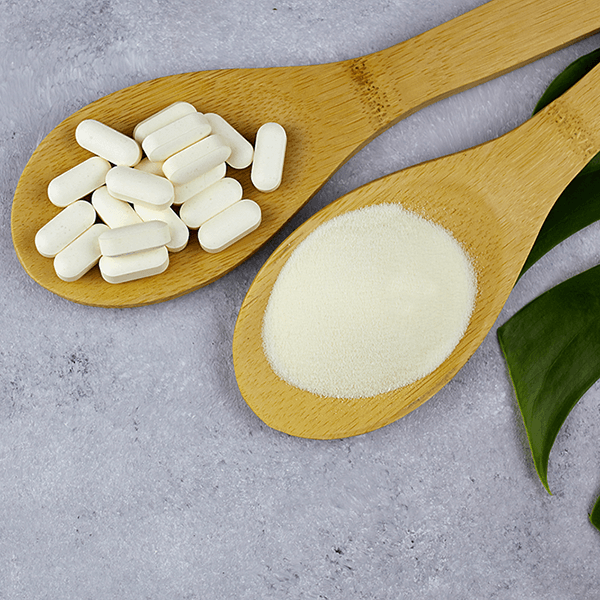
When evaluating OEM partnerships for medium-chain triglyceride ingredients, understanding the technical nuances behind MCT powder production is essential. MCT Powder represents a sophisticated microencapsulated form of medium-chain fatty acids derived primarily from coconut oil (Cocos nucifera) and palm kernel oil. Through advanced spray-drying technology, liquid triglycerides are converted into a free-flowing white powder that addresses critical manufacturing challenges—eliminating oil leakage during transportation, preventing oxidative rancidity, and enabling seamless integration into dry-blend formulations. This transformation solves persistent pain points for beverage manufacturers, supplement brands, and functional food producers seeking consistent quality and extended shelf stability.
Understanding MCT Powder: Composition, Benefits, and Market Needs
What Makes MCT Powder Different from Liquid Oils?
MCT Powder is made up of Caprylic (C8) and Capric (C10) fatty acids that are enclosed in different types of carriers, like gum acacia, sodium caseinate, or resistant dextrin. Unlike long-chain fatty acids, these medium-chain triglycerides don't go through the normal digestive process. Instead, they go straight to the liver and are quickly turned into ketones, which provide energy right away. The powder form changes a water-repelling lipid into an easily dispersed ingredient that can be used in quick drink mixes and ready-to-drink drinks. It comes in 50% and 70% oil load options.
Nutritional Profile and Health Applications
These medium-chain fatty acids start the ketogenic pathway, which has many health benefits that have been shown in clinical studies. Journal of Nutrition and Metabolism says that taking MCT supplements greatly improves brain function by making more cerebral ketone available. This is especially helpful for people who are following ketogenic diet plans. Increasing satisfaction signals and increasing thermogenesis can help people lose weight, and players like how quickly energy is converted during high-intensity exercise. When compared to liquid oils, the powder form is easier on the digestive system. This means that high-dose liquid MCT consumption is less likely to cause stomach problems.
Industry Applications and Safety Considerations
This ingredient is used by companies that make functional drinks to make ketogenic coffee creamers that can handle temperatures above 80°C without breaking the mixture. It is mixed with whey protein and creatine by sports nutrition makers in pre-workout formulas. Its ability to flow freely in automatic filling lines is used to its advantage. Medical nutrition companies use it to make enteral formulas for people who have problems with fat absorption or pancreatic insufficiency. The ingredient stays compatible with diabetic diets because it has a small effect on blood sugar levels. It also helps the body adapt to a ketogenic state without affecting safety, as long as makers follow the suggested dosage rules and choose the right carrier. MCT Powder delivers these functional benefits with superior dispersibility and thermal stability, making it the preferred choice for high-heat applications and sports nutrition blends.
Manufacturing Process of MCT Powder: From Raw Materials to Finished Product
Raw Material Sourcing and Fractionation
The first step in making high-quality products is getting certified organic coconut or palm kernel oil. Next, certain chain-length triglycerides are separated through fractional distillation. Based on their boiling points, the fractionation process separates C6 (calproic), C8 (caprylic), C10 (capric), and C12 (lauric) acids. The best mixtures use C8:C10 ratios of 60:40 or 70:30. Sustainable suppliers keep supply lines that can be tracked. For palm derivatives, this is shown by RSPO approval, and for coconut sources, it's done through organic verification. This quality control upstream has a direct effect on the accuracy and effectiveness measures of the product downstream.
Microencapsulation Technology and Drying Methods
Through spray-drying microencapsulation, oil drops are spread out in a carrier solution and atomized into a hot air chamber. This changes the liquid into a powder. The final product's properties depend on the wall materials used. Acacia gum is great for emulsification and has a neutral taste. Sodium caseinate is better for sports uses because it has more protein, and resistant dextrin is good for allergen-sensitive formulas. To get the right particle size distribution (usually 50–200 microns) and moisture content below 3%, the operating factors must be carefully managed. These include the inlet temperature (160–180°C), the output temperature (80–90°C), and the atomization pressure. Closed-loop systems are used in advanced facilities to keep oxidative exposure to a minimum while processing is going on.
Quality Control and Certification Standards
During production, strict quality routines keep an eye on key factors. Gas chromatography checks the accuracy of the fatty acid makeup and C8 content, and peroxide value tests (target: <5 meq/kg) checks the stability against oxidation. Microbiological testing makes sure that the total plate count, yeast, mold, and pathogen requirements are met. Our 1,200-square-meter Class 10,000 building, which meets sterile standards, allows us to make pharmaceutical-grade products. Full certifications like cGMP, ISO22000, HACCP, FSSC 22000, and USDA/EU Organic credentials show that the product follows all the rules needed for international markets, especially the US where FDA registration and GRAS status verification boost buyer confidence.
Formulation Strategies for OEM Clients: Tailoring MCT Powder for Different Markets
Customization Options for Target Demographics
The ability for OEMs to change formulations allows for precise market positioning. Higher C8 amounts (pure C8 formulas) help ketogenic product lines work better by increasing the rates of ketone production seen in clinical ketosis studies. In weight loss pills, the base powder is mixed with green tea extract or L-carnitine to make the thermogenic benefits stronger. Medium-chain triglycerides are often found with lion's mane mushroom or phosphatidylserine in formulas for cognitive enhancement. Beauty-from-within products mix collagen peptides with the powder to target skin hydration and suppleness by delivering both lipids and proteins at the same time.
Blending Strategies and Ingredient Compatibility
Formulations that work take into account how ingredients interact with each other and how the recipe will be processed. Keeping the moisture content low stops clumping during storage when mixing with hygroscopic ingredients like creatine monohydrate or beta-alanine. To make sure that protein powder blends are evenly distributed and dosed, the particle sizes must be matched. Flavor systems need to cover up any remaining coconut notes without leaving behind sticky aftertastes. This is done by testing natural vanilla, chocolate, or fruit flavor profiles at 0.5 to 2% application rates.
Choosing the right sweetener takes into account both what the customer wants and their dietary needs. For keto-friendly recipes, stevia, monk fruit, or erythritol can be used. MCT Powder integrates seamlessly into these blends, requiring careful particle size matching and moisture control to maintain flowability and prevent clumping in finished products.
Packaging and Labeling Compliance
Wholesale buyers need packaging options that meet regulatory standards and protect the integrity of the products they buy. Moisture-barrier laminating bags that are flushed with nitrogen make food last up to 24 months at room temperature. Single-serve stick packs are great for consumers who value ease because they let you control the exact amount of food you eat and make it easier to carry around. Label statements need to correctly show the amounts of oil load, list the carrier materials used to handle allergens, and include relevant health claims that are in line with FDA standards for proof. Clean label trends increase the need for formulations with clear ingredients, making organic certifications and non-GMO verification competitive advantages in high-end markets.
Comparing MCT Powder to Competing Products: Market Positioning and Buyer Guidance
MCT Powder versus Liquid Oil: Application-Based Selection
Choosing between powder and liquid formats for purchases depends on the use case. Liquid oils are more pure (usually 100% triglycerides) and cheaper for adding bulk ingredients or encapsulating softgels on a large scale in factories that are set up to handle lipids. But powders don't get stuck in equipment, stay stable longer on shelves because they protect against oxidation, and can dissolve in cold water, which isn't possible with liquids. Powders are better for beverage applications because liquid oils separate quickly without high-shear emulsification equipment, which isn't common in home kitchens or single-serve packaging.
Evaluating Supplier Quality Indicators
When comparing possible partners, a number of technical details show how advanced the manufacturing is. The amount of oil load shows how well the containment is working—70% loads need advanced technology to stop the oil from moving on the surface. Measurements of bulk density (usually 0.4 to 0.6 g/mL) affect how much it costs to ship and how much a customer thinks a product is. Laser diffraction analysis checks to see if particles of the same size can be mixed consistently. Off-flavors that point to oxidative degradation or carrier material problems are picked up by taste panels. Ask for reports of analysis that show the peroxide levels, the amount of free fatty acids, and the heavy metal screening that shows the quality of the raw materials and the control of the process.
Cost Efficiency and Bulk Procurement Strategies
Pricing systems take into account both the cost of raw materials and the difficulty of handling them. At the moment, the market price for 50% oil load powder is between $12 and $18 per kilogram for container loads. For 70% specifications, the price is between $18 and $25 per kilogram because of the more complex packaging needs. Prices are better when you commit to buying a lot of something. For example, yearly plans lower the cost per unit by 15–25% compared to buying things on the spot. Purchasing managers should look at the total landed cost, which includes freight, tax, and storage. Our 3,000-square-meter U.S. warehouse building makes logistics easier and cuts down on wait times for North American customers, which makes the supply chain more flexible when demand changes.
Procurement Guide: How to Source and Partner with Reliable MCT Powder OEM Suppliers
Essential Supplier Evaluation Criteria
To find good manufacturing partners, you need to consider many aspects of their capabilities. Our ten specialized production lines use different plant materials and have specific extraction tanks for cosmetic-grade, high-purity pharmaceutical, and nutrition uses. Production capacity determines how well a brand can grow. Certification portfolios prove that quality systems work. For regulated markets, cGMP, BRC, and organic credentials are necessary. Technical knowledge shows up as formulation support skills that help with testing for stability, improving flavor, and creating regulatory paperwork. Startup brands can use flexible minimum order quantities to see how the market reacts, while established makers need a steady supply at stable prices.
Building Long-Term Partnerships Through Transparency
Trust and open communication are key to building long-lasting relationships with suppliers. Ask for facility audits or virtual tours that record the capabilities of the equipment, cleanroom standards, and the proper way to handle raw materials. Customers are welcome to visit our 50,000-square-meter center in Shaanxi Province, which shows how we handle everything from organic farming (on 1,000,000 square meters on the Qinghai-Tibet Plateau) to final packing.
Talk about how to plan for supply problems, changes in quality, and changes in demand. Respondent expert help takes care of formulation issues during product development, and after-sales service fixes any issues with specifications in commercial production batches. MCT Powder production follows these same rigorous quality protocols, with full traceability from raw material sourcing through to final packaging, ensuring batch-to-batch consistency for your formulations.
Negotiation Strategies for Optimal Terms
Cost goals and quality assurance should be balanced in good procurement negotiations. In addition to unit price, make sure you understand the payment terms, wait times, and who is responsible for managing the inventory. Buying by the container load can save you money, but you should think about the costs of storage and the capital that is tied up in inventory. Sampling programs let you do a full evaluation before making a business commitment. Instead of relying on a single lab sample, request several production batches to assess consistency. Talk about protecting intellectual property for proprietary formulations and keeping price systems secret. Long-term contracts with volume commitments keep prices stable while letting specifications be reviewed on a regular basis as consumer tastes change.
Conclusion
To buy MCT Powder, you need to know how manufacturing technology, formulation science, and sourcing skills all work together. Microencapsulation changes liquid triglycerides into useful powders, which solves important problems in product creation, shelf life, and customer satisfaction. For OEM relationships to work, technical specs other than price must be looked at. These include the type of fatty acids used, the quality of the encapsulation, and certifications that show the manufacturing is done well. As demand rises in the ketogenic, sports nutrition, and functional beverage markets, brands can achieve long-term growth and stand out from the competition by working with suppliers who have proven expertise, flexible production capacity, and thorough quality systems.
FAQ
Q1: What specifications should I request when sourcing MCT Powder?
Ask for records of analysis that show the oil load percentage (either 50% or 70%), the fatty acid profile (C8:C10 ratio), the moisture content (target <3%), the peroxide value (<5 meq/kg), and the results of the microbial screening. Make it clear what the carrier material is made of, especially when it comes to allergens. Ask for information on the particle size distribution, the bulk density, and the shelf-life stability studies that will be done in the conditions you plan to store the product.
Q2: How does carrier material selection impact formulation performance?
The type of carrier used changes the taste, allergen profile, protein level, and ability to emulsify. Sodium caseinate is a great source of protein, but it contains allergens from dairy. The bland taste of acacia gum is better, and it is free of allergens. Resistant dextrin adds the health benefits of prebiotic fiber while keeping the clean label look. Match the choice of provider to the target demographic's food needs and desired benefits.
Q3: Can MCT Powder withstand high-temperature processing?
Good encapsulation keeps lipid cores safe when they are exposed to mild temperatures, like those found in hot beverage uses (80–95°C). Long-term high-temperature processing or retort sterilization could damage the integrity of the encapsulation, so special carrier systems are needed. Talk to providers about the exact working conditions you need to make sure the product will be thermally stable for your use before it goes into mass production.
Partner with BIOWAY for Exceptional MCT Powder Manufacturing
As your key partner for making high-quality MCT Powder, BIOWAY INDUSTRIAL GROUP combines vertical integration with technical excellence to meet all of your buying needs. Our research and development team has more than 15 years of experience in plant extraction and microencapsulation technology, which means they can make formulas that work best for your target market. We meet the strict compliance standards set by international food, drink, and supplement brands because we have a lot of certifications, such as USDA/EU Organic, cGMP, ISO22000, HACCP, Halal, and Kosher.
Our flexible MOQ works for both new brands and well-known manufacturers, and we offer expert help throughout the entire process of developing and selling a product. If you buy MCT Powder from BIOWAY, you can be sure that the quality will be consistent because they use advanced quality control systems and have helpful customer service. Email our team at grace@biowaycn.com to talk about your formulation needs and get full technical specs that are made to fit your application.
References
1. Journal of Nutrition and Metabolism. (2018). "Medium-Chain Triglycerides and Cognitive Function in Ketogenic Dietary Protocols."
2. Food Chemistry. (2020). "Microencapsulation Technologies for Lipid Ingredients: Processing Parameters and Stability Outcomes."
3. International Journal of Food Science. (2019). "Comparative Analysis of MCT Oil versus Powder Formulations in Functional Beverages."
4. Journal of the American Oil Chemists' Society. (2021). "Quality Parameters and Oxidative Stability in Spray-Dried MCT Powders."
5. Nutrients. (2022). "Medium-Chain Triglycerides in Sports Nutrition: Performance and Recovery Applications."
6. Food Science and Technology Research. (2023). "Carrier Material Selection in Lipid Microencapsulation: Impact on Product Characteristics."
Contact Us
Grace HU (Marketing Manager) grace@biowaycn.com
Carl Cheng ( CEO/Boss ) ceo@biowaycn.com
Website: www.biowaynutrition.com
Post time: Sep-30-2026


