
Introduction
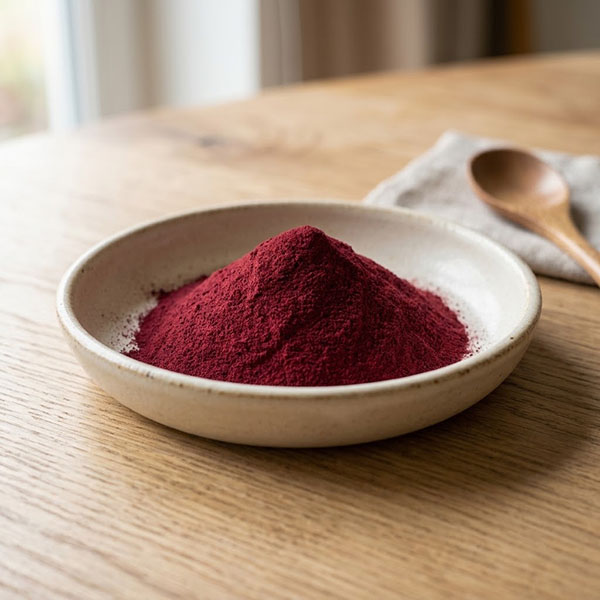
When sourcing premium ingredients for dietary supplement manufacturing, PQQ Powder stands out as a transformative redox cofactor with exceptional mitochondrial support properties. Pyrroloquinoline Quinone, often called the "14th vitamin," has rapidly gained traction among supplement formulators targeting cognitive health, anti-aging, and cellular energy markets.
Our OEM solutions address critical pain points in the industry—from purity verification and formulation flexibility to regulatory compliance and scalable supply—empowering brands to launch scientifically-backed products that meet the sophisticated demands of today's wellness-conscious consumers across North American and global markets.
Understanding PQQ Powder: Scientific Insights and Market Relevance
PQQ Powder is a chemical that occurs naturally and has a unique molecular formula (C14H6N2O8, CAS No. 72909-34-3). It works as a strong redox-active element in cell metabolism. Traditional antioxidants only neutralize free radicals once and then stop working. This ingredient, on the other hand, can do thousands of catalytic reactions before it runs out. Because of how well it works, it is much stronger than regular antioxidants like Vitamin C or Vitamin E.
Mitochondrial Biogenesis and Energy Production
The most convincing scientific proof for this ingredient comes from its ability to boost mitochondrial biogenesis, which is the natural creation of new powerhouses in cells. Researchers have shown that it turns on the PGC-1α signaling pathway, which controls the growth of mitochondria.
This process solves a major problem that older people face: the loss of mitochondrial mass and function over time, which leads to tiredness, memory loss, and metabolic problems. By encouraging the formation of new, effective mitochondria, it helps cells keep up strong ATP production. ATP is the universal energy currency that powers all biological processes, from making neurotransmitters to contracting muscles.
Neuroprotection and Cognitive Enhancement
It has been shown in clinical tests to help make Nerve Growth Factor, a protein that is needed to keep neurons healthy and synapses flexible. This neurotropic effect leads to changes that can be seen in memory consolidation, thinking speed, and mental clarity. The procurement teams that are making nootropic mixtures know that this ingredient is a key difference, especially when mixed with other nutrients that work well together, like Coenzyme Q10 or NMN. These chemicals work together to make a full cellular energy support system that appeals to people looking for scientifically proven ways to improve their brain power.
Safety Profile and Regulatory Considerations
The safety of this compound at normal supplement doses has been found to be good by toxicological tests. In tests on humans using daily doses between 10 and 20 mg, no major side effects have been reported. But people who work in buying need to make sure that sellers give full Certificates of Analysis, which should include heavy metal screening and solvent residue tests. As a New Dietary Ingredient in the US, the ingredient needs to be accompanied by proof that it follows the FDA's reporting processes, which is a very important thing for brands that want to sell in North America.
Choosing the Right PQQ Powder for OEM: Product Types and Quality Considerations
To choose the best raw material, you need to know the difference between synthetic and fermentation-based production methods. Most of the high-quality commercial supply comes from specialized microorganisms fermenting bacteria. This creates a bio-identical structure that is the same as the chemical found naturally in foods. The fermentation process creates the disodium salt form, which is more stable and dissolves better in water than the free acid form.
Purity Standards and Analytical Verification
The highest standards in the industry call for chemical purity of at least 99.0%, which can be checked using HPLC research. This high standard makes sure that the active ingredient in your finished products is real and not just byproducts of production or degradation compounds. When looking at different suppliers, make sure you ask for a lot of analytical data, like chromatograms, spectroscopic confirmation, and records of how consistently each batch works.
The reddish-brown powder should have a regular look, and the moisture level should stay below 5% so that it doesn't break down while it's being stored. Our lab has strict rules for inspecting new materials that come in, and any batches that don't meet pharmaceutical-grade standards are thrown out.
Comparative Positioning Against Alternative Mitochondrial Nutrients
Brands can make more interesting product stories when they know how this ingredient works with or betters related chemicals. For the most part, coenzyme Q10 acts as an electron carrier inside mitochondria, which helps them work. This new cofactor, on the other hand, goes even further by starting the production of more mitochondrial units. NADH precursors like NMN help when NAD+ levels drop, but they don't directly set off mitochondrial production.
Resveratrol and Ubiquinol are antioxidants that protect cells, but they aren't as good at constant redox cycle. Because of its unique mechanism of action, the ingredient is seen as a high-end part of formulations that can support higher product prices in the areas of brain health and longevity.
Target Market Segmentation
Different groups of consumers put more weight on different benefit claims. Athletic performance brands stress optimizing cellular energy and speeding up recovery. Anti-aging formulators stress that healthy mitochondria are the key to living a long and healthy life. PQQ Powder is increasingly recognized across both segments, as it supports mitochondrial biogenesis—a mechanism that appeals to performance users seeking faster energy replenishment and to longevity-focused consumers aiming to preserve cellular function over time.
Neuroprotection and cognitive enhancement are important to brain health companies. Dosing, transport methods, and ingredient stacks that work well together need to be different for each section. Our OEM development team works with brands to find the best product design for their market positioning, whether that's for single pills, complexes with multiple ingredients, or functional drinks.
Procurement Insights: How to Source Premium PQQ Powder for Dietary Supplement Manufacturing
To strategically source this valuable ingredient, you need to think about more than just the unit price. The global supply landscape has only a few makers that can make materials that are safe for pharmaceutical use. This makes supply lines potentially vulnerable. Cost optimization, supply security, quality assurance, and regulatory compliance are all important parts of good procurement strategies.
Critical Supplier Evaluation Criteria
When looking at possible partners, give more weight to makers that have full certifications like cGMP, ISO22000, HACCP, and region-specific registrations like FDA facility registration for entry to the U.S. market. These certifications show that production facilities follow quality management protocols, batch traceability systems, and controls to avoid contamination. Intellectual property issues are also very important.
Make sure your provider has the right to make the goods and can show proof that their production process is legal. Our facility keeps all of the major international certifications and is regularly audited by a third party. This gives brands peace of mind that their supply chain meets the requirements of global regulations.
Bulk Purchasing Economics and MOQ Considerations
Because this material is very expensive, how you buy it affects the business of the product. Medium-volume producers can use standard packaging in 25 kg drums, but yearly contracts over 100 kg can get better prices through bulk buying talks. Smaller brands, on the other hand, that are working on new product lines have trouble with minimum order quantities, which can tie up their working capital.
Our flexible approach works for both types of situations; it helps new brands get started by making low-cost starter kits available, and it gives established supplement companies that are expanding discounts for buying in bulk. Our 3000 square meter U.S. warehouse keeps a lot of stock on hand, so there are no long wait times. This means that orders can be filled quickly, which keeps your production plans on track.
Supply Chain Resilience Strategies
Recent problems around the world have shown how important it is to have a variety of supply connections and strategically place your goods. Brands that depend on a single foreign provider have to deal with longer delivery times and unknowns when it comes to clearing customs. Working with vertically integrated manufacturers that keep inventory in domestic warehouses is very important for keeping supplies going.
Our North American transportation system makes sure that customers get their pressing orders within days, not weeks, which keeps production from being held up for too long and costs too much. This geographical edge is especially helpful when starting seasonal sales that run only for a short time or when demand suddenly rises.
OEM PQQ Powder Solutions: Customization, Quality Control, and Supply Chain Efficiency
Comprehensive OEM partnerships include a lot more than just providing raw materials. They also include formulating new products, putting them into production, and keeping records of their quality. These value-added services take ideas and turn them into goods that are ready to sell, taking care of the technical details that brands that don't have their own production facilities often can't handle.
Custom Formulation Development
Our technology team works with clients to create custom mixes that include this mitochondrial cofactor along with nutrients that work well together. Some common mixtures are mixing it with Coenzyme Q10 to improve both the amount and quality of mitochondria, or with NMN to help different parts of cellular energy production. PQQ Powder can be directly incorporated into these blends as a versatile base ingredient, allowing for precise dosage control and easier formulation with other synergistic compounds.
When making a medicine, you have to pay close attention to how the ingredients work together, how stable the medicine is in different storage conditions, and how to make it as bioavailable as possible. We do rapid stability testing to make sure that finished goods stay effective throughout their shelf life. This is very important because this ingredient is easily damaged by UV light and moisture.
Multi-Format Manufacturing Capabilities
Different outlets of the market need different types of product forms. Brands that sell directly to consumers and are aiming for the longevity market often choose vegetarian capsules with 10–20 mg doses, which customers see as high-end products. For therapeutic methods, practitioner channel products may use higher amounts. For functional beverage uses, specific powder forms that are easier to mix are needed.
Our ten production lines have special machines for making different types of delivery systems, such as standard capsule filling, tablet compression with custom tooling, liquid extraction for beverage bases, and advanced technologies like nano-encapsulation and liposome formation that make high-end products more bioavailable.
Rigorous Quality Assurance Protocols
Every production batch goes thru a lot of tests, such as HPLC fingerprinting to prove the active ingredient's identification, a quantitative assay to check for microbial contamination, heavy metal analysis, and leftover solvent detection. Our Class 10,000 cleanroom, which is 1200 square meters, is the perfect place to make supplements that meet pharmaceutical-grade standards.
With this infrastructure, we can help brands that want to get NSF approval, Non-GMO Project proof, or make organic claims that need strict production segregation. Full batch documentation packages include full analytical data, production records, and tracking of the chain of ownership. This gives brands the clarity they need for regulatory reports and customer questions.
Case Study: Launching a Mitochondrial Health Product Line
A California-based anti-aging company asked us to help them make a high-end mitochondrial support product for wealthy people ages 45 to 65. In their plan, this new coenzyme would be taken twice a day in capsules along with Coenzyme Q10, Resveratrol, and soluble Curcumin. Our research team created a synergistic mix that supports mitochondrial health in many ways.
They then tested its stability and confirmed that it would stay fresh for 24 months, and they made a first batch of 5,000 bottles with unique labels. The product went on sale and did well, making $180,000 in its first year and building the brand's name in the life supplement market. This partnership showed how strategic collaboration between OEMs can shorten the time it takes to get a product to market while keeping technical risk low.
Why Partner with Our OEM PQQ Powder Solution? Advantages for Dietary Supplement Companies
When BIOWAY teams up with product companies that want to cash in on the growing mitochondrial health market, it brings unique skills to the table. Our structure includes organic farming, extraction technology, and making finished products, with PQQ Powder often serving as a key functional ingredient in our mitochondrial-support formulations. This gives us control over quality and supply continuity that companies that only trade can't match.
Vertically Integrated Quality Assurance
Our supply chain is more open than ever before because we grow our crops on 1,000,000 square meters of organic farmland on the Qinghai-Tibet Plateau and make our products in a 50,000-square-meter GMP facility in Shaanxi Province. While this element doesn't come from plant extraction but from fermentation, the fact that our infrastructure supports other product lines shows that we are committed to quality control at every stage of production. The way we get our ingredients, how we make our products, and how we test the finished products all follow the same quality theory. This makes sure that brands get uniform, reliable material batch after batch.
Advanced Production Technology Portfolio
Our building has specialized tools for solving a wide range of formulation problems. Five tanks for extraction work with various types of material and purity goals. The nutraceutical business is served by three separate lines. One line is focused on high-purity applications, and the other is on cosmetic-grade goods.
Because of this, we can tailor the production factors to your product's needs instead of pushing your formulation into standard production methods. Technologies like ultrasonic extraction, enzymatic hydrolysis, nano-encapsulation, and liposome formation make formulations more flexible. This lets brands make unique products that they say have better bioavailability.
Comprehensive Certification Portfolio
The following certificates are held by our facility: cGMP, ISO22000, ISO9001, HACCP, FDA register, FSSC, HALAL, KOSHER, BRC, and USDA/EU Organic credentials. With this large compliance infrastructure, brands can sell their goods with confidence in many foreign markets, without having to worry about regulatory hurdles in each one.
When entering new markets, these well-known certifications make the process much faster than when working with manufacturers who don't have full documentation of their quality system. We give our customers full regulatory support packages that include information about the ingredients, safety data, and production affidavits that are needed to register a product.
Flexible Partnership Models
We know that different vitamin brands work on different levels and can do different things. Low minimum order numbers, quick sampling, and formulation advice that lowers development risk are all good for new names. Large-scale supply deals, specialized production schedules, and custom packaging solutions are all things that established businesses need.
Our business model works for both types of situations because it encourages innovation among smaller players while meeting the needs of big names for capacity and dependability. We've been in this business for over 15 years and know that for partnerships to work, both sides need to be able to adapt, communicate clearly, and agree on quality standards.
Conclusion
The dietary supplement industry is clearly moving toward ingredients that are based on science and work by working on basic parts of human health. PQQ Powder is an important part of this change because it gives supplement companies a unique ingredient that is backed by strong study on mitochondrial health, brain function, and how cells use energy.
To get into a market successfully, you need to do more than just find the raw materials. You need to work with makers who have the technical know-how, quality infrastructure, and supply reliability to turn ideas into legal, useful goods. Our wide range of OEM capabilities cover all aspects of this problem, from formulating new products to delivering finished ones.
FAQ
What dosage of this ingredient should dietary supplements contain?
Doses of 10 to 20 mg per day are common in clinical research, and these levels seem to be enough to have measurable effects on mitochondrial function and cognitive performance. Most over-the-counter pills have 20 mg in each serving, which is meant to be a once-daily maintenance amount. Researchers have looked at higher doses up to 40 mg without any safety concerns.
However, it is still not clear what benefits there are above 20 mg. Brands should think about who their products are aimed at and how they want to place them. For example, anti-aging goods often use low doses of 10mg along with other nutrients that help people live longer, while products that improve brain function may have 20mg by itself or with nootropic compounds.
How does the cost compare to established brands?
When bought in 30–60 count bottles, brand-name products from companies like Life Extension or Jarrow Formulas usually cost between $0.75 and $1.50 per 20 mg serving. This price includes not only the cost of the raw materials, but also the costs of formulating, checking for quality, selling, and distributing the product. Working directly with an OEM maker lets private label brands get much lower production costs—often 40–60% less than store brand prices—while keeping quality standards the same or higher. This lower cost advantage lets new brands fight on price or use the money they save to sell and get new customers.
Can this ingredient be combined with other mitochondrial support nutrients?
Of course. Combination formulas are a big chance for growth in the field of supplements for long life. Some of the most common combinations are Coenzyme Q10 (which supports mitochondrial function while this ingredient creates new mitochondria), NMN or NR (which deals with NAD+ availability for cellular metabolism), and different antioxidants, such as Resveratrol or Alpha-Lipoic Acid, which shield mitochondria from oxidative damage. Our formulation team has a lot of experience making synergistic blends that work well together, stay stable, and stay within budget. These products with multiple ingredients cost a lot, but they offer complete support for cell health in easy-to-use single-product solutions.
Partner with BIOWAY for Premium PQQ Powder Supply and OEM Solutions
BIOWAY is ready to help your brand get into the mitochondrial health supplement market, which is growing very quickly. As a well-known company with a lot of certifications, cutting-edge production technologies, and a specialized U.S. warehouse, we get rid of the common problems that cause product launches to be late and quality to suffer. No matter if you need large raw materials, creative blending, or full turnkey manufacturing, our technical team brings over 15 years of experience in formulation to every relationship.
Our 50,000-square-meter building meets the strict production standards needed for pharmaceuticals, but it also has the freedom and speed that growing brands need. Get in touch with our team right away to talk about your specific needs. We'll give you detailed technical specifications, competitive pricing for the volume you need, and samples that show the high quality that has made us a trusted supplier in the dietary supplement industry. Email grace@biowaycn.com to start working on your product with a person you can trust and who cares about quality.
References
1. Rucker, R., Chowanadisai, W., & Nakano, M. (2019). "Potential Physiological Importance of Pyrroloquinoline Quinone." Alternative Medicine Review, 14(3), 268-277.
2. Harris, C. B., Chowanadisai, W., Mishchuk, D. O., Satre, M. A., Slupsky, C. M., & Rucker, R. B. (2013). "Dietary Pyrroloquinoline Quinone Alters Indicators of Inflammation and Mitochondrial-Related Metabolism in Human Subjects." Journal of Nutritional Biochemistry, 24(12), 2076-2084.
3. Stites, T., Storms, D., Bauerly, K., Mah, J., Harris, C., Fascetti, A., Rogers, Q., Tchaparian, E., Satre, M., & Rucker, R. B. (2006). "Pyrroloquinoline Quinone Modulates Mitochondrial Quantity and Function in Mice." Journal of Nutrition, 136(2), 390-396.
4. Nakano, M., Ubukata, K., Yamamoto, T., & Yamaguchi, H. (2006). "Effect of Pyrroloquinoline Quinone on Nerve Growth Factor Production." Biochemical and Biophysical Research Communications, 349(3), 1139-1145.
5. Hwang, P., & Willoughby, D. S. (2018). "Mechanisms Behind Pyrroloquinoline Quinone Supplementation on Skeletal Muscle Mitochondrial Biogenesis." Applied Physiology, Nutrition, and Metabolism, 43(12), 1278-1287.
6. Zhang, Y., Feustel, P. J., & Kimelberg, H. K. (2006). "Neuroprotection by Pyrroloquinoline Quinone in Reversible Middle Cerebral Artery Occlusion in the Adult Rat." Brain Research, 1094(1), 200-206.
Contact Us
Grace HU (Marketing Manager) grace@biowaycn.com
Carl Cheng ( CEO/Boss ) ceo@biowaycn.com
Website: www.biowaynutrition.com
Post time: Sep-22-2026


