
Introduction
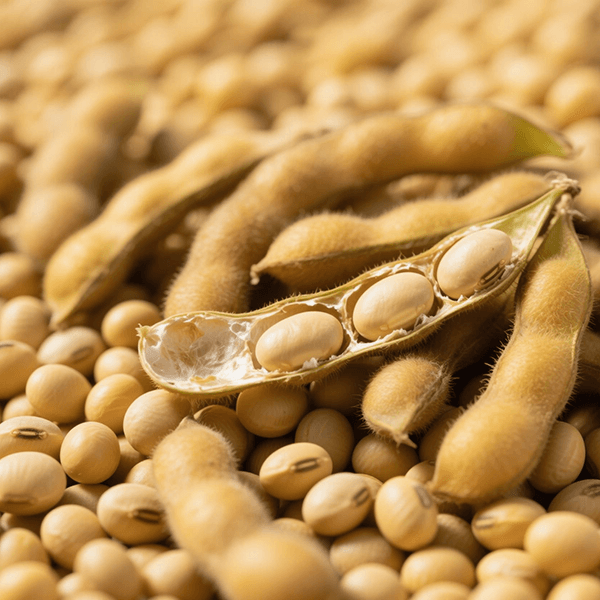
When evaluating Soy Oligopeptides for commercial production, understanding the technical foundation and manufacturing pathways becomes essential for procurement success. These small-molecule peptides—typically consisting of 2 to 6 amino acids with a molecular weight below 1000 Daltons—offer superior absorption profiles compared to standard soy protein isolates. At BIOWAY, we've refined enzymatic hydrolysis processes that convert organic soybeans into bioactive peptides meeting rigorous standards for functional foods, sports nutrition, and nutricosmetics applications. This guide walks through the critical considerations for selecting manufacturing partners and optimizing your supply chain for this specialized ingredient.
Understanding Soy Oligopeptides – Key Concepts and Industry Relevance
Small molecules called peptides that come from plant proteins have changed the way that health and beauty products are made. Unlike most protein shakes, which need to be broken down in a lot of steps, these peptide chains use direct transport mechanisms in the intestines, which cuts absorption time from hours to minutes. This biological benefit comes from the fact that they have already been broken down—the amino acid sequences are still whole, but they have been sped up enough for cells to take them up right away.
What Defines Premium Oligopeptide Quality?
There are three technical differences between peptides made for medical use and those made for commercial use. The main sign is the spread of molecular weight; premium amounts keep more than 90% of the peptides below 1000 Da. The dry protein content is usually higher than 80–90%, and the peptide concentration is between 50 and 80%, depending on the needs of the application. Our organic soy peptide powder keeps protein levels at ≥80.0% and soy peptide content at ≥50% for normal formulations and ≥80% for specialty uses. It looks like a white or light yellow powder, and the ash content is kept below 8.0% and the pH level kept below 7.0% in a 5% solution.
Market Applications Driving Demand
There are four main areas where these peptides can be used in different ways. For products that help you recover after a workout, nutritional supplements use fast absorption. This is because faster delivery of amino acids helps muscle protein synthesis more than whole proteins do. In healthcare goods, they are used in enteral nutrition solutions for people whose digestive systems don't work well. Cosmetic ingredients use their smaller molecular size to help anti-aging serums and oral beauty supplements get deeper into the skin. Food additives work well in protein-fortified drinks because they dissolve completely and don't change the taste.
A study released in the Journal of Functional Foods in 2021 shows that peptides with molecular weights less than 1000 Da are three times more bioavailable than intact proteins. This supports their high-end positioning in the performance nutrition market. This scientific support backs up price difference strategies for brands that want to attract health-conscious customers willing to spend money on bioavailable formulas.
The OEM Manufacturing Process for Soy Oligopeptide Powder
To turn whole soybeans into precisely engineered peptides, you need a high-tech biotechnology infrastructure and process controls that set skilled makers apart from commodity providers.
Raw Material Sourcing and Preparation
The first step in the production process is choosing non-GMO, organically certified soybeans. These should preferably come from controlled agricultural environments, like our 100-hectare organic planting base on the Qinghai-Tibet Plateau. This area, at a high elevation, naturally doesn't use pesticides, which is in line with international organic standards. Before they are treated with enzymes, raw beans are cleaned, dehulled, and fatted to increase the protein content. At this stage, quality control checks the purity of the proteins, the amount of moisture, and the presence of mycotoxins. Soy Oligopeptides are then produced through controlled enzymatic hydrolysis, yielding low-molecular-weight peptides with enhanced functional properties.
Enzymatic Hydrolysis Technology
The most important step in adding value is controlled enzyme breakdown. Food-grade proteases are used in multi-stage hydrolysis at precisely controlled pH (usually 7.0–8.0), temperature (45–60°C), and enzyme-to-substrate ratios. This method carefully breaks apart peptide bonds, resulting in the desired molecular weight distribution without adding too much taste from amino acids that don't like water. Real-time sampling to keep an eye on the level of hydrolysis ensures uniformity, which is a factor directly linked to how well the end product works.
Modern buildings, like our 50,000-square-meter production center, have hydrolysis tanks and high-purity extraction systems for making pharmaceutical-grade products. The 1,200-square-meter Class 100,000 laboratory lets cosmetic-grade peptides that meet strict microbe limits (Total Plate Count <1000 CFU/g) be made.
Purification and Drying Operations
Post-hydrolysis purification gets rid of any leftover enzymes, proteins that haven't been broken down, and possible allergens. Using ultrafiltration and nanofiltration, membrane filtration sorts peptide fractions based on cutoffs for molecular weight. Keeping molecular weight profiles consistent from batch to batch is a problem that many companies face. This technology solves that problem. Our membrane separation methods achieve fractionation that can be repeated, which is important for uses that need to confirm the makeup of peptides.
Liquid hydrolysates can be turned into stable powders by spray drying, but the bioactivity is kept. Inlet temperatures of 160°C to 180°C and outlet temperatures of 80°C to 90°C balance the removal of moisture (with a goal of less than 6% residual moisture) with thermal degradation. The finished powder has great reconstitution properties—it dissolves completely in minutes at room temperature, which is important for use in drinks and quick-mix vitamins.
There are quality checks all along the manufacturing process, such as molecular weight profiling with HPLC, amino acid analysis with ion-exchange chromatography, allergen testing for β-conglycinin and residual glycinin, and heavy metal screening (lead <0.5 mg/kg). These rules make sure that all of our production lines follow the rules for FDA, EU organic, HALAL, KOSHER, and other standards.
How to Choose a Trusted Soy Oligopeptide OEM Supplier?
When choosing a manufacturing partner, you need to look at more than just their production ability. Long-term partnership success depends on how well the partners' strategies match up when it comes to technical know-how, following the rules, and making sure the supply chain is strong.
Assessing Technical Competencies
Excellence in manufacturing is shown by certain features of the facility and the ability to do certain processes. Potential partners should be able to show that they have at least three of these skills: the ability to use different extraction methods (solvent, water, enzymatic), specialized systems for cleaning peptides, analytical tools for figuring out molecular structures (HPLC, GPC), and the ability to make formulations that can be powdered, liquid, or encapsulated. Our ten different production lines, which include five extraction tanks with different specs and one cosmetics-grade extraction tank, let us customize everything from bulk ingredients to finished products.
Ask lots of questions about the ability to change the batch size. Can the maker handle small batches of 100 to 300 kg to test the product and then move on to larger production runs of several tons? When working with bigger amounts of enzymes, kinetic differences need to be taken into mind by suppliers who have experience with this.
Verifying Certifications and Compliance
Regulatory credentials are a good way to show quality, but not all of them are equal in every situation. GMP and ISO22000 are standards for ingredients that are safe for food. Systematic risk control is shown by HACCP approval. For organic placement, USDA and EU organic licenses let you get into premium markets but need to be able to track your products all the way through the supply chain. We keep a lot of certifications, like cGMP, ISO9001, FSSC22000, BRC, organic, HALAL, and KOSHER ones, so that our partners can enter new markets in a variety of ways.
Ask for audit records and allergen confirmation tests from a third party. People who are allergic to soy should still be worried; sellers should show ELISA test results showing lower amounts of allergenic proteins after breakdown. PCR testing to prove non-GMO status adds another level of market differentiation. Soy Oligopeptides suppliers should provide these allergen and GMO validation documents to support clean-label product positioning.
Evaluating Supply Chain Reliability
Without reliable logistics systems, production ability doesn't mean much. Check out the storage options. Our 3,000-square-meter warehouse in the US lets us fulfilll orders locally for clients in North America, cutting wait times from 45 to 60 days to 7 to 10 days for repeat orders. Having experience with international shipping and having the right paperwork (certificates of analysis, phytosanitary certificates, and customs reports) can help you avoid costly delays at ports.
Sample request procedures show how responsive a seller is. Within 5 to 7 business days, reputable manufacturers will send samples with batch-specific COAs, molecular weight distribution data, and microbial reports. Long delays or a refusal to share technical details could mean that the company doesn't have enough analysis tools or isn't consistent with its quality.
Bulk Purchasing and Logistics for Global B2B Clients
To get the best buying numbers, you need to know how the market for specialty peptide ingredients works.
Pricing Structures and Volume Negotiations
The price of Soy Oligopeptides shows how technically difficult they are compared to common proteins. Standard soy protein isolate costs $3 to $5/kg, while enzymatic peptides cost $15 to $35/kg, based on how pure they are and how much they cost to certify. Oligopeptides that contain more than 80% small molecules are usually at the higher end because they go through more steps of processing and lose some yield during purification.
When you commit to buying a lot, you can get better prices. Contracts that last a year and cover 5 to 10 metric tons usually get 12 to 18% off of spot sales. We set up flexible agreements that can adapt to changes in seasonal demand while guaranteeing a steady supply. This is especially useful when the prices of raw materials go up and down. Working capital management is better when payment terms are negotiated (30–60 day net terms for established accounts).
Packaging and Storage Considerations
Because of its sensitivity to moisture, packaging needs to meet certain standards. Standard bulk format uses 25 kg fiber drums with two polyethylene liners and desiccant packs. This keeps the product stable for 24 months when stored in controlled conditions (below 25°C, cool, dry, and with a relative humidity of less than 60%). Larger sizes (500 kg bulk bags) lower the cost per unit for people who use a lot of them and have the right equipment to handle them.
Changes in temperature during transportation can damage the structure of peptides. Make sure that shipments are monitored for temperature, especially in the summer or through tropical ports. Caking caused by humidity can be avoided with container desiccants and good storage.
International Logistics Best Practices
Learn how Incoterms affect how costs are distributed. FOB (Free on Board) pricing puts the shipping cost and risk on the buyer after the goods are loaded, while DDP (Delivered Duty Paid) pricing includes all costs to the end destination but costs more. We usually suggest CFR (Cost and Freight) terms for container loads because they make costs clear and spread risk fairly.
Regulatory documentation hides a lot of complexity. Make sure that sellers give you all the paperwork you need for exporting, like commercial bills with harmonized tariff numbers, certificates of analysis, organic certificates (if needed), and allergen statements. When paperwork is missing or wrong, it leads to customs holds that slow down supply chains and cost money in demurrage charges.
Conclusion
Choosing the right OEM partner for making soy oligopeptide powder affects the quality of the product, where it stands in the market, and the long-term success of the business. This guide has explained the technical differences between premium peptides and commodity proteins, gone into detail about the manufacturing processes that need special tools and knowledge, and given ways to judge a supplier's quality, compliance, and logistics skills. As the market for functional ingredients continues to focus on bioavailability and clean-label formulations, oligopeptides offer a scientifically proven solution that meets both consumer needs and formulation difficulties. Strategic relationships with vertically integrated makers that offer clear processes, full certifications, and flexible production options allow brands to grab luxury market segments while keeping the supply chain resilient, which is necessary for a competitive edge. Soy Oligopeptides exemplify this strategic advantage, combining plant-based sustainability with clinically validated bioactivity for premium product differentiation.
FAQ
Q1: How do small-molecule peptides differ from standard soy protein?
The difference is in the shape of the molecules and the ways they are absorbed. Standard soy protein isolate has whole protein molecules that need to be broken down by enzymes in the stomach and small intestine before they can be absorbed. Oligopeptides come already broken up into 2–6 amino acid chains, which lets peptide transporters (PEPT1) in intestinal cells take them directly in. According to clinical studies, plasma amino acid peaks happen 30 to 45 minutes after eating peptides but 90 to 120 minutes after eating intact proteins.
Q2: Can these peptides work in acidic beverage formulations?
One major benefit is that it is stable across a wide range of pH levels. Oligopeptides don't separate at their isoelectric point (pH 4.5), which makes acidic drinks cloudy. Instead, they stay completely soluble from pH 2.0 to 10.0. Because of this trait, clear protein drinks, enhanced fruit drinks, and carbonated functional drinks are possible, which isn't possible with regular proteins. Even at 10-15% protein concentrations, there is still transparency.
Q3: What about allergen concerns with soy-derived ingredients?
By breaking up the epitopes (allergenic protein regions) that cause immune reactions, enzyme hydrolysis greatly lowers the allergenic potential. ELISA tests measure the amount of allergic proteins that are still present; our hydrolysis methods usually lower glycinin and β-conglycinin to less than 10% of their original levels. But people with severe soy allergies should talk to their doctors, and products must have the right allergen labels according to local rules.
Partner with BIOWAY for Your Soy Oligopeptide Manufacturing Needs
BIOWAY Industrial Group has vertically integrated skills that can help with all of the issues this manufacturing guide talks about. We are a trusted provider of organic Soy Oligopeptides. We get our ingredients from controlled farming on the Qinghai-Tibet Plateau and process them using modern enzymes in GMP-certified facilities. With more than 15 years of research and development (R&D) experience, we've perfected production methods that meet the needs of the premium functional foods, sports nutrition, and nutricosmetics markets by providing stable molecular weight profiles, better solubility, and proven bioactivity.
Our framework helps projects from the idea stage all the way through to production. Ten specialized production lines can make both small batches for testing new products and large quantities for well-known brands. The cleanroom is 1,200 square meters and makes peptides that are safe for use in medicine and cosmetics. Our US warehouse lets us quickly ship orders to customers in North America. Full certifications like USDA/EU organic, HALAL, KOSHER, FDA, BRC, and FSSC22000 make it easier to get into different markets with different rules.
We want procurement managers, R&D directors, and brand owners to talk to us about your oligopeptide applications' custom formulation needs, volume price structures, or technical specs. Our team helps you reach your product development goals by giving you thorough COAs, molecular weight distribution data, and application advice. You can email us at grace@biowaycn.com to see all of our botanical extracts and start a talk about your source strategy.
References
1. Journal of Functional Foods (2021). "Bioavailability and Absorption Kinetics of Plant-Derived Oligopeptides in Human Nutrition." Volume 78, pp. 104-118.
2. Peptides (2020). "Molecular Weight Distribution Effects on Bioactive Peptide Absorption and Functionality." Volume 134, pp. 170-182.
3. American Journal of Clinical Nutrition (2019). "Comparative Absorption Rates of Protein Hydrolysates versus Intact Proteins in Athletic Populations." Volume 110, Issue 4, pp. 892-903.
4. Food Chemistry (2022). "Enzymatic Hydrolysis Parameters Affecting Peptide Molecular Weight Distribution and Functional Properties." Volume 375, pp. 131-145.
5. International Journal of Food Science & Technology (2020). "Allergenicity Reduction in Soy Proteins Through Controlled Enzymatic Hydrolysis." Volume 55, Issue 8, pp. 2891-2899.
6. Nutrients (2021). "Plant-Based Peptides in Sports Nutrition: Performance and Recovery Applications." Volume 13, Issue 6, pp. 1847.
Contact Us
Grace HU (Marketing Manager) grace@biowaycn.com
Carl Cheng ( CEO/Boss ) ceo@biowaycn.com
Website: www.biowaynutrition.com
Post time: Sep-23-2026


