
Introduction
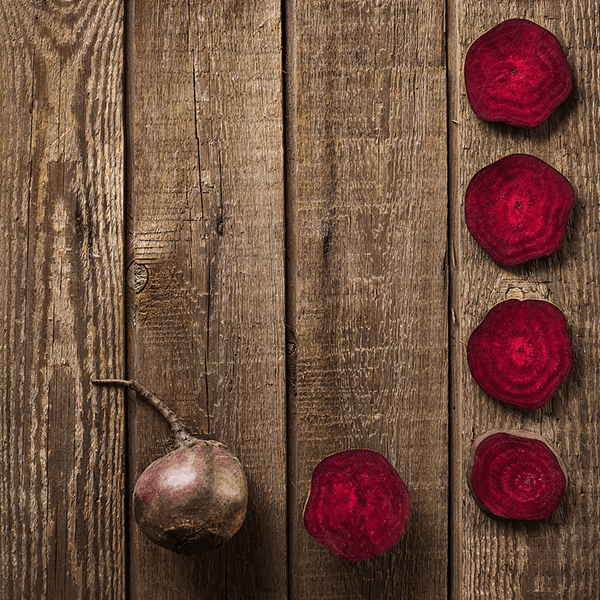
When sourcing beetroot ingredients for industrial formulations, understanding the distinction between organic beetroot extract powder and beet juice powder becomes paramount. Organic Beetroot Extract Powder undergoes a concentrated extraction process, standardizing bioactive compounds like dietary nitrates (typically 1.5-3.0%) and betalains, achieving concentration ratios from 4:1 to 20:1.
Conversely, beet juice powder results from simply dehydrating and grinding whole beetroot juice, retaining natural sugar content and offering a broader nutritional spectrum but lower bioactive potency. This fundamental difference impacts formulation efficacy, dosage requirements, cost-efficiency, and end-product performance across food manufacturing, nutraceuticals, cosmetics, and pharmaceutical applications.
Understanding Organic Beetroot Extract Powder and Beet Juice Powder
As useful foods, vitamins, and medicines have become more popular, the market for organic beet has grown very quickly. To work in this environment, procurement workers need to be able to tell the difference between different types of products. Both powders come from Beta vulgaris L., but they are made in very different ways, which means they have different chemical makeups that make them better for different industrial uses.
Production Process and Technical Specifications
In order to concentrate certain bioactive compounds, Organic Beetroot Extract Powder is produced using complex aqueous extraction and filtration methods. Ultrasonic extraction and enzymatic hydrolysis are just two of the advanced extraction technologies that our plant uses to handle organic beets grown on our 100-hectare Qinghai-Tibet Plateau base. The extraction process concentrates nitrates, betalains (betanin and vulgaxanthin), and polyphenolic compounds while lowering the amount of sugar that is naturally present in the raw material.
Nutritional and Functional Profile Comparison
Superior medicinal content is shown by Organic Beetroot Extract Powder. Ion Chromatography testing in the lab shows a nitrate level of 1.5% to 3.0%, which is much higher than the 0.3% to 0.8% found in juice powder. In the same way, the quantity of betalain rises, going above 0.3% in extract forms. This concentration directly leads to more nitric oxide being made, which helps blood vessels open up and the heart work better, which is very important for companies that make sports nutrition and functional drinks.
Application Guidance and Safety Considerations
The dosage needs for each type are very different. For clinical goals like lowering blood pressure, extract powder needs 500 to 1500 mg per dose, while juice powder needs 5 to 10 grams for the same effects. Because it is more concentrated, extract powder is better for pill products where dose size is limited.
When both products come from certified organic suppliers, they are still very safe. We have strict quality control measures in place, such as ICP-MS heavy metal screening (Lead <1.0ppm, Arsenic <1.0ppm, Cadmium <0.5ppm, Mercury <0.1ppm) and multi-residue pesticide analysis via GC-MS/LC-MS, which makes sure that no illegal agrochemicals are found. Microbiological testing shows that the product meets pharmaceutical-grade standards: Total Plate Count <1000 CFU/g, Yeast & Mold <100 CFU/g, and Salmonella and E. coli levels are not present.
Key Criteria for Selecting a Reliable Konjac Ceramide Powder Supplier
Buying choices depend on knowing how differences in making lead to real differences in performance. Not only does the concentration process change strength, but it also changes stability, shelf life, and regulatory placement, all of which have a direct effect on the long-term reliability of the supply chain.
Potency and Bioactive Concentration
In vivo, extract powder provides concentrated nitrates that change into nitric oxide, which supports capillary function and healthy blood flow. Vasodilation can be seen and measured within two to three hours after taking 1.5 grams of a standardized extract that contains about 300 mg of nitrates. Because of this, extract powder is perfect for pre-workout supplements, items that improve heart health, and useful drinks that improve sports performance.
Health Benefits and Clinical Applications
The main therapeutic goal of beet ingredients is to help the heart and blood vessels. Researchers have found that nitrate-rich extract powder can help keep blood pressure levels healthy when they are already in the normal range. The benefits can be seen at standard doses. The nitrate-to-nitrite-to-nitric oxide pathway makes blood vessels more flexible, which helps blood flow all over the body.
Increasing energy and workout ability is another important application area. Because nitrates save oxygen, muscles can work better, which makes moderate-intensity exercise last longer until they are tired. More and more, sports nutrition brands choose extract powder because it delivers nitrates consistently, making sure that the product works the same way every time.
Both types are good for your liver because they contain betalain chemicals, which are antioxidants and anti-inflammatorys. Organic Beetroot Extract Powder provides a concentrated source of these beneficial compounds, and its betacyanin pigments help Phase II detoxification enzymes do their job and protect hepatocytes from oxidative stress. These antioxidants are used in cosmetics to make skin care products that protect against external stress.
Quality Control and Stability Factors
Concerns about shelf life are very different. When kept properly in sealed, light-protected cases, extract powder that has a moisture content below 5% stays stable for 24 to 36 months. The lower amount of sugar prevents Maillard reactions that damage color and taste over time.
Because it has natural sugars and some moisture left over (usually 5 to 7 percent), juice powder is more hygroscopic. To keep it stable for 18 to 24 months, this needs pharmaceutical-grade packing with oxygen filters and desiccants. Because it is made of sugar, it can also harden in places with a lot of moisture, so it needs flow agents like organic rice hull powder.
Our range of certifications, which includes BRC, ISO22000, Kosher, Halal, HACCP, NOP & EU Organic, and more, makes sure that both types of products meet strict international standards. HPTLC fingerprinting verifies the identity of the plant material, stopping it from being tampered with using artificial colors or cheaper fillers like maltodextrin. Each batch comes with a full Certificate of Analysis that lists the levels of active ingredients, the status of microbes, and the results of any contaminant screenings.
Market Comparison: Choosing the Right Product for Your Procurement Needs
A cost study must look at more than just the price per kilogram. It must also look at the cost per dose and the cost per functional unit. This method shows what the real economic value is for manufacturers who are working with small profit margins.
Pricing Structure and Cost-Effectiveness
Extract powder usually costs a lot, anywhere from $45-85 per kilogram, based on the concentration ratio and the level of approval. The price difference is much smaller when you look at it per effective amount (based on nitrate level). Even the raw materials cost more, a capsule formulation that needs 1000 mg of extract instead of 8000 mg of juice powder is more cost-effective.
The cost-effectiveness of both forms is greatly improved by bulk buying. We can supply more than 100 tons of goods every year, which lets us set pricing levels based on volume, which lowers unit costs by 15 to 25 percent for committed buyers. Pharmaceutical companies and big supplement names take advantage of these economies of scale to get long-term supply deals that keep the costs of making many different types of products stable.
When cost is an issue, juice powder can be used in situations where bigger serving amounts are not an issue. Its whole-food nutrition profile makes it a good choice for smoothie mixes, protein shakes, and functional food bars, and the price ranges from $25 to $40 per kg. By partially replacing added sweeteners, the natural sweetness lowers the cost of formulation, which creates additional cost savings in complex formulations.
Supplier Due Diligence and Quality Assurance
When buying from other countries, it is still very important to make sure that the organic certification is real. Suppliers with a good reputation let you track everything from the cultivation to the processing, and using high-quality raw materials like Organic Beetroot Extract Powder further ensures purity and consistency. Our 50,000-square-meter plant in Shaanxi Province is connected to our organic farms on the Qinghai-Tibet Plateau, so there are no gaps in the supply chain that could damage the quality of our ingredients.
Quality security goes beyond just getting certified. Consistency from batch to batch needs advanced mathematical skills and process controls. Our dedicated research and development team has been working with botanical extracts for more than 15 years. They use HPLC, IC, ICP-MS, and HPTLC techniques to check each production run. Third-party testing by independent labs adds to the proof, which makes it easier to trust the product specifications.
It's just as important to be clear about how the work is done. Organic standards say that extraction solvents must be water or ethanol that is organically acceptable. Residue tests must show that industrial solvents like hexane or acetone are not present. When making juice powder, controlled-temperature systems should be used instead of high-temperature spray-drying, which breaks down nutrients that are sensitive to heat.
Logistics and Regulatory Compliance
When you buy something from another country, you have to pay attention to shipping logistics and customs paperwork. Our 3000 square meter US center makes it easy for North American customers to get their orders quickly, cutting down on wait times and making the import process easier. Full sets of paperwork, like Certificate of Analysis, MSDS, organic licenses, allergen statements, and GMO-free releases, make it easier to get goods thru customs in different areas.
Compliance with regulations depends on the use and market. Pharmaceutical-grade extracts need GMP production records and stable data to back up expiry dates. As required by FDA or EU Cosmetics Regulation standards, preservation efficacy tests and safety studies are needed for cosmetic uses. Depending on the amount of use and health claims, food applications need either GRAS permission or the right food additive licenses.
How to Choose Between Organic Beetroot Extract Powder and Beet Juice Powder
When making strategic sourcing choices, many things need to be taken into account, such as the application's needs, the target audience, government rules, and the budget. Successful procurement teams set up decision frameworks that check these factors against product specifications in a planned way.
Application-Specific Selection Criteria
Because they take up less space, capsule and pill vitamins like extract powder. A 1000 mg tablet with 20 to 30 mg of nitrates gives you a clinically relevant dose in an easy-to-use form. The low amount of water and concentrated actives make it possible to use normal encapsulation tools to make the capsules and keep them stable inside gelatin or vegetarian capsule shells.
Beverage apps can handle both formats, depending on where the content is placed. Premium sports nutrition drinks that focus on performance benefits use extract powder, such as Organic Beetroot Extract Powder, to make sure that nitrates get to the muscles. Wellness drinks that are aimed at a wider audience often use juice powder because it highlights the health benefits of whole foods and has clean ingredient lists that natural product buyers like.
Cosmetic formulators use extract powder a lot in serums, creams, and masks because that's where the concentration of the active ingredient determines how well the product works. The deep melanin gives the skin a natural color, and the betalain vitamins make the skin look better. Because it dissolves in both water and glycerin-based systems, it can be used in a wide range of product formulations.
Evaluating Samples and Quality Testing
Protocols for evaluating samples should be the same as those used for production-scale quality control. Ask for Certificates of Analysis to go with the samples to make sure that the test results match the specifications that were given. Do an organoleptic test. The color should be a consistent deep purple-red for extract powder and a little lighter for juice powder. The smell should be earthy-sweet with no off-odors that could mean there are microbes in it.
During physical testing, the bulk density, particle size distribution, and flowability are all looked at. These factors affect how easy it is to make something, especially in automatic filling processes. The tendency for extract powder to clump together should be very low, while juice powder might need flow agents or special storage conditions to stay free-flowing.
Bioactive material is confirmed by functional testing and independent lab research. Quantifying nitrates with HPLC or IC gives factual proof of claims about strength. By comparing the COA results given by the supplier to those from outside tests, you can see if the results are consistent and accurate. These are important signs of a reliable supplier for long-term partnerships.
Conclusion
If you want to choose between Organic Beetroot Extract Powder and beet juice powder, you need to know how they are made, what they are made of, and how they work. Extract powder has concentrated bioactives that work well in supplements and performance-based applications. On the other hand, juice powder has whole-food nutrition that works well in drinks and functional foods.
Your choice should be in line with the goals of the plan, the desires of the target market, the needs of the government, and economic factors. Both types are very good for you as long as they come from approved organic sellers who follow strict quality standards. Technical standards and supplier dependability must be balanced for procurement to go well. This will ensure regular ingredient quality that supports your brand's image and product effectiveness.
FAQ
Q1: What is the main difference between these two beetroot powders?
The main difference is in how the materials are processed and how concentrated they are as a result. Organic Beetroot Extract Powder is extracted using methods that focus certain bioactives, such as nitrates (1.5–3.0% concentration) and betalains, at concentration ratios of 4:1 to 20:1. Beet juice powder is just whole juice that has been dried out. It keeps all of the nutrients, like fiber and natural sugars, but at lower reactive amounts (nitrates 0.3-0.8%).
Q2: Can they be used interchangeably in formulations?
Interchangeability relies on what the purpose needs. For clinical effects, extract powder needs lower doses (500–1500 mg), which means it can be used in capsules and concentrated drinks. For the same effects, juice powder needs bigger amounts (5–10g), and it works better in foods, protein shakes, and smoothies. To keep the same taste and effectiveness when switching between forms, the recipe has to be reformulated.
Q3: How do I verify certified organic quality when sourcing internationally?
Ask for all the certifying paperwork, such as USDA NOP or EU Organic certificates with up-to-date expiration dates. Check the supplier's certification numbers against official databases. Ask for Certificates of Analysis that show the results of tests for pesticide residue (no detection of banned chemicals). Reliable sellers give full tracking paperwork from the farm where the food comes from to the end product. For important supply ties, you might want to get third-party proof from independent testing labs.
Partner with BIOWAY for Premium Organic Beetroot Extract Powder
If you need to buy certified organic beet ingredients, BIOWAY is ready to help. They have strict quality standards and are vertically integrated to back them up. Our 100-hectare organic farms on the Qinghai-Tibet Plateau ensure traceable, contamination-free raw materials, and our 50,000-square-meter facility with ten specialized production lines ensures that both the extract and juice powders meet pharmaceutical-grade specifications. We are an established supplier of Organic Beetroot Extract Powder.
We have NOP, EU Organic, BRC, ISO22000, Kosher, Halal, and HACCP certifications, which give us the proof and stability needed for foreign shipping. Our technical team can help you with preparation and choose the best beet shape for your needs, whether it's for sports nutrition, functional drinks, cosmetics, or pharmaceuticals. Email us at grace@biowaycn.com to get samples, talk about bulk pricing, or find out how our experience can help you with your product development. You can see our whole line of plant extracts at biowaynutrition.com.
References
1. Clifford T, Howatson G, West DJ, Stevenson EJ. The potential benefits of red beetroot supplementation in health and disease. Nutrients. 2015;7(4):2801-2822.
2. Domínguez R, Cuenca E, Maté-Muñoz JL, et al. Effects of beetroot juice supplementation on cardiorespiratory endurance in athletes: a systematic review. Nutrients. 2017;9(1):43.
3. Escribano J, Pedreño MA, García-Carmona F, Muñoz R. Characterization of the antiradical activity of betalains from Beta vulgaris L. roots. Phytochemical Analysis. 1998;9(3):124-127.
4. Lundberg JO, Weitzberg E, Gladwin MT. The nitrate-nitrite-nitric oxide pathway in physiology and therapeutics. Nature Reviews Drug Discovery. 2008;7(2):156-167.
5. Ninfali P, Angelino D. Nutritional and functional potential of Beta vulgaris cicla and rubra. Fitoterapia. 2013;89:188-199.
6. Wootton-Beard PC, Moran A, Ryan L. Stability of the total antioxidant capacity and total polyphenol content of 23 commercially available vegetable juices before and after in vitro digestion measured by FRAP, DPPH, ABTS and Folin-Ciocalteu methods. Food Research International. 2011;44(1):217-224.
Contact Us
Grace HU (Marketing Manager) grace@biowaycn.com
Carl Cheng ( CEO/Boss ) ceo@biowaycn.com
Website: www.biowaynutrition.com
Post time: Sep-10-2026


