
Introduction
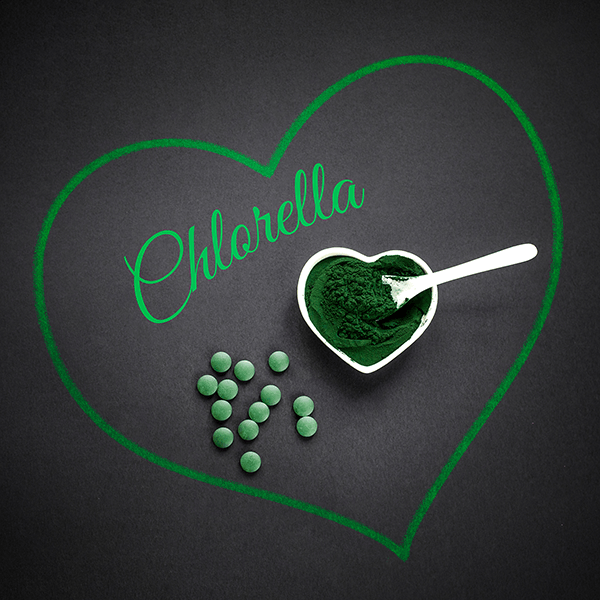
Choosing between organic chlorella powder and spirulina depends on your specific formulation needs and target application. Organic Chlorella Powder stands out for its superior protein density (≥50%), broken cell wall technology enhancing digestibility to over 85%, and unique Chlorella Growth Factor (CGF) that delivers immune modulation and detoxification properties.
Spirulina offers easier digestibility naturally but lacks the fibrous cell wall structure critical for heavy metal chelation. For B2B buyers prioritizing batch consistency, traceability, and multifunctional applications across nutraceuticals, cosmeceuticals, and functional foods, organic chlorella powder presents a more versatile, technically robust solution with documented safety profiles and broad regulatory compliance.
Understanding Organic Chlorella Powder and Spirulina Powder
Botanical Origins and Biological Classification
Organic Chlorella Powder comes from Chlorella vulgaris or Chlorella pyrenoidosa, which are single-celled freshwater green algae that are grown in photobioreactors or protected marine habitats. This classification sets it apart from spirulina, which is a complex cyanobacterium (Arthrospira platensis) that grows well in lakes with a lot of acid. The difference in cell structure is not small—chlorella has a stiff cellulose cell wall that needs to be broken down mechanically, while spirulina's spiral filaments are naturally easier to reach.
Understanding this biological difference is important for making choices about what to buy. Because chlorella's outer layer is so tough, it needs special broken-cell-wall processing, which spirulina doesn't have. At BIOWAY, we use low-temperature, high-pressure mechanical pulverisation technology to get digestibility rates of more than 85%. This solves the main absorption problem that makes lesser chlorella products less useful. How well the mixture works and how well the active ingredients are released are directly affected by how well the processing is done.
Cultivation Methods and Organic Certification Standards
Chlorella grown in a certified organic way follows strict rules set by the USDA NOP and the EU Organic. These rules don't allow synthetic fertilisers, pesticides, or genetic modification. Our 100-hectare organic farming base in the Qinghai-Tibet Plateau keeps the air clean and prevents heavy metals from building up, so we can deliver raw materials that can be checked to be pure. Even though spirulina farming can also be certified as organic, it usually takes place in open-pond systems that are more likely to have batch consistency issues because of changes in the environment.
The organic certification has real benefits that go beyond its business draw. It requires thorough tests for heavy metals (such as lead, cadmium, mercury, and arsenic), pesticide residues, and microbial toxins. This approval makes sure that ingredients used in beauty and personal care products meet clean beauty standards and lowers the risk of formulation problems for those brands. Certificate of Analysis (COA), Material Safety Data Sheets (MSDS), and tracking records are some of the documents that are needed for regulatory applications and crossing borders.
Nutritional Composition and Active Ingredient Profiles
Due to the presence of CGF, Organic Chlorella Powder has more than 50% complete protein, which means it contains all 20 amino acids. This is more than spirulina's 55-70% protein level. This nucleotide-peptide complex is only found in chlorella. It helps cells fix themselves and the defence system. Spirulina does not have this bioactive. Premium chlorella has more than 2.0 grams of chlorophyll per 100 grams, which can be used as a natural food colourant and provides protective benefits.
High-quality Organic Chlorella Powder must meet certain technical requirements, such as having a protein content that can be checked using Kjeldahl nitrogen analysis, particles that are the right size (usually 200–400 mesh for best dispersion), and a moisture content that stays below 7% to stop oxidative degradation. The softer structure of spirulina makes it naturally digestible, but it loses the woody core that gives chlorella its ability to bind heavy metals. This difference in makeup decides which type of algae can be used for what purpose. For example, detoxification methods may benefit from chlorella, while energy-focused formulations may benefit from spirulina's higher iron bioavailability.
Health Benefits and Functional Advantages Comparison
Immune Support and Antioxidant Capacity
The immune-modulating effects of Organic Chlorella Powder come from CGF's ability to boost macrophage activity and increase interferon production. This has been shown to work in clinical settings for both post-viral recovery and general wellness purposes. ORAC (Oxygen Radical Absorbance Capacity) values consistently above 20,000 μmol TE/100g show that the antioxidant capacity protects against oxidative stress that is linked to the progression of chronic diseases. Spirulina has some antioxidant action through phycocyanin, a blue pigment that also has anti-inflammatory qualities, but it doesn't have the regenerative cellular support that CGF does.
The real-world effects on product creation are very big. Companies that make functional drinks that help the immune system can use chlorella's combined nutrient matrix of beta-glucans, polysaccharides, and nucleic acids to make unique goods with health claims that can be backed up. Cosmetic makers can use chlorella's skin-repairing properties to make better products, especially anti-aging serums that use CGF to boost collagen production. Our technical paperwork includes efficacy studies that show how these processes work. These studies help brands with regulatory applications and marketing support.
Detoxification Mechanisms and Safety Profiles
Heavy metals (mercury, lead, cadmium) and persistent organic toxins stick to chlorella's sporopelenin-rich cell wall through ion exchange and physical adsorption. This feature is used in detoxification products and environmental cleanup projects. Spirulina doesn't have this fibrous structure, so it can't chelate as well. This functional advantage makes chlorella perfect for B2B buyers who are making targeted detox formulas or trying to address contamination concerns in vulnerable groups.
Safety compliance is an absolute requirement for buying something. Organic Chlorella Powder goes through a lot of tests to make sure it doesn't contain microcystin, which is a cyanotoxin problem with spirulina, as well as pesticide residues (more than 200 substances are checked for), and pheophorbide levels that stay below 60 mg/100g to avoid photosensitivity reactions. BIOWAY's GMP-certified production facility uses validated analytical methods to make sure that each batch is the same. This gives pharmaceutical and over-the-counter manufacturers the traceability they need. The wide range of certifications, including NOP and EU Organic, BRC, ISO22000, Kosher, Halal, and HACCP, show that the company is in line with the rules in most major regulatory areas.
Metabolic Benefits and Performance Enhancement
In different ways, both algae powders help keep your metabolism healthy. The polyunsaturated fatty acids and B-vitamin complex in chlorella improve energy metabolism and stress resistance, which makes them useful for functional foods that are meant to improve athletic performance or work productivity. With a Protein Digestibility-Corrected Amino Acid Score (PDCAAS) close to 1.0 post-cell-wall disruption, the protein quality is on par with animal protein sources while still being vegan-friendly.
Because it is quickly digested, spirulina is better for use right before a workout. On the other hand, chlorella's slow release of nutrients makes it better for meal replacements and daily health supplements. For companies that make feed and food for pets, chlorella's amino acid profile helps with growth and defence without the allergic problems that come with soy or gluten sources. It's cost-effective because it can do more than one thing. For example, delivering protein, antioxidants, pigments, and bioactives all at the same time makes the formulation simpler and lowers the total cost of the ingredients.
Procurement Considerations: Quality, Pricing, and Certification
Evaluating Supplier Reliability and Quality Metrics
When looking for a good Organic Chlorella Powder provider, you need to check their growing methods, processing skills, and lab facilities. Key quality signs include microscope proof of a broken cell wall, third-party testing of the protein content, and chlorophyll stability under conditions that speed up ageing. BIOWAY's plan, which includes organic farming, extraction, and cleaning, gets rid of the supply chain confusion that comes with networks with multiple levels of distribution.
Processing methods should be looked at in the expert review. Chemical or enzymatic ways don't keep heat-sensitive nutrients as well as mechanical cell rupture does. This keeps chlorophyll structure and CGF bioactivity. Analysis of the particle size distribution shows that the consistency is true; narrow distributions show controlled milling and suggest uniform behaviour when tableting or encapsulating. Measurements of bulk density between 0.45-0.55 g/mL make sure that volumetric doses and mixing are always the same. Our 15 years of research and development have led to quality control methods that go above and beyond industry standards. This gives buyers trust in long-term supply relationships.
Pricing Structures and Negotiation Strategies
The price of Organic Chlorella Powder reflects the costs associated with production, organic certification, and processing. Premium broken-cell-wall organic chlorella costs between $25 and $45 per kilogram FOB for large orders over 500 kg. Prices go up or down depending on the amount of chlorella ordered and the length of the contract. Spirulina usually costs 20–30% less because it is easier to process, but the difference in functions makes chlorella worth the extra cost for high-value uses.
When you know the total cost of ownership, you have more negotiating power. If you choose a cheaper option, it's possible that it won't meet the standards for heavy metal screening, organic certification, or batch stability. This can have hidden costs that show up as product returns or delays in reformulating. BIOWAY's annual supply capacity of more than 10,000 tonnes gives brands that are ramping up production peace of mind about volume, and the company's flexible MOQs make it easy for startup teams to test the market. In addition to unit price comparisons, payment terms, logistics coordination through our US warehouse, and technical support services all add value that can be measured.
Certification Verification and Regulatory Compliance
Real organic certification needs to be checked every year by a recognised organization like the USDA or ECOCERT, and the process must include being able to track where the seeds came from and how they were grown. Only claims of being "certified organic" are not enough for buyers; they should also ask for recent certification papers. Check the validity of certificate numbers by comparing them to databases of the issuing authority. BIOWAY keeps current licenses for a number of standards, including NOP, EU Organic, BRC, and HACCP. This makes it easier to get goods through customs and get them approved by regulators in a wide range of markets.
Compliance with regulations goes beyond being healthy. For cosmetic uses, microbiological standards must be in line with ISO 11930 challenge tests. These standards usually include a total aerobic count of less than 100 CFU/g and the lack of pathogens. Pharmaceutical-grade uses need GMP production settings, cleaning methods that have been proven to work, and stability data to back expiration dates. Our 1200㎡ Class 10,000 cleanroom facility meets these strict standards, making us a reliable supplier for drug companies and over-the-counter (OTC) makers who need the highest quality standards.
Application and Usage Scenarios in Industry
Nutraceutical and Supplement Formulations
Organic Chlorella Powder is the main ingredient in high-compression pills, veggie capsules, and softgels that help the immune system, detoxify, and provide a lot of nutrients. For consumer products, the recommended dosage ranges from 3 to 10 grams per day. This corresponds to specific formulation concentrations that strike a balance between effectiveness and manufacturing efficiency. Choosing the right excipients is very important. Microcrystalline cellulose and magnesium stearate improve flowability without getting in the way of the clean label placement that health-conscious customers want.
When chlorella is used as a supplement, it can be hard to control its unique algae taste and colour. Some ways to hide the taste of something are to mix it with other plants that taste good (like spirulina or wheatgrass), put it in an enteric coating, or mix it into chocolate or berry-flavored matrices. Our expert team helps with formulations that deal with these sense issues while keeping bioactive stability. We help OEM manufacturers with samples and pilot-scale trials, which lowers the risk of development and speeds up the time it takes to get new products on the market.
Functional Foods and Beverage Integration
When adding Organic Chlorella Powder to protein bars, drink mixes, and green superfood blends, you need to make sure that the powder stays stable in the mix and doesn't react badly with acids or bases. The isoelectric point of the protein and the particle surface charge affect how it reacts with acidic liquid bases. This means that stabiliser systems or particle containment are needed. According to BIOWAY, their micronised grade (<5 microns) is better at dispersing in liquids and keeping its look and feel throughout its shelf life.
The natural green colouration serves two purposes: it looks like a "superfood" and it gets rid of the need for artificial colourants. This is used in the food business, especially in veggie protein bars, energy balls, and breakfast cereals. Regulatory support under FDA GRAS (Generally Recognised as Safe) status and EU Novel Food approvals makes it easier to list ingredients and follow label rules. Dosage options range from 0.5% in fortified drinks to 15% in concentrated vitamin powders, so they can be used with a wide range of product ideas and customer groups.
Cosmeceutical and Personal Care Applications
Because it is an antioxidant, reduces inflammation, and repairs the skin barrier, Organic Chlorella Powder is used in face creams, serums, and washes by beauty and personal care brands. The process is based on how CGF activates epidermal growth factor receptors and how chlorophyll has weak antibacterial properties. Particle sizes must be less than 5 microns in order for the formula to work and for sensitive skin to not be physically damaged.
Testing for stability at high temperatures (40°C, 75% RH) confirms that chlorophyll stays in the food and microbes are controlled for the normal 24- to 36-month shelf lives. The part that dissolves in water can be used in toners and essences, and the part that dissolves in oil can be used in oil-based products and emulsions. Following certification rules, especially the EU Cosmetics Regulation (EC) No 1223/2009 and COSMOS organic standards, protects market access and builds consumer trust. Our cosmetic-grade extraction tank and specialised production line keep products from getting contaminated with other products, which is what high-end skin care brands need.
Conclusion
Spirulina or Organic Chlorella Powder? That depends on your unique needs, the situation you're in, and the high standards you have. For this reason, chlorella is the best ingredient for immune support, anti-aging formulas, and all-around nutritional goods. Its broken-cell-wall absorption and unique CGF benefits make it the clear choice. Spirulina is good for energy-focused applications because it is cheap and easy to digest.
Organic Chlorella Powder's technical versatility, regulatory acceptance, and proven effectiveness make it a good choice for B2B procurement professionals who are in charge of large-scale production or developing premium product lines. Vertical integration, certification legitimacy, and expert support skills that ensure long-term supply chain stability should be given top priority when choosing a supplier.
FAQ
Q1: Which powder offers better detoxification effects?
The sporopollenin-rich cell wall structure of Organic Chlorella Powder makes it a better heavy metal chelator. It physically binds mercury, lead, and cadmium. It has been shown in clinical studies to effectively lower the body's load of persistent organic pollutants, which makes it the best ingredient for targeted detoxification formulations.
Q2: What are the critical quality criteria when sourcing for pharmaceutical applications?
Pharmaceutical-grade sourcing needs production that is GMP-certified, analytical methods that have been tested and proven to control impurities, and stable data that supports expiration dates. Check for broken cell walls using a microscope, make sure the organic certification is real, and ask for tests of each batch to see if it contains heavy metals, microcystin, and pheophorbide at amounts below what is considered safe.
Q3: Can organic chlorella powder and spirulina be combined in formulations?
When you mix the two powders, they form synergistic nutrient profiles that balance the detoxifying effects of chlorella with the high iron level and phycocyanin of spirulina. The matching taste patterns also make it easier to taste. The suggested chlorella: spirulina ratio is between 1:1 and 2:1, based on the health claims and personal taste preferences.
Partner With a Trusted Organic Chlorella Powder Manufacturer
Our 100-hectare organic farm and advanced extraction facilities are all part of BIOWAY's vertically integrated production model. This makes sure that the quality and supply security your formulations need are always met. Our ≥50% protein Organic Chlorella Powder meets the tightest international standards (USDA NOP, EU Organic, BRC, ISO22000, Kosher, Halal, HACCP) and goes through a lot of tests to make sure it doesn't contain any heavy metals, pesticides, or microbes that are bad for you.
We support both large manufacturers and new brands with flexible MOQs, detailed technical documentation, and quick service. Our annual capacity is over 10,000 tonnes, and we have a dedicated warehouse in the US. Email grace@biowaycn.com to get samples and COA paperwork, and talk to our experienced team about your unique recipe needs.
References
1. Nakano, S., Takekoshi, H., & Nakano, M. (2010). Chlorella pyrenoidosa supplementation reduces dioxin and increases immunoglobulin A concentrations in breast milk. Journal of Medicinal Food, 13(3), 579-586.
2. Panahi, Y., Darvishi, B., Jowzi, N., Beiraghdar, F., & Sahebkar, A. (2016). Chlorella vulgaris: A Multifunctional Dietary Supplement with Diverse Medicinal Properties. Current Pharmaceutical Design, 22(2), 164-173.
3. Kay, R.A. (1991). Microalgae as food and supplement. Critical Reviews in Food Science and Nutrition, 30(6), 555-573.
4. Merchant, R.E., & Andre, C.A. (2001). A review of recent clinical trials of the nutritional supplement Chlorella pyrenoidosa in the treatment of fibromyalgia, hypertension, and ulcerative colitis. Alternative Therapies in Health and Medicine, 7(3), 79-91.
5. Becker, E.W. (2007). Micro-algae as a source of protein. Biotechnology Advances, 25(2), 207-210.
6. Safi, C., Zebib, B., Merah, O., Pontalier, P.Y., & Vaca-Garcia, C. (2014). Morphology, composition, production, processing and applications of Chlorella vulgaris: A review. Renewable and Sustainable Energy Reviews, 35, 265-278.
Contact Us
Grace HU (Marketing Manager) grace@biowaycn.com
Carl Cheng ( CEO/Boss ) ceo@biowaycn.com
Website: www.biowaynutrition.com
Post time: Aug-06-2026