
Introduction
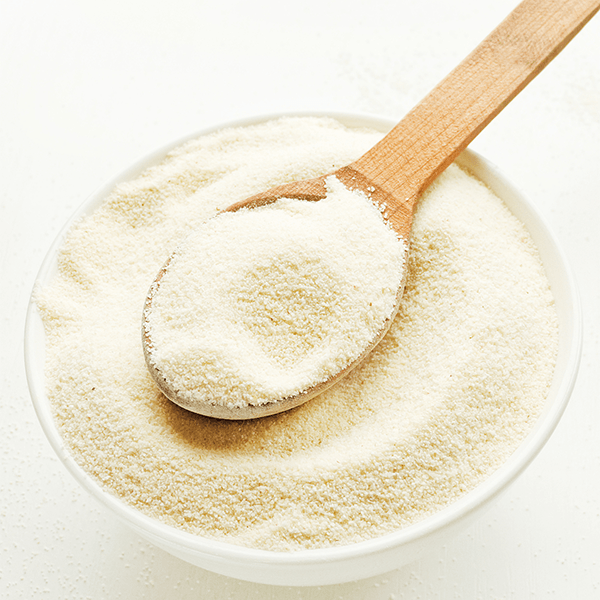
When sourcing plant-based protein ingredients, one question keeps coming up in B2B procurement conversations: what actually separates an organic rice peptide from a standard rice peptide? The short answer is that the differences go well beyond a label. Organic rice peptide is produced from certified organically grown rice (Oryza Sativa), processed through enzymatic hydrolysis under strict GMP conditions, and verified free from synthetic pesticides, herbicides, and chemical solvents.
Standard rice peptides share the same base protein source but carry none of those agricultural or processing guarantees. For brands competing in the clean-label supplement, infant nutrition, or organic skincare space, that distinction directly affects regulatory compliance, consumer trust, and long-term market positioning.
Understanding Rice Peptides: Definitions and Production
What Are Rice Peptides?
When enzymes break down whole rice proteins, they leave behind short chains of amino acids called rice peptides. Because peptide chains are so small—often less than 1,000 Daltons—they break and are absorbed more quickly than whole proteins. This is a structural trait that both organic and standard forms share. In agriculture, the difference in function starts a long time before any enzymes touch the protein.
How Organic Rice Peptides Are Produced
Organic rice peptides begin with non-GMO rice that was grown without using any man-made chemicals on the crops. The raw materials used by BIOWAY come from a 100-hectare certified organic growing base on the Qinghai-Tibet Plateau. The clean environment and high elevation make the area less likely to have pest problems.
After being picked, the rice protein goes through several stages of enzymatic breakdown in a GMP-certified plant that is over 50,000 square meters in size in Shaanxi Province. There is no hexane or chemical solvents used. There are transaction papers in every production batch that show where the material came from and how it got to the end powder.
How Conventional Rice Peptides Are Produced
The breakdown process for standard rice peptides is similar, but the grain that comes before them can be grown with normal chemicals and pesticides. Chemicals may be used to help with separation during processing. There is no requirement for an organic chain of custody. This lowers the cost of inputs but means that final goods can't have USDA NOP or EU Organic certification. No matter how well they work, standard peptides do not meet the requirements for brands that need to make an approved organic claim.
Key Quality and Composition Differences
Protein Content and Molecular Profile
The organic rice peptide from BIOWAY has about 80% protein by weight (N×6.25), 5% fat, 7% ash, and 18% total carbohydrates. HPLC-GPC analysis confirms that the molecular weight distribution shows that more than 90% of the peptides are less than 1,000 Daltons, which is a level that directly supports fast absorption through the PepT1 intestinal transporter. Standard rice peptides might have the same numbers, but they don't have to follow the rules for residue levels set by organic farming.
Safety and Heavy Metal Standards
When growing the organic form, tighter controls on residues must be met. This lowers the risk of contamination before any processing takes place. The heavy metal limits set by BIOWAY are Pb <0.3 mg/kg, As <0.25 mg/kg, Cd <0.3 mg/kg, and Hg <0.2 mg/kg. These levels are higher than what is allowed by California Prop 65 and the EU. Pesticide testing with more than 500 different compounds is done on each batch to make sure it is organic. This is the kind of proof that buyers in infant nutrition and clinical nutrition need.
Certification Chain and Traceability
Organic certification is only as strong as its weakest link. BIOWAY has certificates from the USDA, the EU, cGMP, ISO22000, HACCP, FSSC22000, HALAL, KOSHER, and BRC. There is a Certificate of Analysis (COA) and transaction documents for every package. Conventional peptides don't have the same chain-of-custody documentation, which makes it harder for companies that want to sell certified organic products in the US or Europe to meet the necessary standards.
Performance and Application Differences in B2B Industries
Sports Nutrition and Clinical Use
The quickly absorbed peptide structure helps muscle protein production without the gas that comes with whey protein in sports recovery products. The hypoallergenic makeup is important for both clinical nutrition and baby nutrition. Organic rice peptides are safer because they don't contain any agrochemical residues. This is especially important when the end user is a baby, a pregnant woman, or a person who has trouble digesting food. This is the main reason why organic-certified peptides are the best choice for making baby formula and enteral feeding.
Cosmetics and Functional Beauty
The organic hydrolyzed rice protein peptide works well in skin care products. It's easy for creams, serums, and masks to mix with its fine brown powder form. Peer-reviewed dermatology journals have published research that supports the idea that peptides from rice can help keep the skin moist and improve its barrier function.
The organic rice peptide stays stable in low-pH settings (pH 3.0–4.0) for oral beauty supplements, which are sometimes called "beauty from within" goods. This is important for carbonated or acidic drinks. People who like clean beauty products will be interested in the organic label when it comes to marketing.
Supplements and Functional Food
Here are some specific application categories where organic rice protein peptides work well in B2B formulation work:
- • Organic dietary supplements: Protein content ≥80% supports label claims for plant-based protein supplements targeting consumers who avoid soy and dairy.
- • Functional beverages: High solubility and thermal stability through UHT and pasteurization processes make it compatible with ready-to-drink formats.
- • Organic infant nutrition: The hypoallergenic, low-residue profile meets the elevated safety expectations for products targeting infants with Cow's Milk Protein Allergy (CMPA).
- • Pharmaceutical and nutraceutical applications: Low osmotic pressure and neutral flavor profile allow higher inclusion rates without off-notes.
Procurement Considerations for Organic Rice Peptide vs Regular Rice Peptide
Pricing and ROI
Organic rice peptides cost more than regular peptides because they have to go through more certification checks and are made in smaller quantities that are tied to approved organic supply lines. But for brands that are more expensive or clinical, that higher price means they can defend their higher price point and get better placement in stores. If organic food costs more, that's not the main question for buying teams. The main question is whether the target market will buy a product priced to reflect that difference.
Supplier Vetting and Certification Compliance
A certified organic peptide supplier should have the following paperwork: USDA NOP or EU Organic transaction certificates, a COA with heavy metal and pesticide residue data, a molecular weight distribution report, and proof that the production followed good manufacturing practices (GMPs) for organic rice peptide.
BIOWAY keeps a 3,000-square-meter building in the US. This helps North American buyers get their orders faster and makes operations easier. From the Qinghai-Tibet Plateau growing base to the Shaanxi production center, the structure is vertically linked, which gives the tracking proof that organic audits need.
MOQ, Lead Times, and Market Availability
The standard way to ship BIOWAY's organic rice protein peptide is in 25 kg drums. For new customers, small-batch trial orders are available, and the fact that the warehouse is stocked in the US cuts down on the time it takes for ocean freight. This makes it easier for direct-to-consumer brands to try a new formula without having to commit to big inventory positions.
Because there are more suppliers of conventional rice peptides, the MOQ choices are usually more open. However, for organic-certified SKUs, the supply chain is naturally more concentrated, so the quality of the supplier relationships is an important part of long-term supply security.
Making the Right Choice: Organic Rice Peptide or Regular Rice Peptide?
The choice comes down to three useful criteria. First, does the finished product need to say that it is organic? If so, then only a certified organic peptide fits the bill. Second, what level of safety do your customers expect? The lower residue background that organic farming controls offer is needed for uses in infant, maternal, and clinical nutrition. Third, where does your brand fit in? The ingredient story that comes with a vertically traced organic peptide really sets your product apart, whether you are making a high-end, clean-label vitamin or a certified organic skin care line.
If organic approval isn't important for the brand and saving money is the most important thing, regular rice peptides are still a good choice. Being honest about the market you're really trying to reach is very important.
Conclusion
Ordinary rice peptide and organic rice peptide are not the same in more ways than one. It shows real differences in how crops are grown, the types of residues they leave behind, the framework for certification, and the ability to make claims about finished goods that can be checked. These differences have direct business meaning for people who buy ingredients for organic supplements, infant nutrition, clinical products, or certified beauty formulations.
BIOWAY's fully integrated model includes organic farming on the Qinghai-Tibet Plateau, GMP-certified production in Shaanxi, and compliance with multiple certifications. This model meets all the needs of high-end buyers. To choose the right ingredients, you must first know exactly what your market wants.
FAQ
Q1: How does organic rice peptide differ from standard rice protein powder?
Rice peptides are the pre-hydrolyzed form of rice protein, broken into small molecular chains typically below 1,000 Daltons. They offer 100% water solubility and faster absorption compared to intact rice protein powder, which remains largely insoluble. The organic version adds agricultural and processing controls that conventional protein powder does not carry.
Q2: What certifications should I verify before bulk purchasing?
For US and European markets, confirm USDA NOP or EU Organic transaction certificates, a COA covering protein content, heavy metals, and pesticide residues, plus GMP or ISO22000 manufacturing documentation. BIOWAY holds USDA Organic, EU Organic, cGMP, ISO22000, HACCP, KOSHER, and HALAL certifications.
Q3: Is organic rice protein peptide stable in acidic beverage formulations?
Yes. BIOWAY's organic hydrolyzed rice protein peptide remains fully dissolved and clear at pH 3.0–4.0, making it suitable for carbonated drinks, acidic ready-to-drink supplements, and hot-fill formats without protein aggregation.
Q4: What is the recommended storage and shelf life?
Store in a cool, dry location in the original sealed packaging. Shelf life is 24 months under these conditions. Each 25 kg drum is labeled with batch number and production date for traceability.
Q5: Can it be used in infant nutrition formulations?
The hypoallergenic profile and low residue specification make it suitable for consideration in infant and maternal nutrition products. Buyers in this segment should request the full safety dossier, including microbiological testing and heavy metal data, and verify compliance with applicable regional regulations before formulation approval.
Request Samples and Pricing from BIOWAY — Certified Organic Rice Peptide Supplier
BIOWAY's organic rice peptide is approved organic by both the USDA and the EU, and its supply chain can be fully tracked from the Qinghai-Tibet Plateau to GMP-certified factories in Shaanxi. If you need to buy a lot of organic rice peptide or have a custom formulation trial, our team is ready to help you. To get a COA, sample, or price quote, email us at grace@biowaycn.com or go to biowaynutrition.com.
References
1. Hou, T., & Wu, S. (2017). Bioactive peptides derived from food proteins: Production, function and application. Food Research International.
2. Shih, F. F. (2003). An update on the processing of high-protein rice products. Nahrung/Food.
3. Mintel Group. (2023). Global New Products Database: Organic and Plant-Based Protein Ingredients Report.
4. United States Department of Agriculture. (2022). National Organic Program: Regulations and Certification Requirements. USDA Agricultural Marketing Service.
5. Wu, J., & Ding, X. (2002). Characterization of inhibition and stability of soy-protein-derived angiotensin I-converting enzyme inhibitory peptides. Food Research International.
6. Zhu, D., Damodaran, S., & Lucey, J. A. (2010). Physicochemical and emulsifying properties of rice protein isolate hydrolysates. Journal of Agricultural and Food Chemistry.
Contact Us
Grace HU (Marketing Manager) grace@biowaycn.com
Carl Cheng ( CEO/Boss ) ceo@biowaycn.com
Website: www.biowaynutrition.com
Post time: Nov-05-2026


