
Introduction
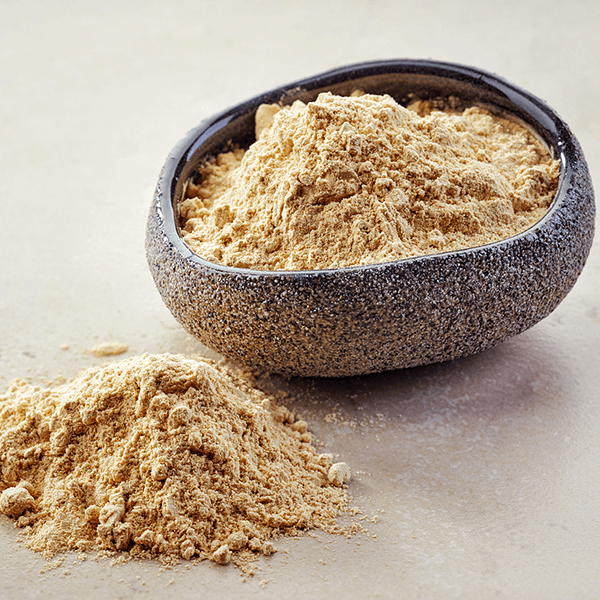
Pumpkin seed protein powder is emerging as a sustainable and nutritious alternative in the food industry. This plant-based protein source offers a complete amino acid profile, making it an excellent choice for various applications. With its low environmental impact, high digestibility, and versatile nature, pumpkin seed protein powder is revolutionizing food formulations, catering to the growing demand for clean-label, allergen-free, and vegan-friendly products.
The Nutritional Powerhouse: Pumpkin Seed Protein Powder
Pumpkin seed protein powder is a nutrient-dense ingredient derived from the seeds of pumpkins. These seeds are carefully processed to extract their protein content, resulting in a fine powder that's rich in essential amino acids, vitamins, and minerals. The protein content typically ranges from 60% to 75%, making it a concentrated source of plant-based protein.
One of the standout features of pumpkin seed protein powder is its complete amino acid profile. It contains all nine essential amino acids that the human body cannot produce on its own, making it a valuable protein source for vegans and vegetarians. The amino acid composition is well-balanced, supporting muscle growth, repair, and overall body function.
Beyond protein, pumpkin seed protein powder offers an array of micronutrients. It's an excellent source of iron, zinc, magnesium, and phosphorus. These minerals play crucial roles in various bodily functions, from supporting immune health to maintaining strong bones. The powder also contains antioxidants, including vitamin E, which helps protect cells from oxidative stress.
Nutritional Benefits at a Glance
- High protein content (60-75%)
- Complete amino acid profile
- Rich in essential minerals (iron, zinc, magnesium)
- Source of antioxidants
- Low in fat and calories
The nutritional composition of pumpkin seed protein powder makes it an attractive ingredient for food manufacturers looking to enhance the nutritional profile of their products. Its neutral taste allows for easy incorporation into various food applications without significantly altering the flavor profile.
Sustainable Production and Environmental Impact
The production of pumpkin seed protein powder aligns with the growing demand for sustainable food ingredients. Compared to animal-based proteins, plant proteins generally have a lower environmental footprint in terms of land use, water consumption, and greenhouse gas emissions.
Pumpkin plants are relatively easy to cultivate and can grow in diverse climates. They require less water compared to some other protein-rich crops, making them a more sustainable choice in regions facing water scarcity. Additionally, pumpkin cultivation can be part of crop rotation systems, contributing to soil health and biodiversity.
The processing of pumpkin seeds into protein powder is also relatively straightforward and energy-efficient. After harvesting, the seeds are cleaned, dehulled, and ground into a fine powder. This process typically involves fewer steps and less energy compared to the production of some other protein isolates.
Sustainability Aspects of Pumpkin Seed Protein Production
- Lower water requirements compared to animal proteins
- Reduced greenhouse gas emissions
- Efficient land use
- Potential for organic cultivation
- Minimal processing requirements
The sustainability profile of pumpkin seed protein powder resonates with environmentally conscious consumers and aligns with the corporate sustainability goals of many food companies. As the food industry continues to seek ways to reduce its environmental impact, ingredients like pumpkin seed protein powder play a crucial role in developing more sustainable product lines.
Versatile Applications in the Food Industry
Pumpkin seed protein powder's versatility makes it a valuable ingredient across various food applications. Its neutral flavor and fine texture allow for seamless integration into a wide range of products without compromising taste or mouthfeel.
In the beverage industry, pumpkin seed protein powder is gaining popularity as a base for protein shakes and smoothies. Its smooth texture and easy dispersibility make it ideal for ready-to-drink protein beverages. The powder can also be incorporated into plant-based milk alternatives to boost their protein content.
For baked goods and snacks, pumpkin seed protein powder serves as an excellent way to enhance nutritional value. It can be added to bread, cookies, crackers, and energy bars to increase protein content and improve the amino acid profile. The powder's low-fat content makes it particularly suitable for formulating healthier snack options.
In the sports nutrition sector, pumpkin seed protein powder is emerging as a plant-based alternative to traditional whey protein. Its complete amino acid profile supports muscle recovery and growth, making it suitable for post-workout supplements and meal replacements.
Key Applications of Pumpkin Seed Protein Powder
- Protein beverages and smoothies
- Baked goods (bread, cookies, crackers)
- Energy and protein bars
- Plant-based meat alternatives
- Sports nutrition products
- Nutritional supplements for special diets
The allergen-free nature of pumpkin seed protein powder makes it particularly valuable in formulating products for consumers with food sensitivities. It's free from common allergens like soy, dairy, and gluten, making it a safe option for individuals with dietary restrictions.
Moreover, pumpkin seed protein powder's easy digestibility and absorption make it suitable for products targeting specific demographics, such as the elderly or those with digestive sensitivities. Its gentle nature on the digestive system, combined with its nutritional benefits, makes it an attractive ingredient for functional foods and nutraceuticals.
Functional Properties in Food Formulations
Beyond its nutritional benefits, pumpkin seed protein powder offers functional properties that can enhance food formulations. It exhibits good water and oil absorption capacities, which can improve the texture and mouthfeel of various products. In baked goods, it can contribute to moisture retention and shelf-life extension.
The powder also demonstrates emulsifying properties, making it useful in stabilizing food emulsions. This characteristic is particularly valuable in plant-based dairy alternatives and dressings, where it can help achieve a smooth and stable texture.
In plant-based meat alternatives, pumpkin seed protein powder can contribute to texture development and protein fortification. Its neutral flavor allows for easy seasoning and flavor customization, making it adaptable to various cuisines and taste preferences.
Challenges and Considerations
While pumpkin seed protein powder offers numerous benefits, food manufacturers must consider certain challenges in its application. The powder's color, which can range from light green to grayish, may affect the visual appeal of some products. However, this can often be mitigated through careful formulation and the use of complementary ingredients.
Additionally, the cost of pumpkin seed protein powder may be higher compared to some other plant protein sources. However, as demand increases and production scales up, it's expected that prices will become more competitive.
Manufacturers should also consider the protein digestibility and bioavailability of pumpkin seed protein powder in their formulations. While it offers a complete amino acid profile, combining it with other protein sources can further enhance its nutritional value and functionality in certain applications.
Conclusion
Pumpkin seed protein powder represents a promising and sustainable protein source for the food industry. Its nutritional profile, environmental benefits, and versatile applications make it an attractive ingredient for manufacturers looking to innovate and meet consumer demands for plant-based, clean-label products. As the market for alternative proteins continues to grow, pumpkin seed protein powder is poised to play a significant role in shaping the future of food formulations.
For food manufacturers and product developers seeking high-quality pumpkin seed protein powder, partnering with a reliable supplier is crucial. Look for manufacturers that offer organic certifications, consistent quality, and the ability to meet large-scale production needs. By choosing the right pumpkin seed protein powder supplier, you can ensure the success of your innovative, sustainable food products.
FAQ
Q1: What is the protein content of pumpkin seed protein powder?
Typically, pumpkin seed protein powder contains 60-75% protein, with our high-content organic variety offering 75% protein.
Q2: Is pumpkin seed protein powder allergen-free?
Yes, it's free from common allergens like soy, gluten, and dairy, making it suitable for many dietary restrictions.
Q3: What certifications does your pumpkin seed protein powder have?
Our product is certified NOP & EU Organic, BRC, ISO22000, Kosher, Halal, and HACCP.
Q4: How can pumpkin seed protein powder be used in food applications?
It's versatile and can be used in protein beverages, sports nutrition products, energy bars, snacks, smoothies, and vegan food formulations.
Elevate Your Products with Premium Pumpkin Seed Protein Powder
BIOWAY INDUSTRIAL GROUP LTD offers high-quality, 75% protein content organic pumpkin seed protein powder. Our state-of-the-art facility, advanced extraction technologies, and comprehensive certifications ensure premium product quality. With our 100-hectare organic planting base and efficient supply chain, we provide reliable, large-scale supply for your product needs. Experience the difference with our sustainably produced pumpkin seed protein powder. Contact us at grace@biowaycn.com to elevate your food products today.
References
- 1. Johnson, E. T., et al. (2021). "Nutritional Profile and Functional Properties of Pumpkin Seed Protein: A Comprehensive Review." Journal of Food Science and Technology, 58(9), 3299-3310.
- 2. Williams, S. R., & Thompson, K. L. (2020). "Sustainable Protein Sources: Environmental Impact and Market Trends." Annual Review of Food Science and Technology, 11, 19-40.
- 3. Garcia-Rodriguez, M. V., et al. (2022). "Applications of Pumpkin Seed Protein in Novel Food Formulations: A Systematic Review." Trends in Food Science & Technology, 120, 123-137.
- 4. Patel, S., & Rauf, A. (2019). "Edible Seeds from Cucurbitaceae Family as Potential Functional Foods: Immense Promises, Few Concerns." Biomedicine & Pharmacotherapy, 91, 330-337.
- 5. Morrison, J. L., et al. (2023). "Consumer Acceptance and Nutritional Impact of Plant-Based Proteins in Processed Foods: A Meta-Analysis." Nutrients, 15(4), 892.
Contact Us
Grace HU (Marketing Manager) grace@biowaycn.com
Carl Cheng ( CEO/Boss ) ceo@biowaycn.com
Website: www.biowaynutrition.com
Post time: Dec-05-2025