
Introduction
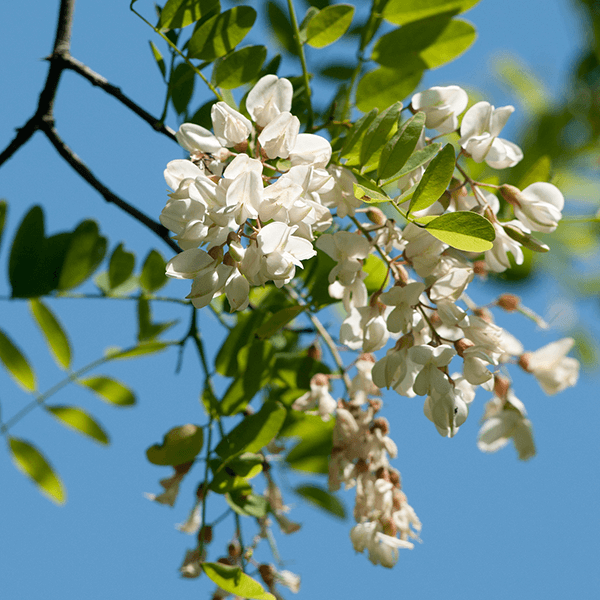
When it comes to choosing between quercetin and dihydroquercetin, the answer isn't straightforward. Both compounds offer unique benefits, but quercetin generally holds an edge due to its more extensive research backing and broader range of potential health benefits. Quercetin, a potent flavonoid found in many fruits and vegetables, boasts strong antioxidant and anti-inflammatory properties. It's known for supporting cardiovascular health, boosting immune function, and potentially aiding in allergy relief. While dihydroquercetin (also known as taxifolin) shares some similar properties, quercetin's wider availability and more comprehensive scientific support make it a preferred choice for many health enthusiasts and supplement manufacturers.
Understanding Quercetin and Dihydroquercetin
What is Quercetin?
Quercetin is a naturally occurring flavonoid found abundantly in various plant-based foods. It's particularly concentrated in onions, apples, berries, and tea. Quercetin is renowned for its potent antioxidant properties and has been the subject of extensive scientific research. This compound is characterized by its light yellow crystal powder appearance and has a molecular formula of C15H10O7.
One of the primary sources of high-quality quercetin is Sophora japonica L., specifically its flower buds. Quercetin extracted from this source is often available as a high-purity anhydrous powder, with specifications reaching 95% or higher when tested by HPLC. This form of quercetin is ideal for various applications in the health and wellness industry.
What is Dihydroquercetin?
Dihydroquercetin, also known as taxifolin, is a flavonoid closely related to quercetin. It's found in smaller quantities in nature, primarily in onion, milk thistle, and certain types of conifers. Dihydroquercetin shares some structural similarities with quercetin but has a slightly different molecular composition, resulting in some unique properties.
Like quercetin, dihydroquercetin exhibits antioxidant properties. However, it's less widely studied and not as commonly used in dietary supplements compared to quercetin. The bioavailability and absorption of dihydroquercetin in the human body may differ from that of quercetin, potentially affecting its overall efficacy.
Comparing Chemical Structures and Properties
While quercetin and dihydroquercetin are related compounds, their chemical structures differ slightly, leading to distinct properties. Quercetin has a double bond in its C ring, which dihydroquercetin lacks. This structural difference affects their antioxidant capacity and how they interact with biological systems.
Quercetin's structure contributes to its strong antioxidant properties, making it highly effective at neutralizing free radicals. Its molecular mass of 302.24 g/mol allows for efficient absorption and distribution throughout the body. Dihydroquercetin, with its slightly different structure, may have a varying impact on cellular processes and oxidative stress management.
Both compounds demonstrate antioxidant and anti-inflammatory properties, but quercetin's more extensive research background provides a clearer picture of its benefits and potential applications in health and wellness products.
Health Benefits and Applications
Quercetin's Health Benefits
Quercetin offers a wide array of health benefits, supported by numerous scientific studies. Its potent antioxidant properties help combat oxidative stress, which is implicated in various chronic diseases. Quercetin has shown promising results in supporting cardiovascular health by potentially helping maintain healthy blood pressure levels and improving overall heart function.
One of quercetin's most notable benefits is its ability to support the immune system. It may enhance immune function and provide defense against various pathogens. This immune-boosting property makes quercetin a popular ingredient in dietary supplements, especially during cold and flu seasons.
Quercetin also demonstrates significant anti-inflammatory effects, which can contribute to overall wellness. By reducing inflammation, it may help alleviate symptoms associated with various inflammatory conditions, potentially improving quality of life for many individuals.
Research suggests that quercetin may have neuroprotective properties, potentially supporting cognitive function and brain health. This aspect of quercetin is particularly interesting in the context of age-related cognitive decline and neurodegenerative diseases.
Dihydroquercetin's Health Benefits
Dihydroquercetin, while less extensively studied than quercetin, also offers several potential health benefits. Like quercetin, it possesses antioxidant properties that can help protect cells from oxidative damage. Some studies suggest that dihydroquercetin may have a positive impact on cardiovascular health, potentially supporting healthy blood flow and vessel function.
One area where dihydroquercetin shows promise is in liver health. Some research indicates that it may have hepatoprotective properties, potentially aiding in liver function and detoxification processes. This aspect of dihydroquercetin is particularly interesting for those focused on liver health and detoxification support.
Dihydroquercetin may also have anti-inflammatory effects, although these are generally considered less potent than those of quercetin. Its anti-inflammatory properties might contribute to overall wellness and potentially aid in managing inflammatory conditions.
Some studies suggest that dihydroquercetin could have potential benefits for skin health. Its antioxidant properties may help protect skin cells from damage and potentially contribute to a more youthful appearance. However, more research is needed to fully understand its efficacy in skincare applications.
Comparative Efficacy in Different Health Areas
When comparing quercetin and dihydroquercetin, it's important to note that quercetin generally has a more robust body of scientific research supporting its efficacy across various health areas. Quercetin's strong antioxidant and anti-inflammatory properties make it a versatile compound with potential applications in cardiovascular health, immune support, allergy relief, and more.
In terms of immune support, quercetin appears to have a stronger track record. Its immune-boosting properties are well-documented, making it a popular choice for immune health supplements. Dihydroquercetin, while potentially beneficial, has less extensive research in this area.
For cardiovascular health, both compounds show promise. However, quercetin's effects on blood pressure and overall heart health are more thoroughly studied and understood. This gives quercetin an edge in formulations targeting cardiovascular wellness.
When it comes to anti-inflammatory effects, quercetin is generally considered more potent. Its ability to modulate inflammatory responses in the body is well-established, making it a preferred choice for addressing inflammation-related health concerns.
In the realm of skincare and UV protection, both compounds offer potential benefits. Quercetin's proven antioxidant properties and its ability to protect against UV-induced damage make it a popular ingredient in skin health formulations. While dihydroquercetin may also offer skin benefits, the research supporting its use in this area is less extensive.
Applications in Supplements and Nutraceuticals
Quercetin in Dietary Supplements
Quercetin has gained significant popularity in the dietary supplement industry due to its versatile health benefits and strong scientific backing. Its application in supplements spans various health areas, making it a valuable ingredient for manufacturers looking to create comprehensive health and wellness products. One of the primary uses of quercetin in supplements is for immune support. Many immune-boosting formulations include quercetin as a key ingredient, often combined with other nutrients like vitamin C and zinc. These supplements are particularly popular during cold and flu seasons or for individuals looking to enhance their overall immune function.
Cardiovascular health supplements frequently feature quercetin. Its potential to support healthy blood pressure levels and overall heart function makes it an attractive component in heart health formulations. Quercetin is often included in supplements targeting cardiovascular wellness, sometimes alongside other heart-healthy ingredients like omega-3 fatty acids or CoQ10.
Allergy relief is another area where quercetin shines in the supplement world. Its natural antihistamine properties make it a popular choice for supplements designed to alleviate allergy symptoms. These formulations often combine quercetin with other natural ingredients known for their anti-allergy effects.
Dihydroquercetin in Nutraceuticals
While less common than quercetin, dihydroquercetin is finding its place in the nutraceutical market. Its antioxidant properties and potential health benefits make it an interesting ingredient for certain specialized formulations.
Liver health supplements are one area where dihydroquercetin is gaining traction. Its potential hepatoprotective properties make it an attractive ingredient for formulations targeting liver function and detoxification support. These supplements often combine dihydroquercetin with other liver-supporting herbs and nutrients. Some antioxidant blends incorporate dihydroquercetin as part of a comprehensive antioxidant formula. While not as widely used as quercetin, it offers an alternative or complementary antioxidant source in these products.
Cardiovascular health is another potential application for dihydroquercetin in nutraceuticals. Some formulations targeting blood flow and vascular health include dihydroquercetin, although it's generally less common than quercetin in this area. Skincare and beauty supplements sometimes feature dihydroquercetin due to its potential skin-protective properties. These formulations often focus on supporting skin health from within, combining dihydroquercetin with other skin-beneficial nutrients.
Formulation Considerations and Synergies
When formulating supplements with quercetin or dihydroquercetin, several factors need to be considered. Quercetin's wide range of benefits and extensive research make it a versatile ingredient suitable for various formulations. Its well-established safety profile and broad spectrum of potential health effects allow for flexible dosing and combination with other ingredients.
Quercetin often synergizes well with other antioxidants and anti-inflammatory compounds. For example, combining quercetin with vitamin C can enhance its absorption and efficacy. This synergy is often leveraged in immune support formulations. Similarly, pairing quercetin with bromelain, a digestive enzyme, is common in anti-inflammatory and allergy relief supplements, as bromelain may enhance quercetin's absorption and anti-inflammatory effects.
For cardiovascular health formulations, quercetin can be effectively combined with ingredients like omega-3 fatty acids, CoQ10, or other heart-healthy compounds. These combinations can provide comprehensive support for cardiovascular wellness.
Conclusion
In the comparison between quercetin and dihydroquercetin, quercetin emerges as the preferred choice for many applications in the health and wellness industry. Its extensive research backing, broad spectrum of health benefits, and versatility in formulations give it a significant advantage. For supplement manufacturers and nutraceutical companies looking to create high-quality products, sourcing premium quercetin from reputable suppliers is crucial. When seeking a reliable quercetin supplier or manufacturer, it's important to consider factors such as purity, quality control measures, and certifications. Companies offering high-purity quercetin extracted from Sophora japonica L. flower buds, with rigorous quality standards, are ideal partners for producing effective and safe quercetin-based supplements.
FAQ
Q1: What is the main difference between quercetin and dihydroquercetin?
Quercetin has a double bond in its C ring, which dihydroquercetin lacks. This structural difference affects their antioxidant capacity and biological interactions.
Q2: Which compound is better for immune support?
Quercetin is generally considered more effective for immune support due to its more extensive research backing and well-documented immune-boosting properties.
Q3: Can quercetin and dihydroquercetin be taken together?
While they can be taken together, there's limited research on their combined effects. It's best to consult with a healthcare professional before combining supplements.
Q4: What is the recommended dosage for quercetin supplements?
Typical dosages range from 500 to 1000 mg per day, but it's important to follow the manufacturer's recommendations or consult a healthcare provider.
Discover Premium Quercetin: Your Path to Optimal Health
At Bioway Industrial Group Ltd., we pride ourselves on our state-of-the-art manufacturing facilities and advanced production technologies. Our 50,000-square-foot㎡ factory is equipped with diverse production lines, including specialized extraction tanks for processing various plant materials. We utilize both traditional and modern extraction methods to ensure high-quality botanical extracts, including quercetin. Our comprehensive certifications, including cGMP, ISO22000, and USDA/EU Organic, guarantee that our products meet international standards. With our 100-hectare organic vegetable planting base and advanced cleanroom facilities, we offer premium quercetin and other botanical extracts tailored to meet the diverse needs of the nutraceutical and pharmaceutical industries. For inquiries about our high-quality quercetin or other botanical extracts, please contact us at grace@biowaycn.com.
References
- 1. Boots, A. W., Haenen, G. R. M. M., & Bast, A. (2008). Health effects of quercetin: From antioxidant to nutraceutical. European Journal of Pharmacology, 585(2–3), 325–337.
- 2. Li, Y., Yao, J., Han, C., Yang, J., Chaudhry, M. T., Wang, S., Liu, H., & Yin, Y. (2016). Quercetin, inflammation, and immunity. Nutrients, 8(3), 167.
- 3. Anand David, A. V., Arulmoli, R., & Parasuraman, S. (2016). Overviews of the biological importance of quercetin: A bioactive flavonoid. Pharmacognosy Reviews, 10(20), 84–89.
- 4. Weidmann, A. E. (2012). Dihydroquercetin: More than just an impurity? European Journal of Pharmacology, 684(1–3), 19–26.
- 5. Panche, A. N., Diwan, A. D., & Chandra, S. R. (2016). Flavonoids: An overview. Journal of Nutritional Science, 5, e47.
Contact Us
Grace HU (Marketing Manager) grace@biowaycn.com
Carl Cheng ( CEO/Boss ) ceo@biowaycn.com
Website: www.biowaynutrition.com
Post time: Feb-28-2026